

Framing the Body: AI Art Composition Guide
Organized by framing from tightest to widest
Framing the subject influences the image’s emotional tone, focus, and visual rhythm. This guide introduces key body framings with practical Tips, How to Use, and Booru-Style Prompt Examples to help you craft more intentional and expressive visual compositions.
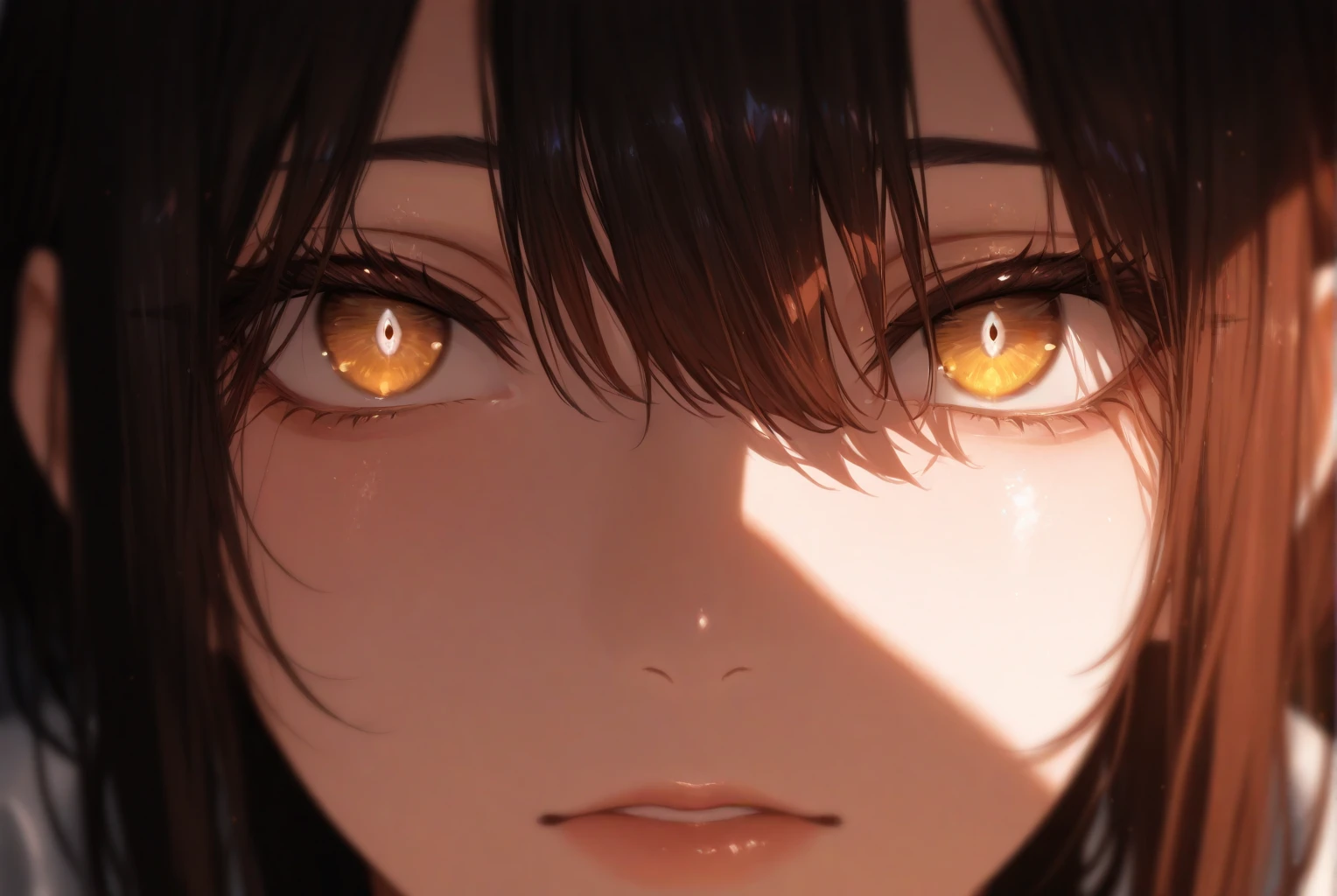
1. Close-Up
Definition: Tight frame focusing on the face or a single detail (e.g. eyes, lips).
Tip: Use shallow focus and strong expressions to create intensity.
How to Use: Ideal for emotional moments, dramatic lighting, or character introspection. Great for portraits, beauty shots, or psychological themes.
Example Prompt (Booru Style):
1girl, close-up, focus on eyes, shallow depth of field, dramatic lighting, intense gaze, detailed skin texture
2. Cut-In
Definition: Shows a specific body part like hands or lips.
Tip: Focus on action or symbolic gestures.
How to Use: Use this for intimate storytelling or emotional symbolism (e.g., clenching fists, brushing hair).
Example Prompt (Booru Style):
1girl, cut-in of hands holding teacup, focus on fingers, elegant nails, warm indoor lighting

3. Cropped Shoulders
Definition: Frame ends just below shoulders.
Tip: Center the subject and keep the background minimal.
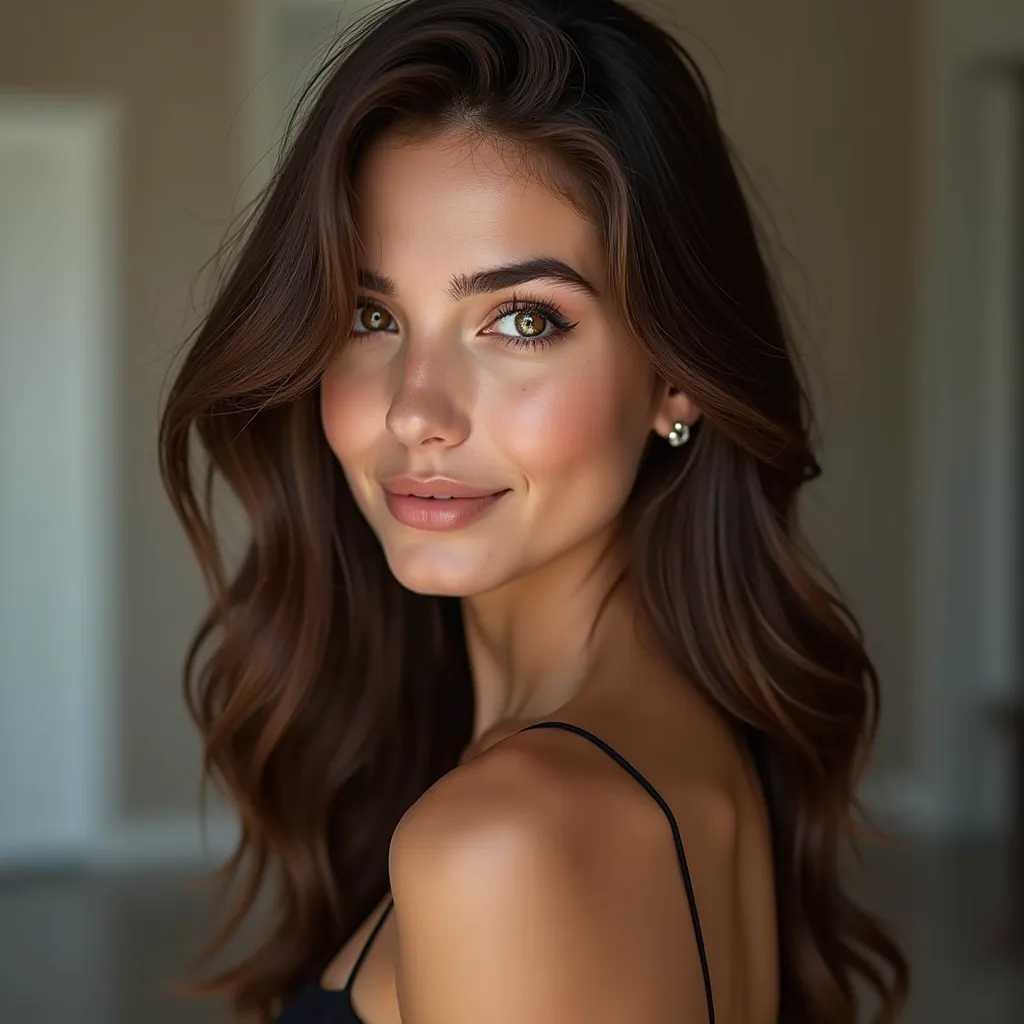
How to Use: Use for classic head portraits that emphasize emotion while maintaining a clean look.
Example Prompt (Booru Style):
1girl, cropped shoulders, neutral background, soft lighting, looking at viewer, natural expression

4. Cropped Head
Definition: Head is partly cut off at the top.
Tip: Draws attention to facial features or eye direction.
How to Use: Common in editorial and fashion; use to frame attention on eyes or lips.
Example Prompt (Booru Style):
1girl, cropped head, focus on eyes, intense stare, wind blowing hair, soft shadows

5. Cropped Arms
Definition: Frame cuts off arms, mid-upper limb.
Tip: Use sleeves, gestures, or body angle to add visual interest.
How to Use: Works well for fashion portraits or portraits where hands aren't needed.
Example Prompt (Booru Style):
1girl, cropped arms, arms held behind back, relaxed posture, upper body framing, soft natural light, standing in front of a window

6. Cropped Torso
Definition: Framing cuts off around the waist.
Tip: Include posture or tilted shoulders to add energy.
How to Use: Great for fashion shots or storytelling when facial expression is supported by posture.
Example Prompt (Booru Style):
1girl, cropped torso, subtle pose, hands on ?, stylish jacket, diffused daylight

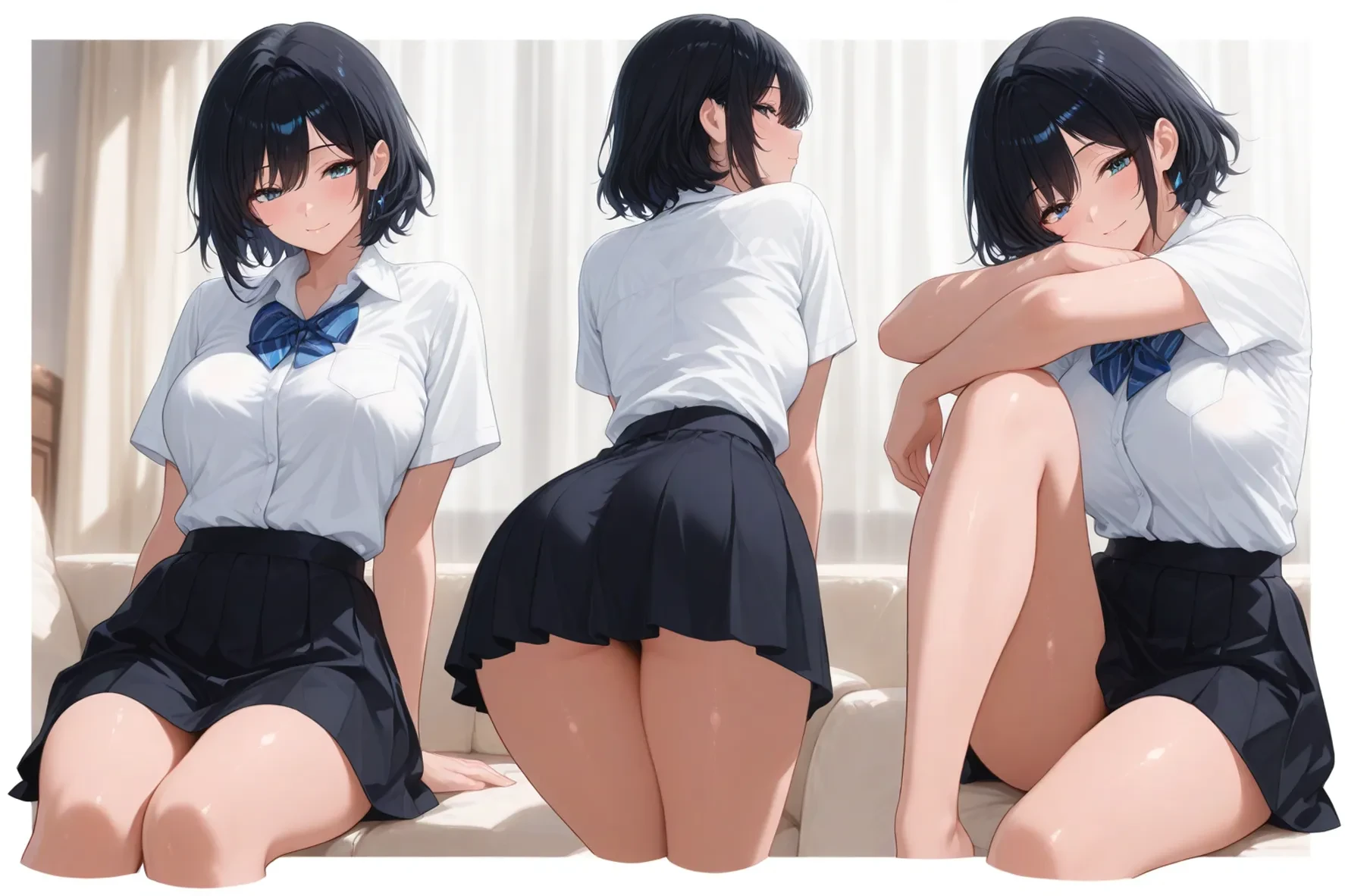
7. Cropped Legs
Definition: Legs cut mid-thigh or knees.
Tip: Use lower frame balance (e.g. skirt flow or background element).
How to Use: Ideal for seated or low-angle standing poses where upper posture matters most.
Example Prompt (Booru Style):
1girl, cropped legs, sitting pose, soft skirt draping, relaxed atmosphere
8. Head Out of Frame
Definition: Only the body is shown.
Tip: Pose the body to convey mood without relying on facial cues.
How to Use: Creates anonymity or abstraction—often used in fashion, concept art, or horror imagery.
Example Prompt (Booru Style):
1girl, head out of frame, mid-walk, flowing dress, backlit silhouette

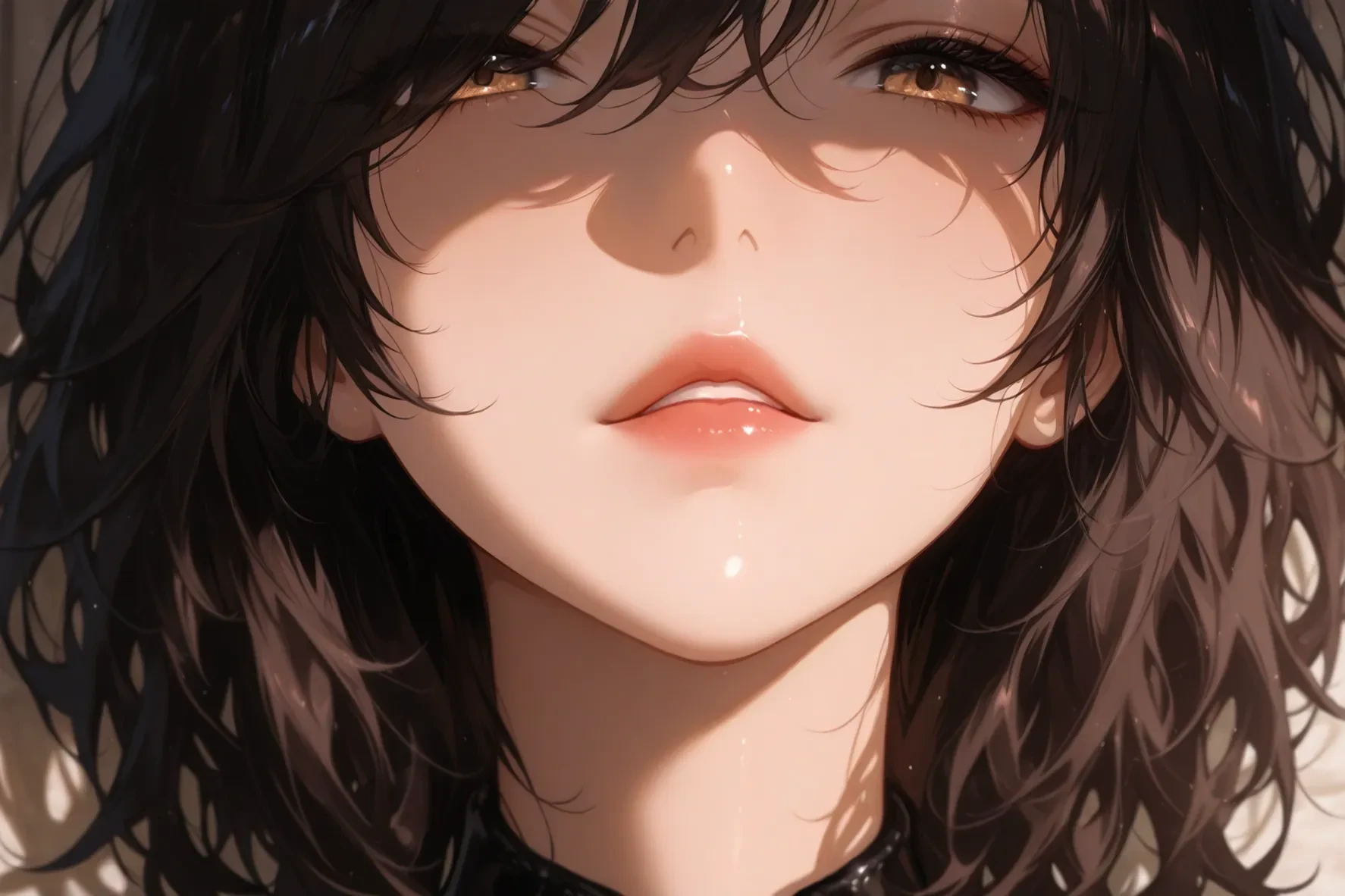
9. Eyes Out of Frame
Definition: Eyes are not visible; partial head shown.
Tip: Use to create mystery or shift emotional focus.
How to Use: Useful in scenes involving shame, distance, contemplation, or secrecy.
Example Prompt (Booru Style):
1girl, eyes out of frame, lips visible, messy hair falling, soft shadows
10. Portrait (Head and Shoulders)
Definition: Standard face framing with upper shoulders.
Tip: Light evenly or with gentle shadows to enhance features.
How to Use: Ideal for beauty portraits, profile shots, or emotional headshots.
Example Prompt (Booru Style):
1girl, portrait, soft lighting, head and shoulders, serene expression, centered composition

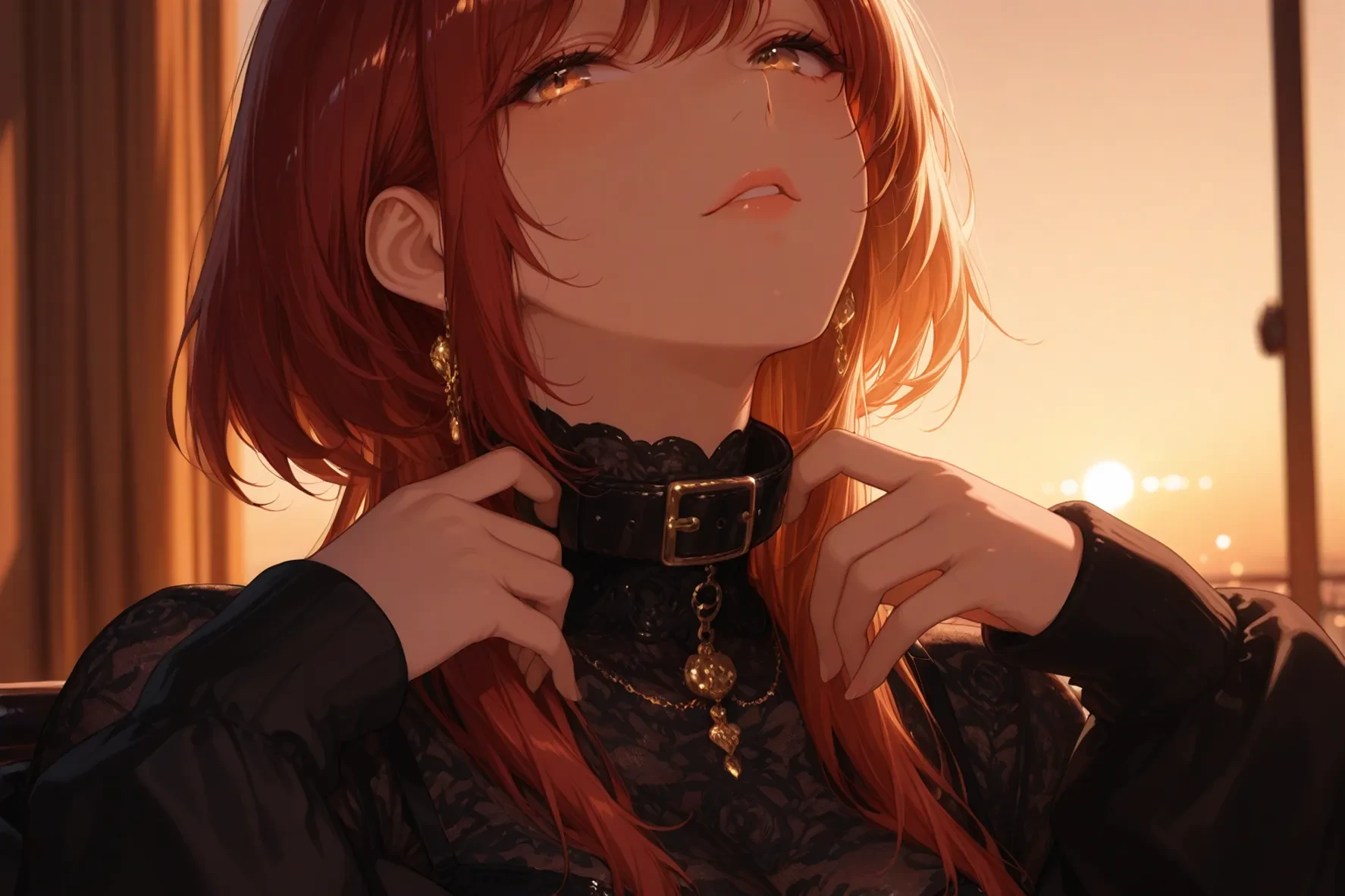
11. Upper Body
Definition: From head to waist.
Tip: Include gestures and clothing details for visual balance.
How to Use: Good for casual shots, fashion, or upper-body interaction (e.g. hands holding object).
Example Prompt (Booru Style):
1girl, upper body, soft pose, hands near collar, layered clothing, golden hour lighting
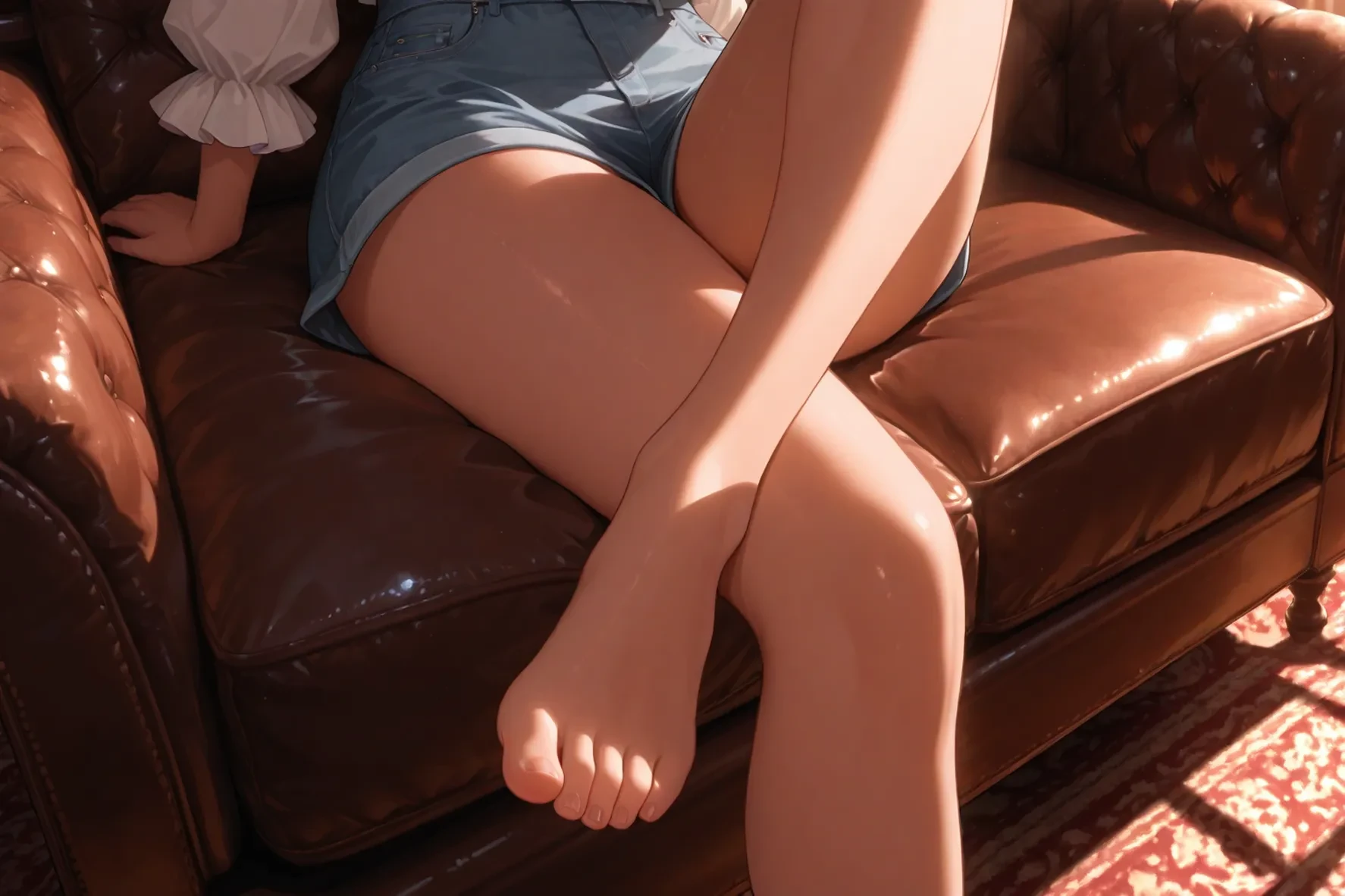
12. Lower Body
Definition: From waist down.
Tip: Focus on pose, weight shift, and clothing flow.
How to Use: Best for shots focused on walking, footwear, or seated movement.
Example Prompt (Booru Style):
1girl, lower body, sitting on sofa, legs crossed, relaxed posture, ? feet, indoor soft lighting, casual outfit, cozy room background
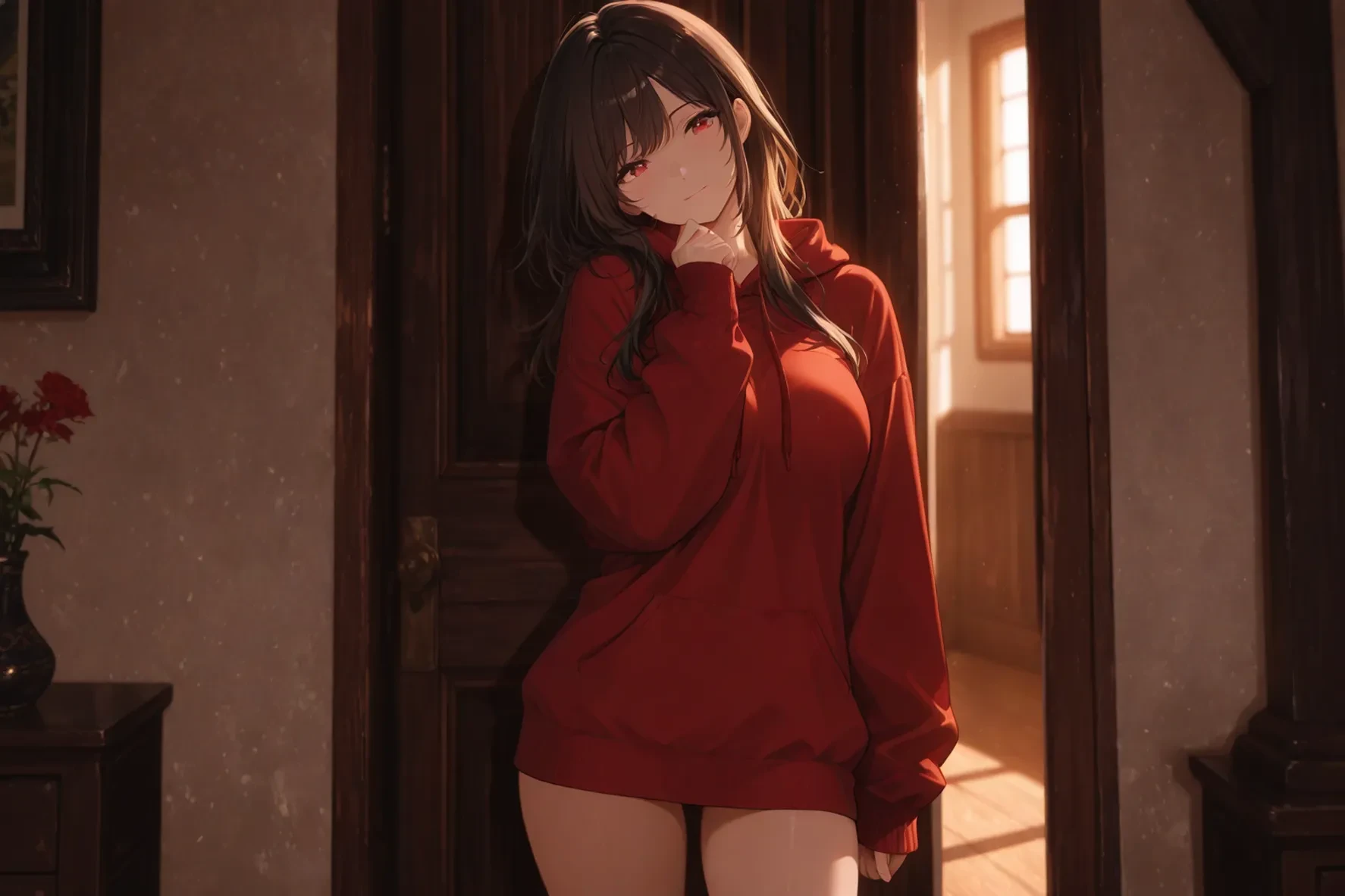
13. Cowboy Shot
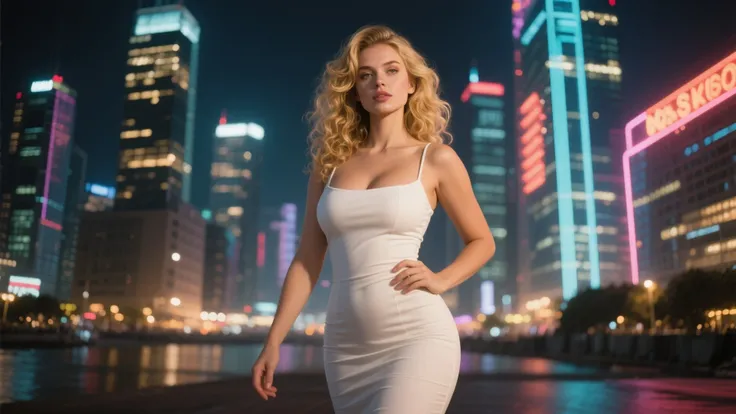
Definition: Mid-thigh frame.
Tip: Good for stance and subtle movement.
How to Use: Great for assertive or stylish poses, fashion, or cinematic framing.
Example Prompt (Booru Style):
1girl, cowboy shot, confident stance, hip tilt, rustic background, cinematic side lighting
14. Feet Out of Frame
Definition: Entire body shown except toes or heels.
Tip: Use soft crop and avoid tension at bottom of frame.
How to Use: Works for grounded poses, especially when feet aren't a point of interest.
Example Prompt (Booru Style):
1girl, feet out of frame, standing in sunlight, hands behind back, dreamy vibe
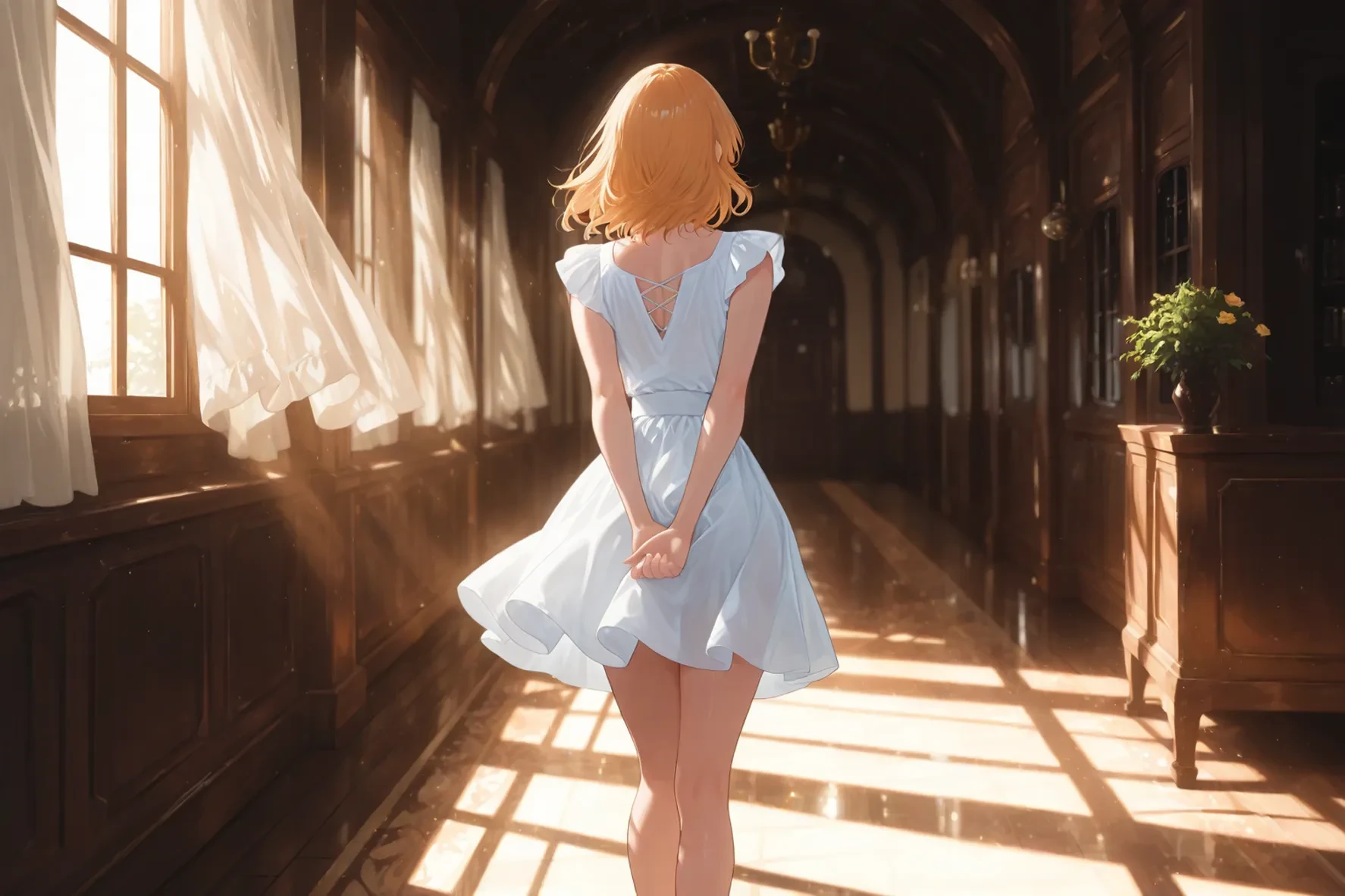
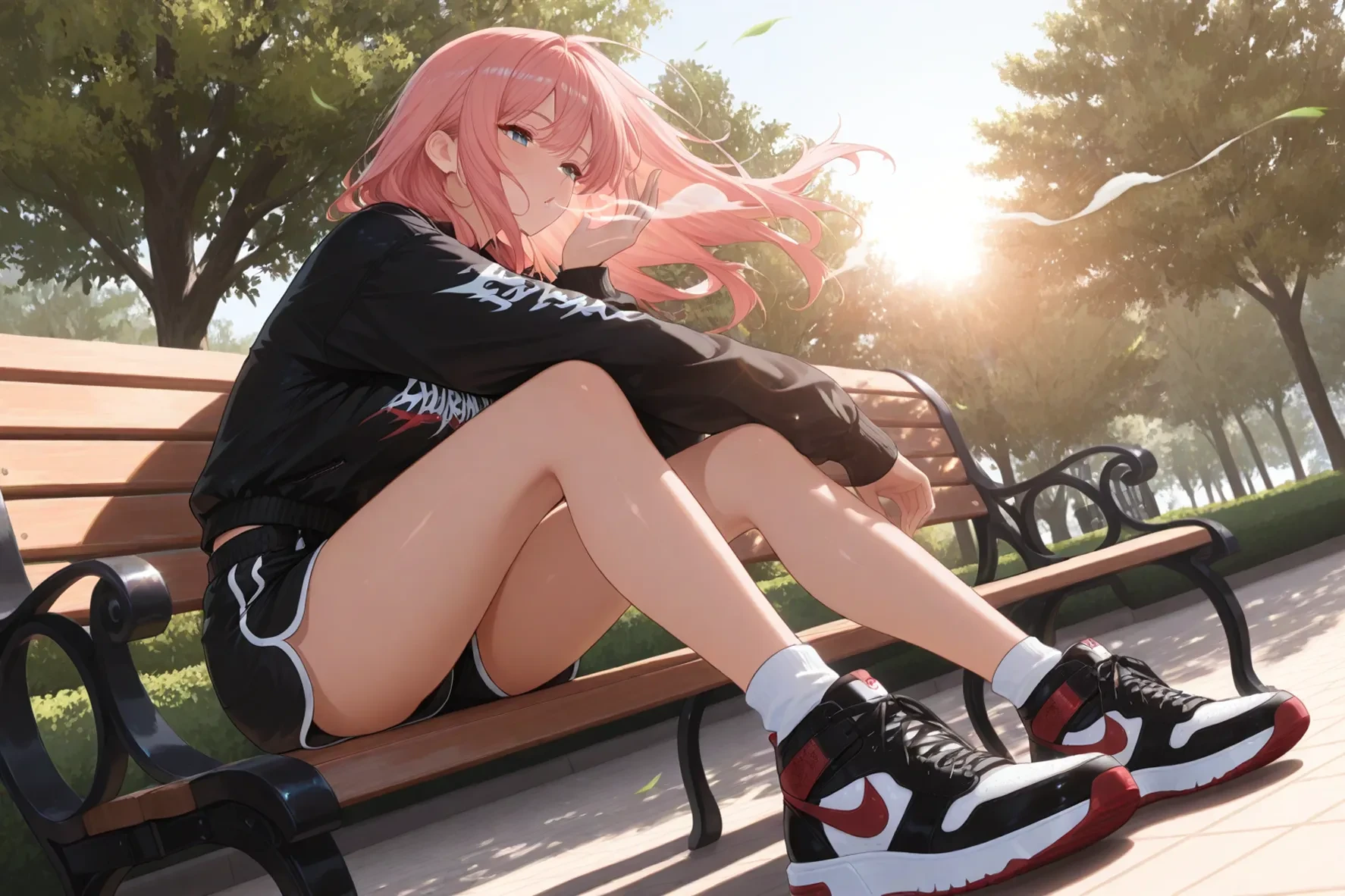
15. Full Body
Definition: Subject shown from head to toe.
Tip: Balance the full form with background to avoid crowding.
How to Use: Use when showing entire outfit, posture, or dance/movement.
Example Prompt (Booru Style):
1girl, full body, sitting on bench, relaxed stance, legs stretched slightly, blowing wind, streetwear, clear daylight, park background
16. Wide Shot
Definition: Full body with environment shown.
Tip: Use background to support the subject’s mood or activity.
How to Use: Great for storytelling, worldbuilding, or environmental portraits.
Example Prompt (Booru Style):
1girl, wide shot, in park, full body visible, trees and sunlight, peaceful expression

17. Very Wide Shot
Definition: Subject is small within a large scene.
Tip: Keep the subject recognizable through silhouette or color contrast.
How to Use: Use for grand scale, isolation, or cinematic storytelling.
Example Prompt (Booru Style):
1girl, very wide shot, standing on cliff, vast sky above, small silhouette

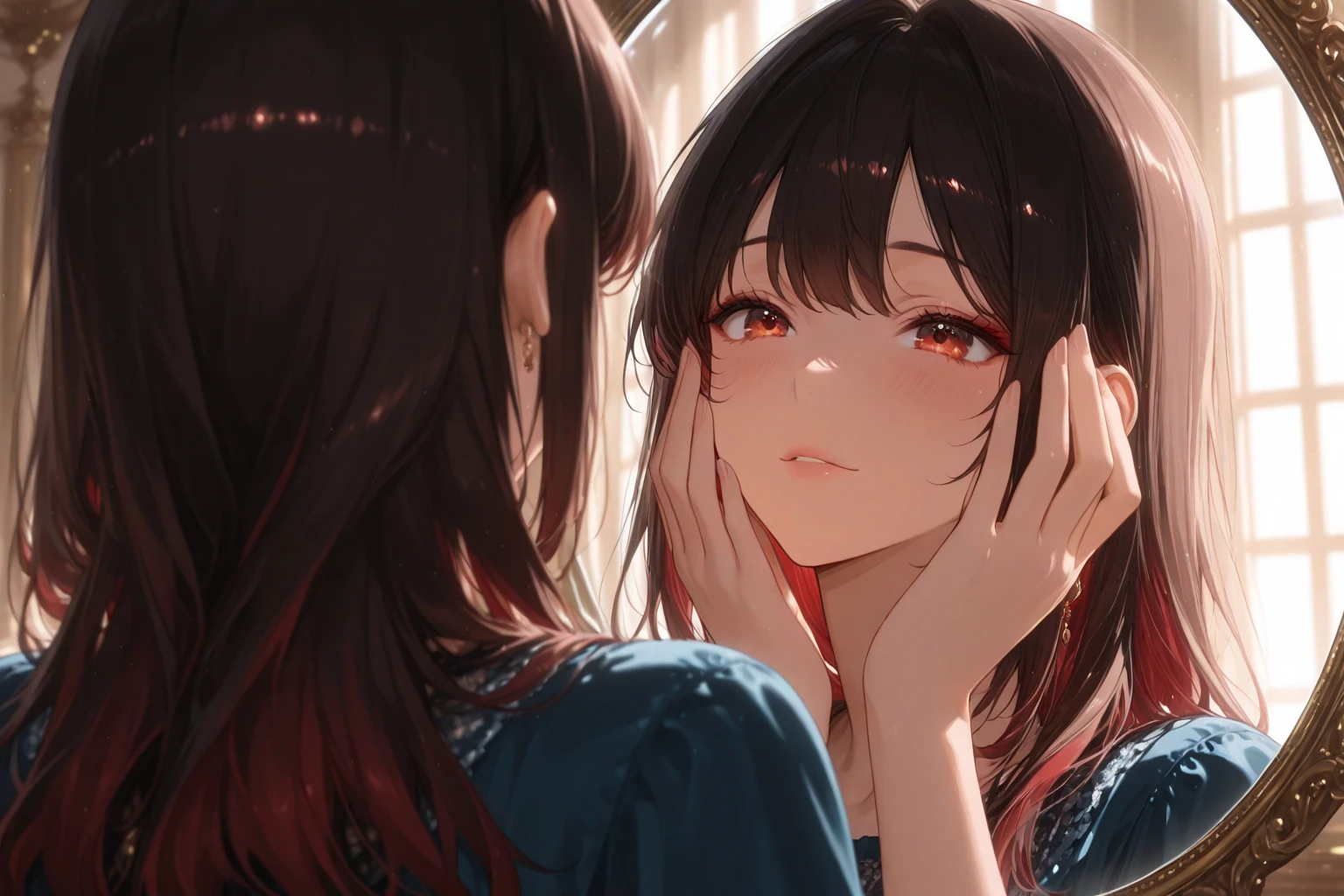
18. Multiple Views
Definition: Multiple versions or reflections of the subject appear in the frame.
Tip: Use glass, mirrors, or shadows to construct the effect.
How to Use: Ideal for surreal, conceptual, or duality-themed images.
Example Prompt (Booru Style):
1girl, multiple views, mirror reflections, soft indoor light, emotional layering
19. Profile
Definition: Subject shown from the side (90° angle).
Tip: Use strong lighting or silhouetting to define the outline.
How to Use: Works best in elegant, contemplative, or motionless scenes.
Example Prompt (Booru Style):
1girl, side profile, hair flowing, dramatic lighting ?

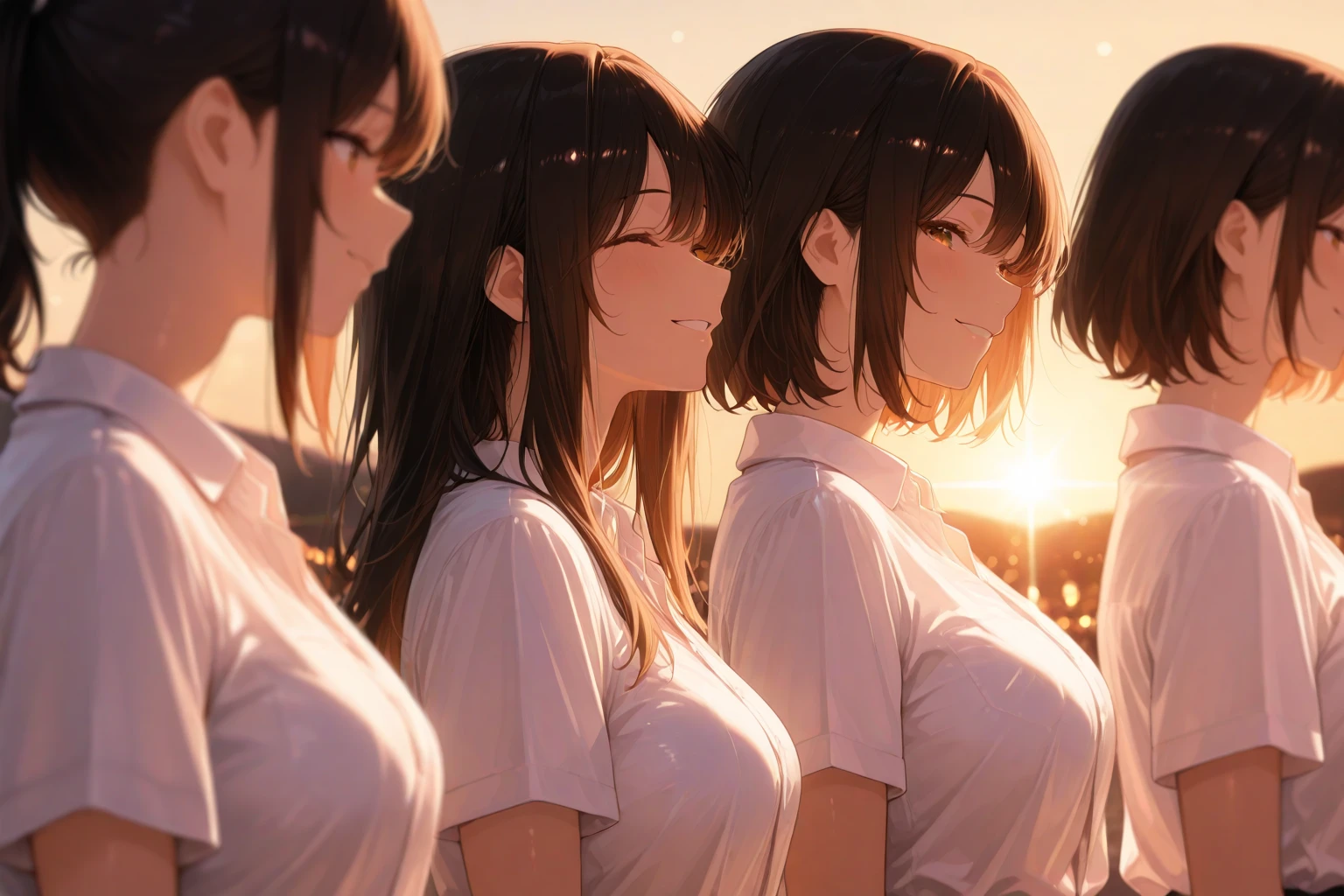
20. Group Profile
Definition: Two or more figures shown in side view.
Tip: Use staggered poses or walking rhythm for visual flow.
How to Use: Best for relationship shots, emotional storytelling, or coordinated action.
Example Prompt (Booru Style):
2girls, group profile, upper body, standing side by side, laughing together, warm sunlight, summer evening, soft background blur
21. Split Crop
Definition: Subject is partially cropped with a strong division (e.g. half face).
Tip: Use contrasting light, colors, or themes across each side.
How to Use: Great for duality, inner conflict, or artistic compositions.
Example Prompt (Booru Style):
1girl, split crop, half face out frame , half in warm light, surreal atmosphere, abstract background, high contrast lighting, expressionless, minimalist color palette
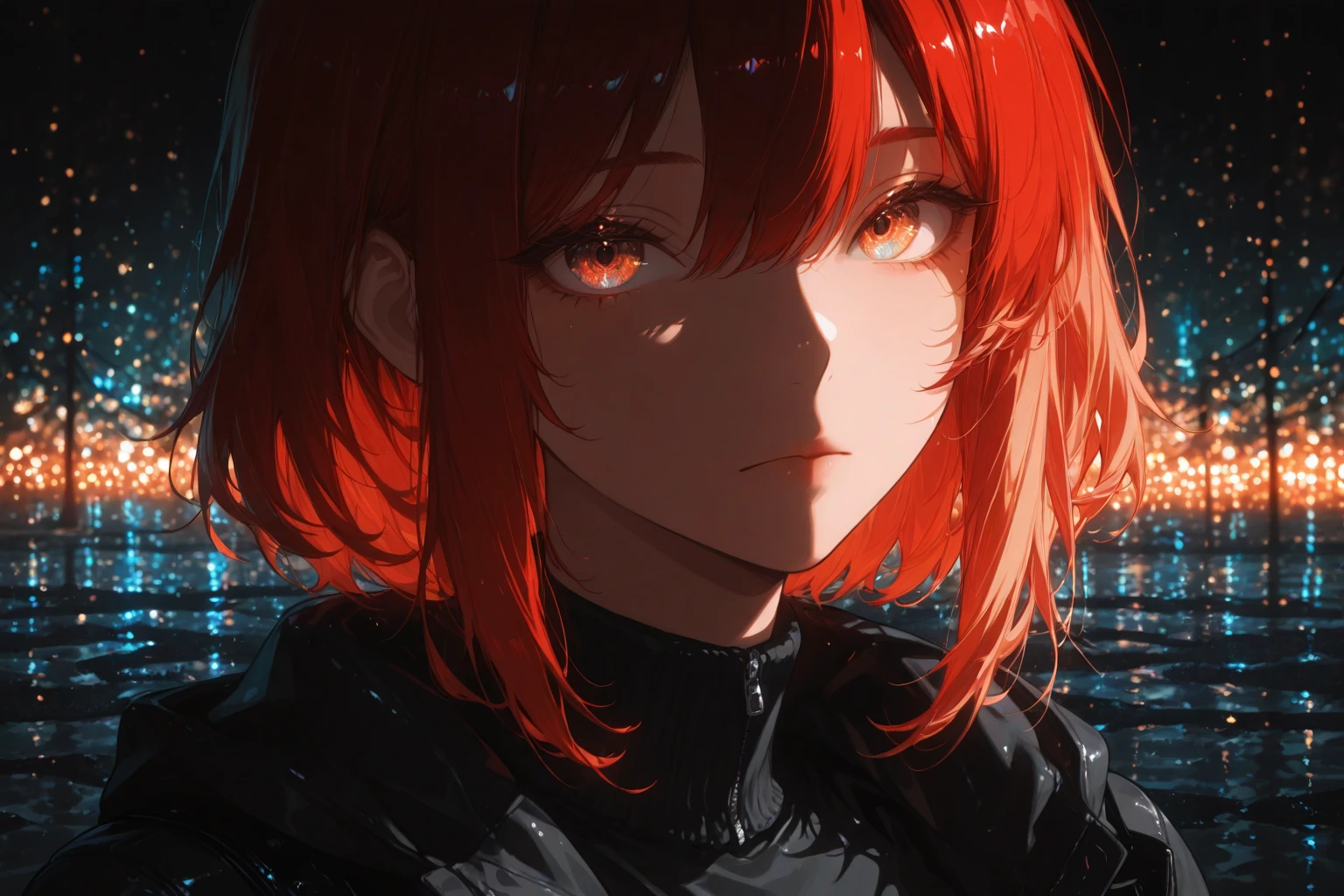
Why Framing the Body Matters
Framing the body is one of the most powerful compositional tools in visual storytelling. It's not just about how much of the subject is shown it's about how the viewer perceives emotion, narrative importance, intimacy, and atmosphere. The choice of framing sets the emotional distance between the viewer and the character.
1. Controls Emotional Proximity
• Close framing (e.g. close-up, portrait) creates a feeling of intimacy, intensity, or vulnerability.
• Wide framing (e.g. full body, very wide shot) creates emotional distance, context, or a sense of isolation or scale.
Example: A close-up of teary eyes makes us feel what the character feels. A wide shot of the same character on a beach makes us think about their place in the world.
2. Directs Viewer Attention
Framing decides what the viewer looks at first, and how long they linger.
• Cropped details like hands or lips (cut-ins) emphasize subtle emotions.
• Full body shots let posture, clothing, or stance become the focal point.
3. Enhances Storytelling
Each framing type offers different narrative cues:
• Cowboy shots imply readiness or confrontation.
• Lower body framing can convey motion or direction.
• Split crops hint at duality or fragmentation of identity.
By choosing the right frame, you guide the tone of the story even before the viewer reads the expression.
4. Creates Visual Rhythm
Framing variation keeps images visually dynamic. When composing a scene or sequence (e.g. for a comic, storyboard, or slideshow), changing framing from shot to shot prevents repetition and maintains attention.
5. Communicates Style and Genre
Different framings are associated with different genres:
• Close-ups + soft lighting = romance or beauty
• Split crops + shadows = psychological or artistic
• Very wide shots = epic, sci-fi, isolation themes
Framing helps communicate not just the subject—but the genre and emotion behind them.
6. Supports Prompt Precision in AI Art
In AI-generated images, especially with models like Stable Diffusion specifying body framing in prompts (e.g. close-up, upper body, cowboy shot) increases control over the result:
• It reduces randomness
• Helps structure the image
• Aligns pose and background
• Enhances consistency across multiple outputs
Instead of hoping the model chooses the right shot, you're telling it exactly where the camera is and how much to show.
In Summary:
Framing the body is a creative decision with technical and emotional power. It shapes:
• What you show
• How it’s seen
• What it means to the viewer
Prompt-Building Tip Sheet: Framing the Body Edition
Use this structure to build strong, cinematic prompts that control how much of the subject's body is shown and what emotional tone it creates.
A. Prompt Structure:
[Subject], [Framing Type], [View Angle], [Depth Cue], [Lighting], [Scene Context]
B. Example Prompt:
1girl, full body, ?, background fading into mist, rim lighting, standing in foggy forest
C. Breakdown of Each Element:
• Subject: Who is in the image? (e.g. 1girl, 2girls, boy in suit, ghostly figure)
• Framing Type: How much of the body is shown? (e.g. close-up, cowboy shot, upper body, head out of frame)
• View Angle: What is the camera angle? (e.g. from above, from below, side profile, straight-on)
• Depth Cue: How is space conveyed? (e.g. shallow depth of field, vanishing lines, soft background blur)
• Lighting: What lighting style is used? (e.g. backlight, soft shadows, studio lighting, sunset light)
• Scene Context: Where or when is the subject? (e.g. on rooftop at dawn, in classroom, on empty road, underwater)
D. Framing-Based Prompt Example List:
• 1girl, cropped torso, side profile, soft blur in background, rim lighting, standing by window
• 2girls, group profile, eye level view, scattered depth layering, warm sunset, walking side by side on beach
• 1girl, cut-in (hands only), straight-on angle, shallow depth, indoor soft light, holding a glowing orb
• 1girl, full body, low angle, vanishing lines in hallway, soft rim lighting, school corridor
• 1girl, head out of frame, slightly from above, soft background fade, morning indoor light, seated on bed
E. Quick Tips:
• Choose framing first this determines how much emotion, detail, or action will be visible.
• Combine it with a view angle to enhance power or intimacy.
• Add lighting and scene context last to evoke mood or story.
Thanks for Reading
Thank you for exploring this guide on Framing the Body in AI Art. I hope it’s helped you better understand how body framing impacts not just how much you show but how your viewer feels, what they notice, and what kind of visual story you’re telling.
Framing is more than a technical setting it’s a storytelling decision. Every choice, from a close-up to a wide shot, shifts the emotional distance, focus, and atmosphere of the image. Just like lighting and camera angle, framing shapes intentional composition and viewer experience.
As you continue creating, consider:
• How close should the viewer feel to the subject?
• What part of the body best expresses the emotion or action?
• Does this framing support the mood, gesture, or context?
All example prompts in this guide were tested using the Lily-Illustrious + LoRa Girls Illustration 蛍 -hotaru- model. Your results may vary depending on the model, sampler, and tag interpretation.
For best results: Adapt your prompt and framing language to match the behavior of the model you're using.
If some examples feel a little rough, thank you for your understanding I'm working within the limits of resources, but my goal is to share foundational concepts that help you grow your own visual language.
Contact
Have feedback, questions, or want to collaborate?
Discord → @LucyMocchi
Stay creative and frame with intention.