
Mastering Lighting in AI Art: A Complete Professional Tutorial
Control Mood, Depth, and Atmosphere with Expert Prompting Techniques
Lighting is more than brightness it's storytelling. In AI-generated art, proper lighting determines how your subject is shaped, how your scene feels, and how your audience emotionally connects to the image. This comprehensive guide teaches you how to control lighting through prompts from direction and time of day to specific light sources and visual effects.
1. Why Lighting Is Essential in AI Art
Lighting is one of the most powerful tools in visual storytelling especially in AI-generated art. It's more than just brightness; it shapes the entire emotional and visual experience of your image. Mastering how you describe lighting in your prompts can elevate your results from flat or generic to cinematic, expressive, and immersive.
Here’s why lighting matters so deeply:
• Form – Defines Shape and Volume
Lighting reveals the shape, depth, and structure of your subject. It sculpts the face, outlines curves, and adds dimensionality. The direction and softness of the light determine whether your character looks flat or realistically modeled.
• Mood – Sets the Emotional Tone
Warm or cool? Harsh or soft? Bright or dim?
Light temperature and intensity dramatically affect how a scene feels. A warm, soft light evokes comfort or romance. A cold, hard light may feel clinical, lonely, or intense.
• Narrative – Tells the Story Visually
Lighting indicates time of day, emotional beats, danger, serenity, or intimacy without needing words. For example, backlighting at sunset might imply farewell or change, while candlelight in darkness may suggest vulnerability or reflection.
• Focus – Guides the Viewer’s Eye
Strategic lighting draws attention to key features faces, gestures, or dramatic moments. Highlights and shadows act like visual arrows, leading the viewer exactly where you want them to look.
• Style – Defines the Artistic Aesthetic
Lighting can make your scene feel realistic, cinematic, dreamy, noir, painterly, or even surreal. It’s the difference between a bland render and an image with atmosphere, identity, and polish.
📝 Note: In AI art, lighting is both a technical and artistic choice. By learning to control light intentionally through prompts, model choice, and visual language you unlock a new level of expression.
2. Directional Lighting – Where Light Hits the Subject
Definition: Directional lighting refers to how light strikes the subject from a specific angle above, below, behind, or the side. This dramatically influences the mood, shape, and depth of your image. It’s essential for adding realism, contrast, and visual storytelling to your AI-generated scenes.
• Backlighting
Definition: Light comes ? the subject and faces toward the camera. Often used to produce glowing edges or dramatic silhouettes.
Visual Use: Emotional distance, magical aura, cinematic separation.
Prompt:
1girl, glowing backlight from sunset, rim lighting along hair and shoulders, soft atmospheric haze, cinematic silhouette
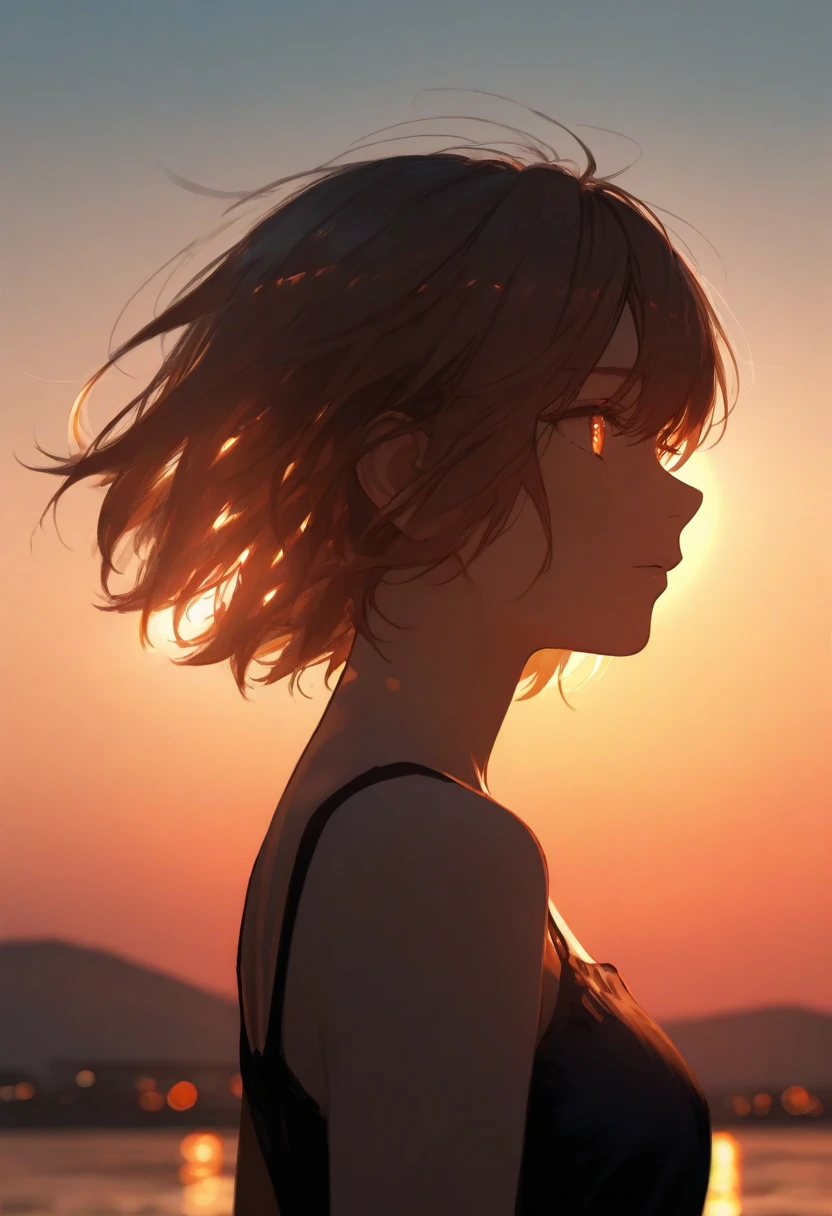
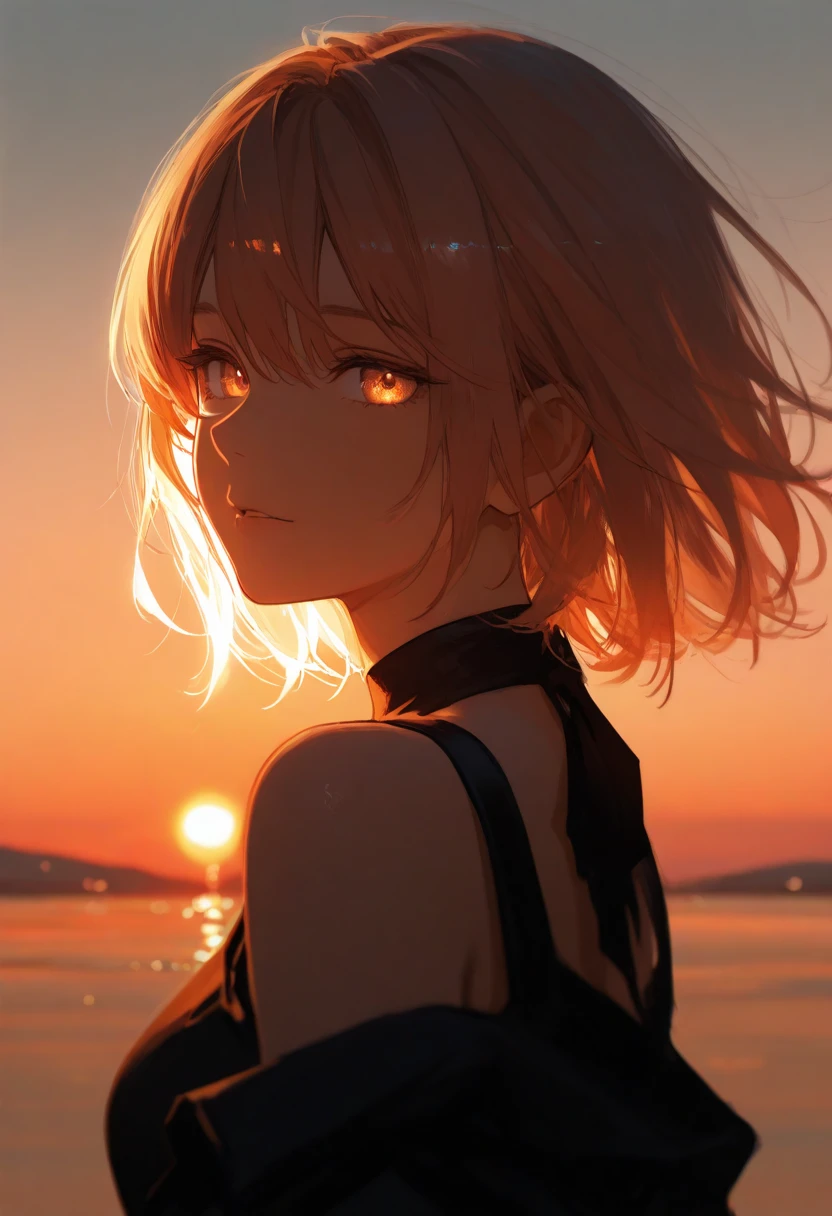
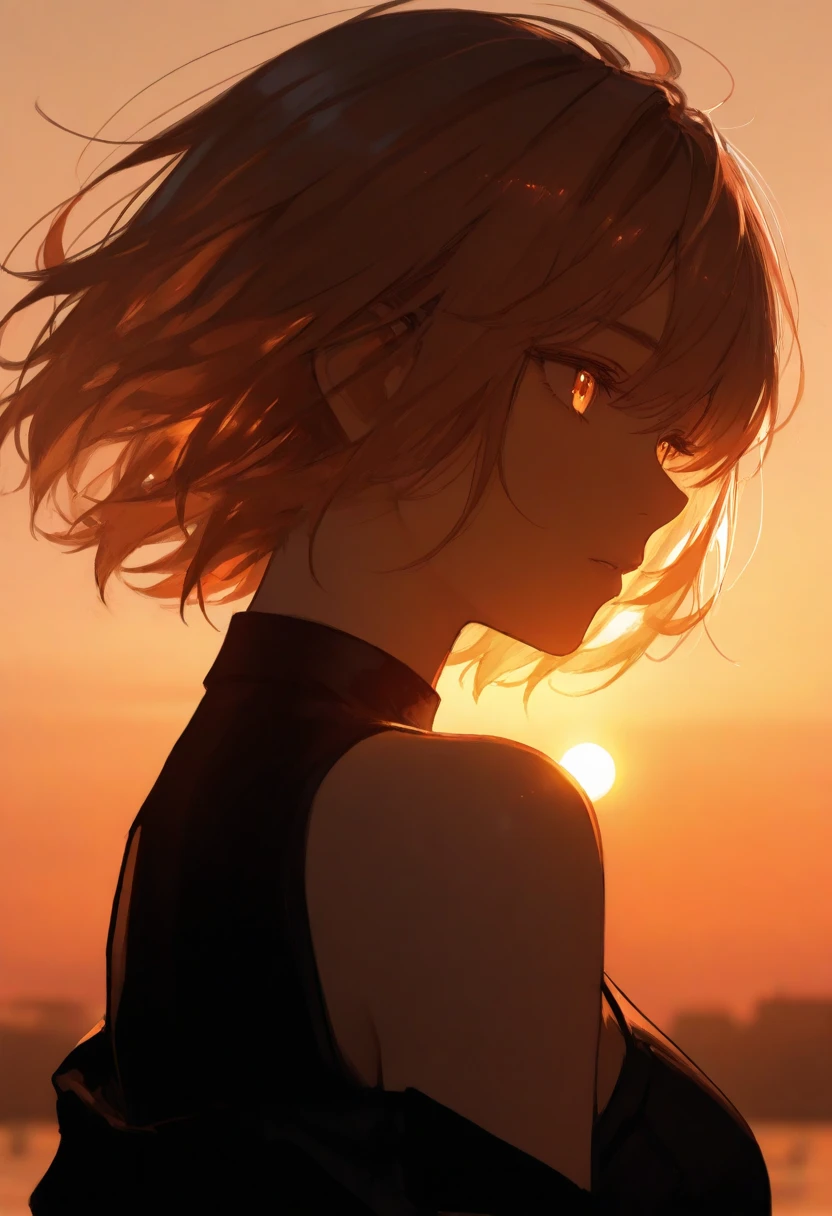
📝 Note: Use terms like “rim lighting”, “backlit hair”, or “sunset behind subject” to create a natural glow. Fog or mist enhances the visual separation.
• Sidelighting

Definition: Light hits from either the left or right side, casting deep shadows and highlighting form.
Visual Use: Dramatic portraits, high emotional contrast, chiaroscuro.
Prompt:
1girl in moody sidelighting, one half of face in shadow, high contrast lighting, painterly shadows, cinematic tone
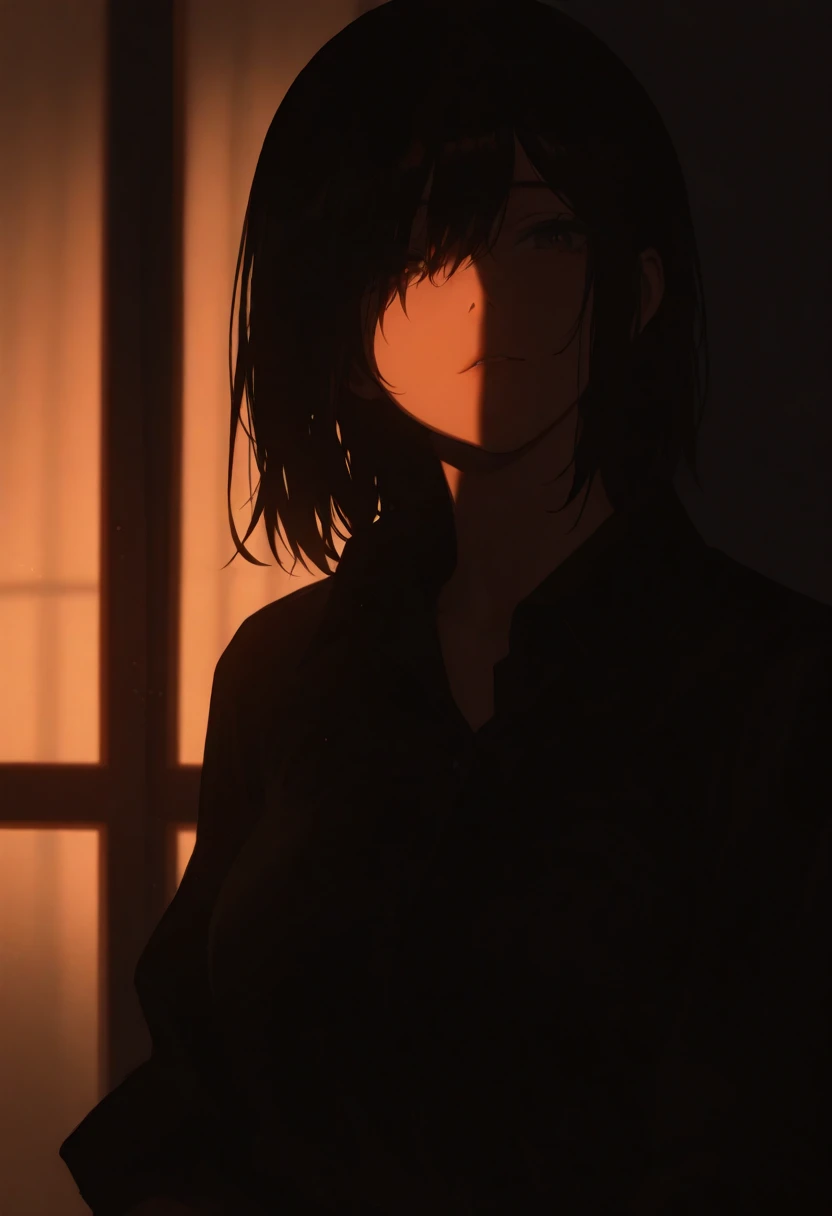
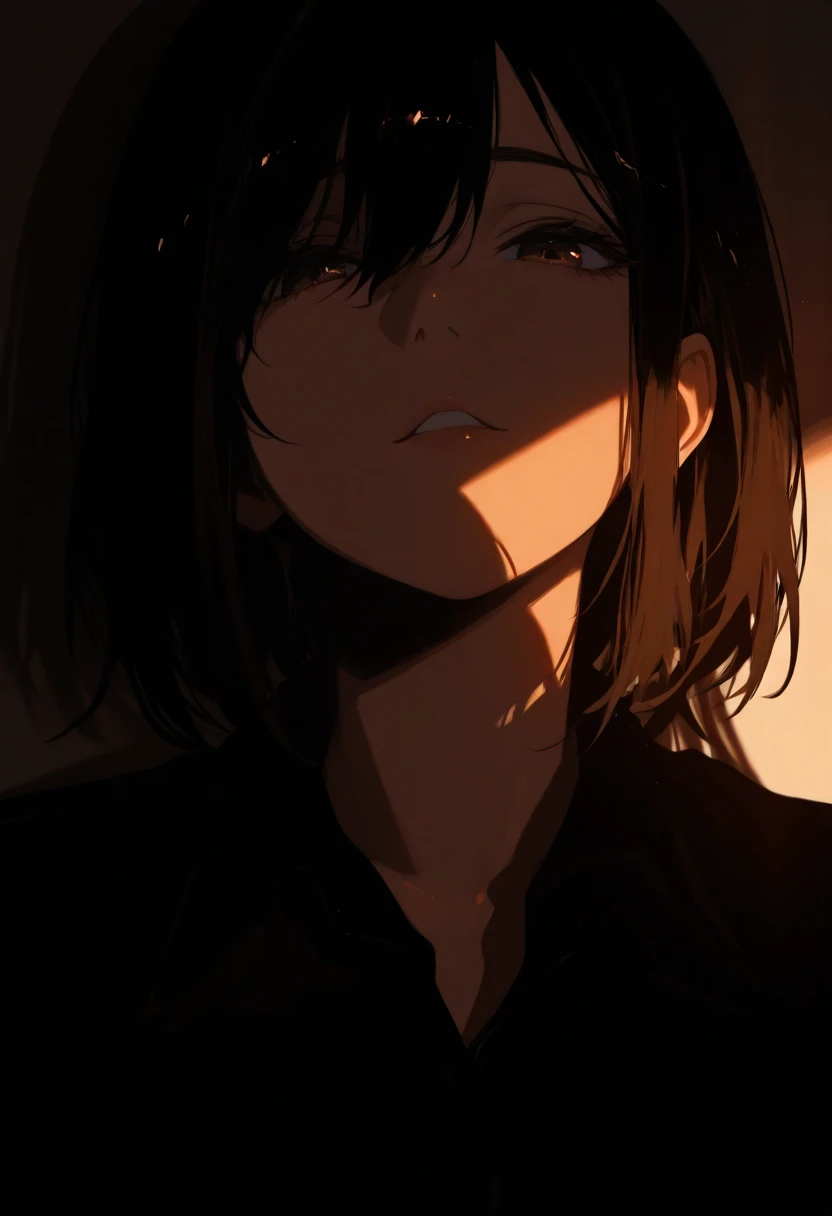
📝 Note: Keywords like “chiaroscuro”, “side-lit face”, or “dramatic shadows” work well in noir or character-driven prompts.
• Underlighting
Definition: Light comes from below the subject, often creating eerie or unnatural looks.
Visual Use: Horror scenes, mystery settings, fantasy glow.
Prompt:
1girl, mysterious underlighting from glowing object, upward shadows across face, enchanted atmosphere, low ambient light
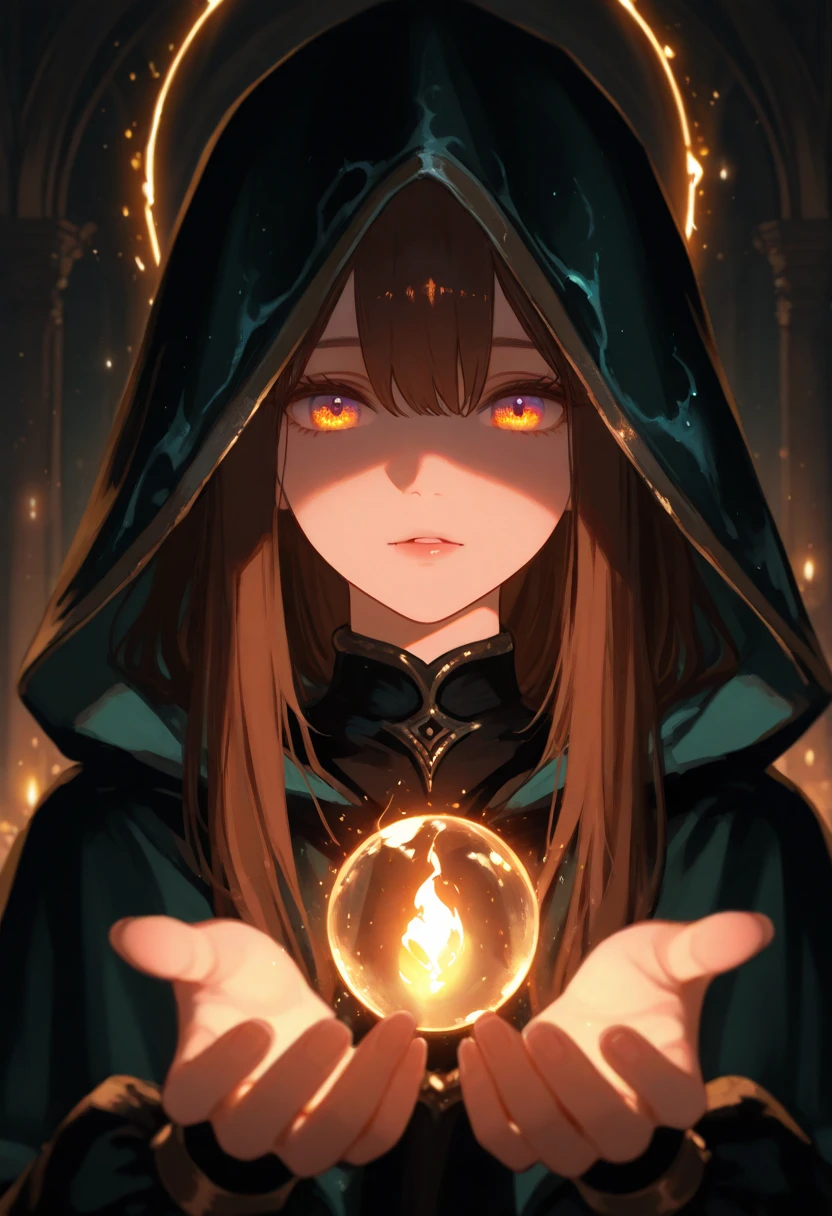
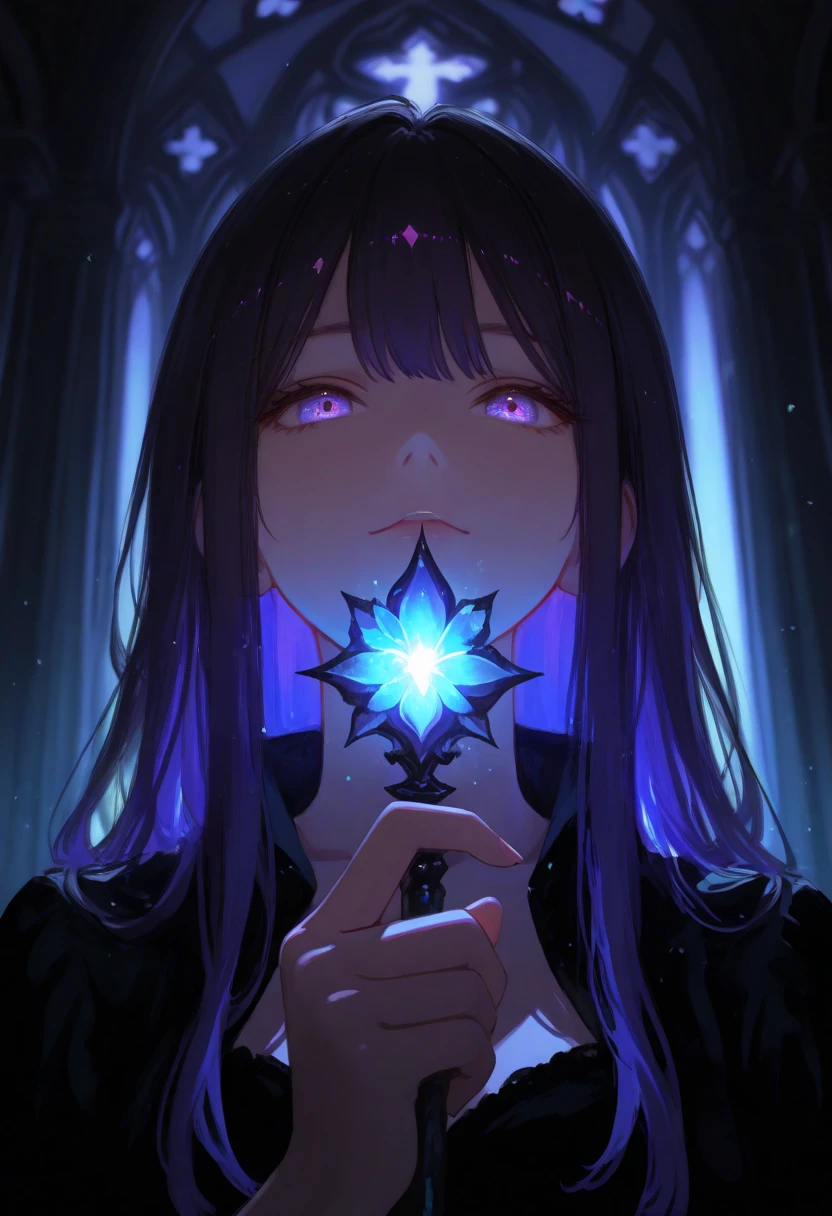
📝 Note: Ideal when combined with “magical glow”, “light from book or lantern”, or “unnatural shadows”.
• Top Lighting
Definition: Light from directly overhead, like midday sun or ceiling lights. It creates shadows beneath the chin, eyes, and nose.
Visual Use: High realism, dramatic tension, top-down focus.
Prompt:
1girl, strong top lighting, defined shadows under cheeks and brow, neutral background, intense overhead spotlight
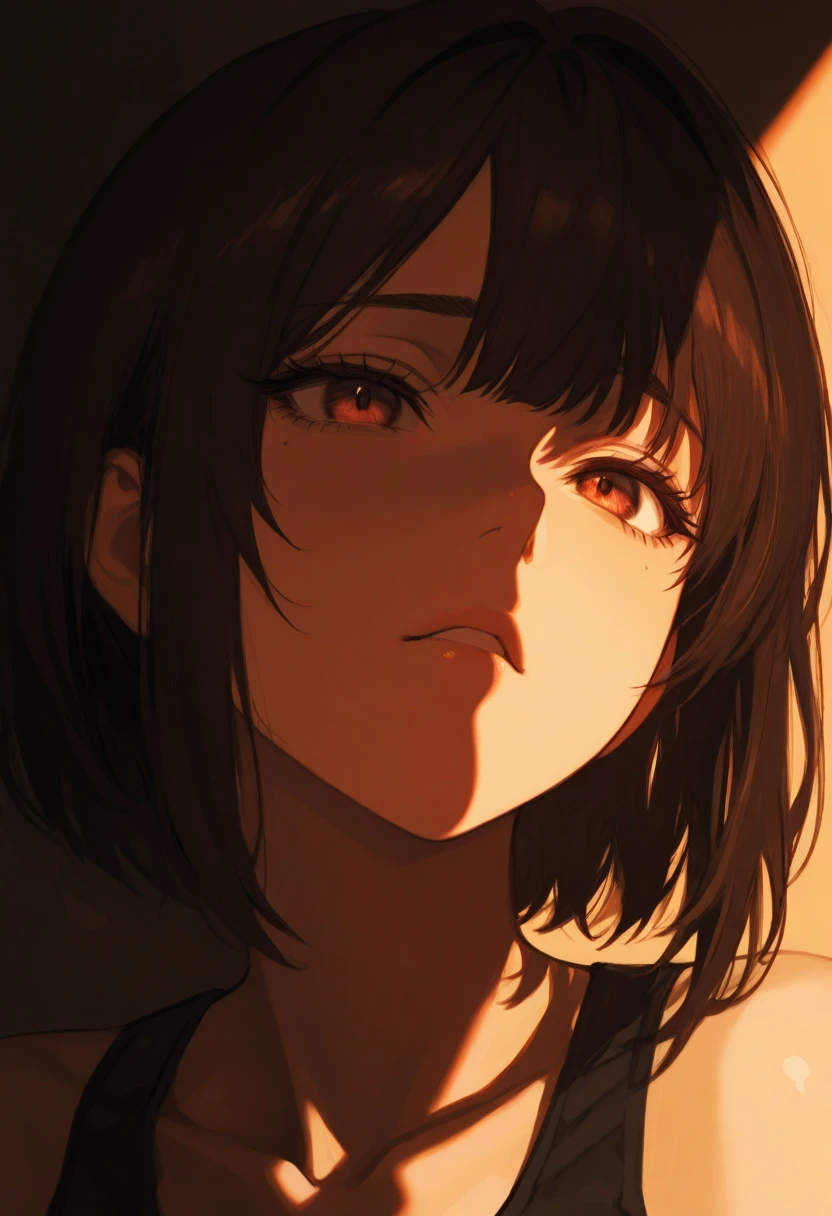
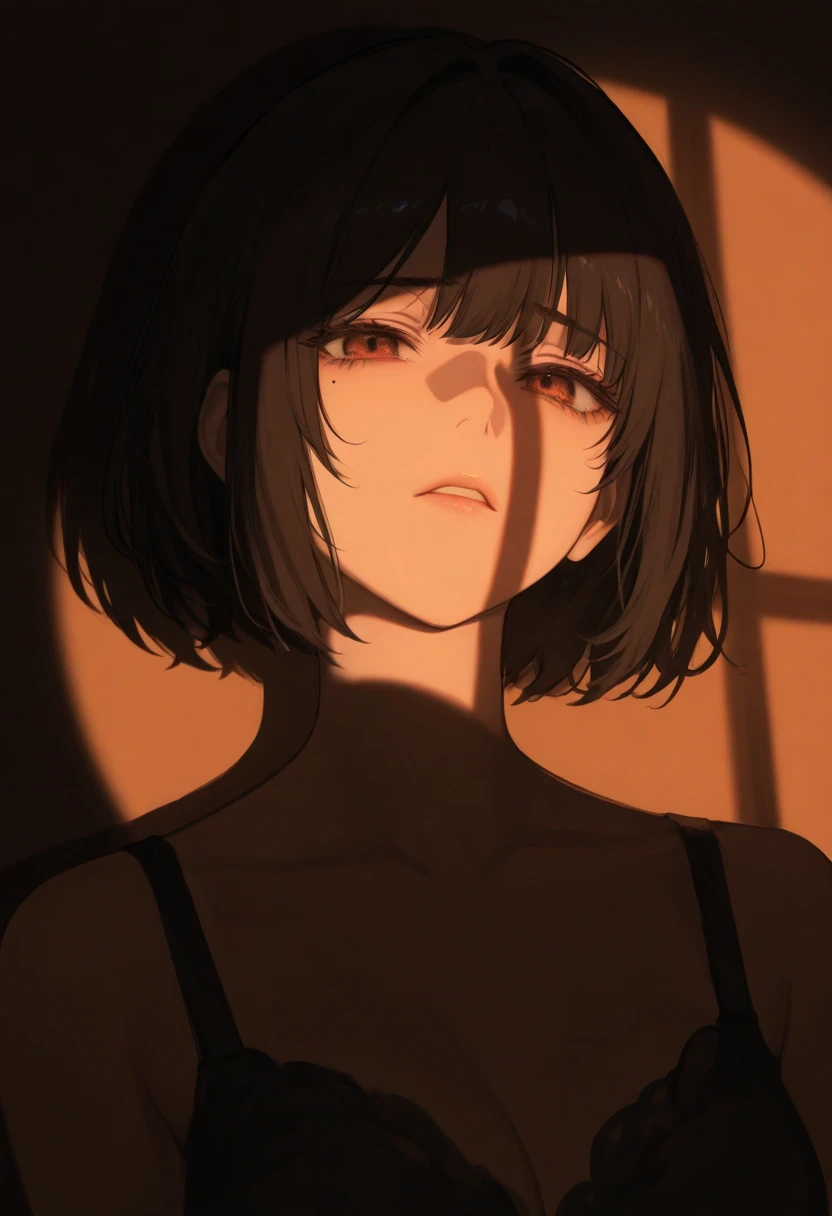
📝 Note: Add phrases like “overhead shadows”, “top-down illumination”, or “realistic top light” for enhanced realism.
• Front Lighting
Definition: Light from the front evenly illuminates the subject, softening shadows and reducing contrast.
Visual Use: Beauty photography, clean portraits, gentle moods.
Prompt:
1girl with soft front lighting, smooth skin texture, minimal shadows, bright studio tone, pastel background
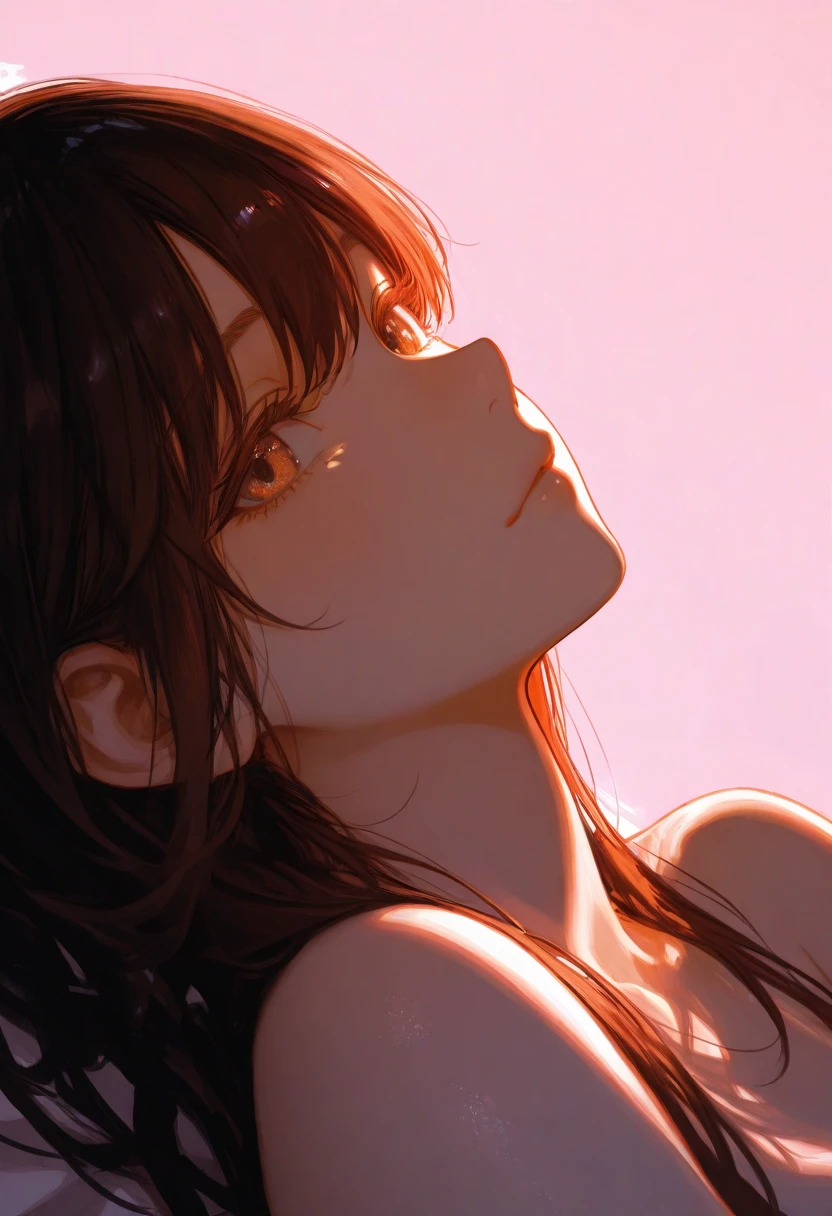
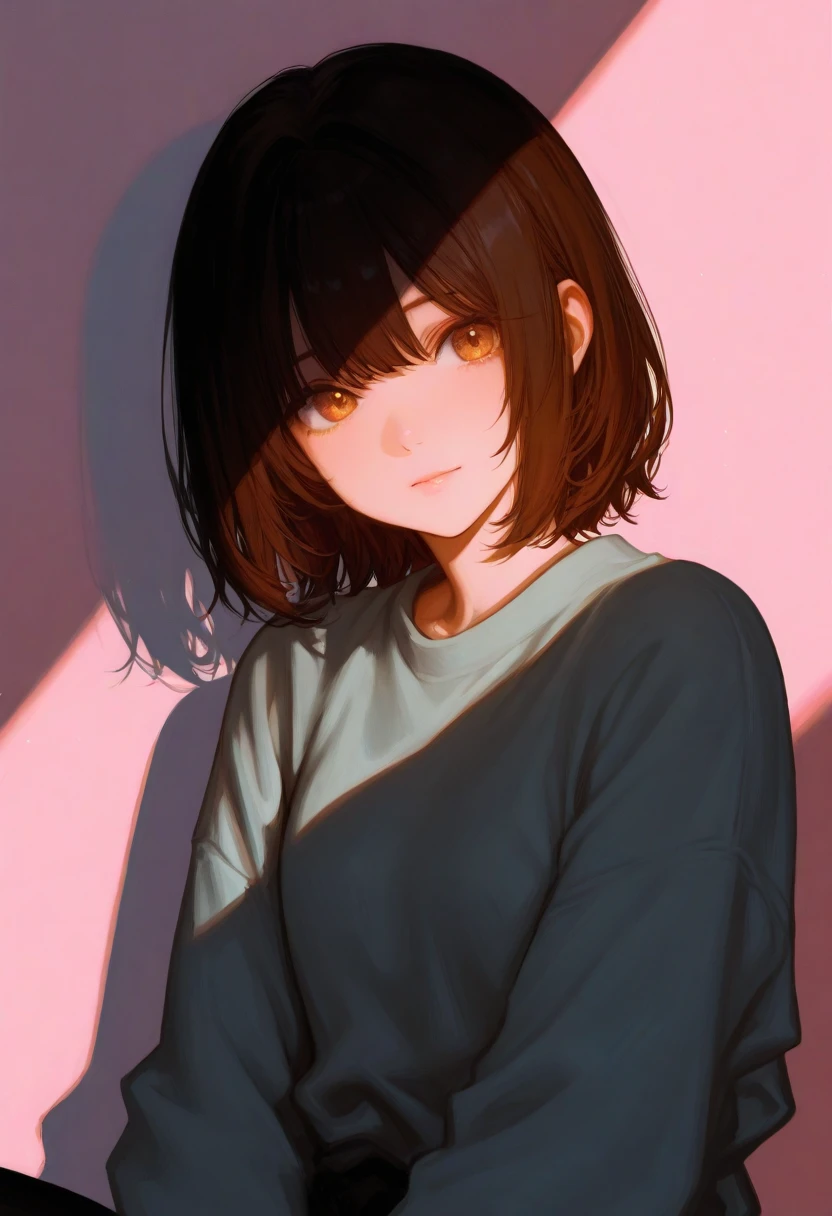
📝 Note: Use “even lighting”, “gentle front light”, or “portrait illumination” when clarity and softness are the goal.
• Backdrop Glow (Advanced)
Definition: A diffused light source behind the subject that creates soft background separation without forming a silhouette.
Visual Use: Cinematic dreaminess, fantasy fog, subtle separation.
Prompt:
1girl with ambient backdrop glow, misty cinematic background, diffused rear light, soft contour separation, ethereal tone
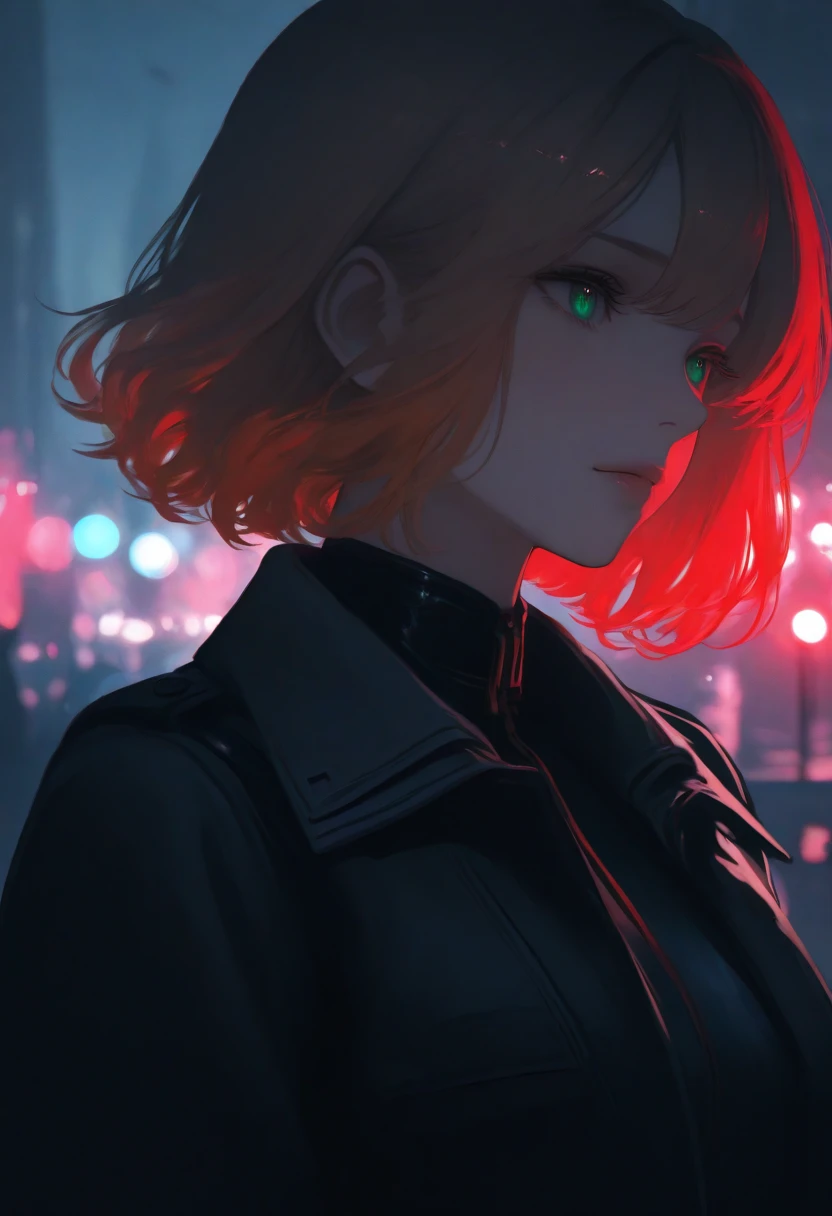
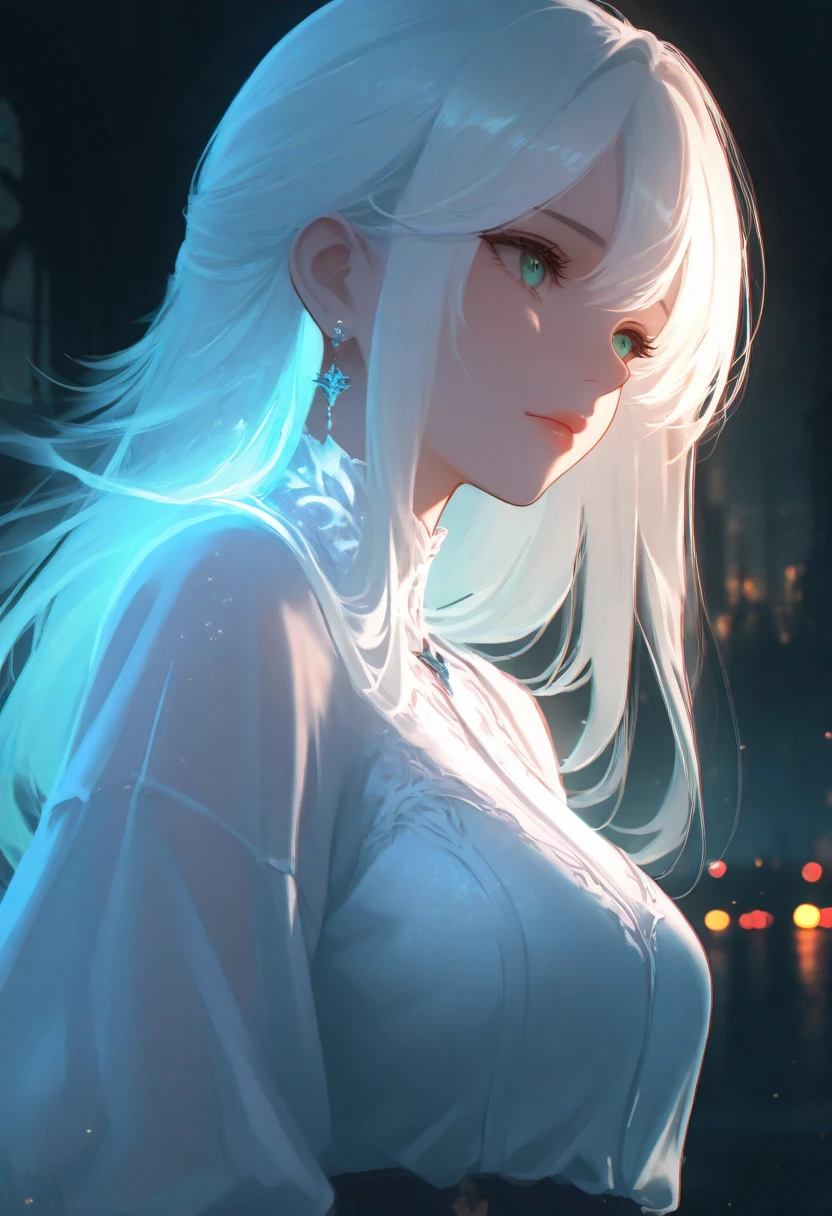
📝 Note: Great with “foggy lighting”, “hazy glow”, or “ambient mist”. Avoid sharp contrast to maintain softness.
3. Time-of-Day Lighting – Set the Atmosphere
Definition
Definition: Lighting changes dramatically throughout the day. Each time period carries unique color temperatures, shadow lengths, and emotional tone. Understanding this allows you to suggest specific moods or story beats in your AI art prompts by simply referencing the time.
• Morning
Definition: Early post-sunrise light with cool, pastel tones and long, soft shadows.
Visual Use: Freshness, peace, gentle beginnings.
Prompt:
1girl walking through pastel morning light, soft blue and pink sky, long gentle shadows, fresh breeze, calm facial expression
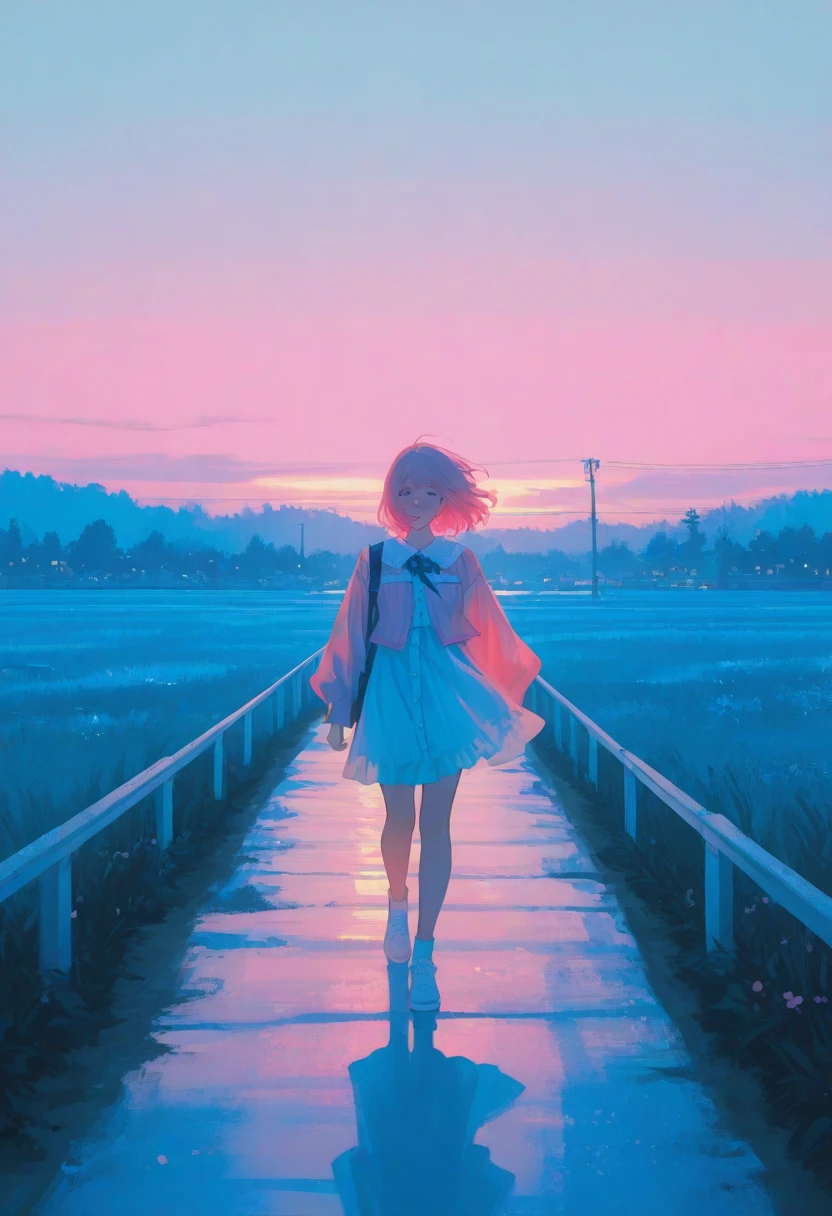
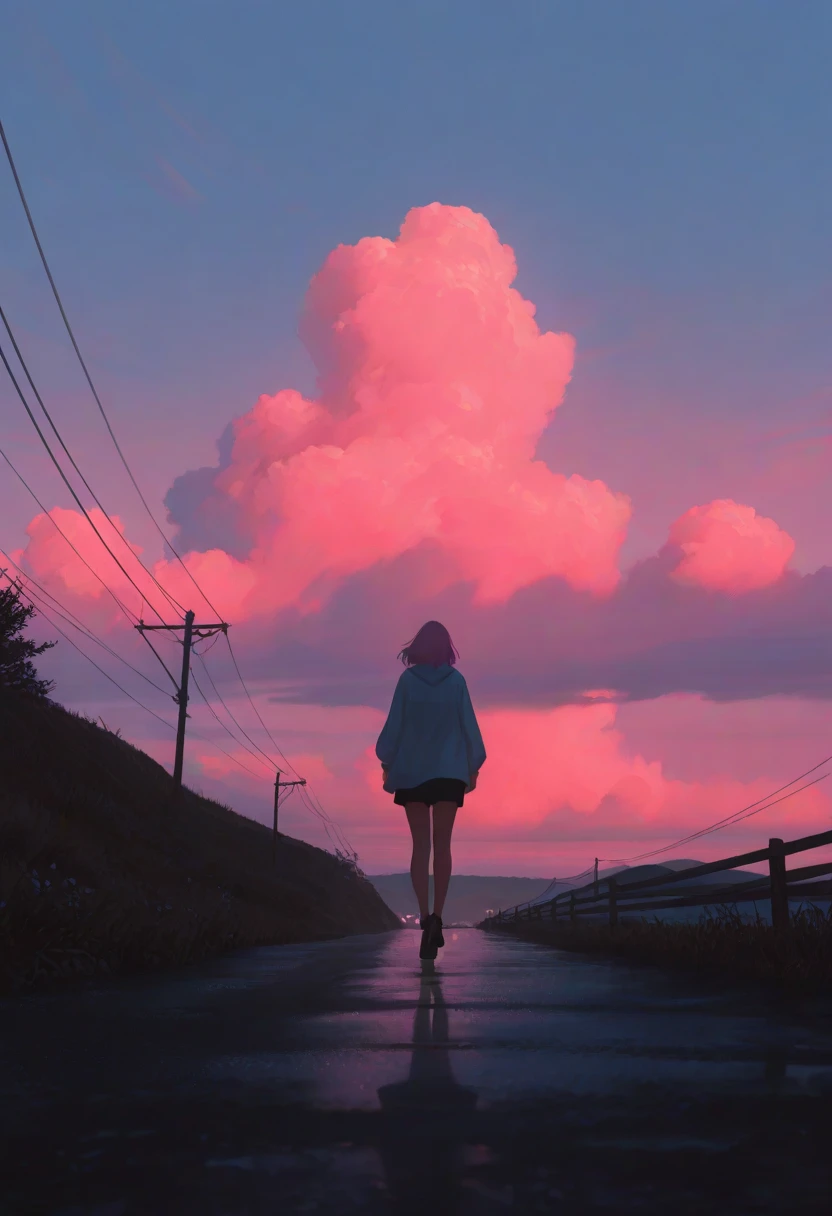
📝 Note: Use “pastel sky”, “morning atmosphere”, or “soft light with long shadows” for calm and optimistic scenes.
• Sunrise
Definition: Light right as the sun rises; rich golden-pink hues and low angle illumination.
Visual Use: Emotional warmth, hope, transformation.
Prompt:
1girl illuminated by sunrise glow, golden light touching face, soft pink-orange atmosphere, peaceful expression, horizon behind
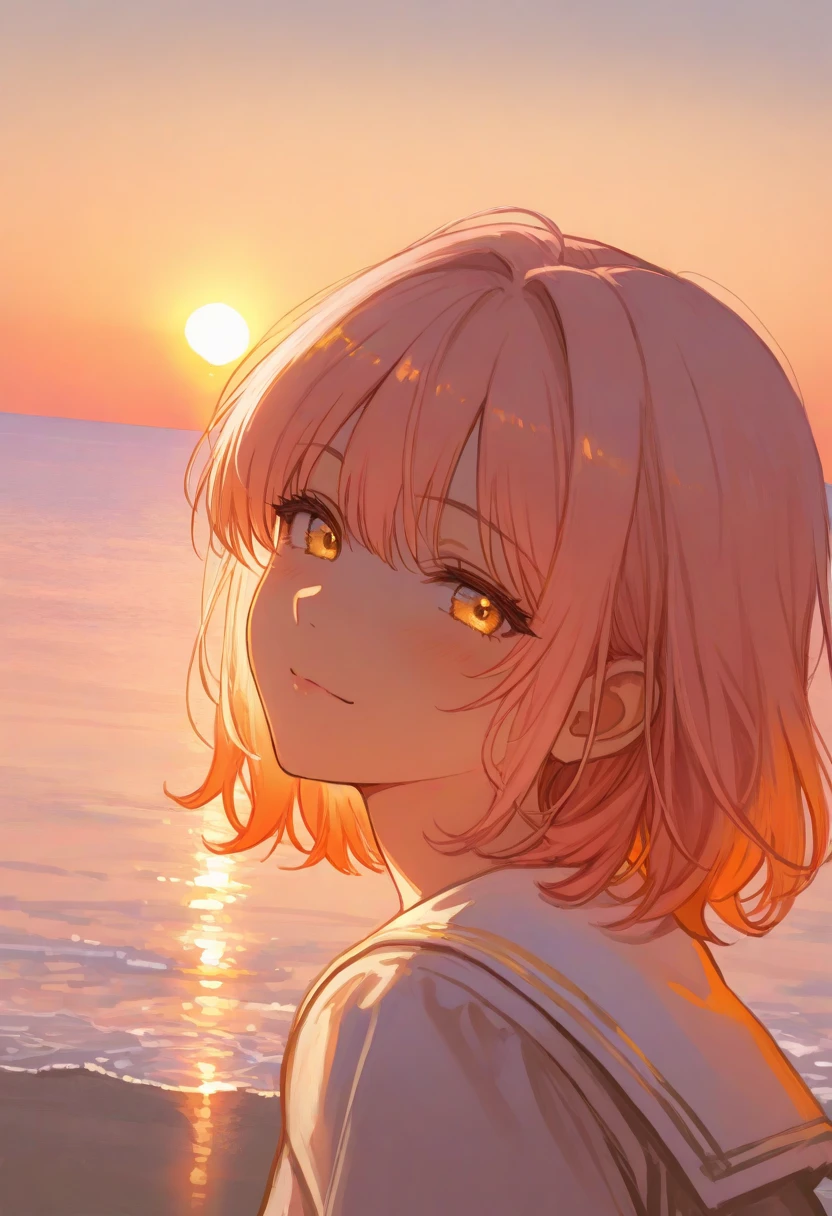
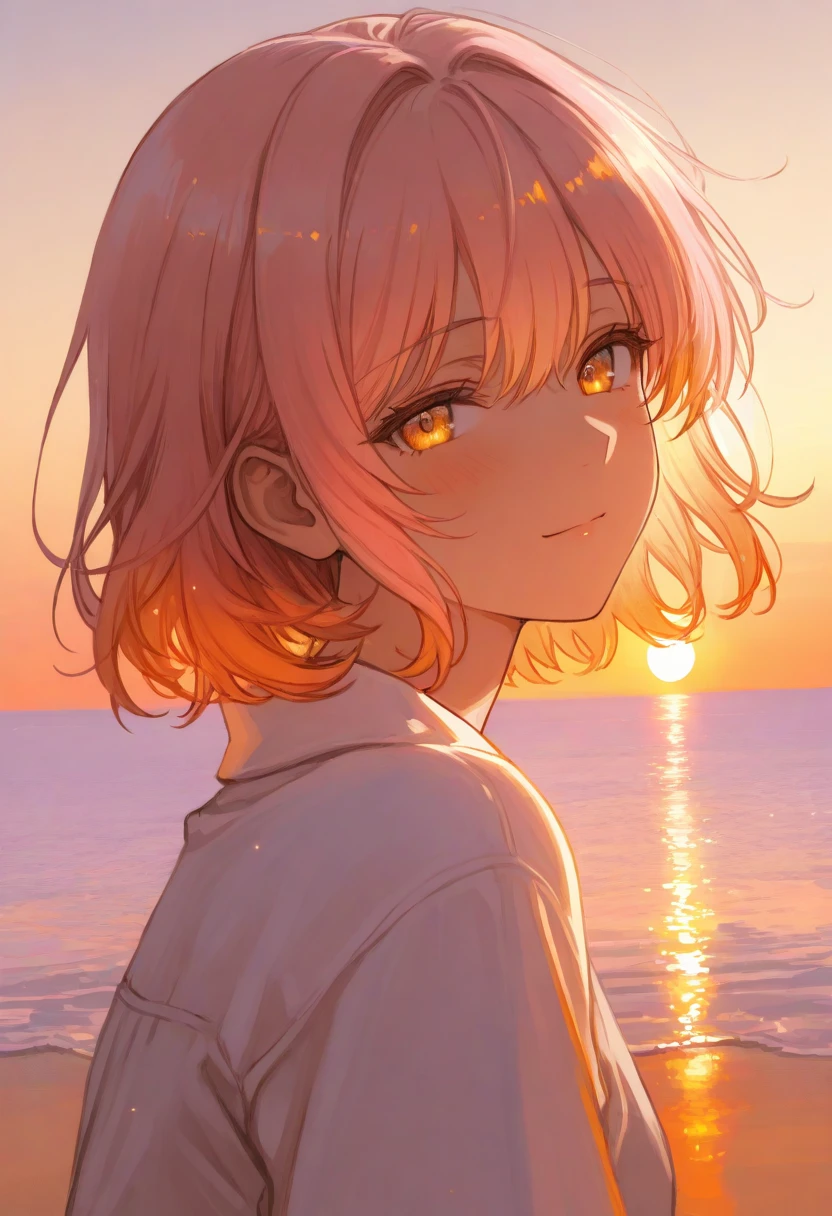
📝 Note: Try adding “hopeful tone”, “sunrise warmth”, or “early golden light” to highlight symbolic new beginnings.
• Midday (Day)
Definition: Harsh, bright light from directly overhead; shadows are short and directly beneath objects.
Visual Use: Vibrant clarity, activity, realism.
Prompt:
1girl, midday sun, strong overhead light, sharp shadows, vivid colors, bright blue sky, sun glare, high contrast lighting, warm highlights, summer mood
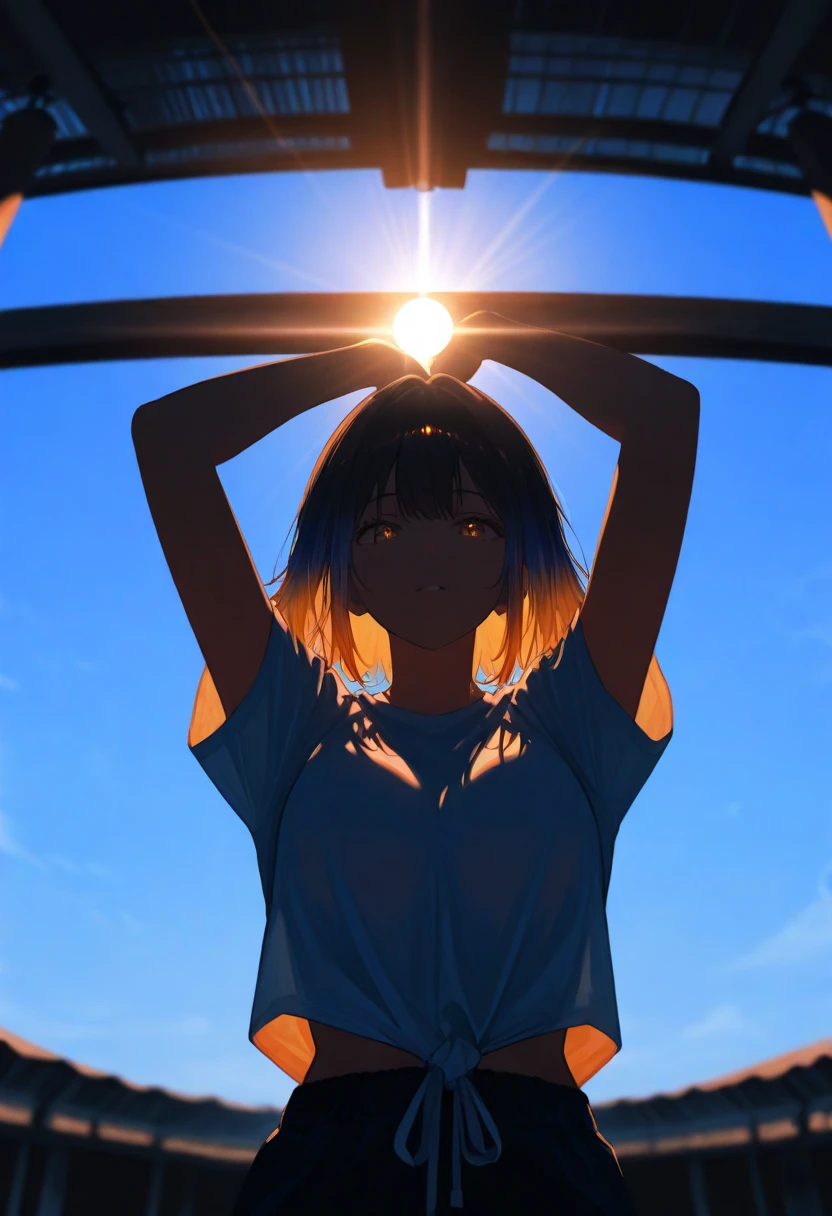
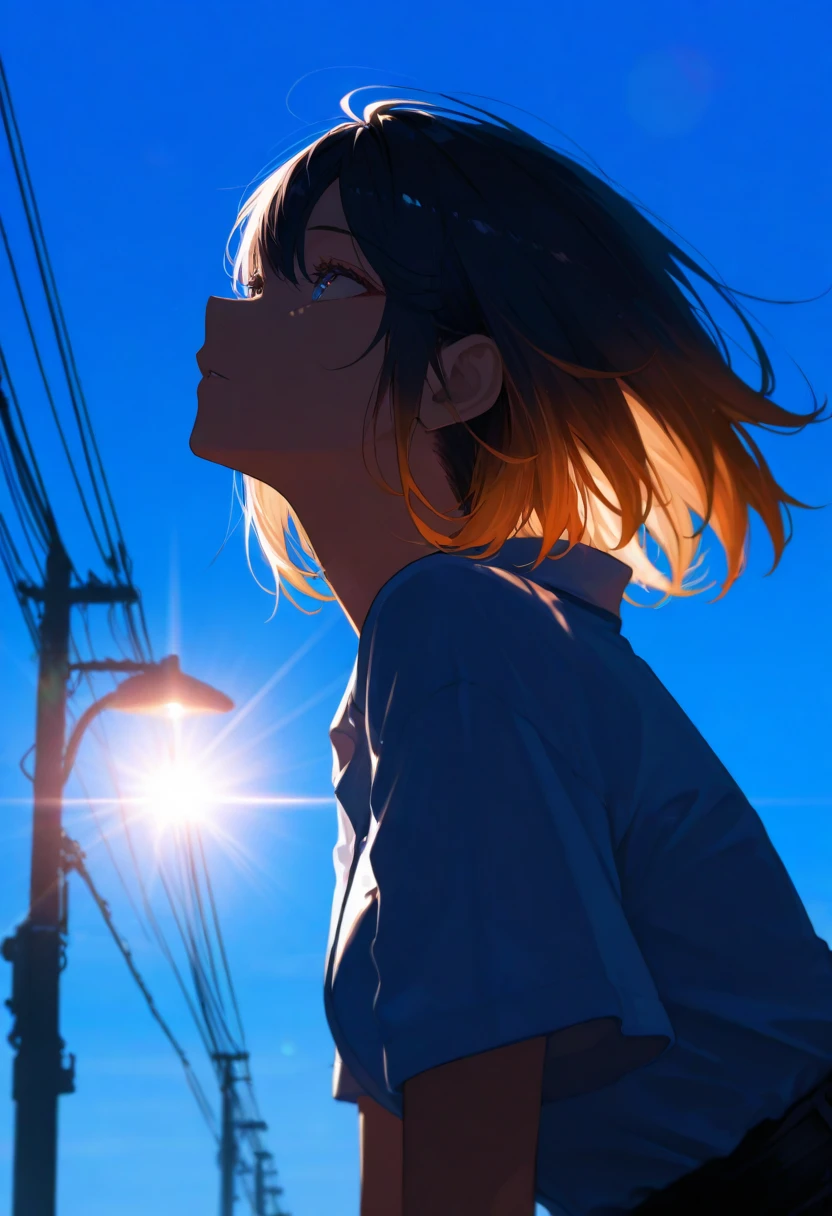
📝 Note: Use “harsh lighting”, “vivid contrast”, and “direct overhead sun” for realistic daytime exposure.
• Golden Hour (Sunset)
Definition: The hour before sunset with low-angle warm light; orange, gold, and pink tones dominate.
Visual Use: Romantic, nostalgic, emotionally rich.
Prompt:
1girl in golden hour light, glowing hair edges, warm orange tones across scene, long soft shadows, reflective pose
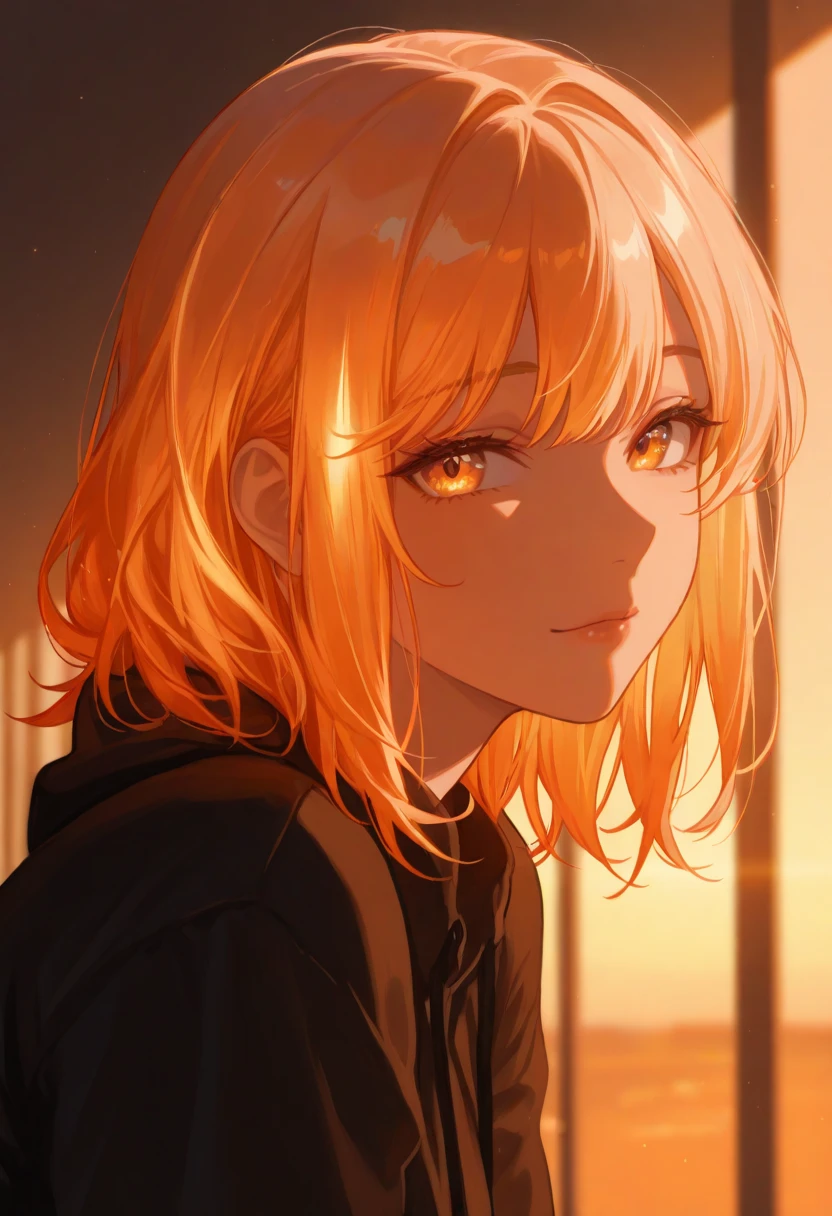
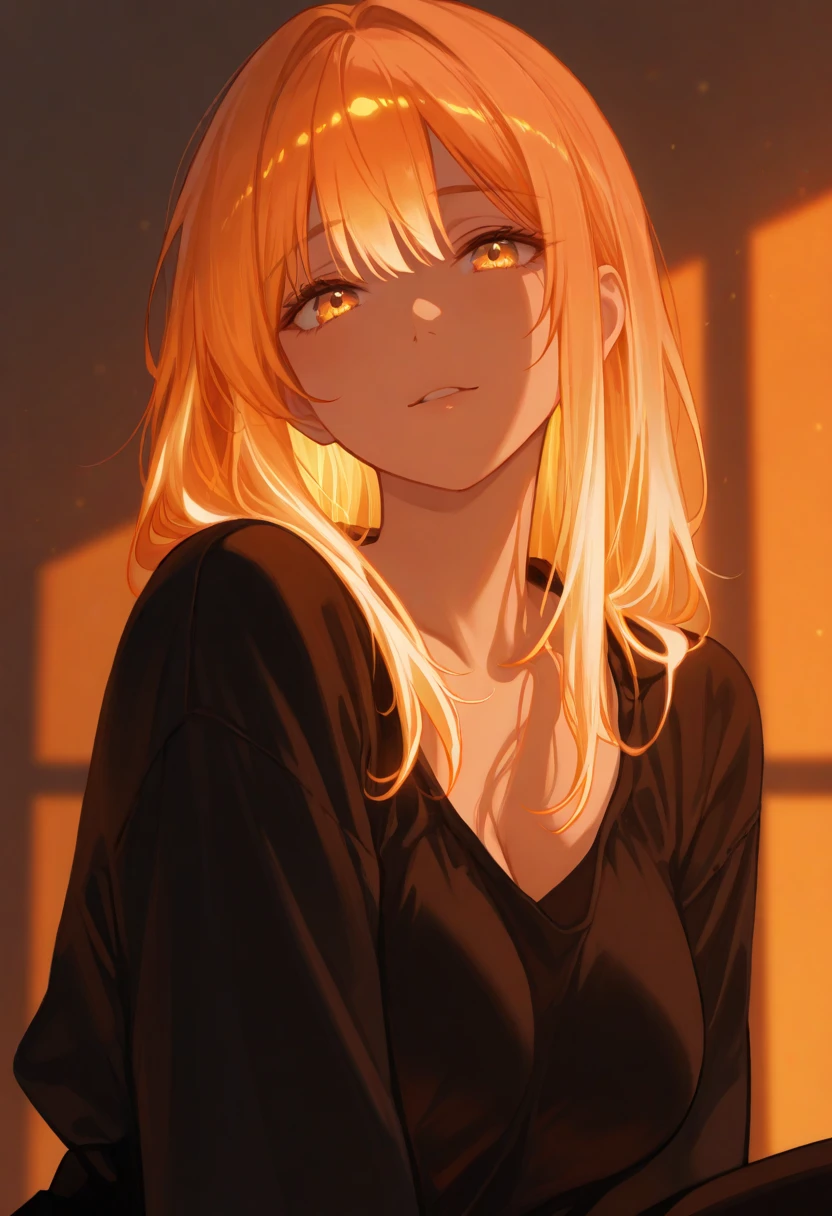
📝 Note: Add “golden rim lighting”, “warm sunset tones”, or “backlit silhouette” for cinematic, emotional impact.
• Twilight / Blue Hour
Definition: The brief time after sunset (or before sunrise) when the sun is below the horizon and the sky glows blue-violet.
Visual Use: Quiet introspection, calm tension, transition.
Prompt:
1girl during twilight, soft blue ambient light on skin, distant city lights glowing, subtle emotional tone, blurred skyline
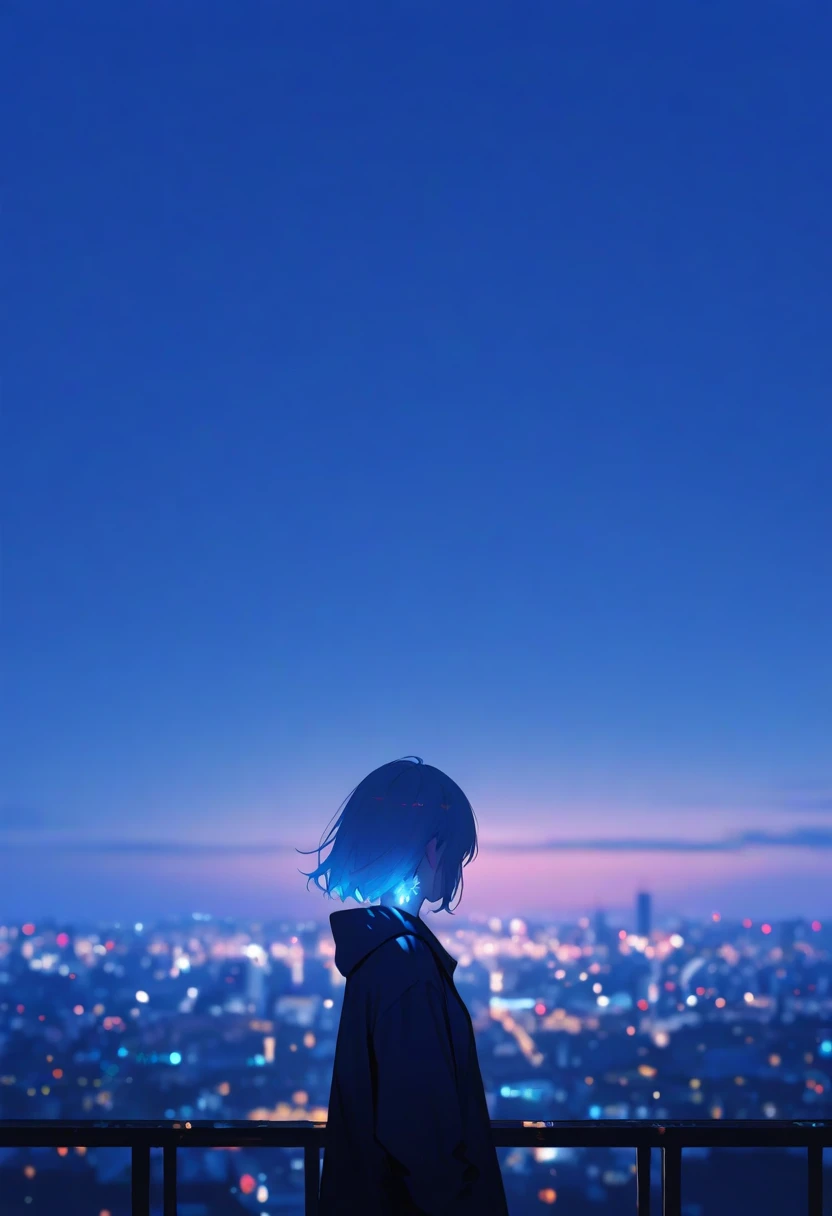
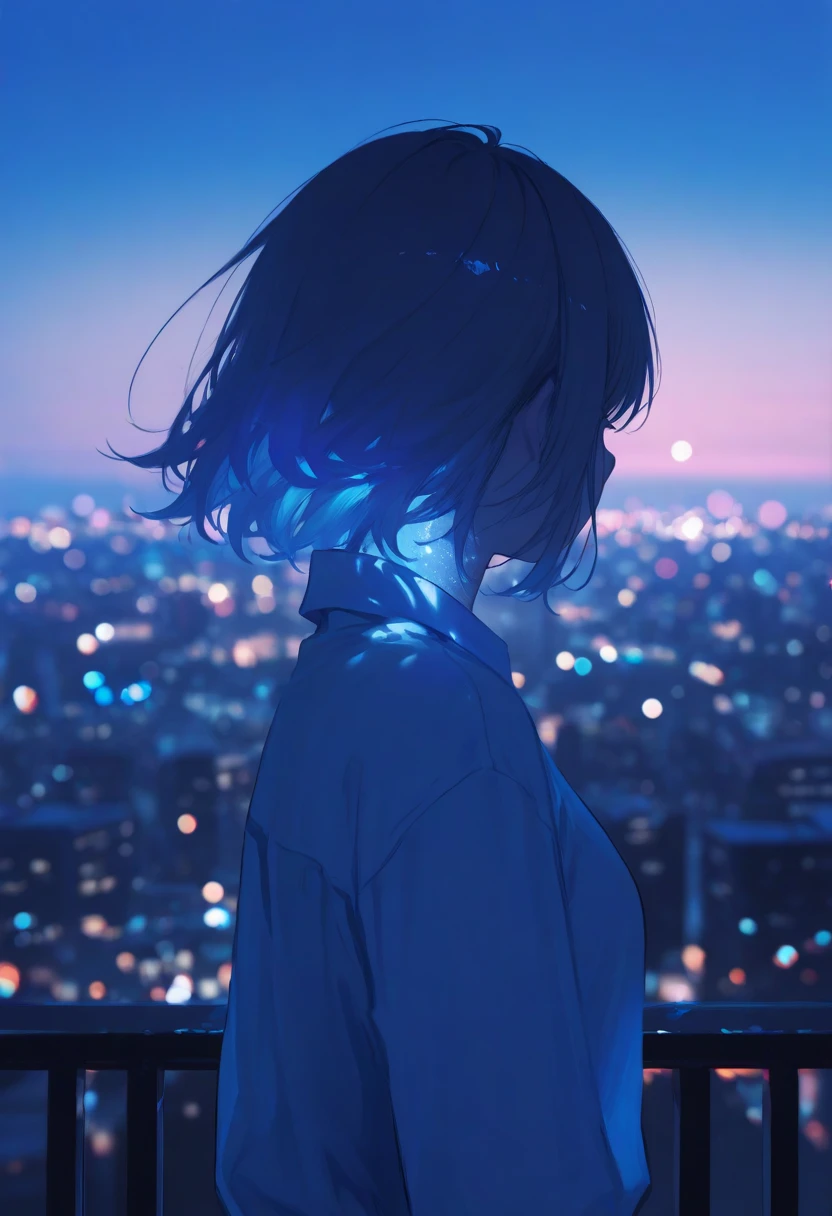
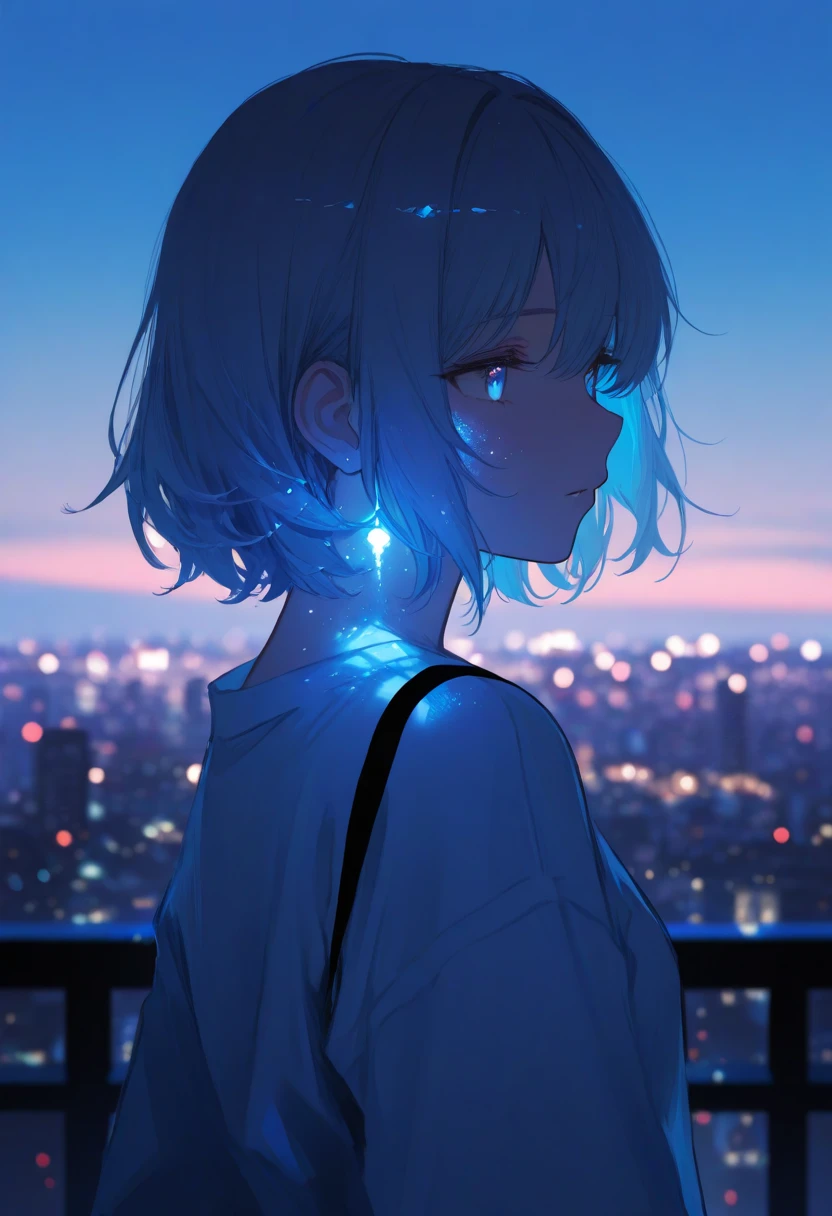
📝 Note: Use “cool tones”, “moody twilight atmosphere”, or “blue ambient light” for melancholic or serene moods.
• Evening
Definition: The time after twilight where artificial indoor lighting mixes with fading daylight.
Visual Use: Comfort, domestic quiet, transition to night.
Prompt:
1girl in cozy evening light, warm indoor glow on her face, cool outdoor twilight through window, soft homey shadows
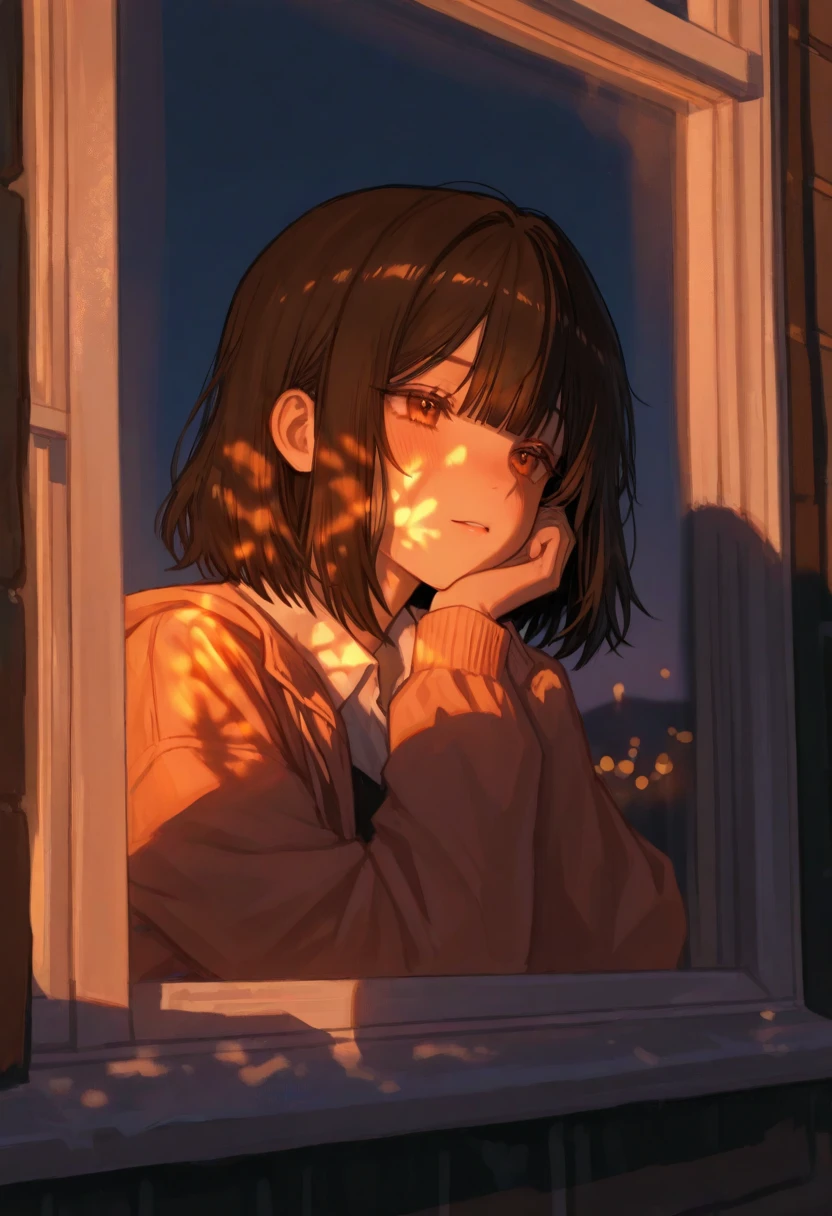
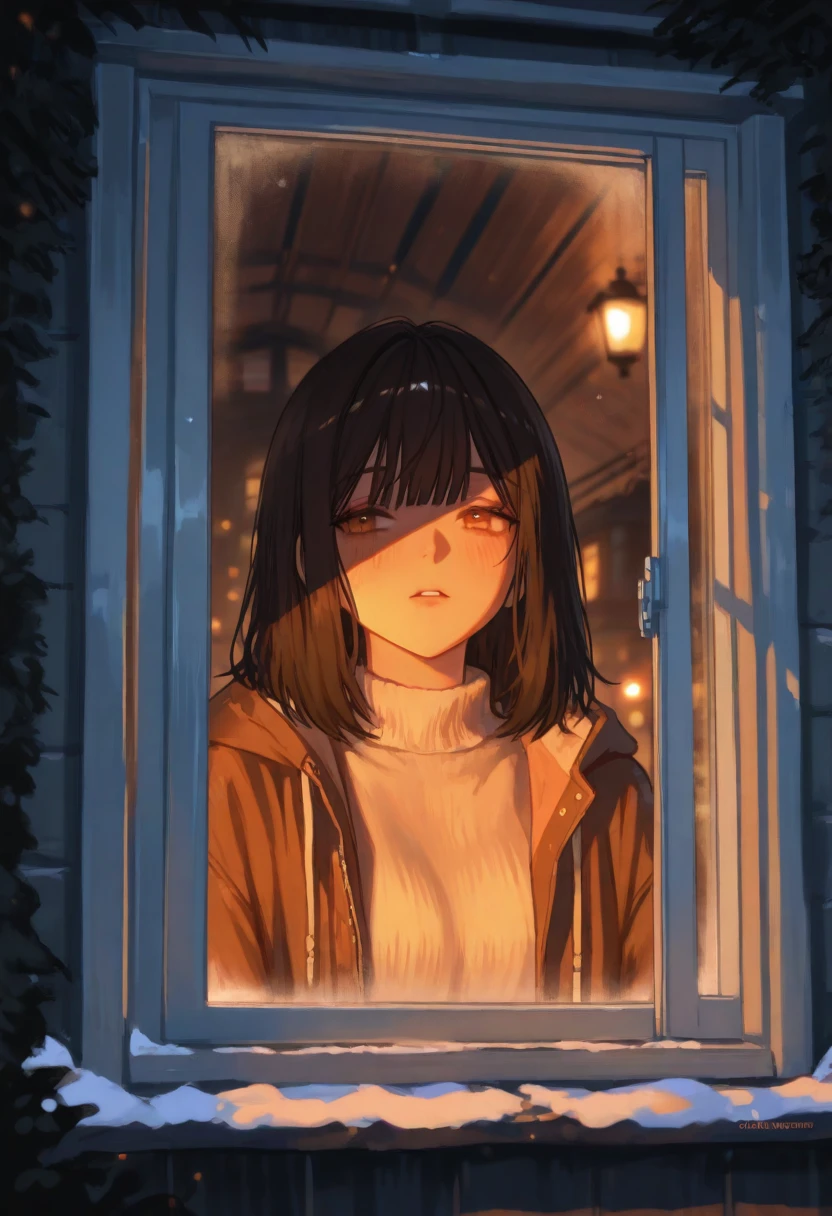
📝 Note: Combine “warm inside lighting” with “cool exterior tones” to create natural lighting contrast.
• Dusk
Definition: Right before nightfall when natural light fades and colors deepen shadows stretch and saturation intensifies.
Visual Use: Melancholy, cinematic transition, emotional depth.
Prompt:
1girl standing at dusk, long stretched shadows, rich orange and purple sky behind her, contemplative gaze, gentle wind
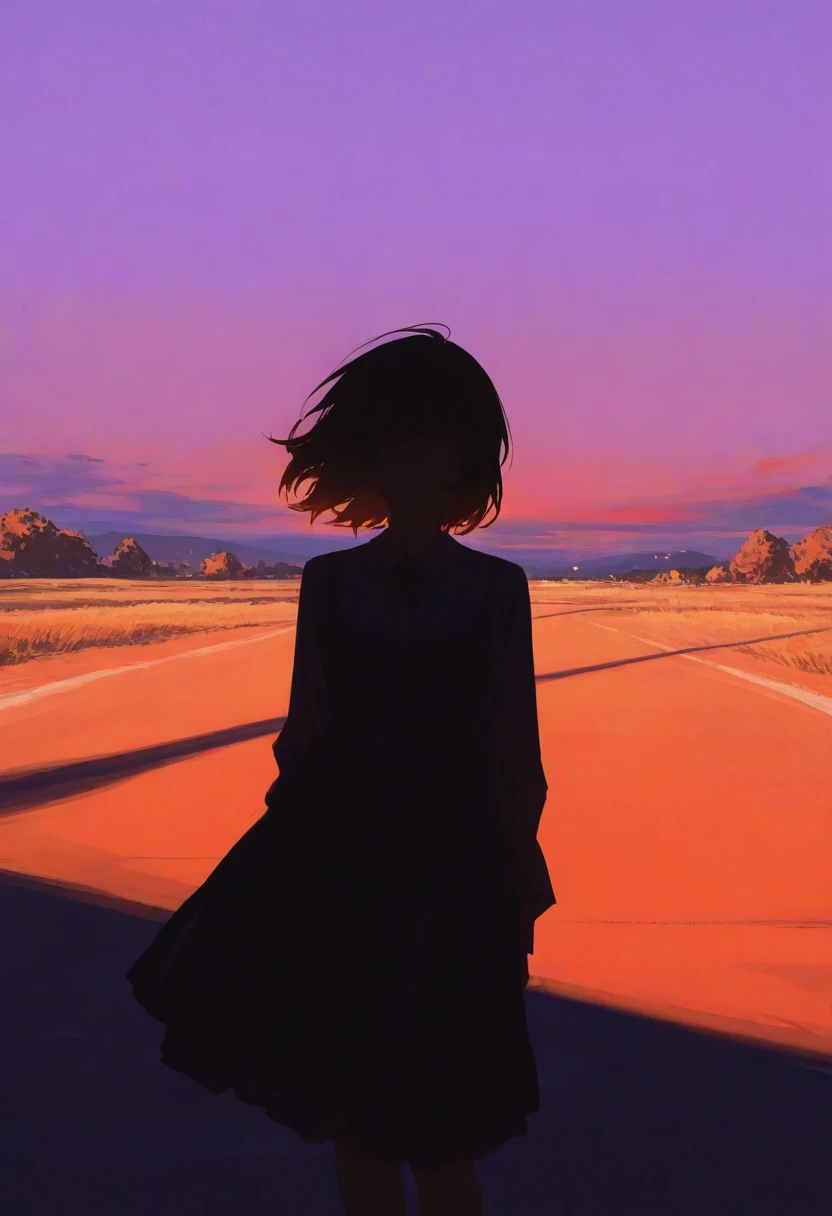
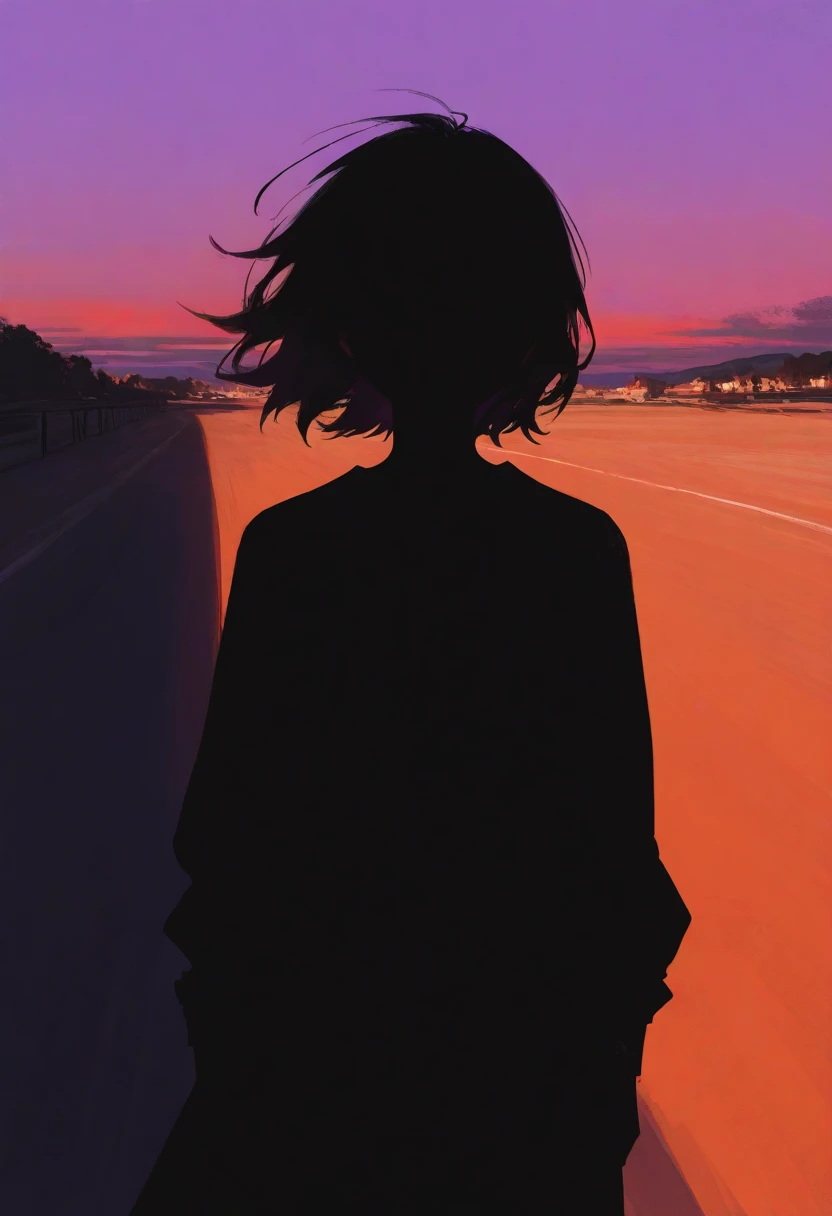
📝 Note: Try “deep color tones”, “low sunlight”, or “twilight saturation” for painterly, expressive lighting.
• Night
Definition: Natural light is minimal. Moonlight or artificial lights shape the scene with strong contrast or subtle glow.
Visual Use: Isolation, wonder, fantasy, noir.
Prompt:
1girl walking at night, pale moonlight on skin, soft glow from distant lamp posts, reflective eyes, cool color palette
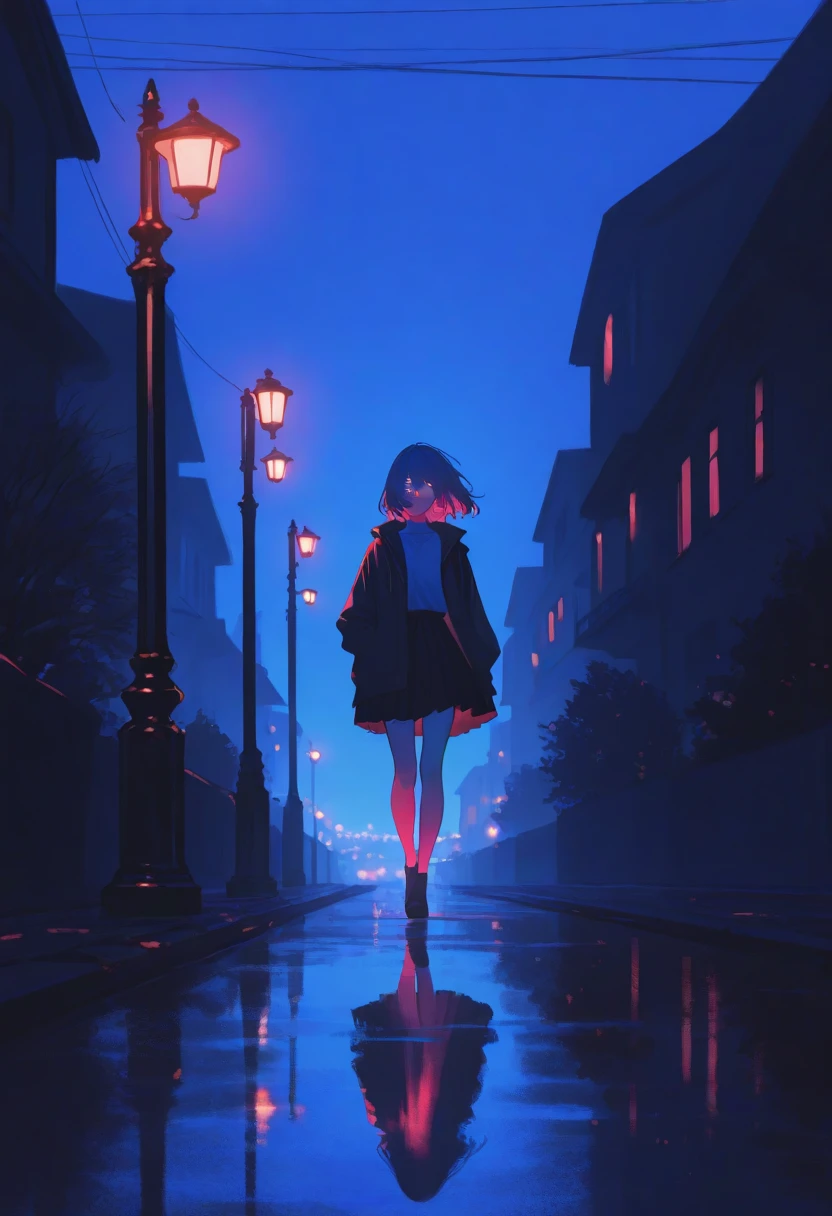
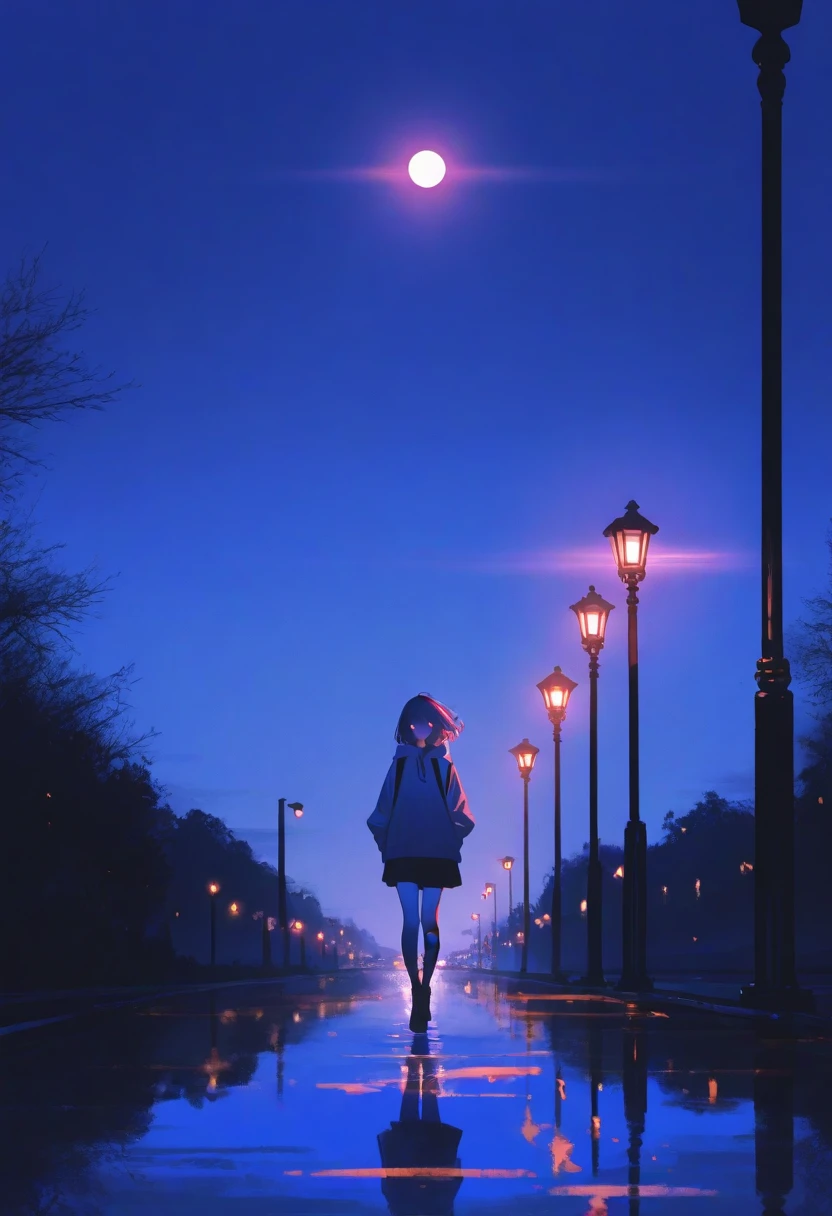
📝 Note: Use “moonlit”, “streetlamp glow”, or “night atmosphere with high contrast” depending on realism vs. fantasy.
• Midnight
Definition: Deepest part of the night. Darkness dominates, and light sources are sparse and isolated.
Visual Use: Intimacy, fear, mystery, introspection.
Prompt:
1girl in a midnight forest, illuminated only by soft lantern light, glowing embers by her feet, full black background, isolated atmosphere
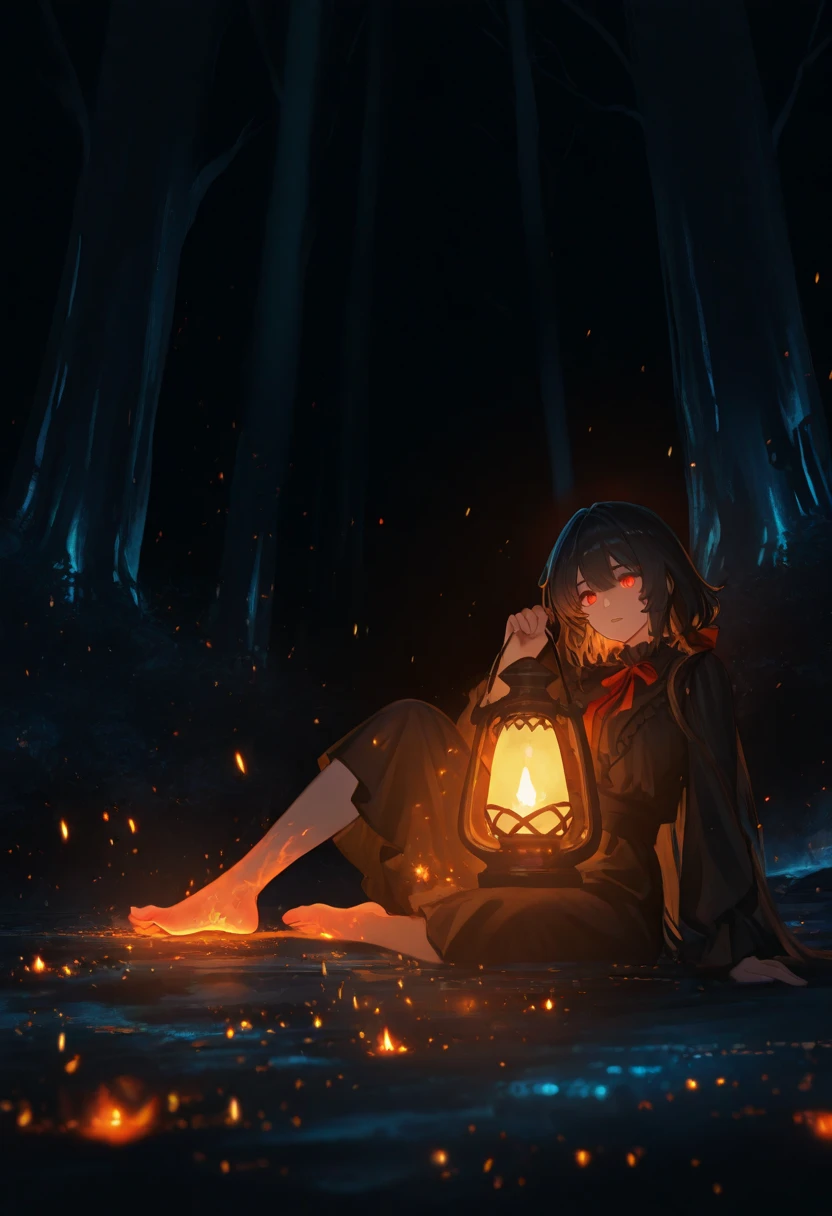
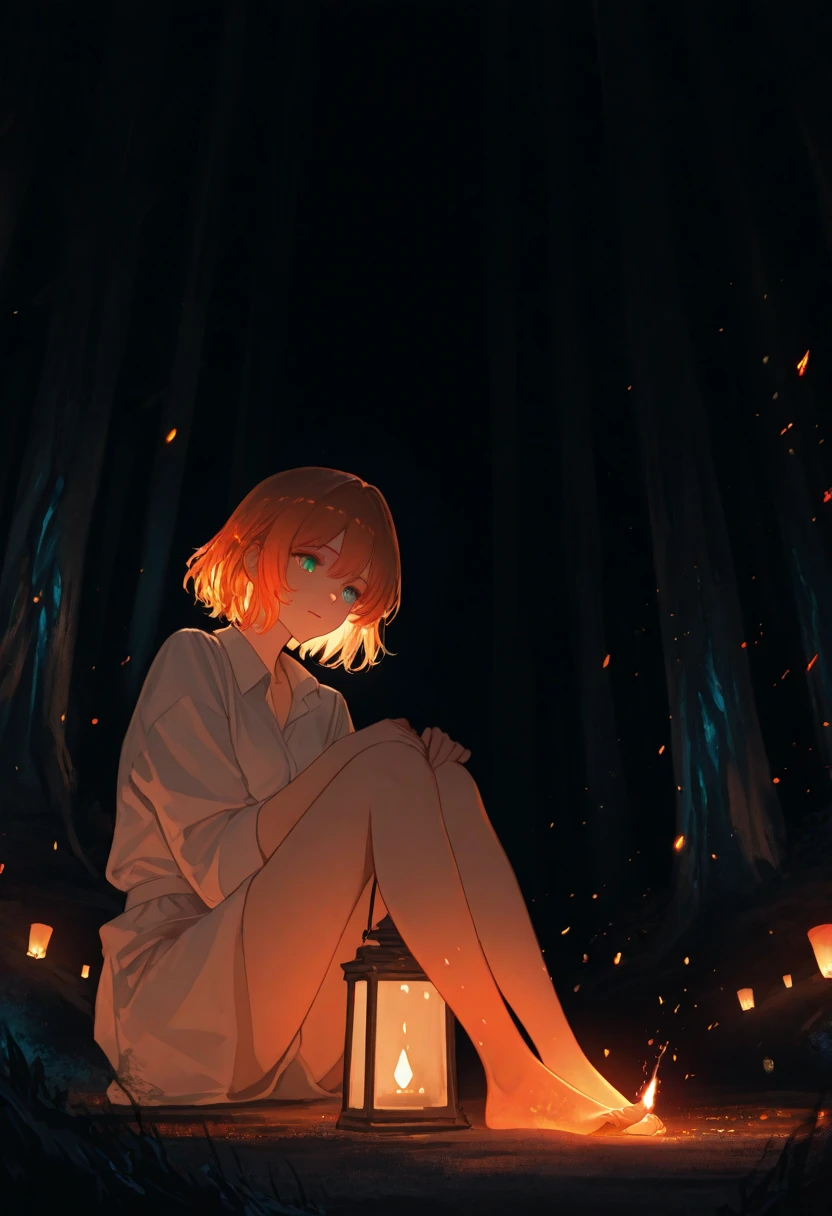
📝 Note: Use “low visibility”, “deep shadows”, or “minimal ambient light” to emphasize isolation or fantasy.
4. Light Sources – What Emits the Light
Definition: The type of light source you choose affects not only brightness and color but also the mood, realism, and narrative context. Whether natural, artificial, or magical, specifying the source helps anchor your prompt in a believable or stylistic world.
A. Natural Light Sources
• Sun
Definition: A primary natural light source; strong, directional, and color-shifting based on time.
Visual Use: Outdoor realism, vibrant settings, true shadows.
Prompt:
1girl, standing in meadow, sunlight, natural lighting, bright blue sky, strong directional light, clear shadows, vivid colors, high contrast, outdoor setting, summer sky
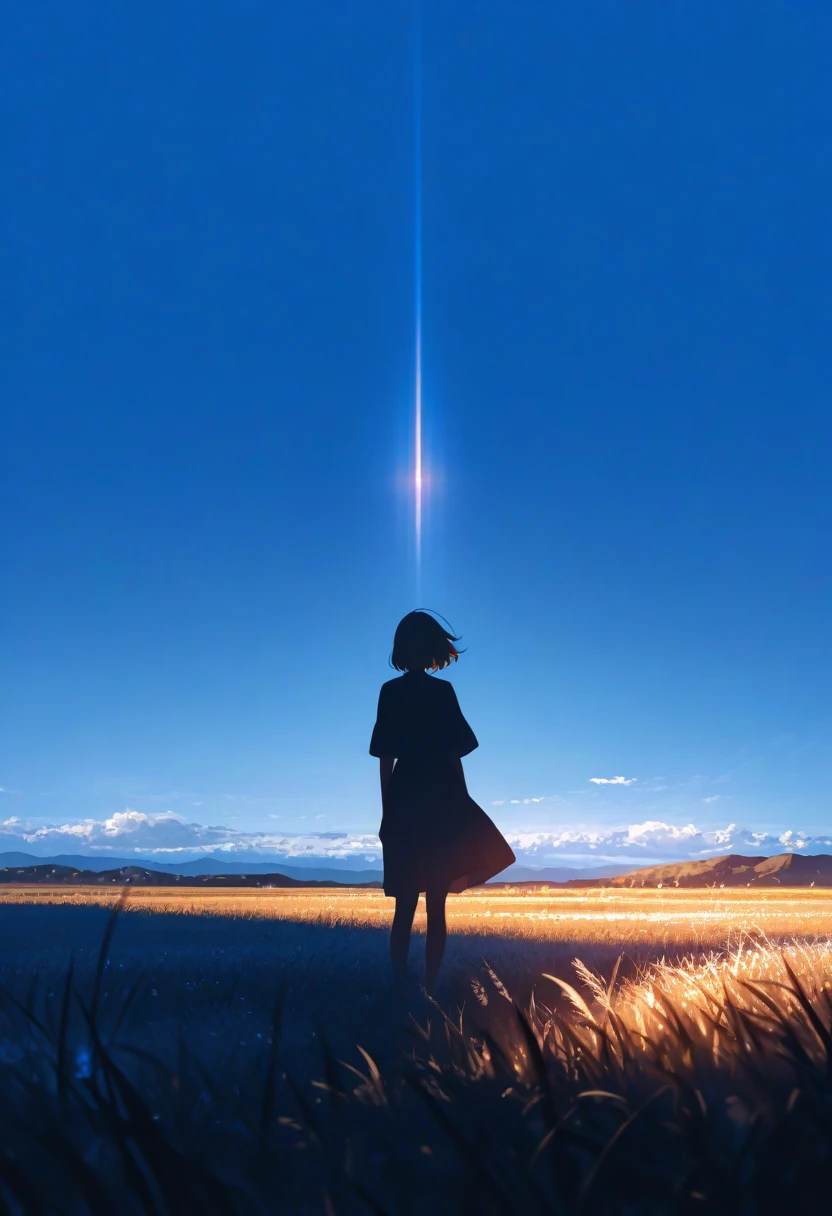
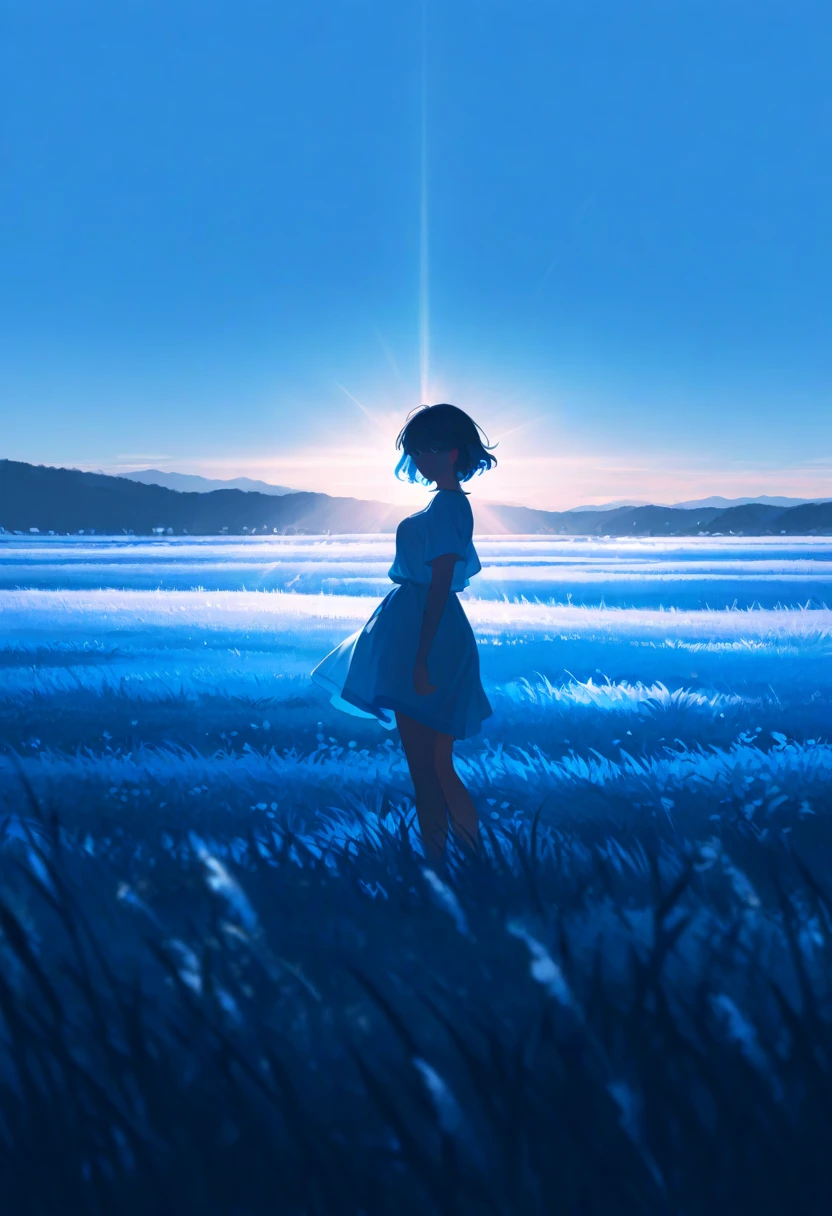
📝 Note: Use “sunlight”, “natural lighting”, and “clear shadows” for bright realism. Combine with time-of-day tags for control.
• Moon
Definition: A soft, cool light source—subtle and often romantic or mystical.
Visual Use: Calm, nighttime, fantasy tones.
Prompt:
1girl under moonlight, cool blue glow illuminating her hair, soft shadows, quiet night forest backdrop, reflective mood
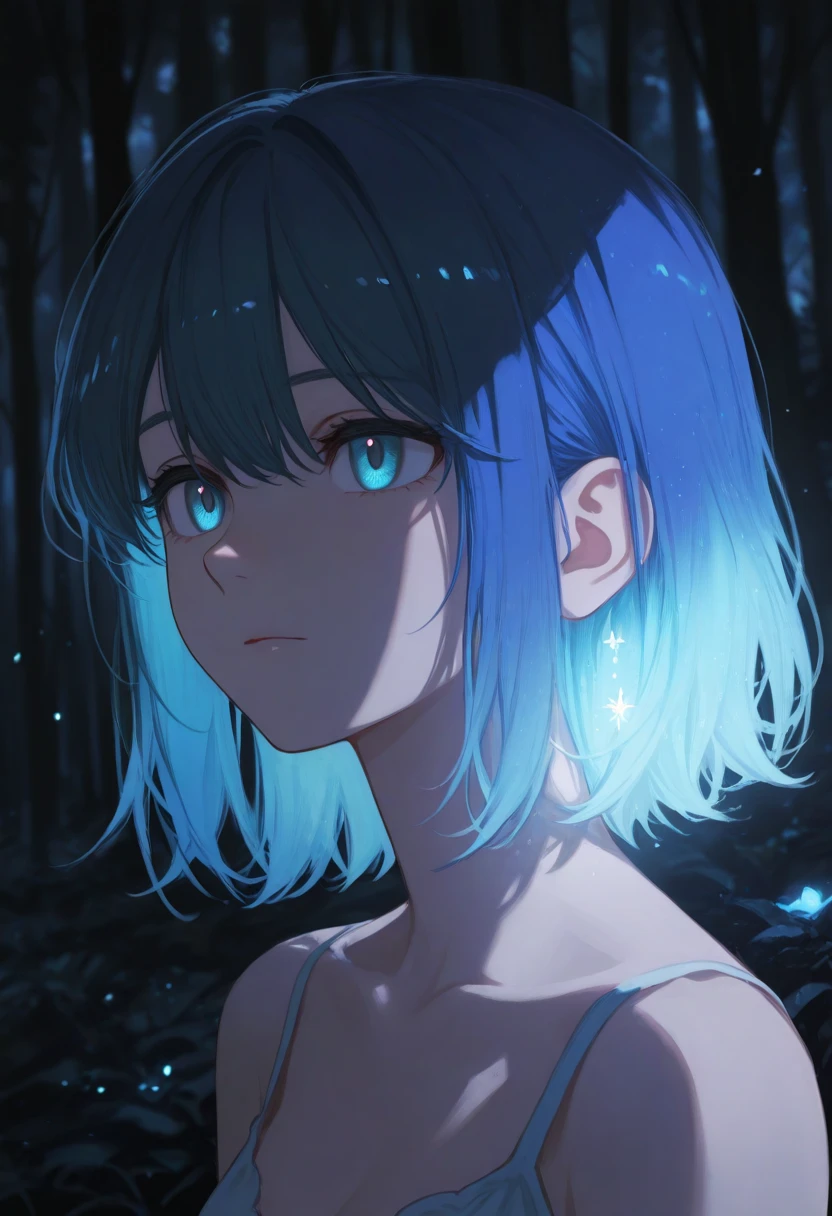
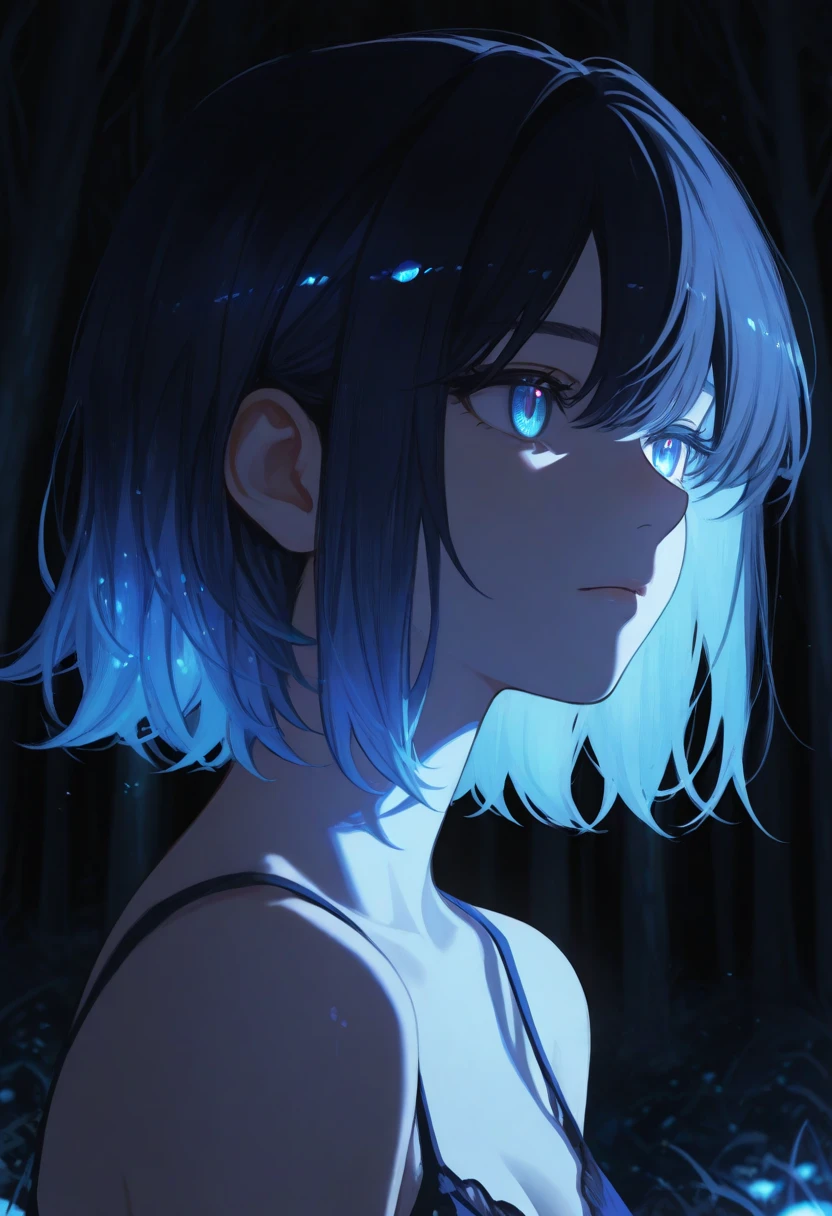
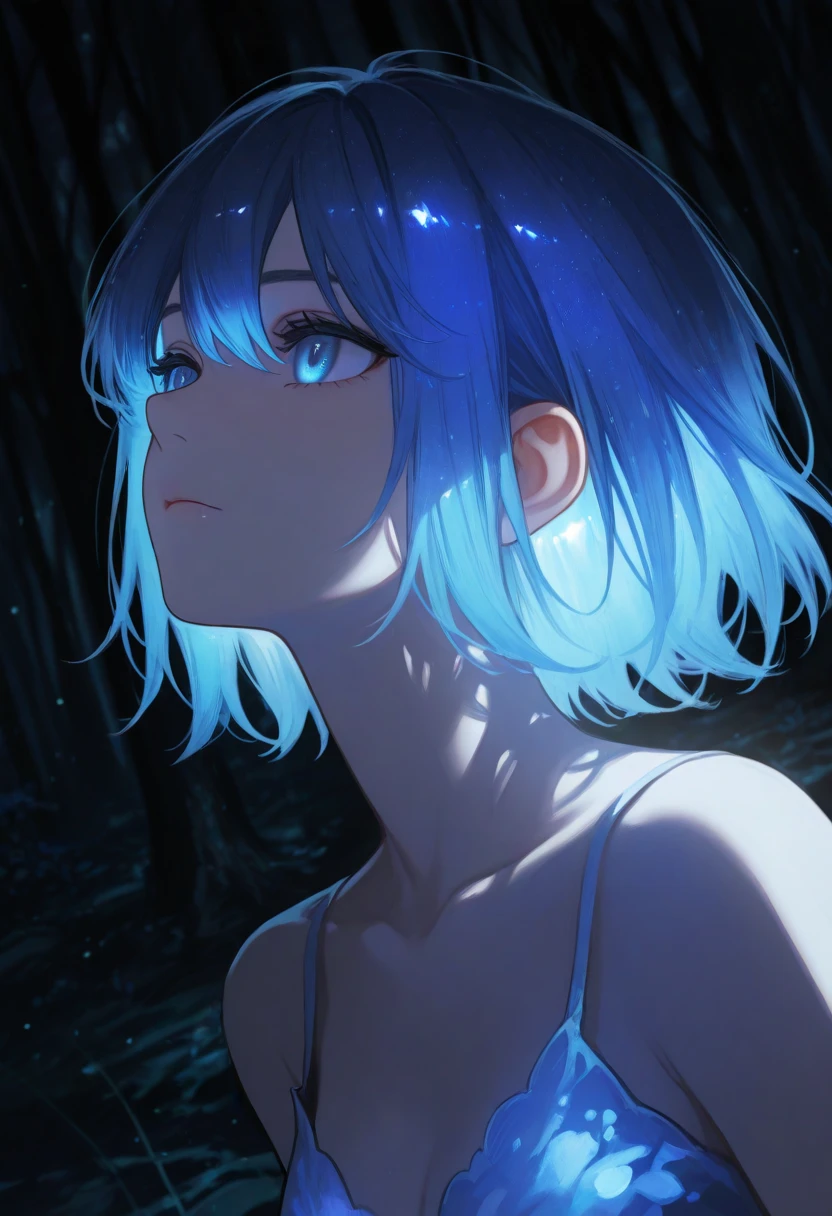
📝 Note: Ideal for “soft cool lighting”, “mystical glow”, or pairing with “fog”, “stars”, or “ocean” for surreal moods.
B. Flame-Based Light Sources
• Candlelight
Definition: Flickering, low-intensity light with warm, romantic or gothic tones.
Visual Use: Intimacy, solitude, medieval scenes.
Prompt:
1girl illuminated by candlelight, warm flickering glow on face, heavy shadows behind, gothic room with vintage decor
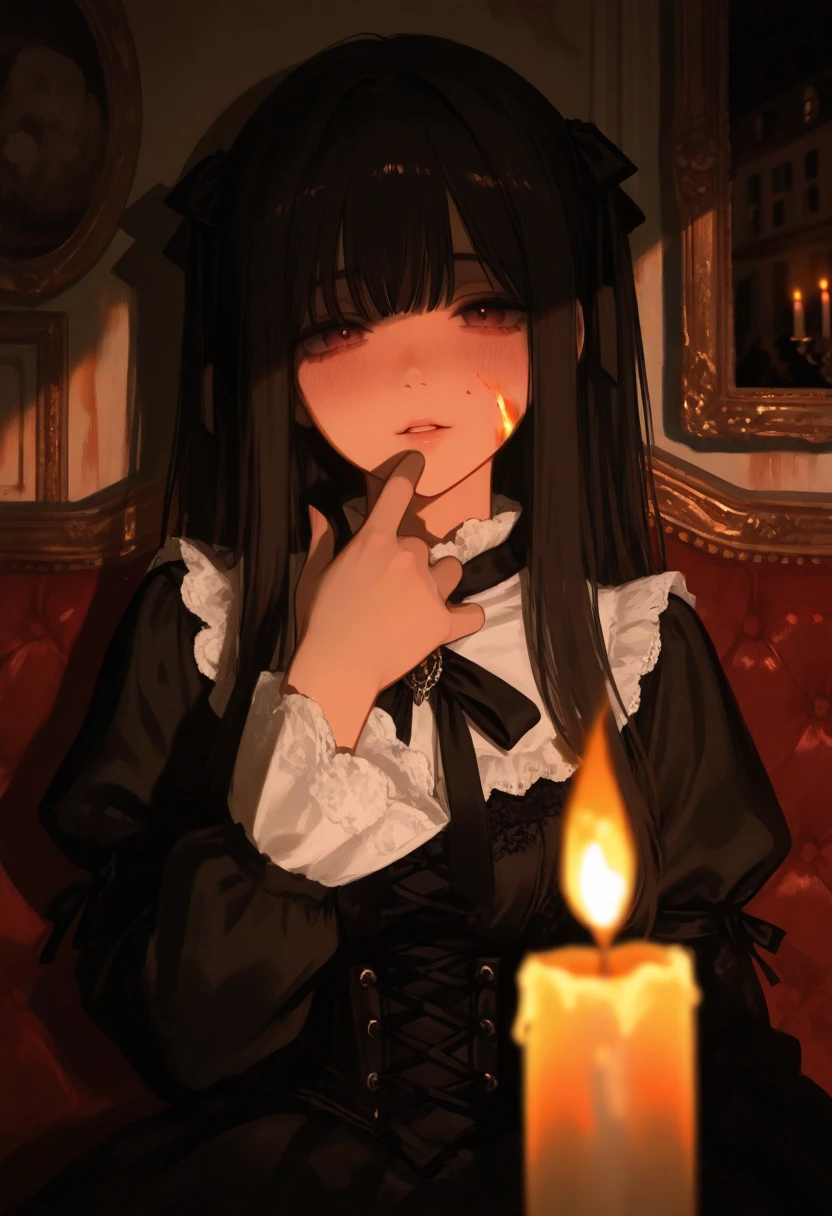
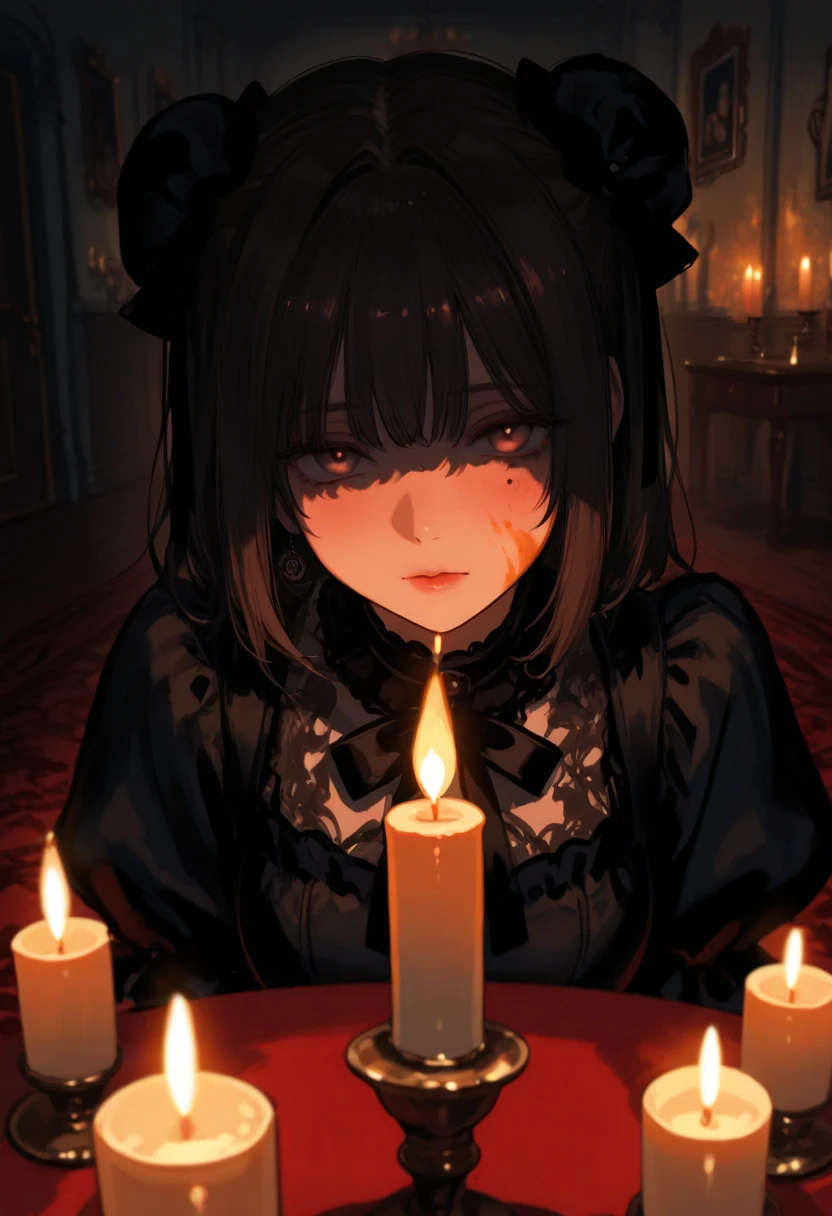
📝 Note: Add “soft shadow play”, “warm romantic tone”, or “low light interior” to enhance the ambiance.
• Fire / Embers
Definition: Larger flame source with dynamic, often chaotic shadows and warm tones.
Visual Use: Cozy or dangerous settings, campsites, rituals.
Prompt:
1girl sitting by campfire, warm glow on her face, dancing embers in air, orange and red reflections on skin, forest at night
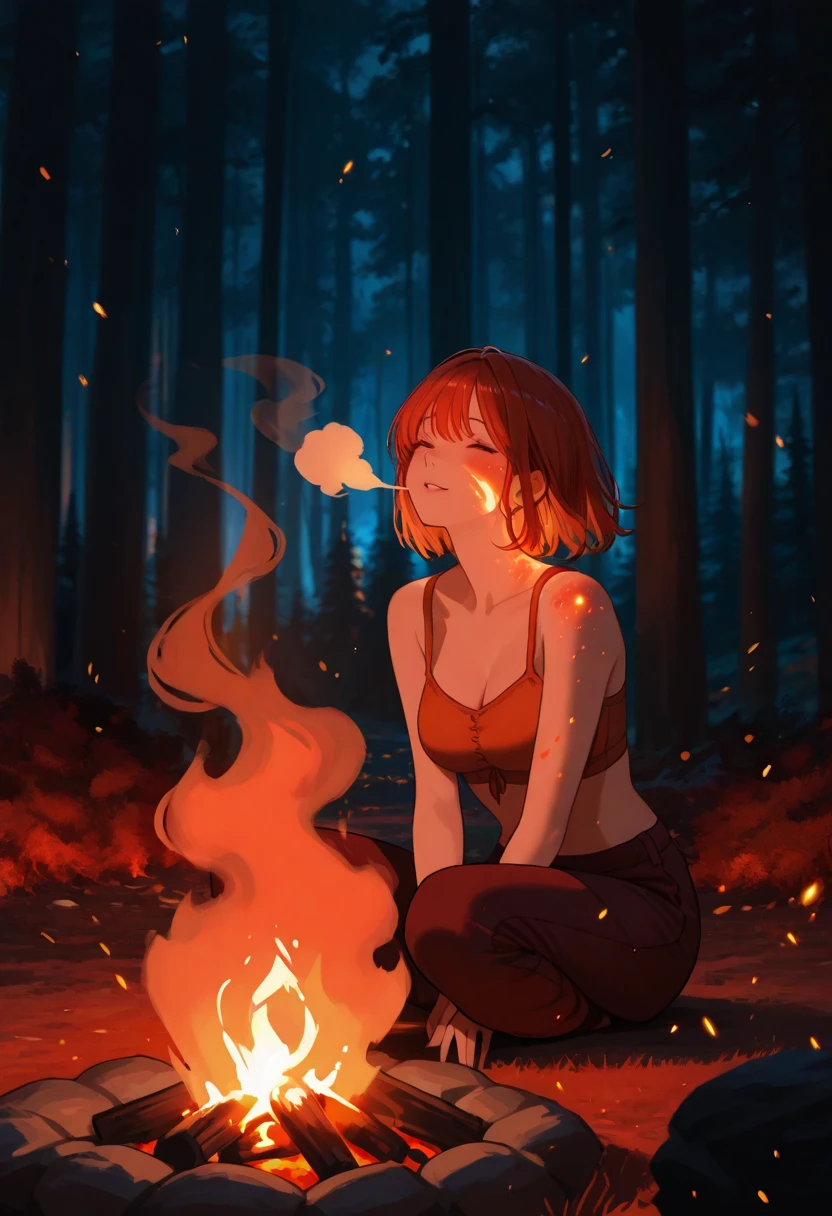
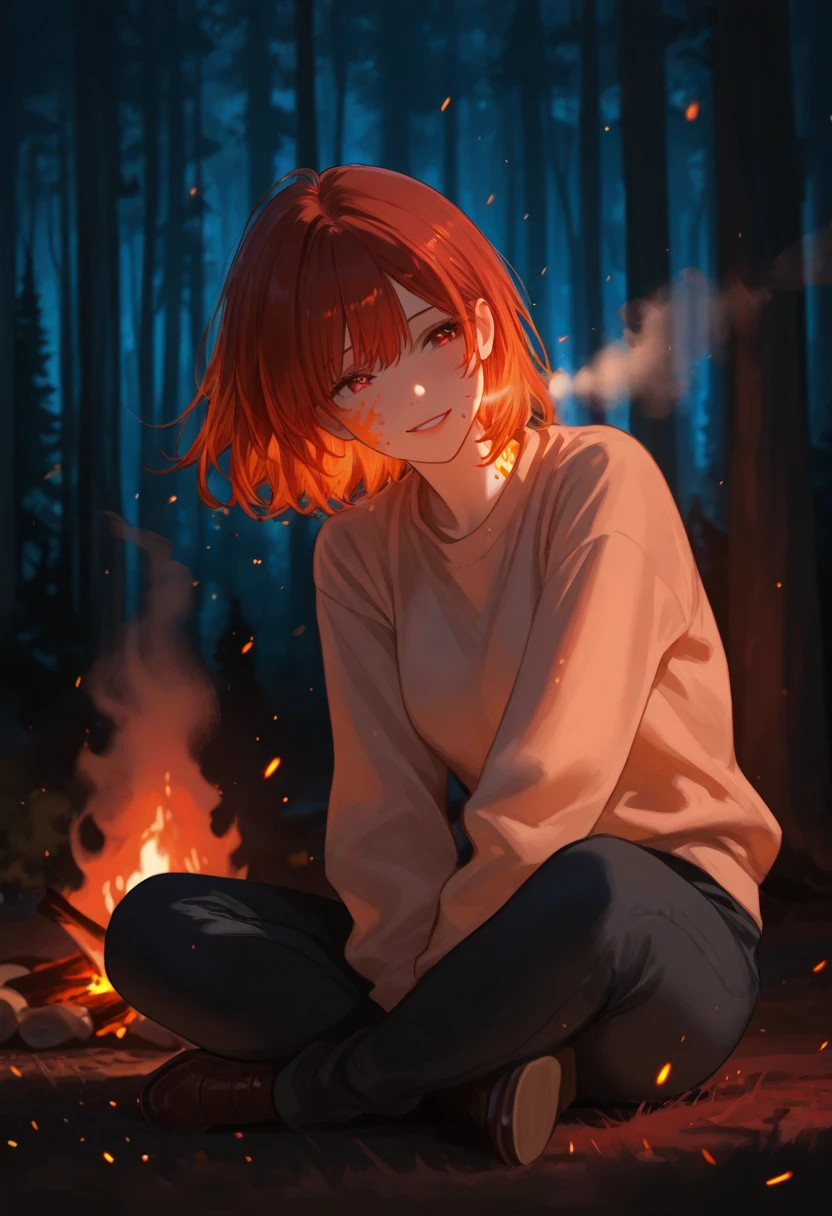
📝 Note: Use “glowing embers”, “campfire warmth”, or “shifting shadows” depending on mood.
• Torch
Definition: A handheld directional flame source stronger than candlelight.
Visual Use: Exploration, suspense, medieval or dungeon scenes.
Prompt:
1girl holding torch, flickering orange light illuminating her front, shadows trailing behind, dark stone corridor
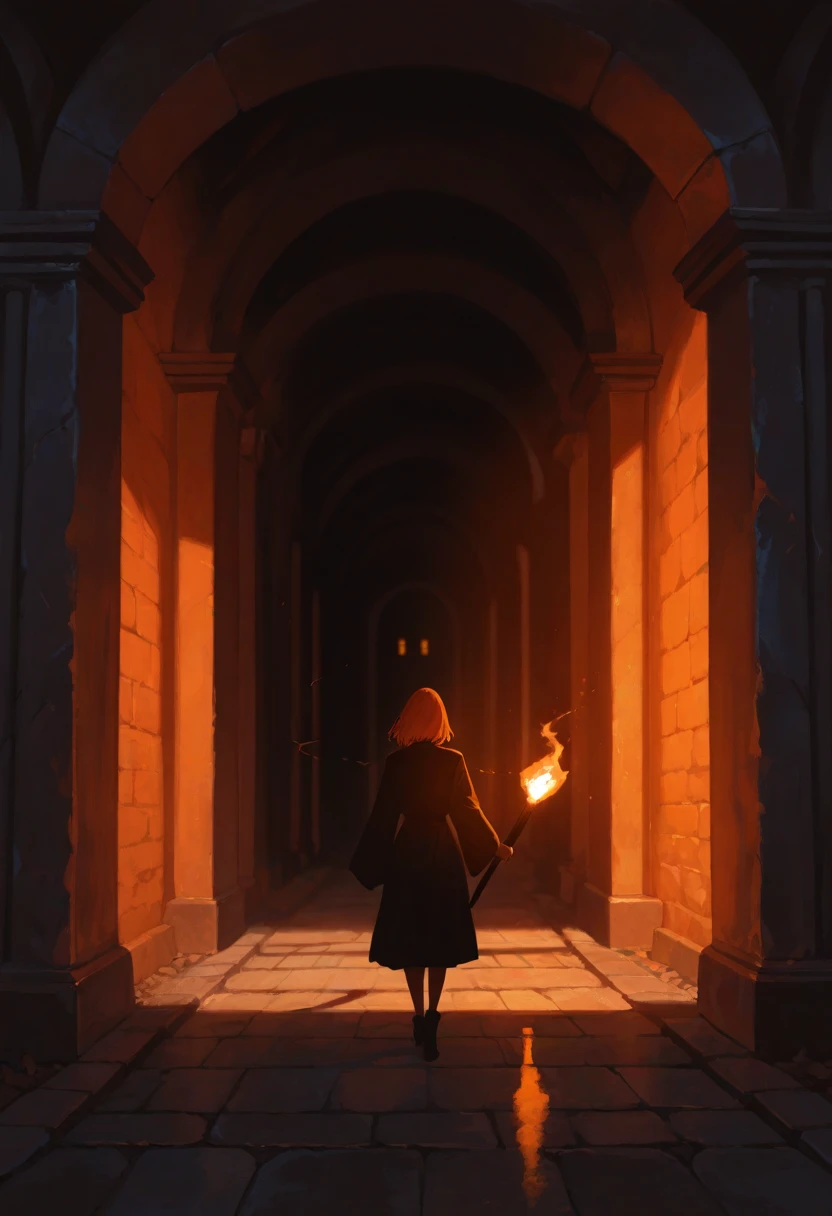
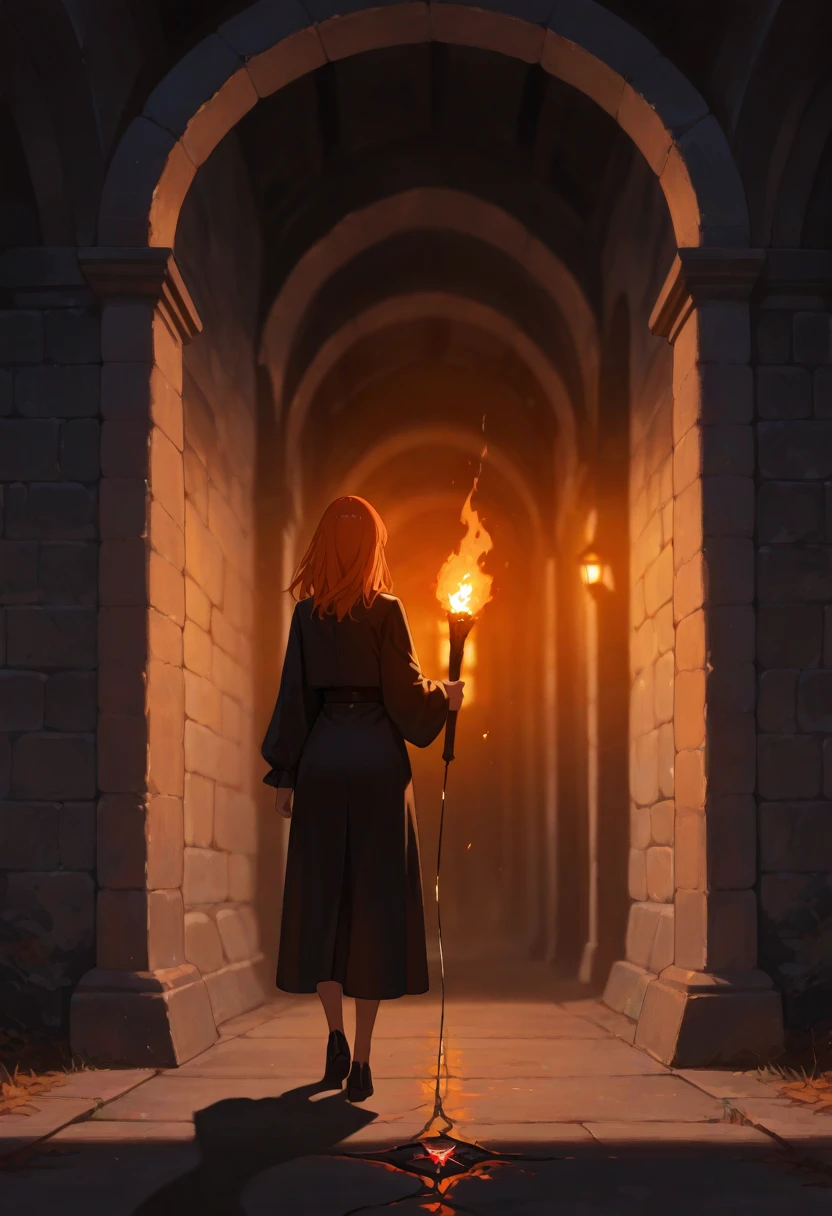
📝 Note: Combine with “torch beam”, “dark background”, or “firelight on stone” for cinematic suspense.
• Lantern / Wooden Lantern / Oil Lamp
Definition: A portable flame in a housing that casts a steady, warm glow.
Visual Use: Travel scenes, vintage, rural, fantasy settings.
Prompt:
1girl carrying oil lantern, soft yellow light spilling on pathway, dim forest around her, gentle flickering shadows
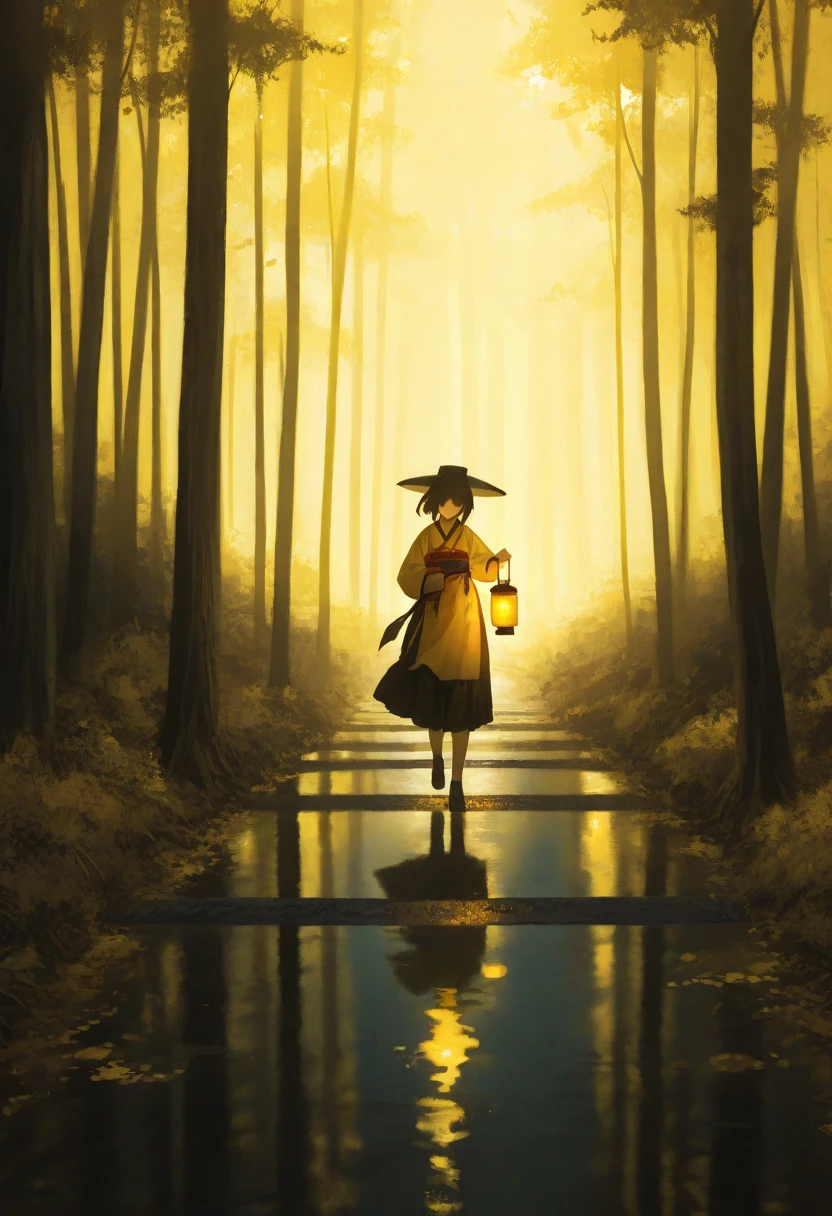
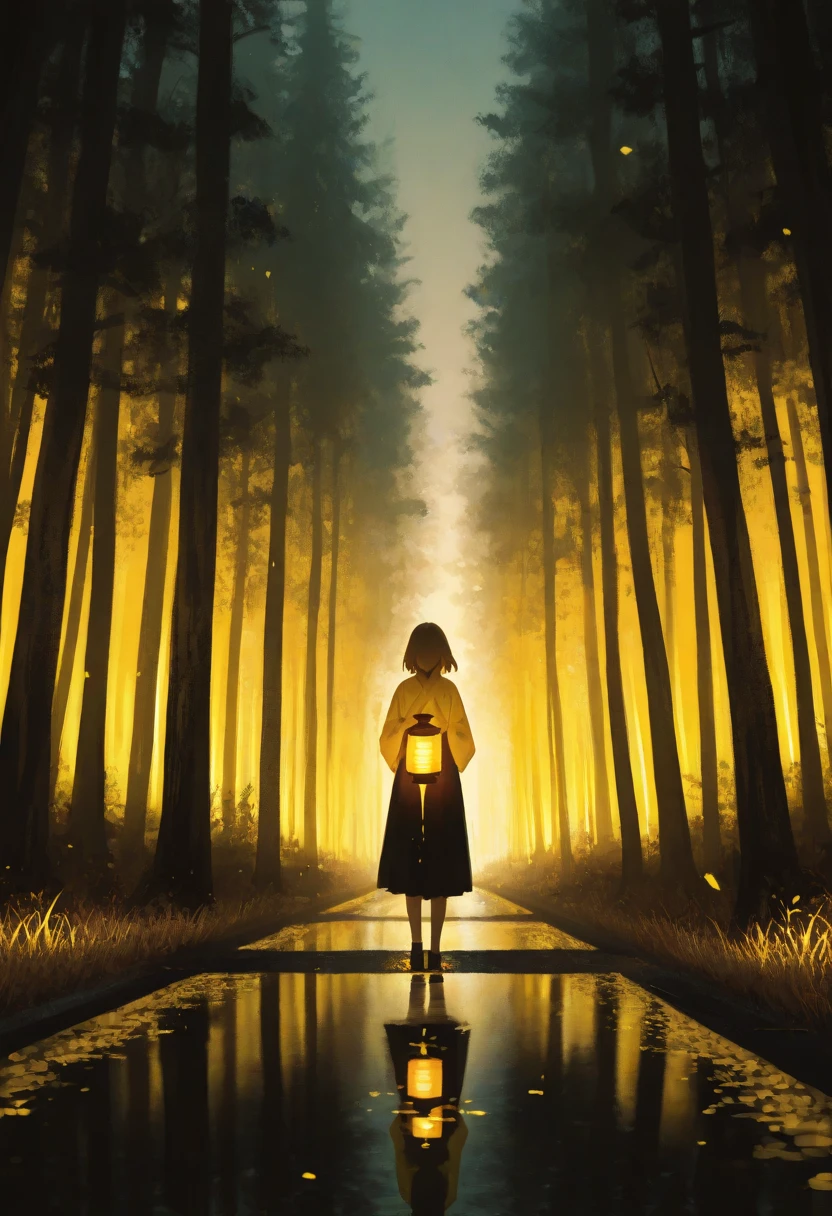
📝 Note: Great with “medieval light source”, “portable glow”, or “controlled soft light”.
C. Stylized & Fantasy Light Sources
• Glowstick / Bioluminescence
Definition: Luminous, colored light with no clear fire or tech source often magical or sci-fi.
Visual Use: Underwater, cyberpunk, alien scenes.
Prompt:
1girl in underwater bioluminescence, glowing green light around her, illumination, surreal dreamlike scene
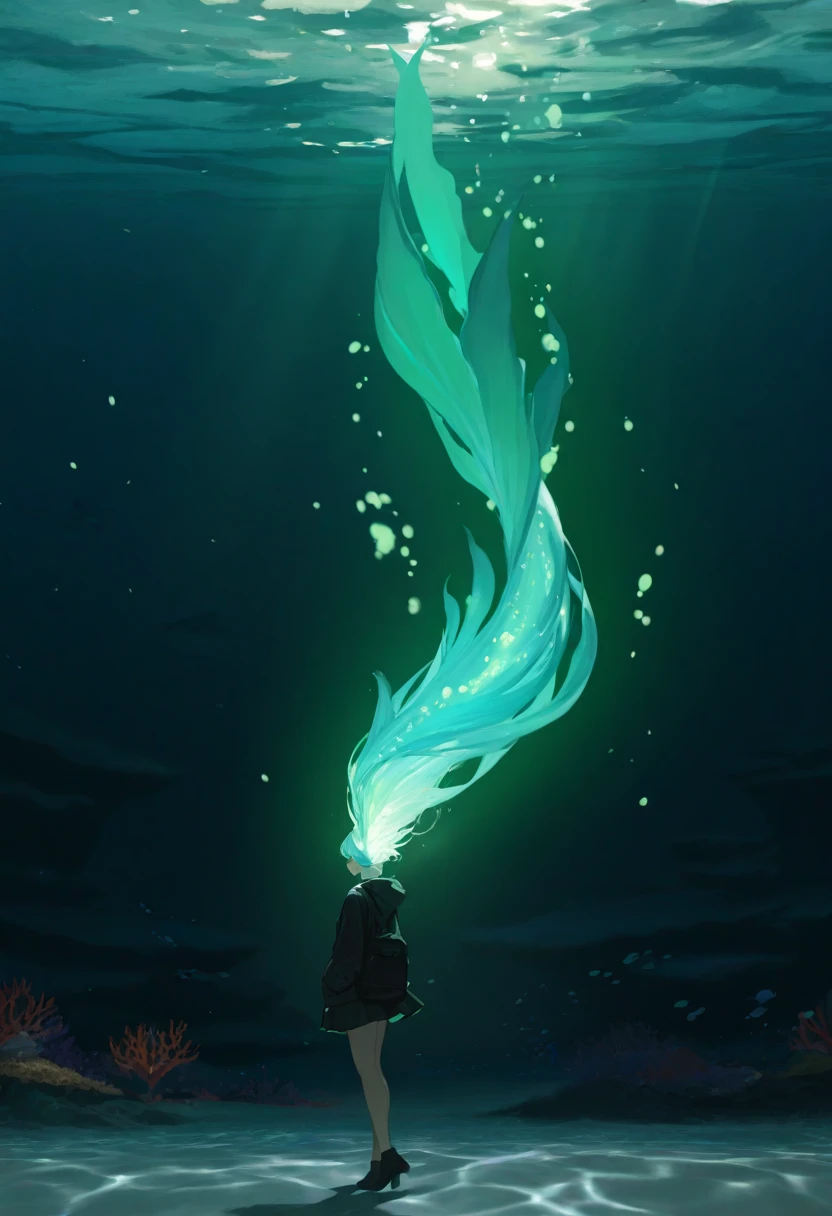
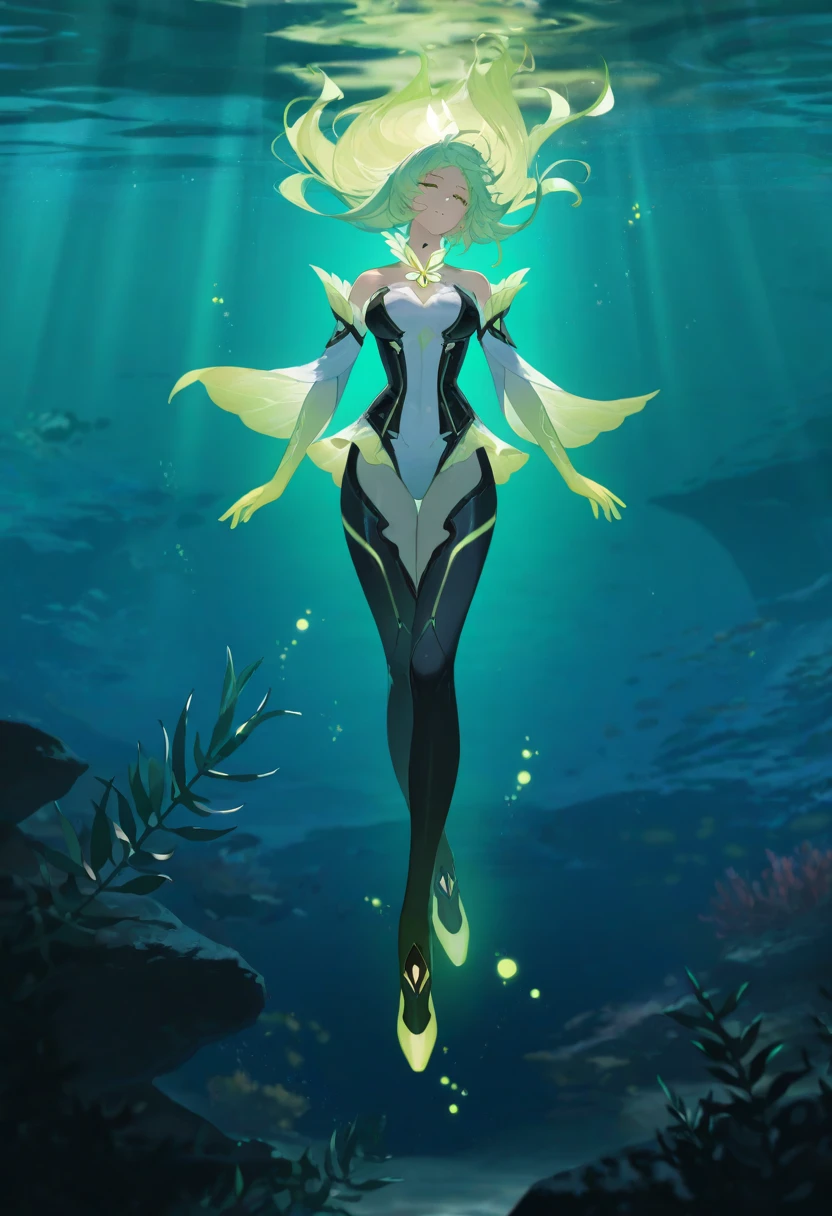
📝 Note: Try “glowing environment”, “unnatural colored light”, or “soft ambient glow” for fantasy tones.
• Neon Sign / Colored Light
Definition: Bright, highly saturated urban light often blue, pink, purple, or green.
Visual Use: Cyberpunk, nightlife, retro settings.
Prompt:
1girl bathed in pink and blue neon light, urban night city backdrop, reflective highlights on skin, stylish cyberpunk tone
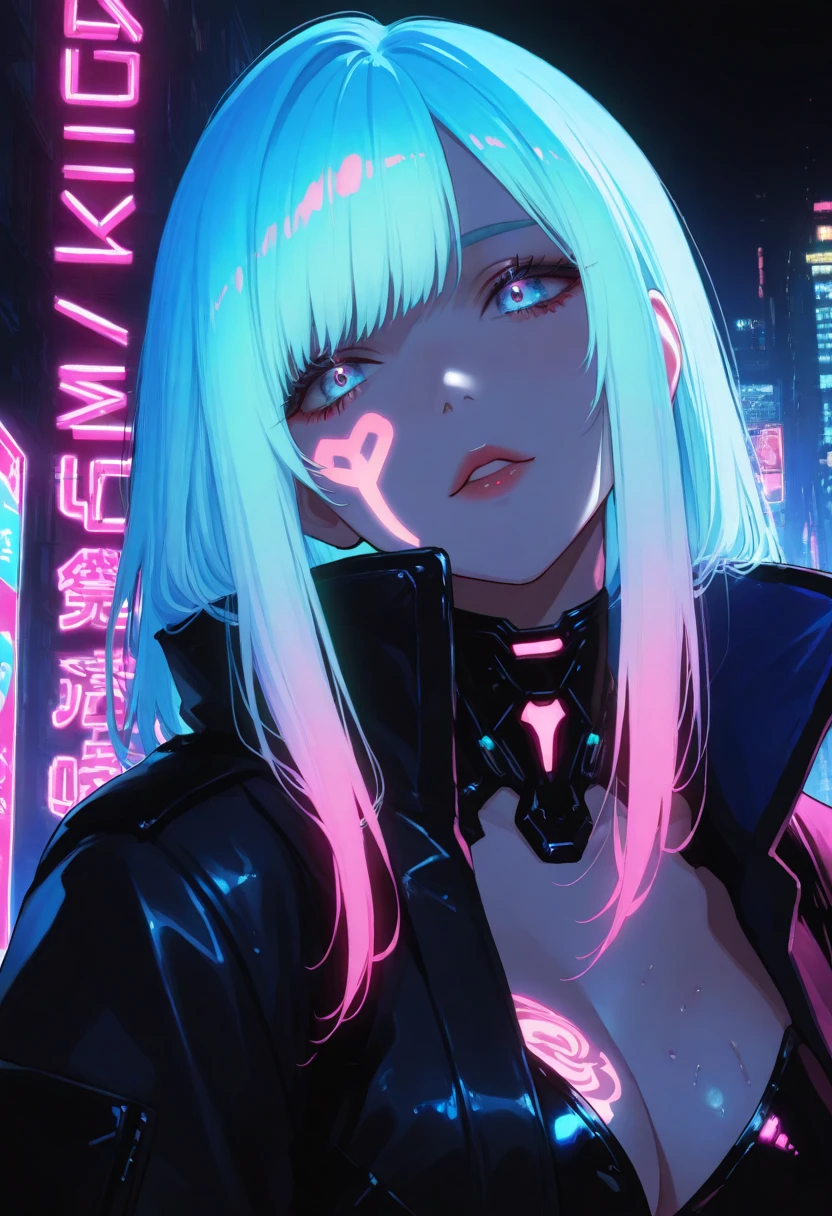
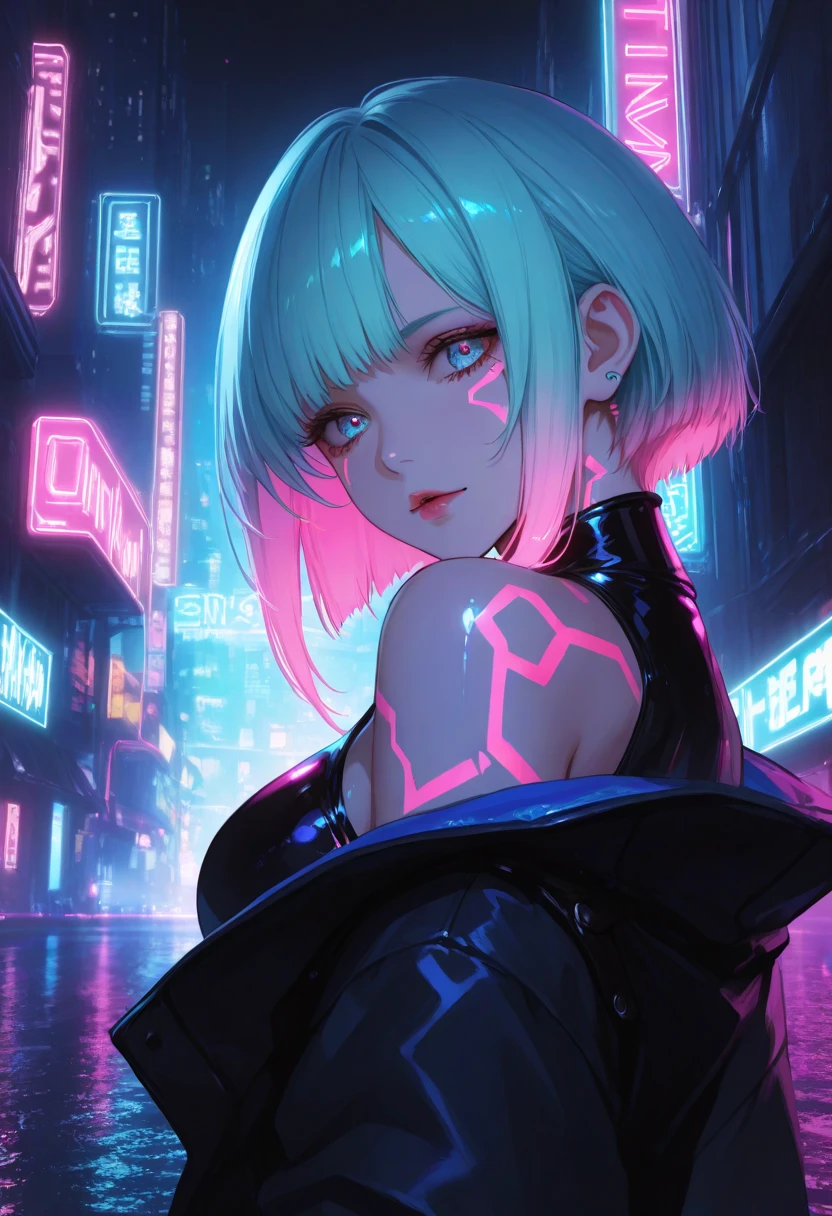
📝 Note: Combine with “glowing signs”, “neon reflections”, or “colorful urban lighting”.
• Magic Circle / Spell Light
Definition: Internal fantasy-based light sources from spells, floating runes, or glyphs.
Visual Use: Magical realism, RPG aesthetics.
Prompt:
1girl casting spell, glowing arcane circle in front of her, soft magical light on face and hands, floating symbols around
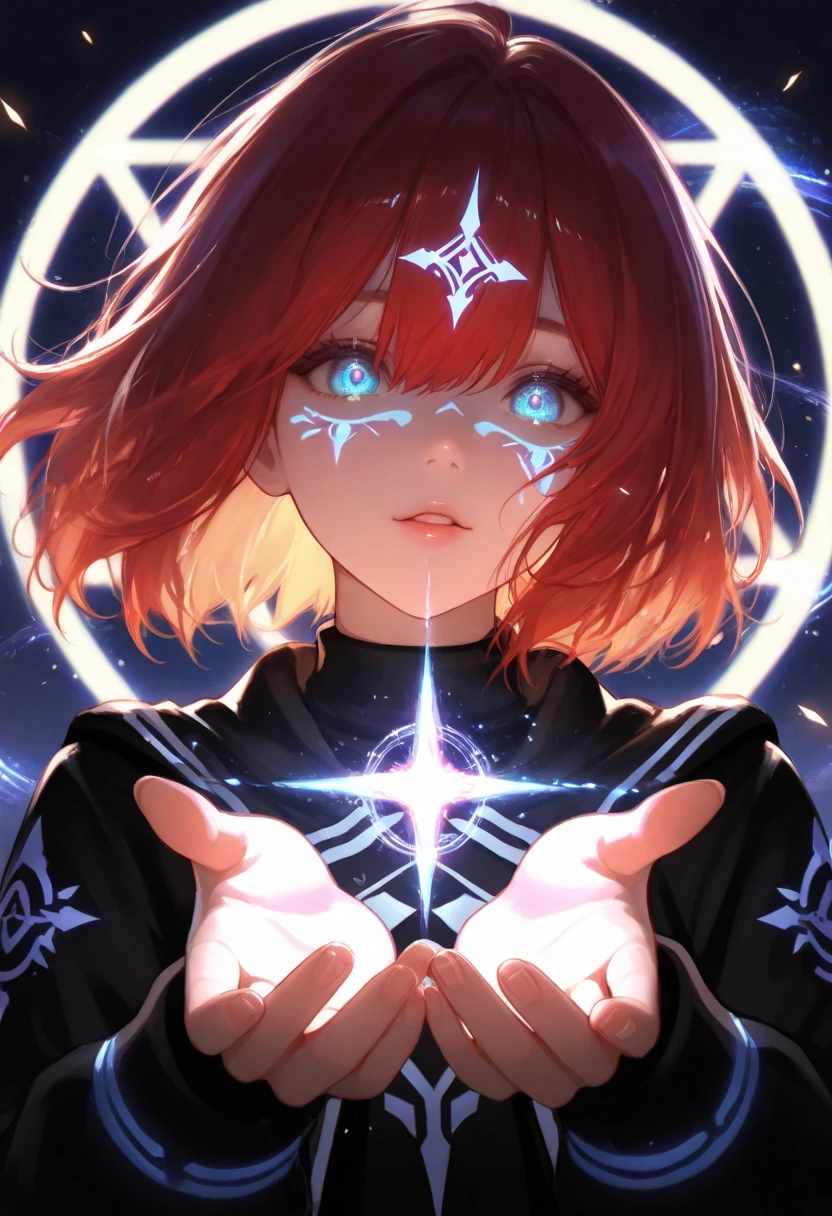
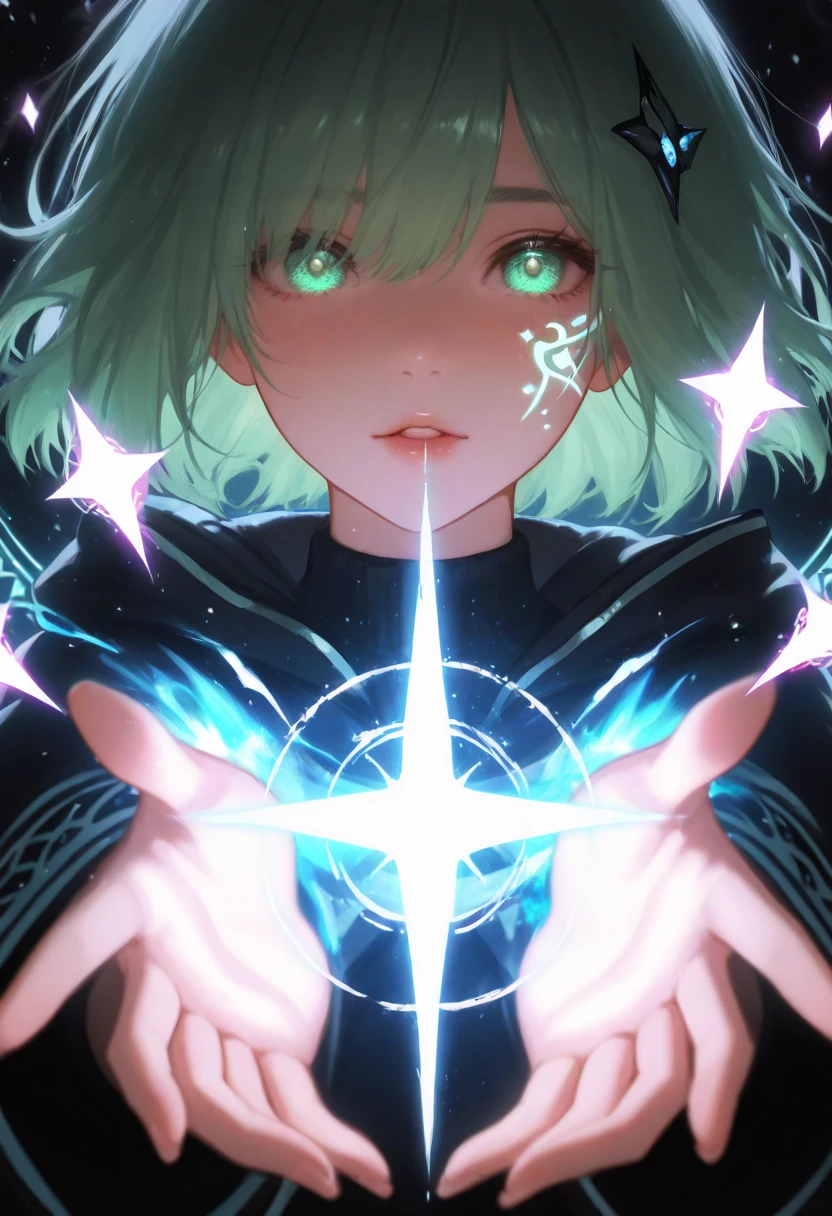
📝 Note: Use “soft spell glow”, “arcane energy lighting”, or “fantasy luminescence”.
D. Artificial Indoor Lighting
• Ceiling Light / Overhead Lamp
Definition: Standard indoor light source from above—flat and functional.
Visual Use: Everyday realism, apartments, classrooms.
Prompt:
1girl, ceiling light, indoor lighting, soft yellow glow, evenly lit room, relaxed atmosphere, casual outfit, warm interior, overhead light source
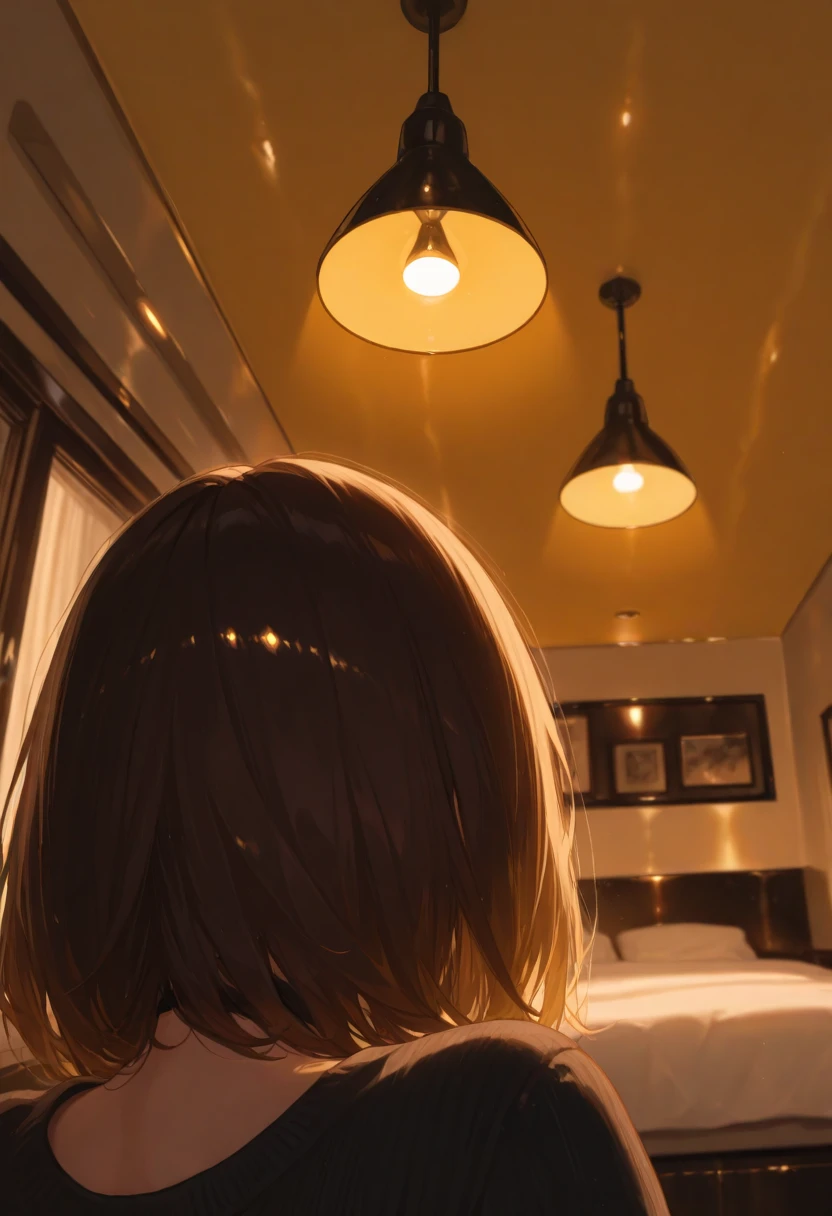
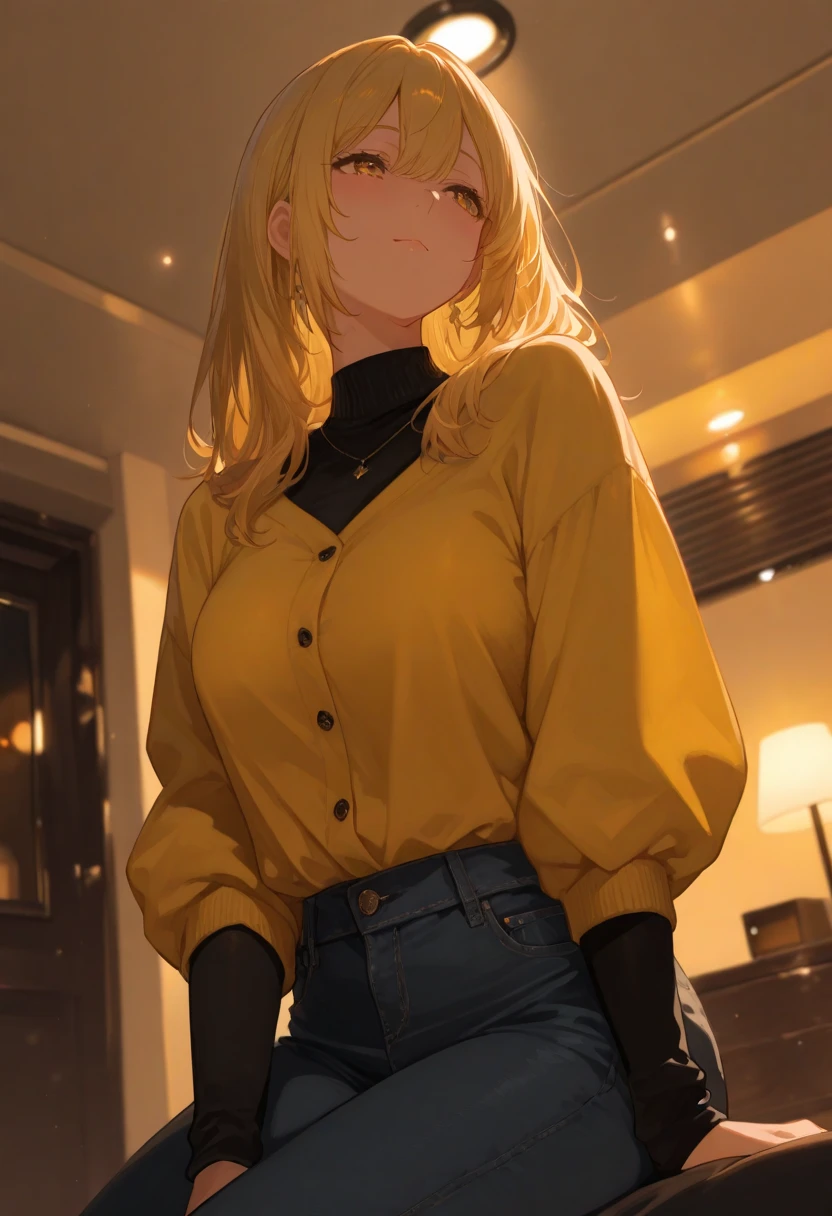
📝 Note: Good for “home lighting”, “school setting”, or “neutral soft tone”.
• Desk Lamp / Reading Light
Definition: A small, directed indoor light, usually warm and focused.
Visual Use: Late-night scenes, studying, introspection.
Prompt:
1girl studying under desk lamp, warm focused light on book and face, darkened room, soft shadows around edges
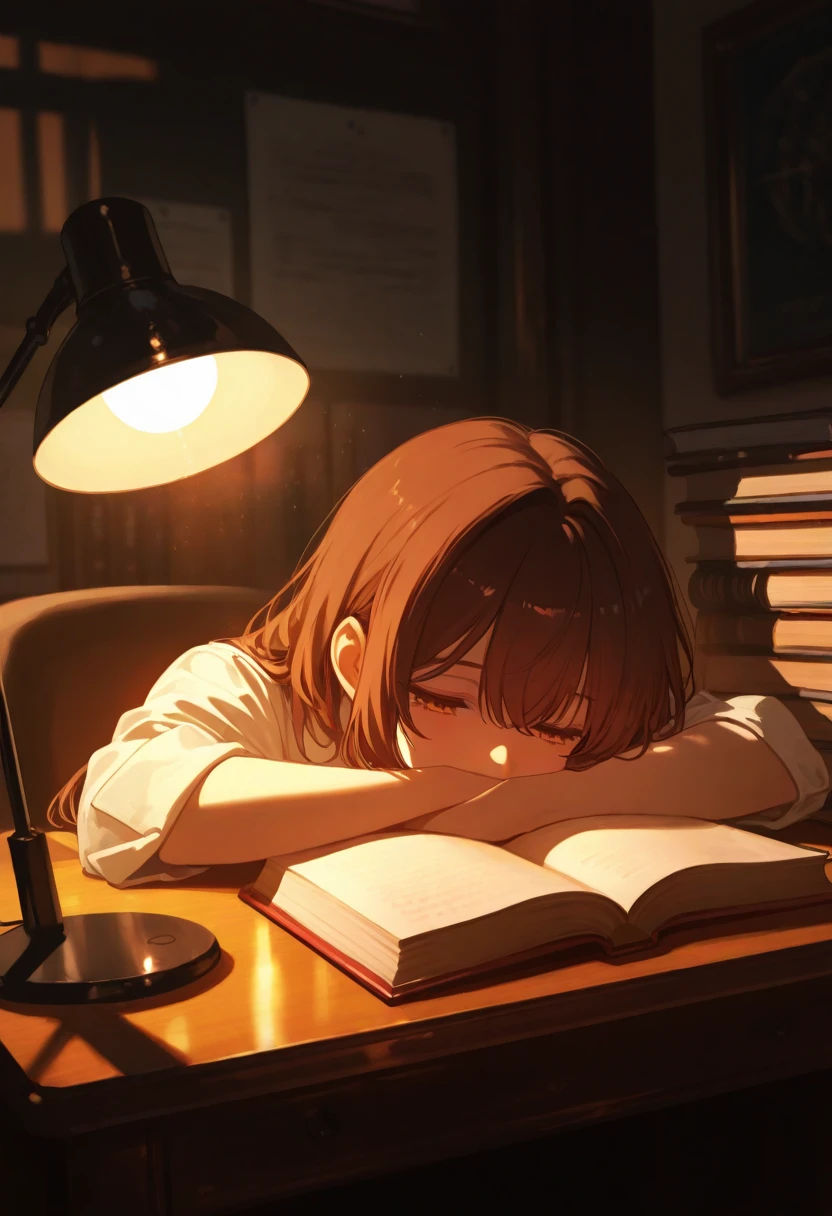
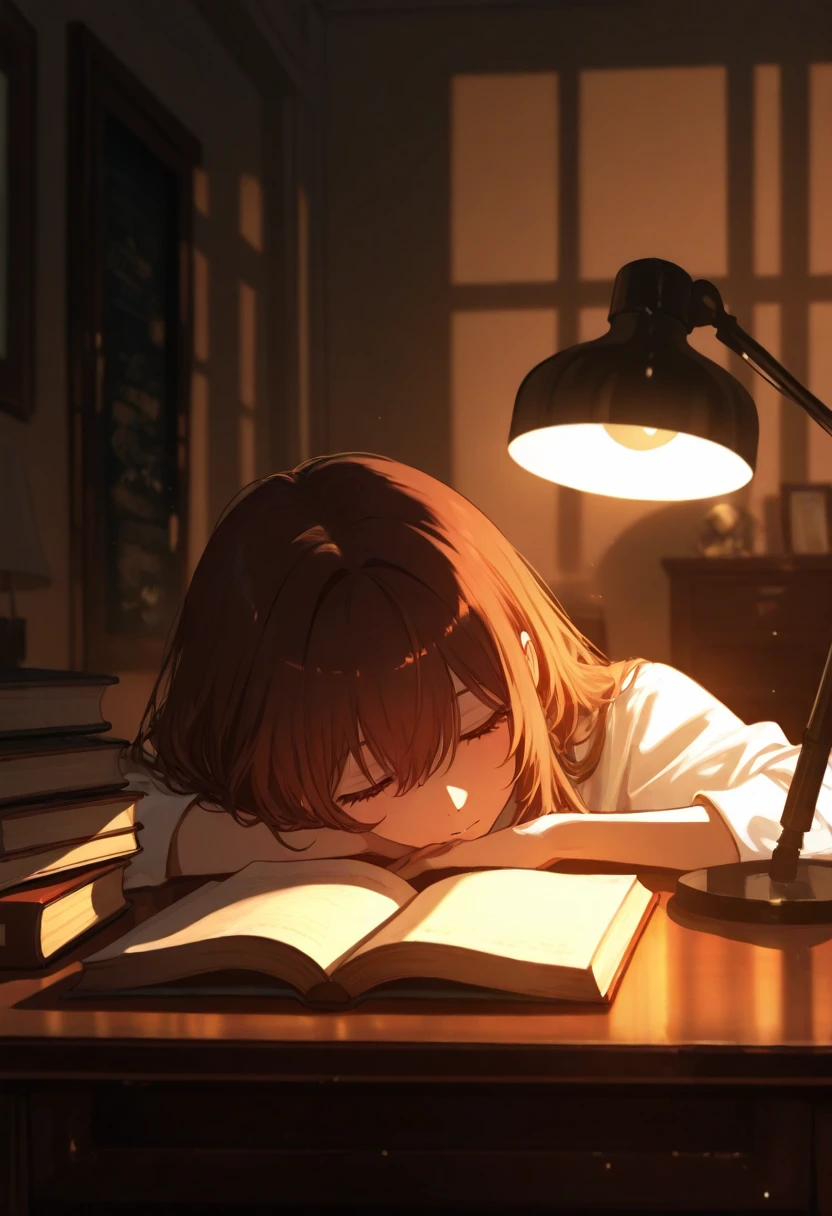
📝 Note: Try “cozy indoor focus”, “local light source”, or “reading glow”.
• Wall Lamp / Sconce
Definition: Decorative side lighting mounted to walls; adds ambient warmth.
Visual Use: Vintage, elegant interiors, cinematic settings.
Prompt:
1girl walking past vintage wall sconce, warm glow cast sideways on wallpaper, soft ambient shadows behind
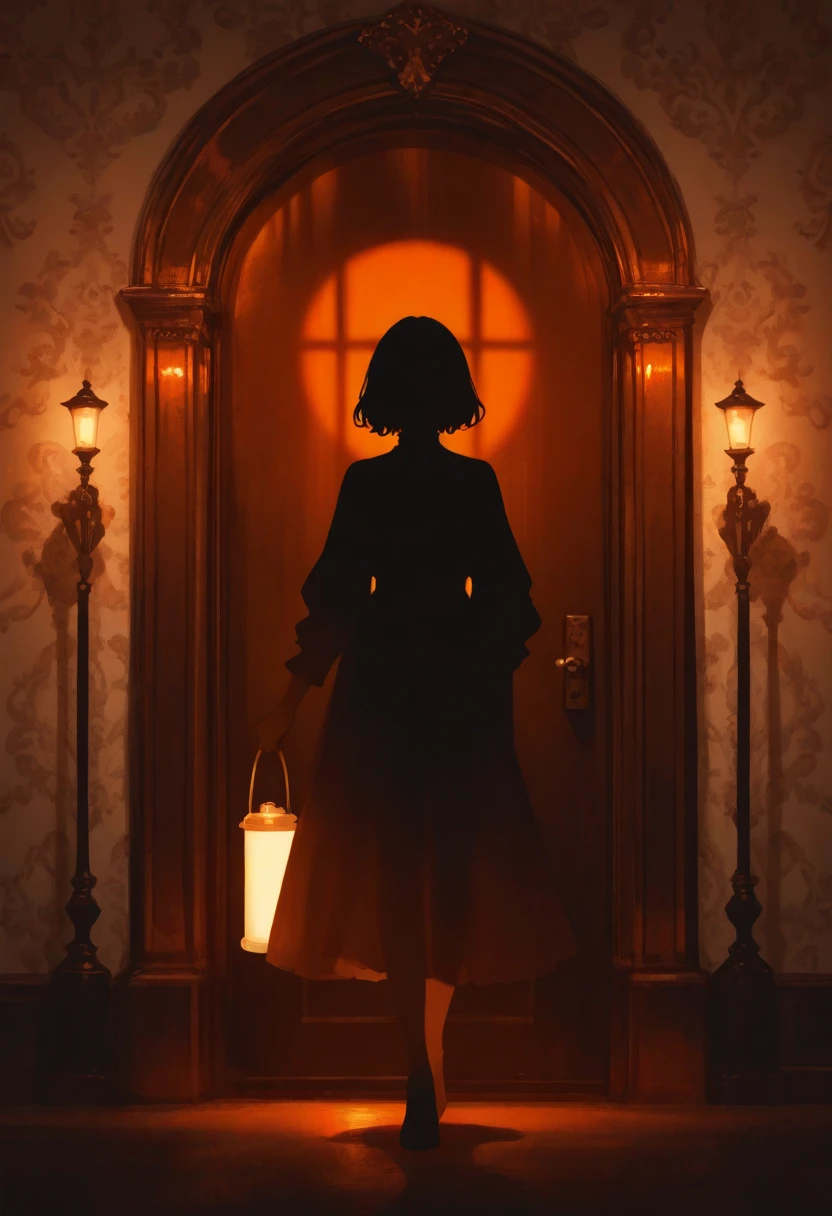
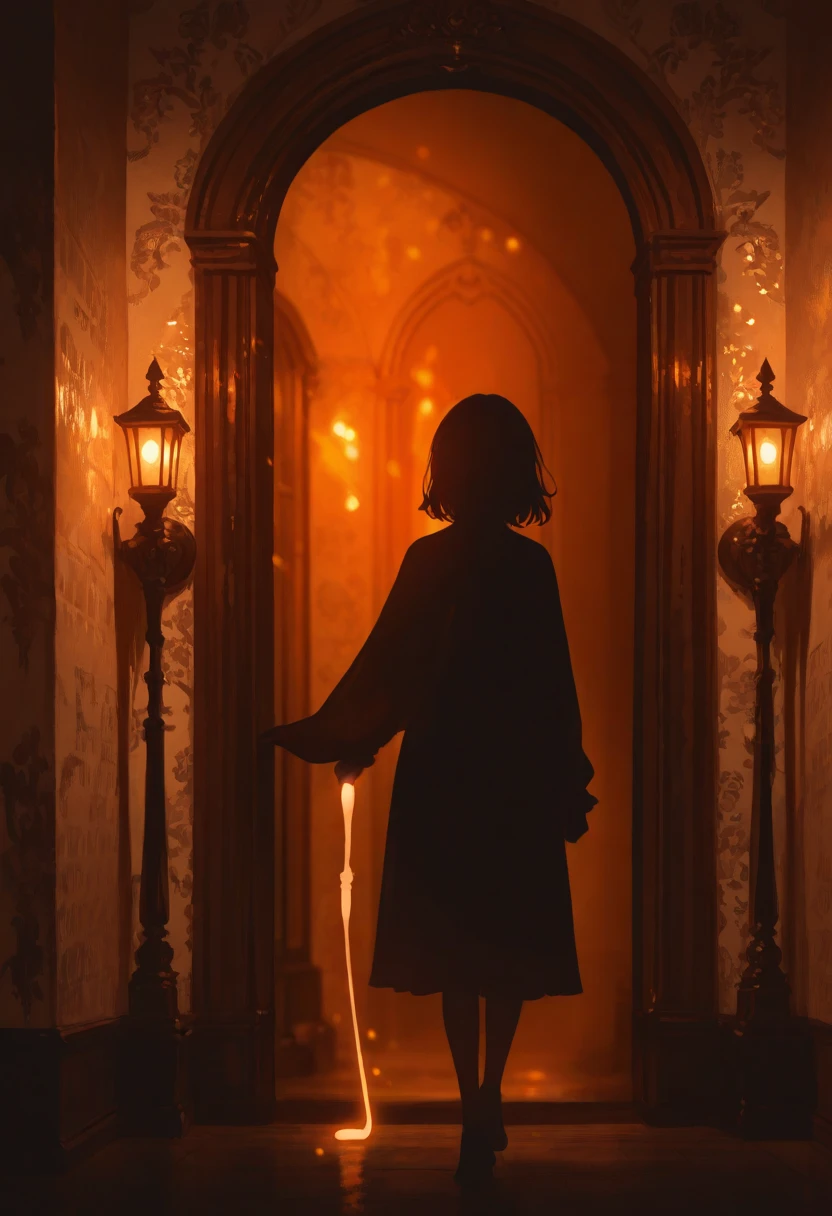
📝 Note: Works well with “hallway lighting”, “side wall glow”, or “cinematic corridor”.
• Chandelier
Definition: A large decorative ceiling fixture with multiple bulbs—adds elegance and multi-point lighting.
Visual Use: Luxury, ballroom, historical drama.
Prompt:
1girl under ornate chandelier, soft golden lighting on shoulders, elegant ballroom scene, reflections on polished floor
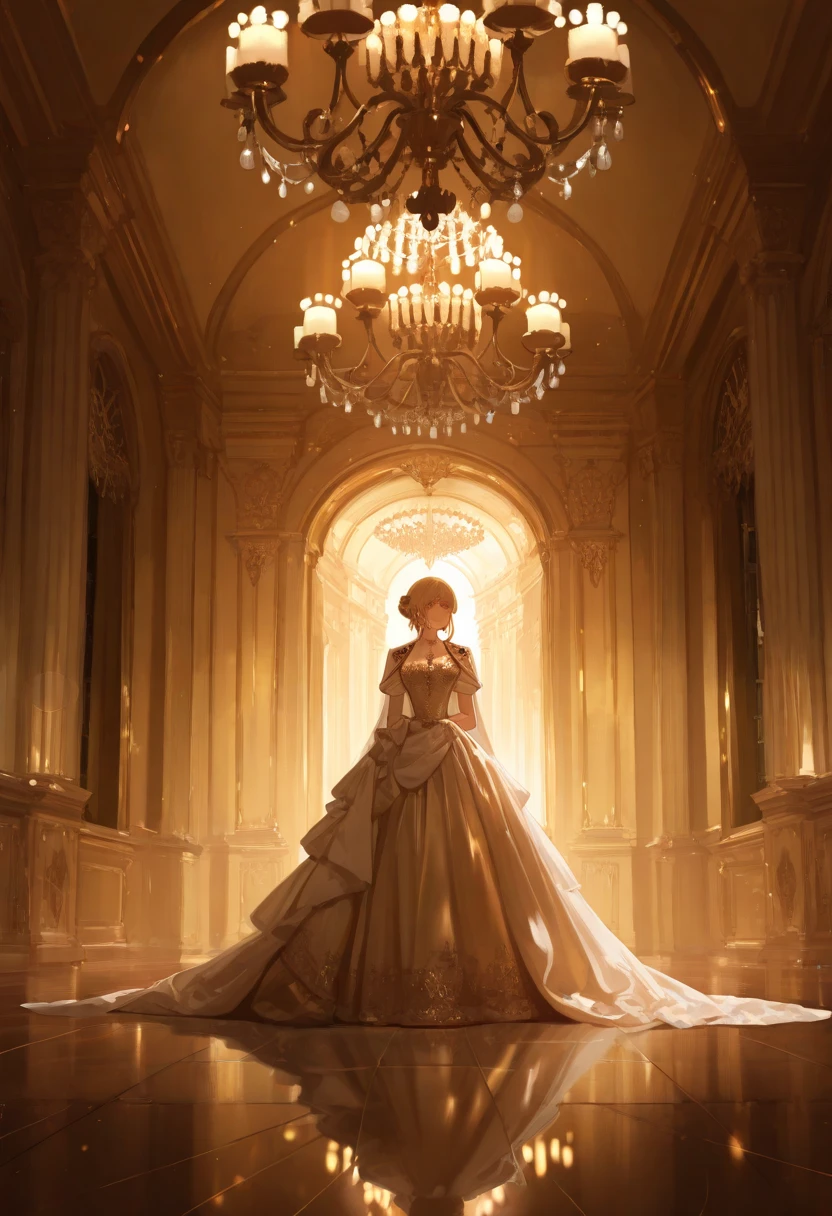
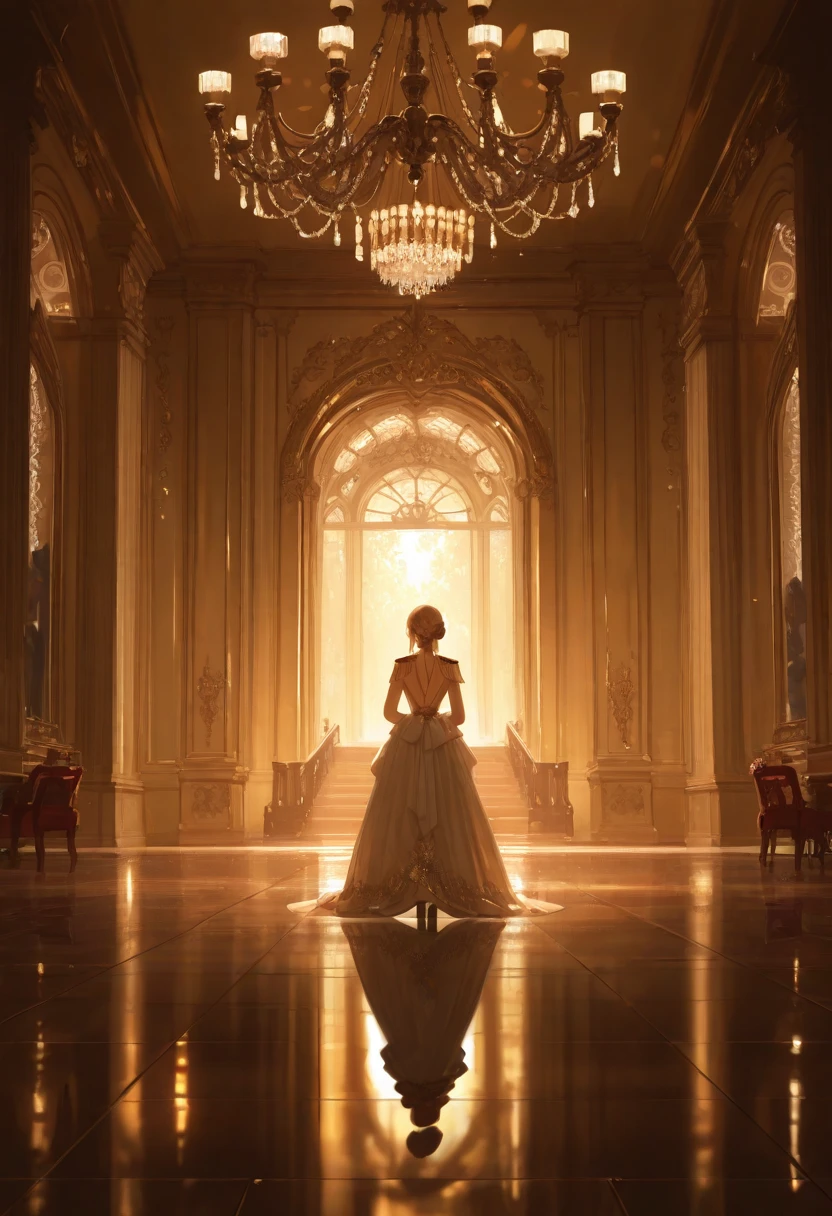
📝 Note: Pair with “elegant ambient light”, “rich shadows”, or “multiple light points”.
E. Dramatic / Focused Light Sources
• Flashlight
Definition: Intense directional beam in dark settings—used to create suspense or mystery.
Visual Use: Horror, searching, discovery.
Prompt:
1girl, flashlight, dark room, beam lighting, partial face illumination, strong shadows, dramatic lighting, horror atmosphere, suspenseful mood, low light
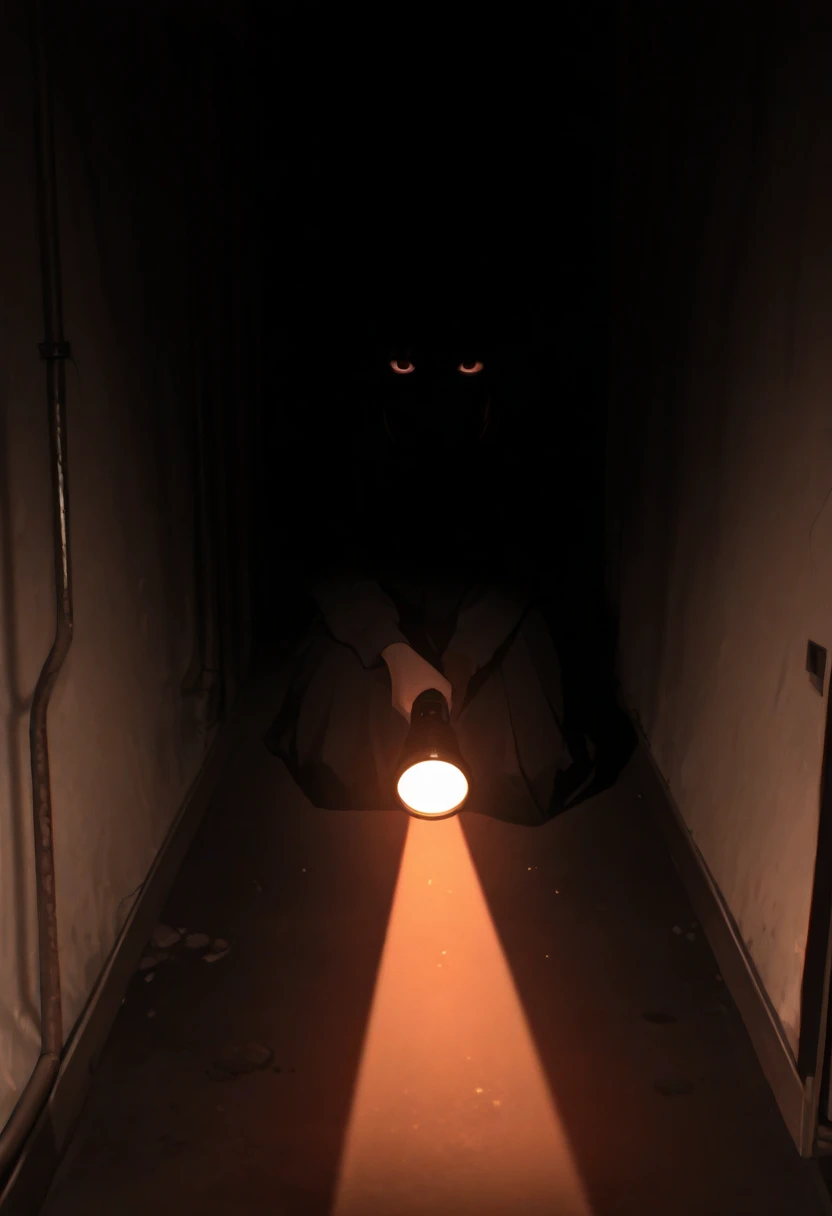
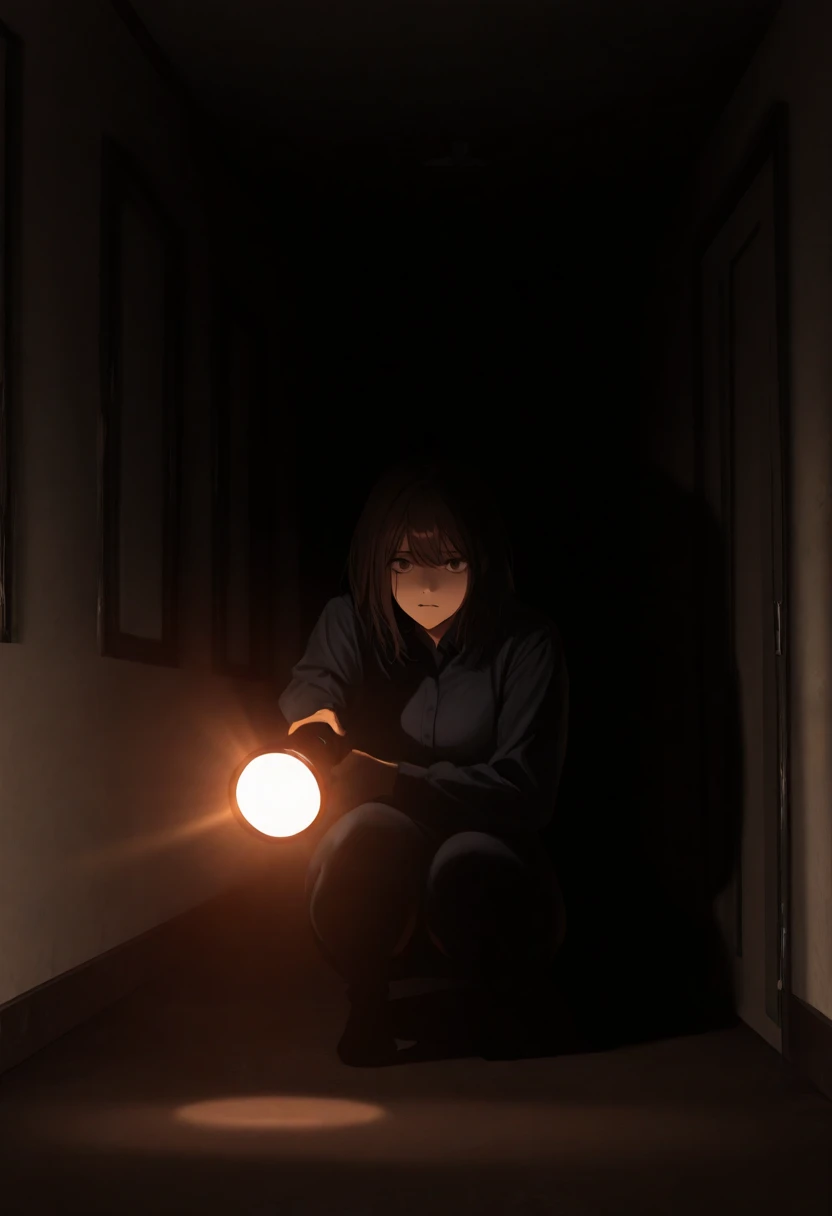
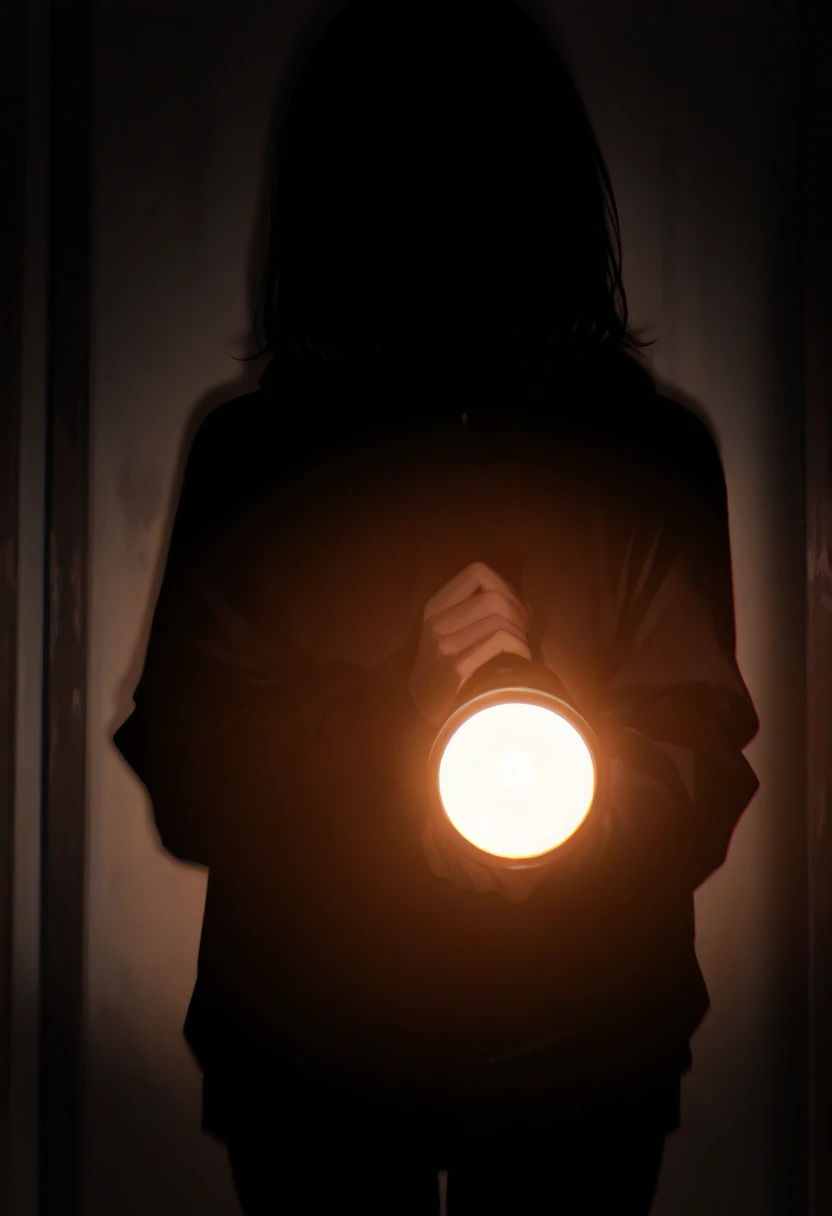
📝 Note: Keywords like “beam of light”, “partial face illumination”, or “focused suspense light” work well.
• Spotlight / Stage Light
Definition: Sharp, isolated light focusing entirely on the subject; often theatrical.
Visual Use: Performance, interrogation, drama.
Prompt:
1girl under spotlight on dark stage, sharp shadow edges, dramatic performance pose, isolated subject with black background
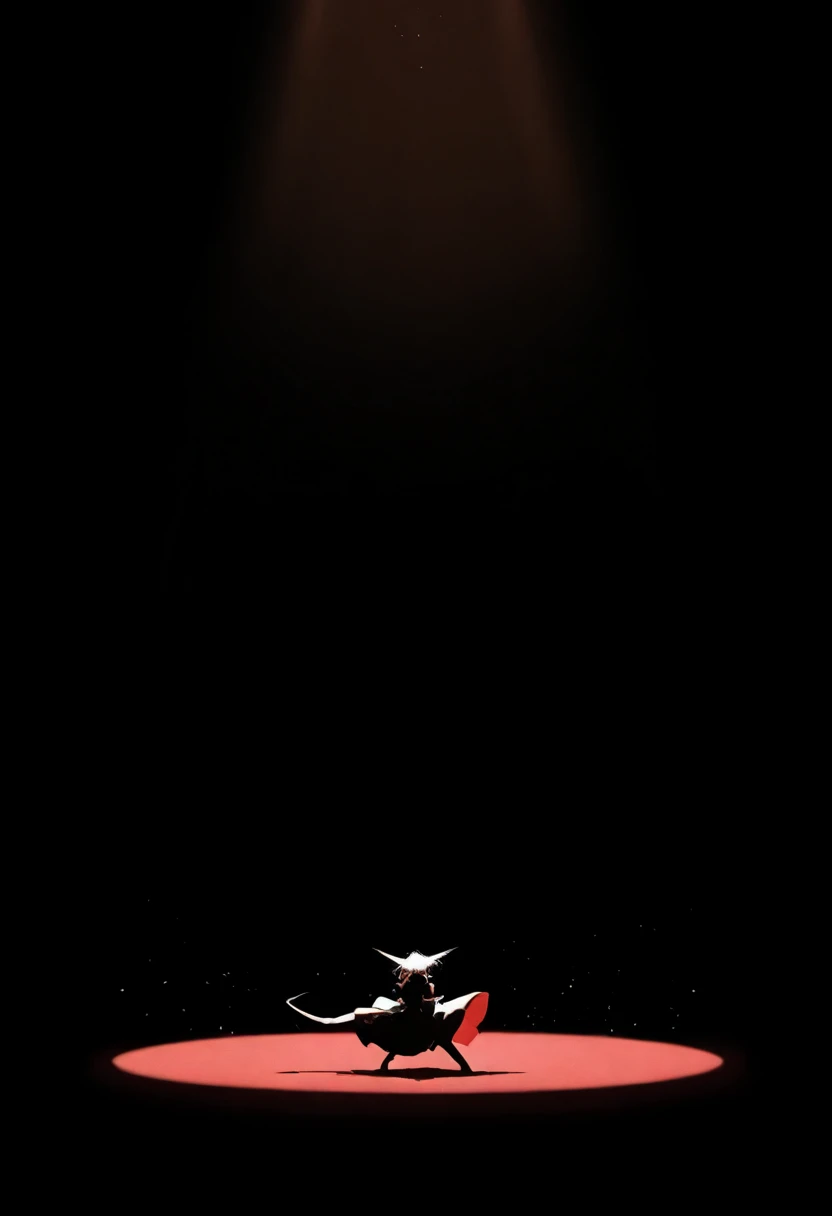
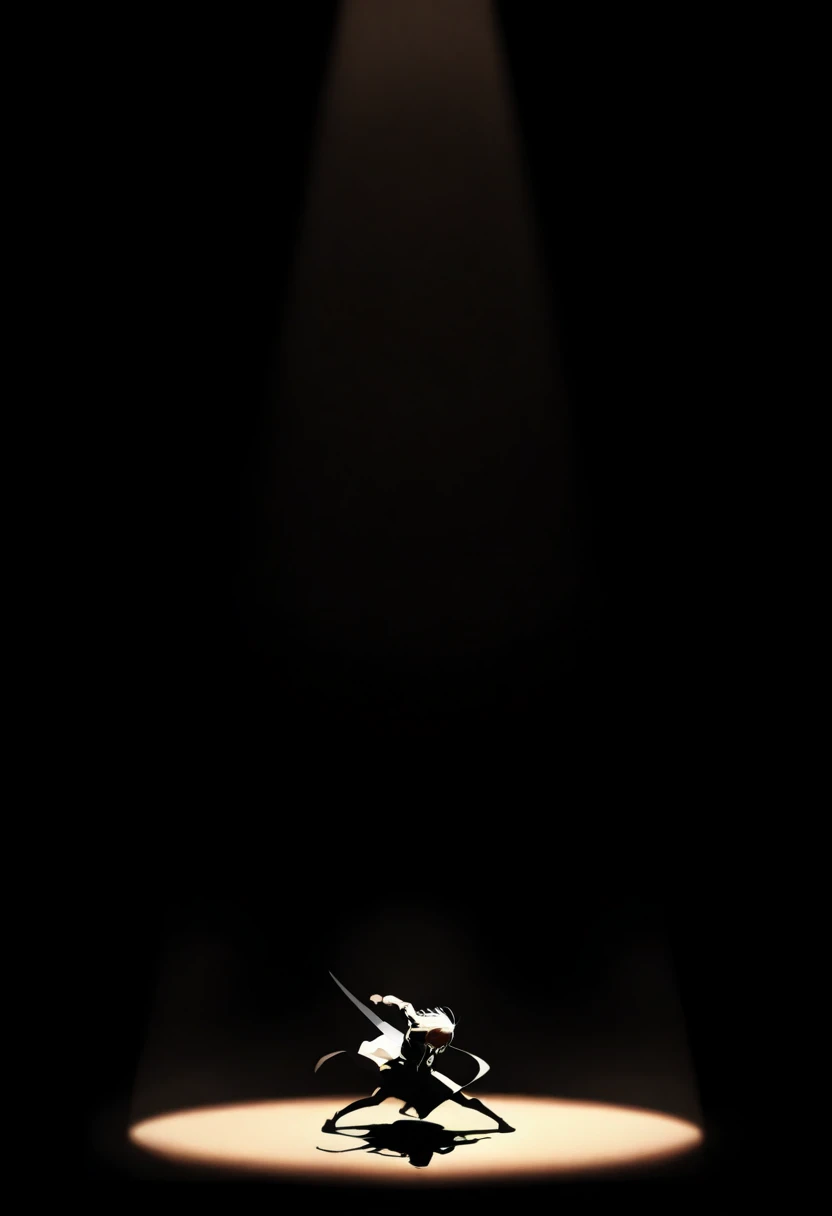
📝 Note: Use “sharp single light”, “theatrical illumination”, or “performance scene”.
• TV / Monitor Light
Definition: Cool-toned, soft glow from screens—common in dark rooms.
Visual Use: Intimacy, isolation, cyber feel.
Prompt:
1girl, screen light, dark room, soft blue glow, face illumination, eye reflections, monitor lighting, quiet atmosphere, digital ambient light, low contrast
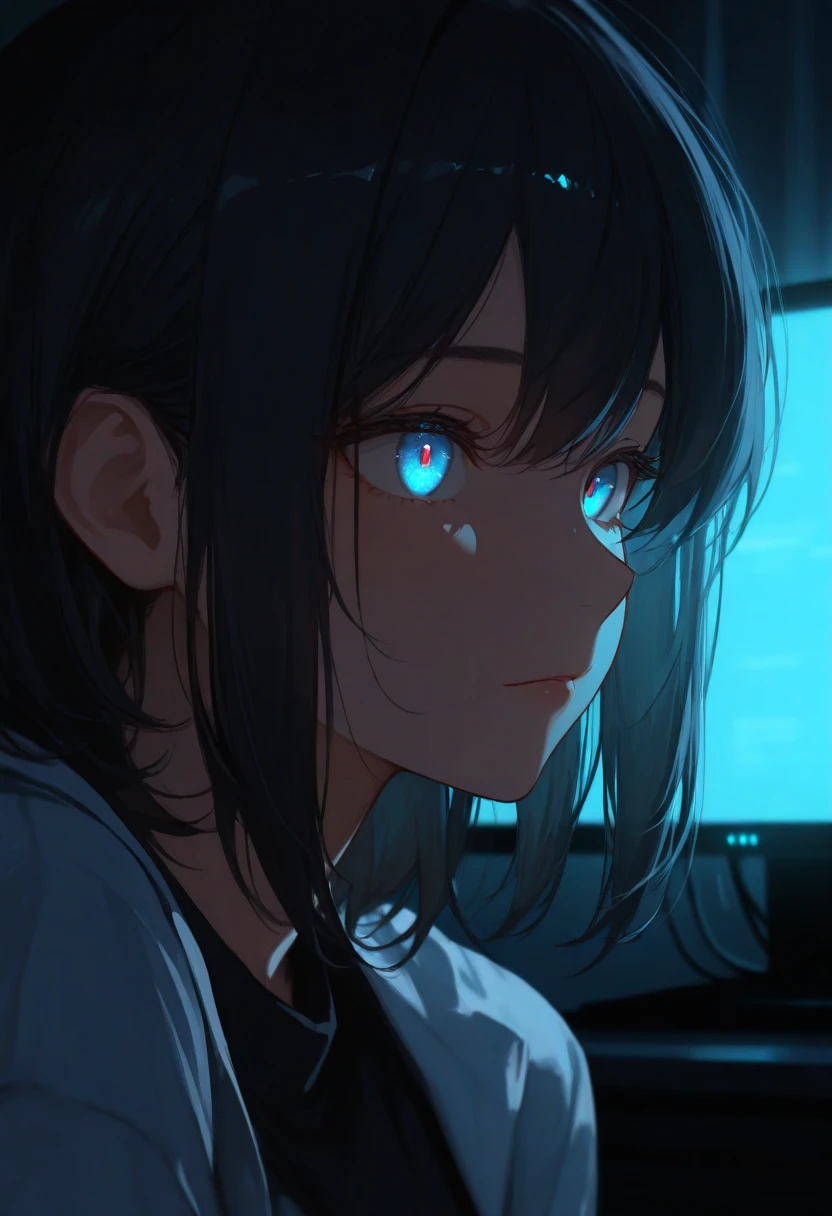
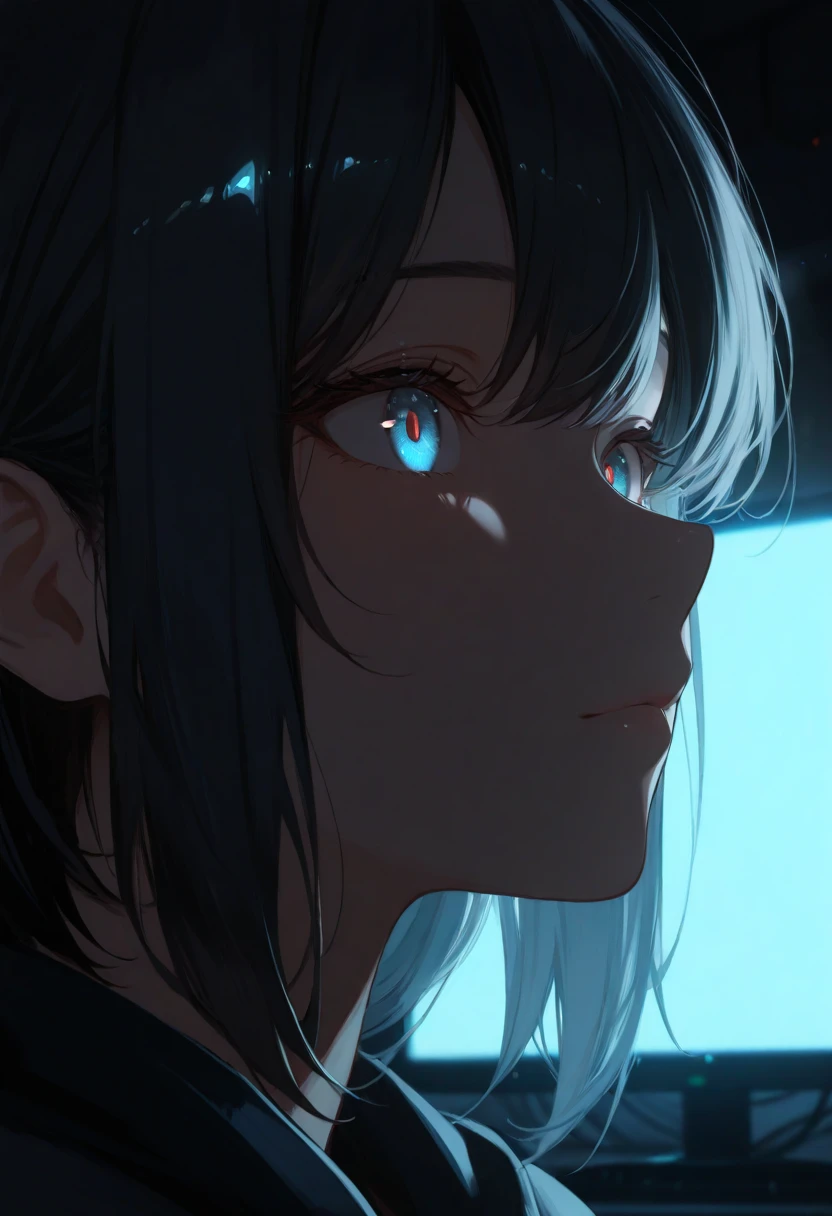
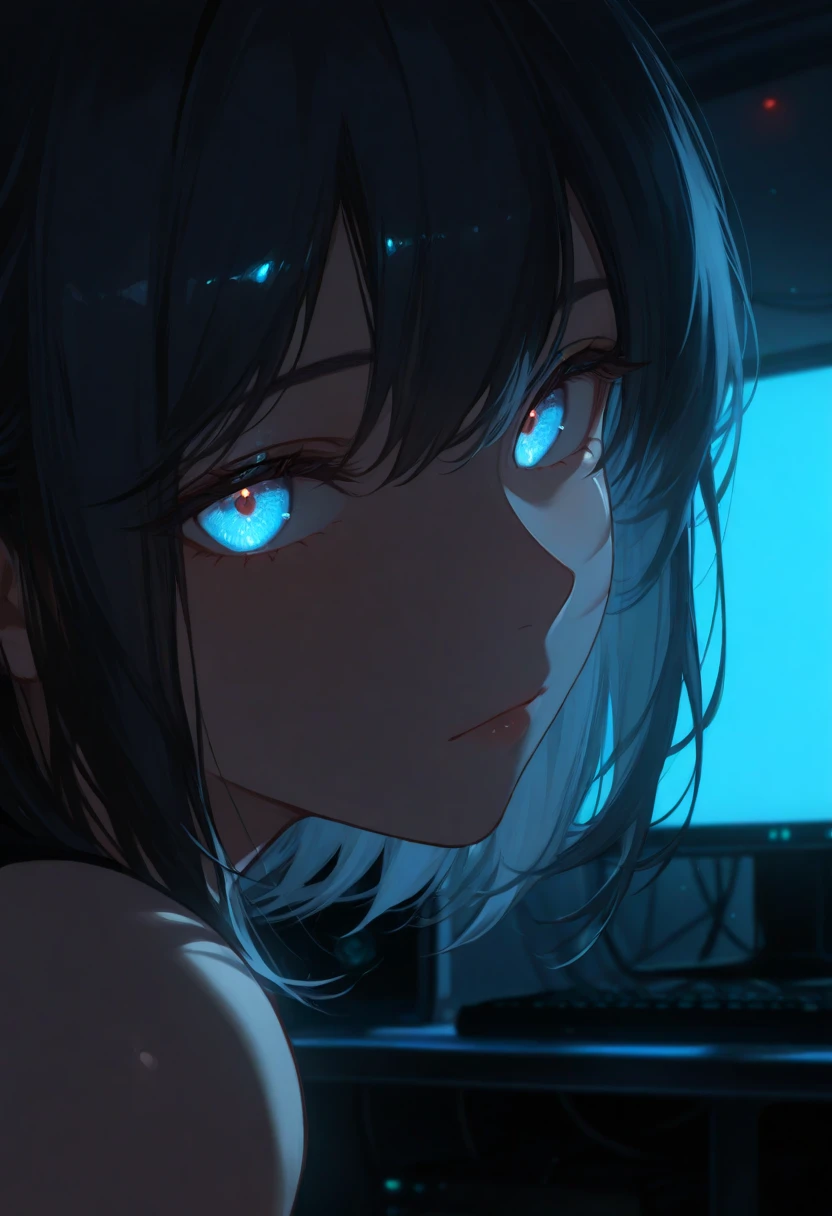
📝 Note: Combine with “cool ambient light”, “dark tech setting”, or “glow from screen”.
5. Light Effects – Style, Movement, and Mood
Definition: Light effects describe how light behaves in a scene whether it’s scattering, reflecting, refracting, or interacting with particles and surfaces. These effects add cinematic realism, emotional storytelling, or stylized fantasy to your AI-generated art.
A. Soft Glows & Dreamlike Effects
• Bloom
Definition: A soft, radiant light spill from overexposed highlights; adds dreaminess or fantasy glow.
Visual Use: Ideal for romance, backlighting, angelic or magical moods.
Prompt:
1girl with soft glowing skin, bloom effect around hair and cheeks, warm sunlight ?, dreamy focus, golden haze background
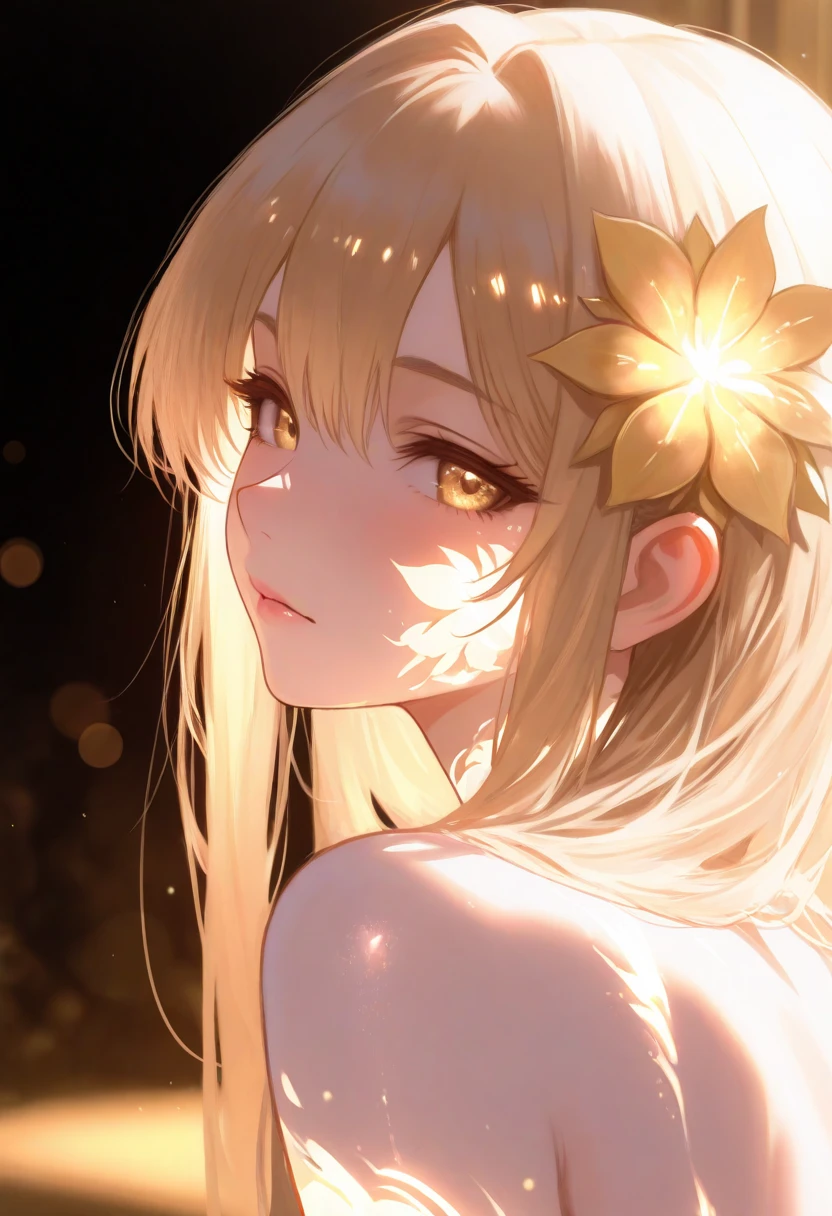
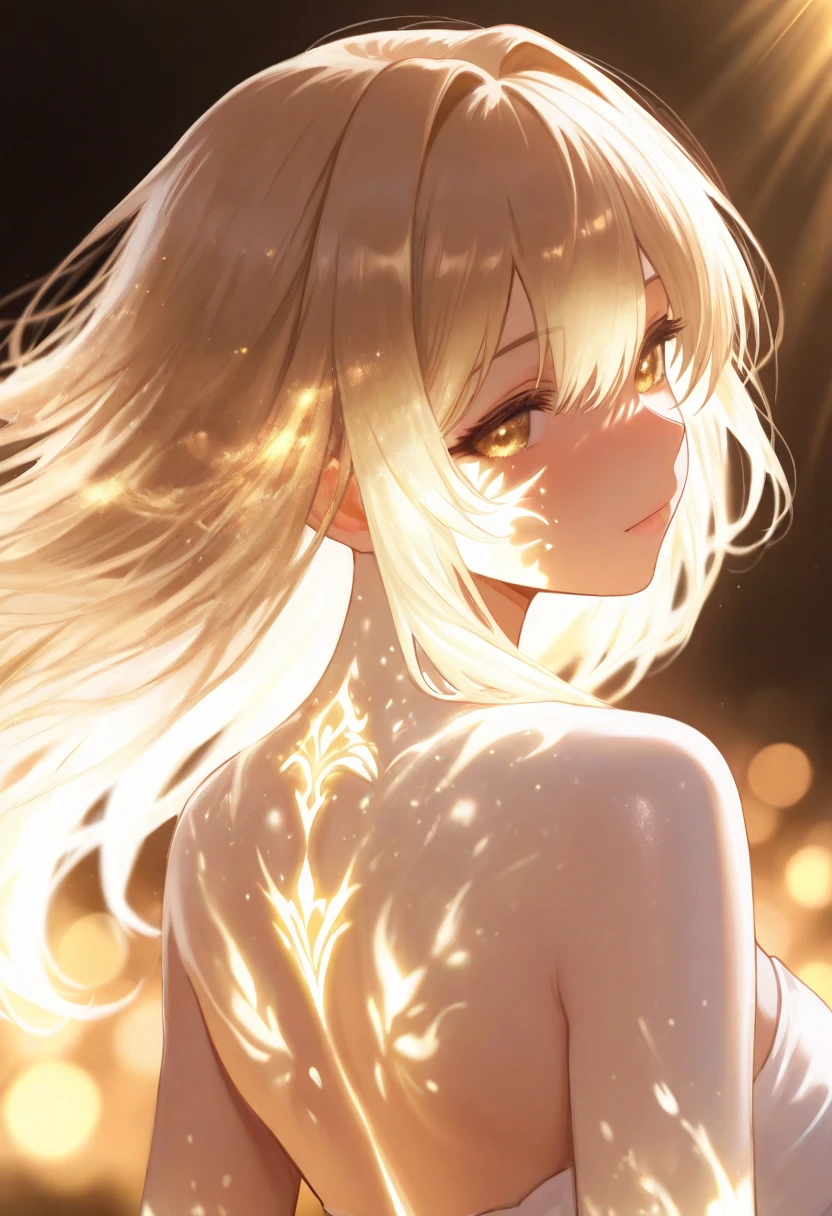
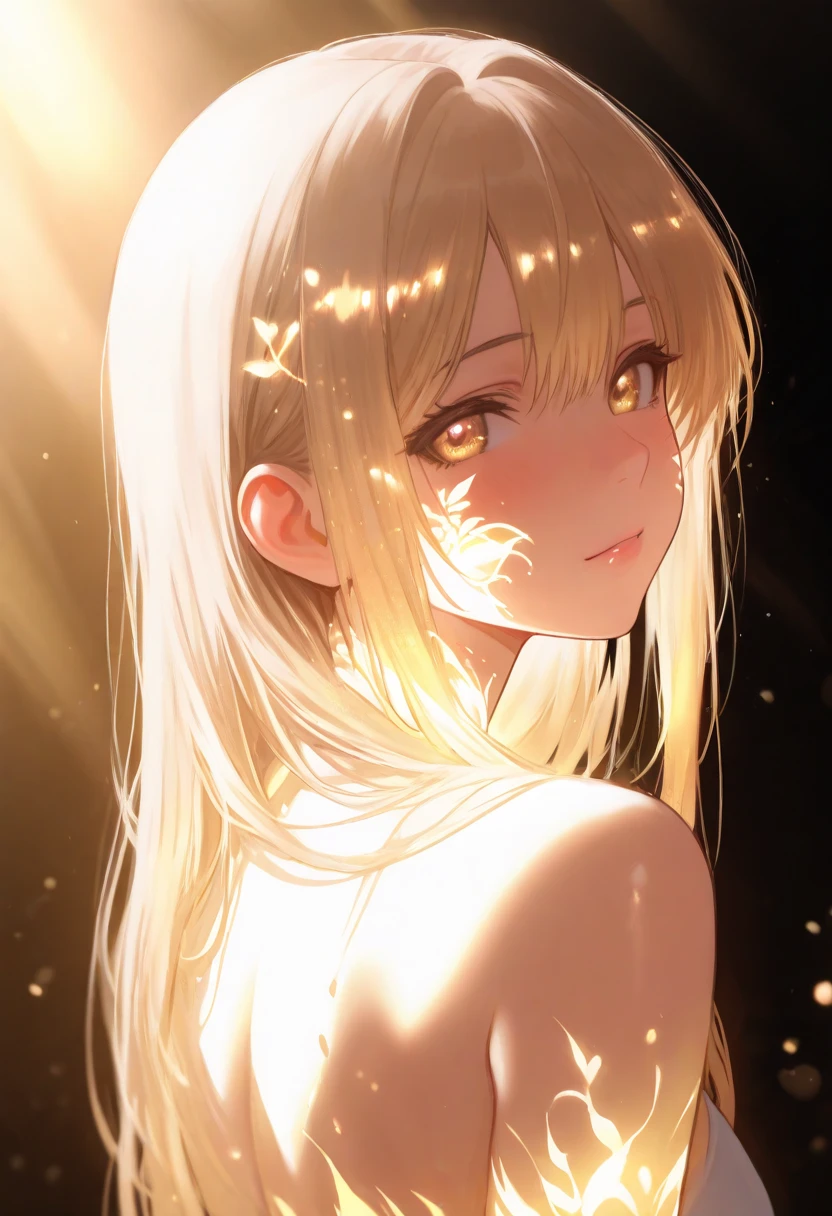
📝 Note: Use with backlighting, “soft focus”, or “glow around subject”. Enhances emotion or elegance.
• Ambient Lighting (Low Contrast)
Definition: Indirect, source-less light that softly fills a space; shadows are minimal.
Visual Use: Fog, introspective scenes, liminal dreamscapes.
Prompt:
1girl in foggy street, soft ambient light with no visible source, muted tones, low contrast, ethereal atmosphere
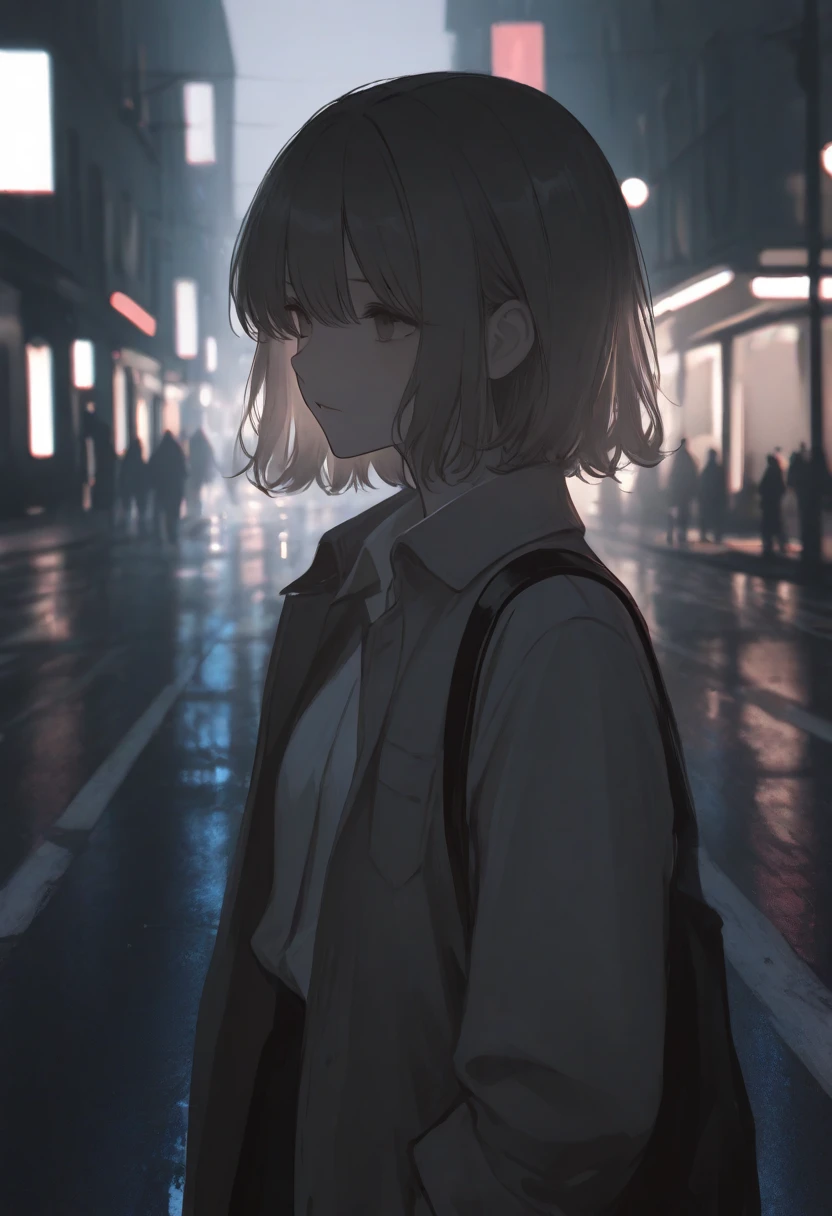
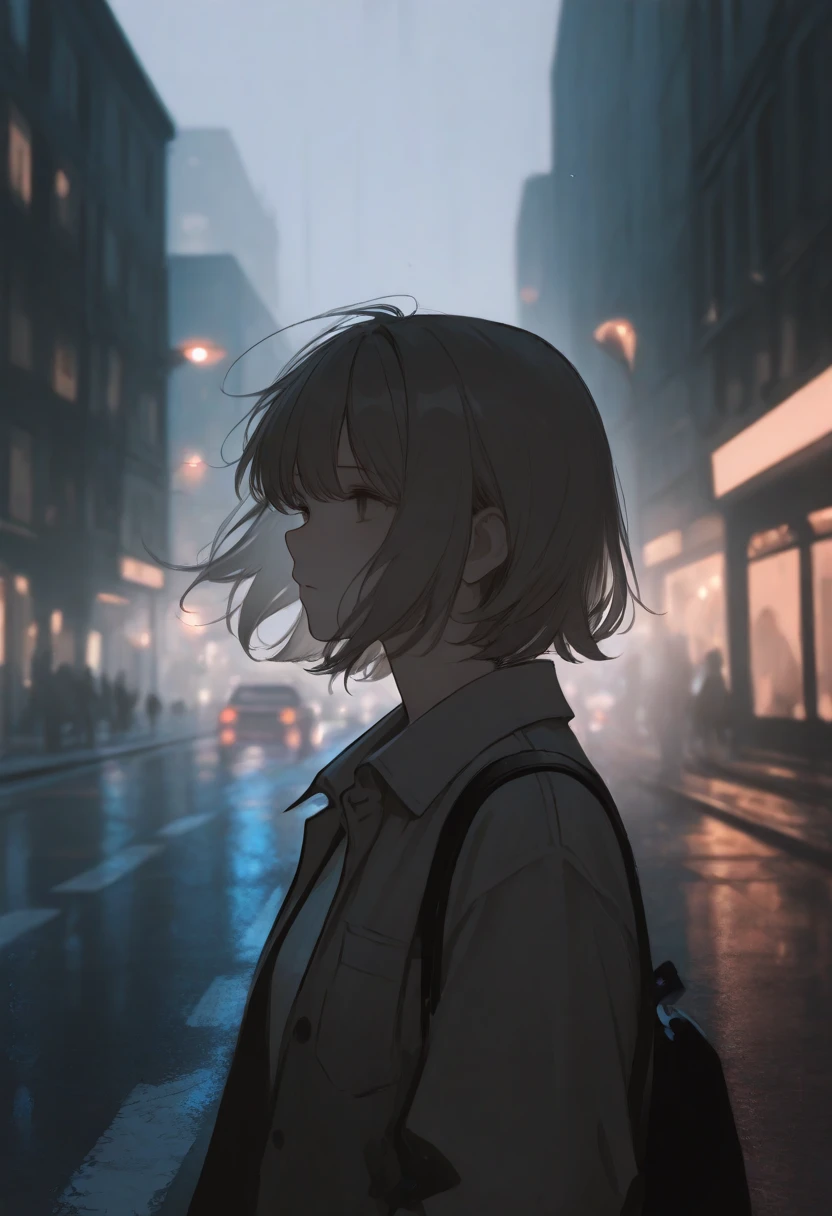
📝 Note: Use terms like “foggy light”, “low contrast lighting”, or “dreamy ambient glow”. Works well with mist, night, or interior spaces.
• Refraction / Rainbow Glow
Definition: Light bending through water, mist, or glass causing rainbow-colored streaks or halos.
Visual Use: Magical, surreal, or emotionally charged moments.
Prompt:
1girl with rainbow streaks across face, prism lighting through mist, glowing light reflecting in eyes, soft magical tone
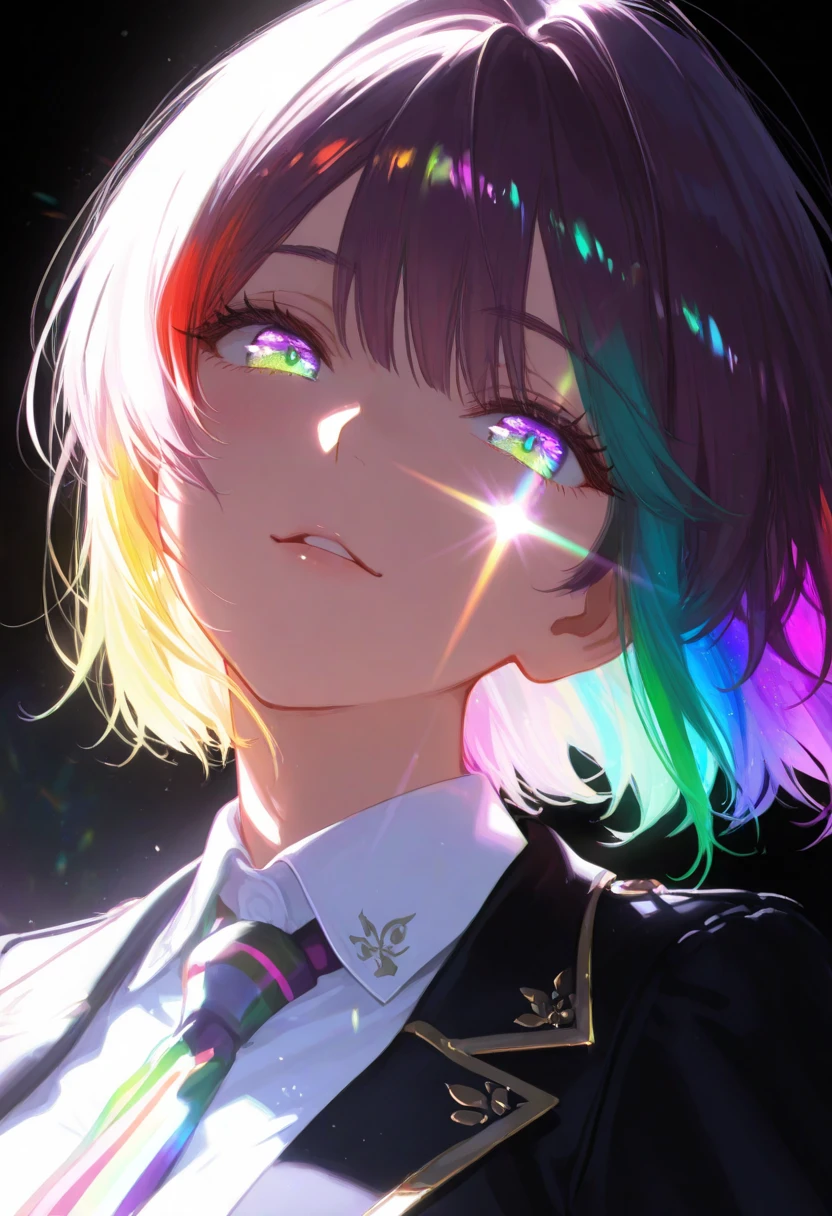
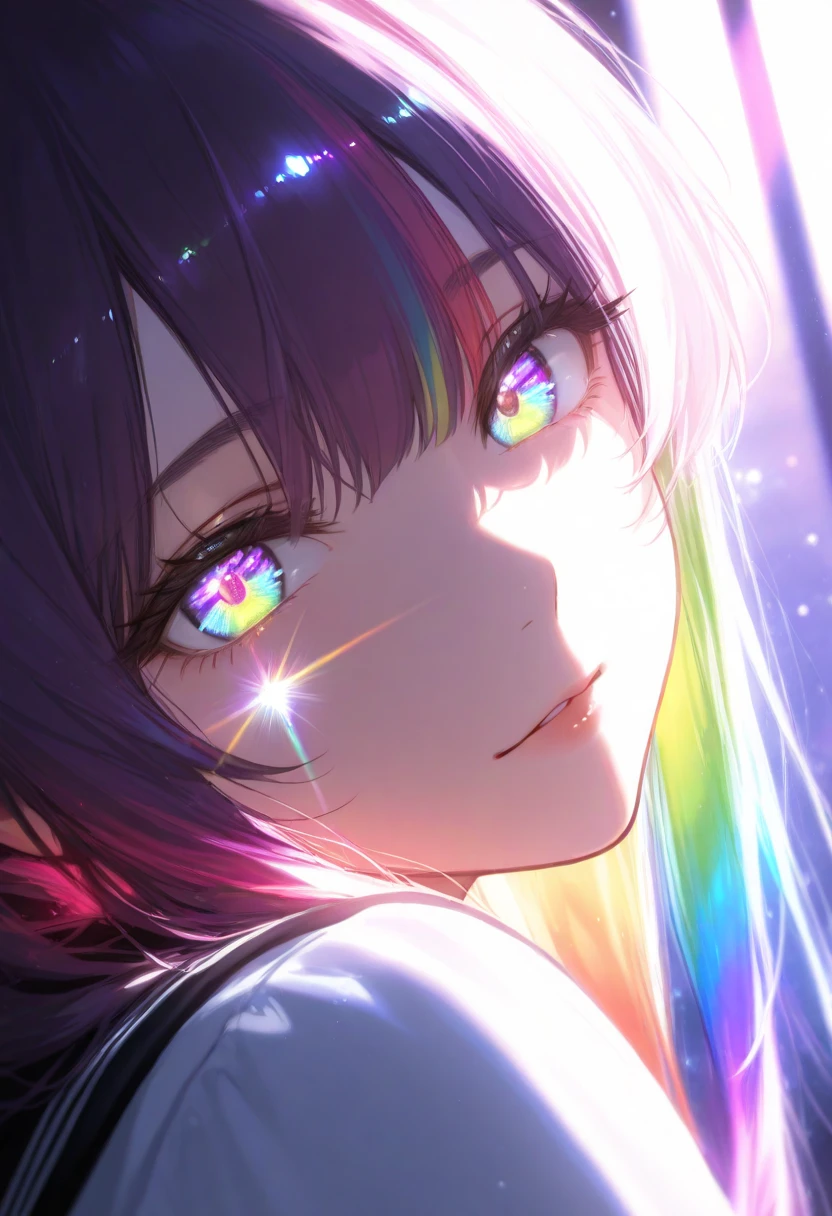
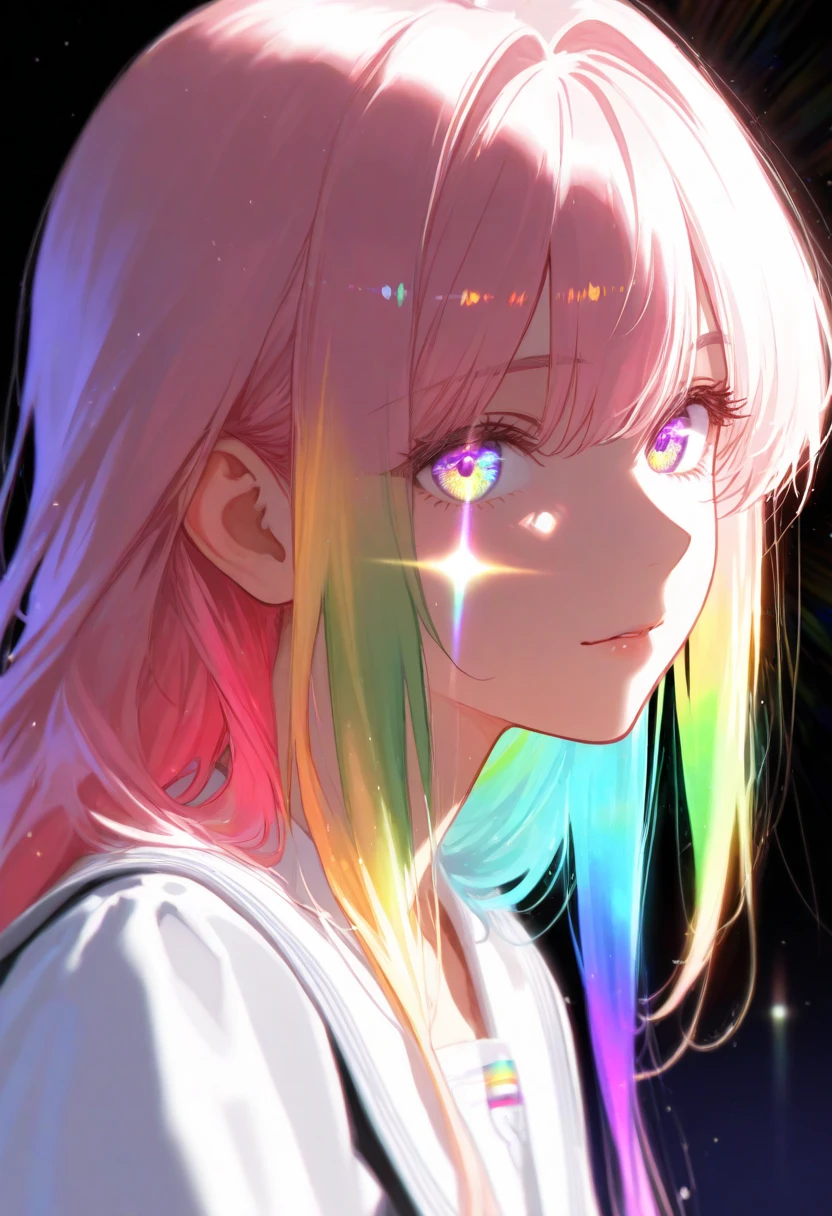
📝 Note: Use “prism light”, “refraction”, “lens glow”, or “rainbow aura”. Ideal for fantasy or divine themes.
B. Directional Volume & Patterned Light
• Sunbeams / Volumetric Light Rays
Definition: Visible shafts of light caused by illumination hitting dust, fog, or moisture.
Visual Use: Forests, temples, churches, divine or mystical atmospheres.
Prompt:
1girl walking through forest, sunbeams cutting through trees, visible light rays across body, golden morning haze
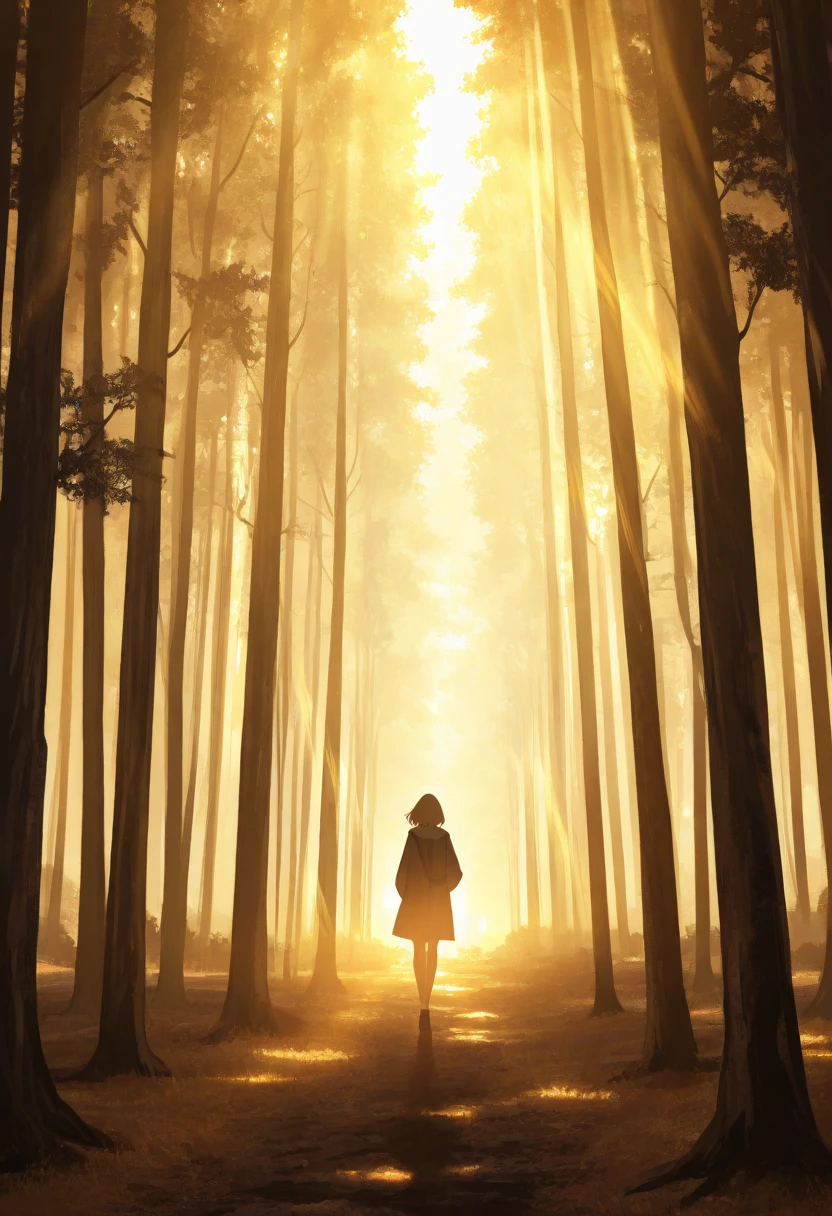
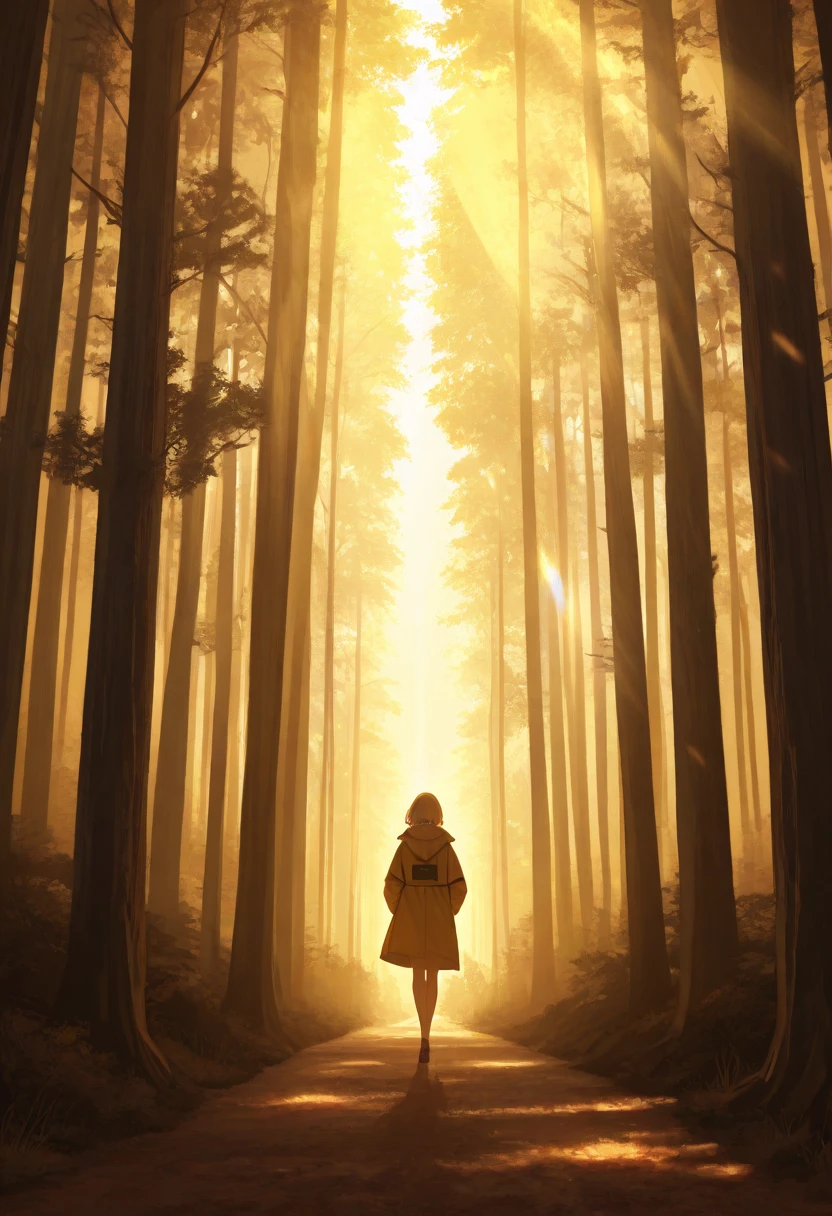
📝 Note: Use terms like “light rays”, “volumetric lighting”, or “sun filtering through fog”. Add “particles” or “dust” for extra realism.
• Dappled Sunlight
Definition: Patterned light scattered through objects like leaves or lace creates organic shapes.
Visual Use: Afternoon nature, peaceful rest, nostalgic warmth.
Prompt:
1girl under a tree, dappled sunlight patterns on her skin, leaf shadow textures, summer field setting, gentle smile
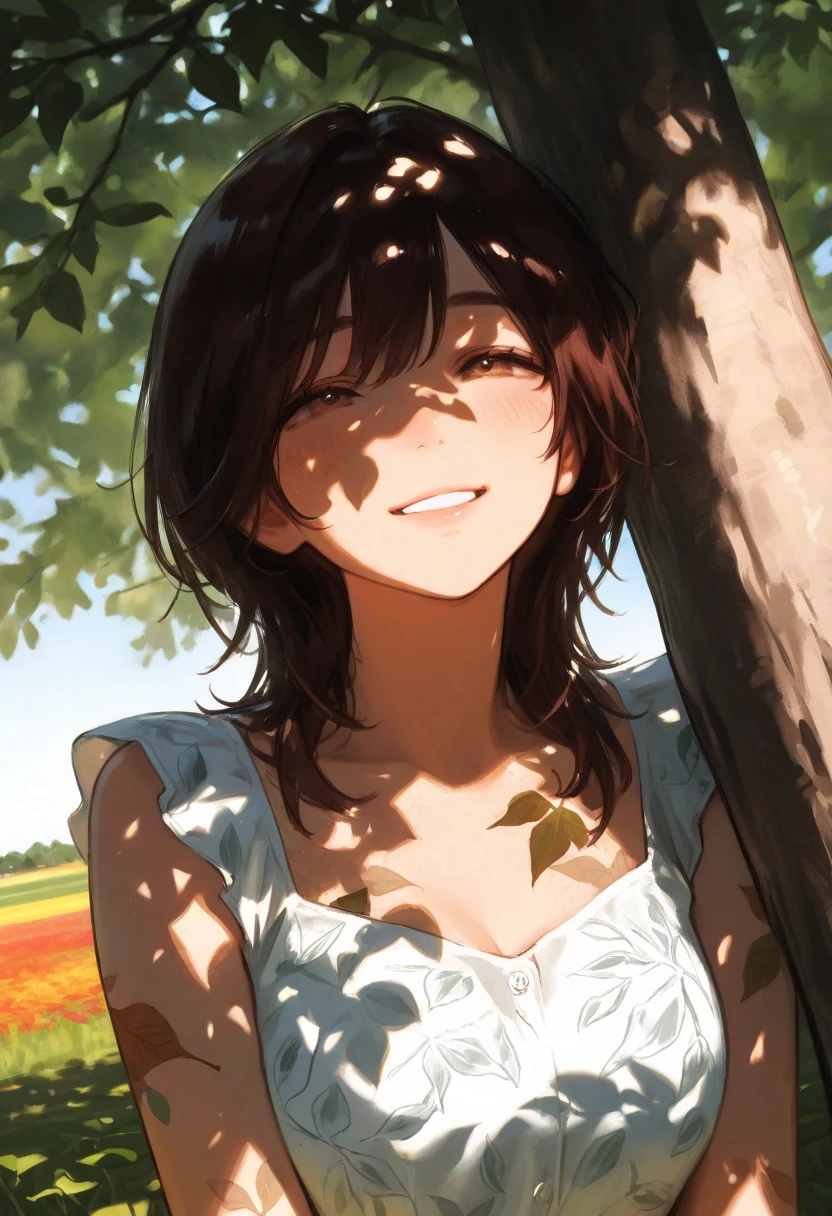
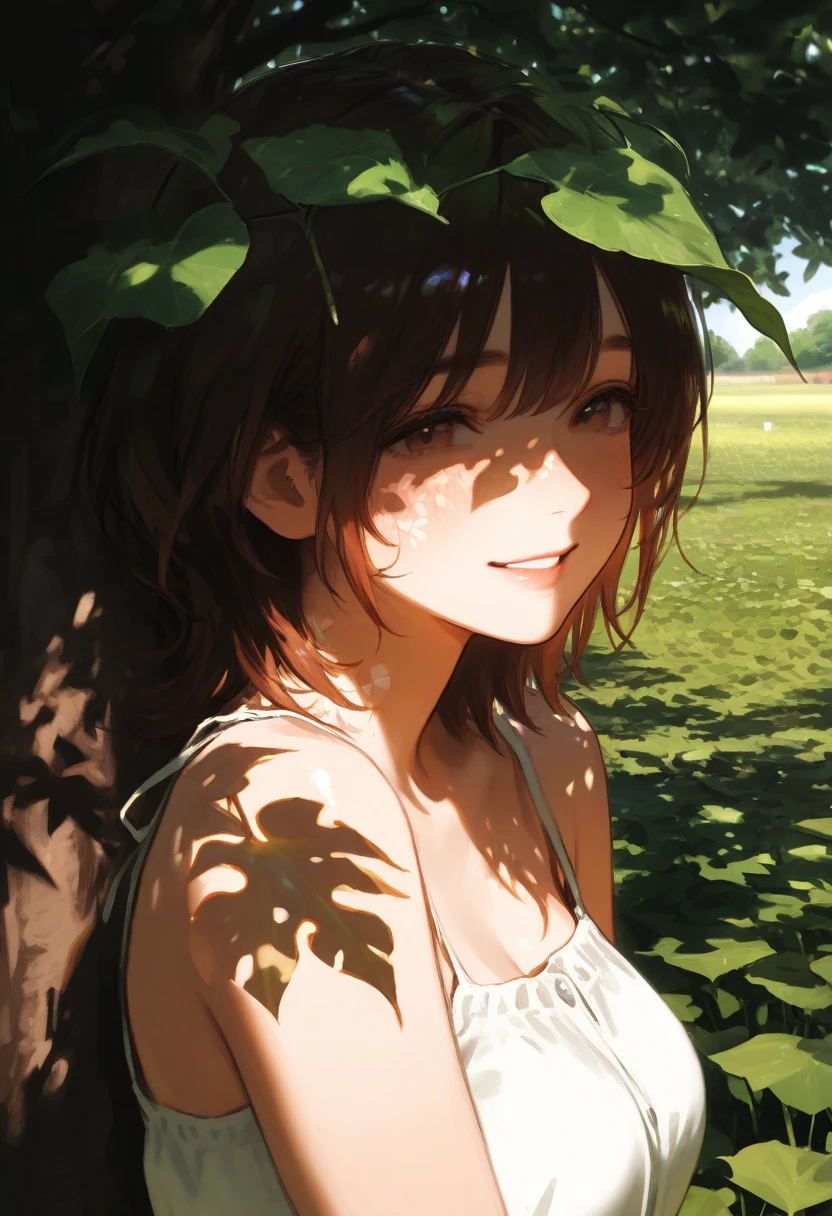
📝 Note: Use “dappled light”, “leaf shadows”, or “filtered sunlight”. Great for tranquil outdoor shots.
• Cookie Lighting / Pattern Projection
Definition: Light shaped by a cutout (like blinds or lattice), casting artistic shadows.
Visual Use: Noir, interior drama, abstract storytelling.
Prompt:
1girl with light casting venetian blind pattern on face, high contrast lighting, cinematic mystery tone, noir atmosphere
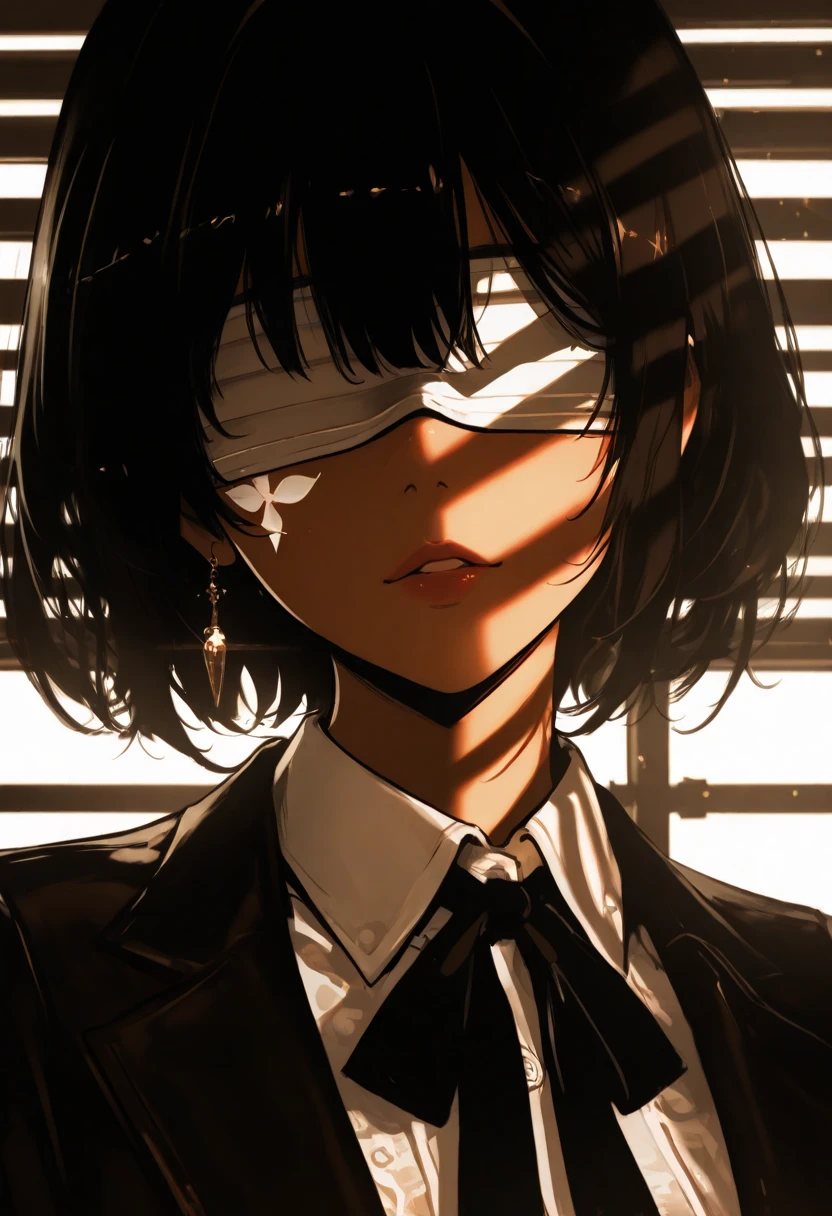
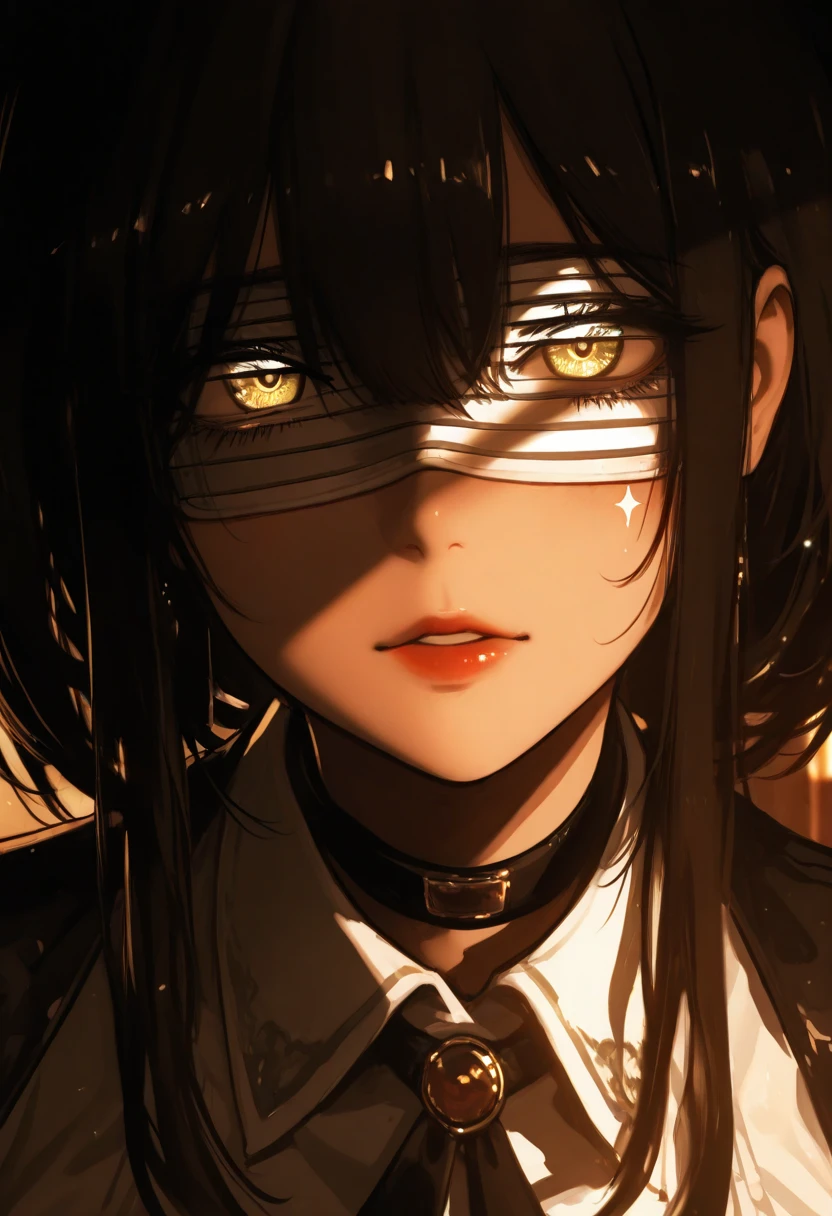
📝 Note: Include “window blinds shadow”, “cookie lighting”, or “projected light pattern” in prompts.
C. Water & Reflective Surface Effects
• Caustics
Definition: Light refracted by moving water surfaces, creating rippled patterns of light on nearby objects.
Visual Use: Underwater fantasy, beach scenes, surrealism.
Prompt:
1girl underwater, caustic light dancing on skin, soft ripples of sunlight across face, calm sea floor, hair flowing around her
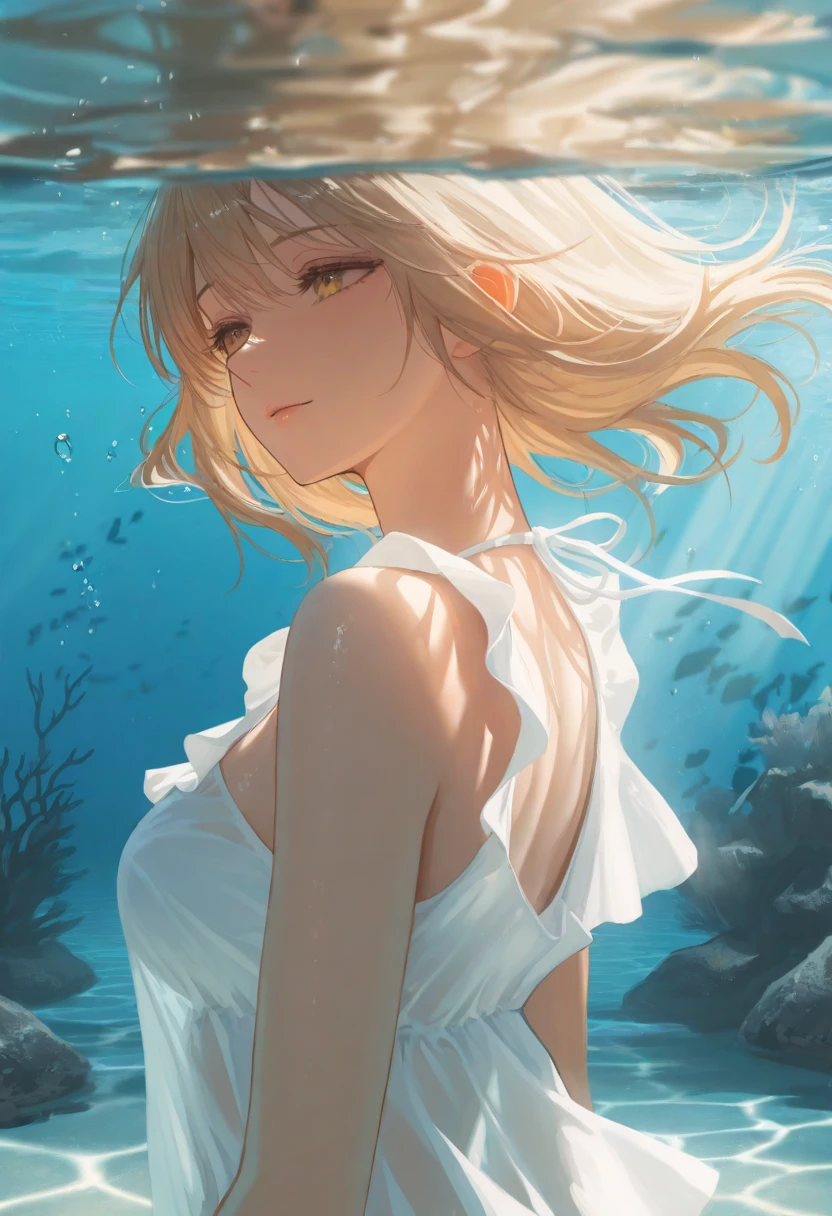
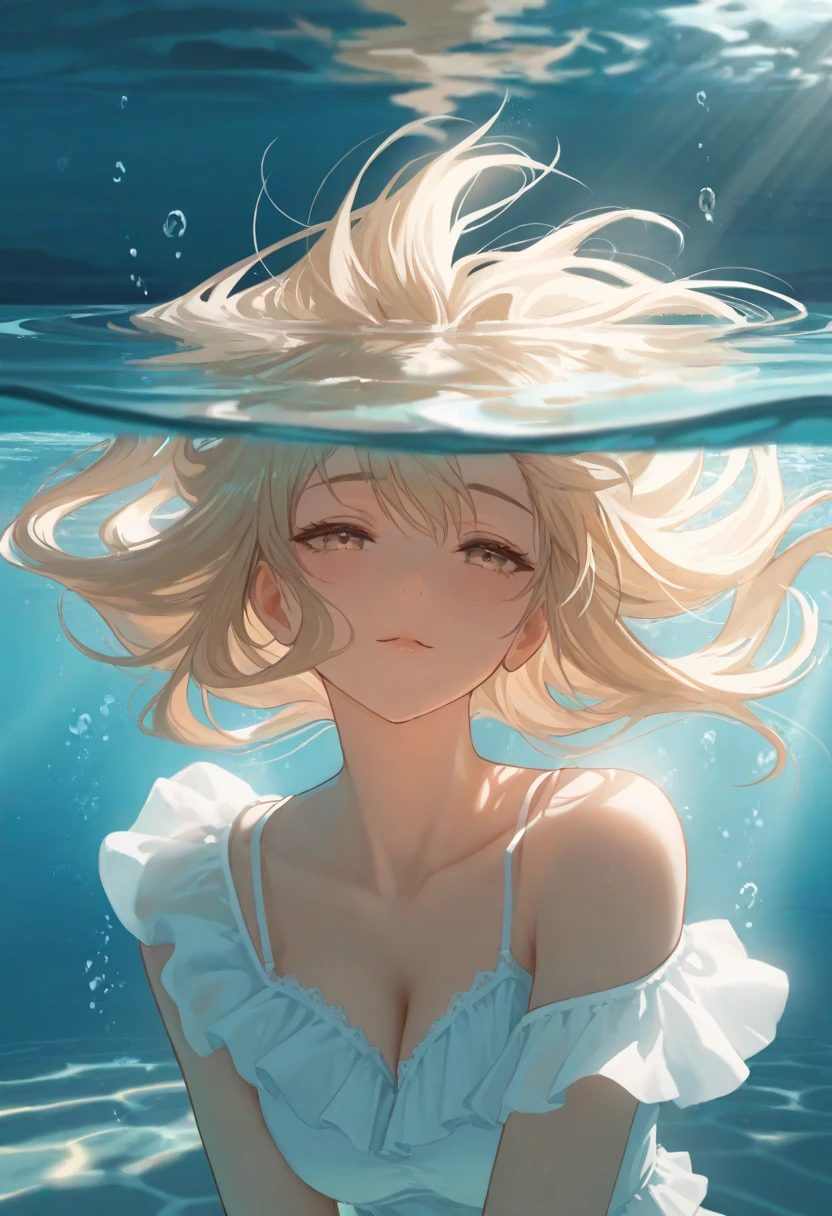
📝 Note: Use “caustic pattern”, “underwater light ripples”, or “sunlight through water”. Combine with floating hair or bubbles.
• Specular Highlights
Definition: Sharp, bright reflections on wet, shiny, or metallic surfaces. Used to enhance realism and visual clarity.
Visual Use: Rain, fashion, skin glow, or reflective armor/scenery.
Prompt:
1girl with glossy wet skin, sunset reflection creating specular highlights on shoulders, shimmering surface, beauty lighting
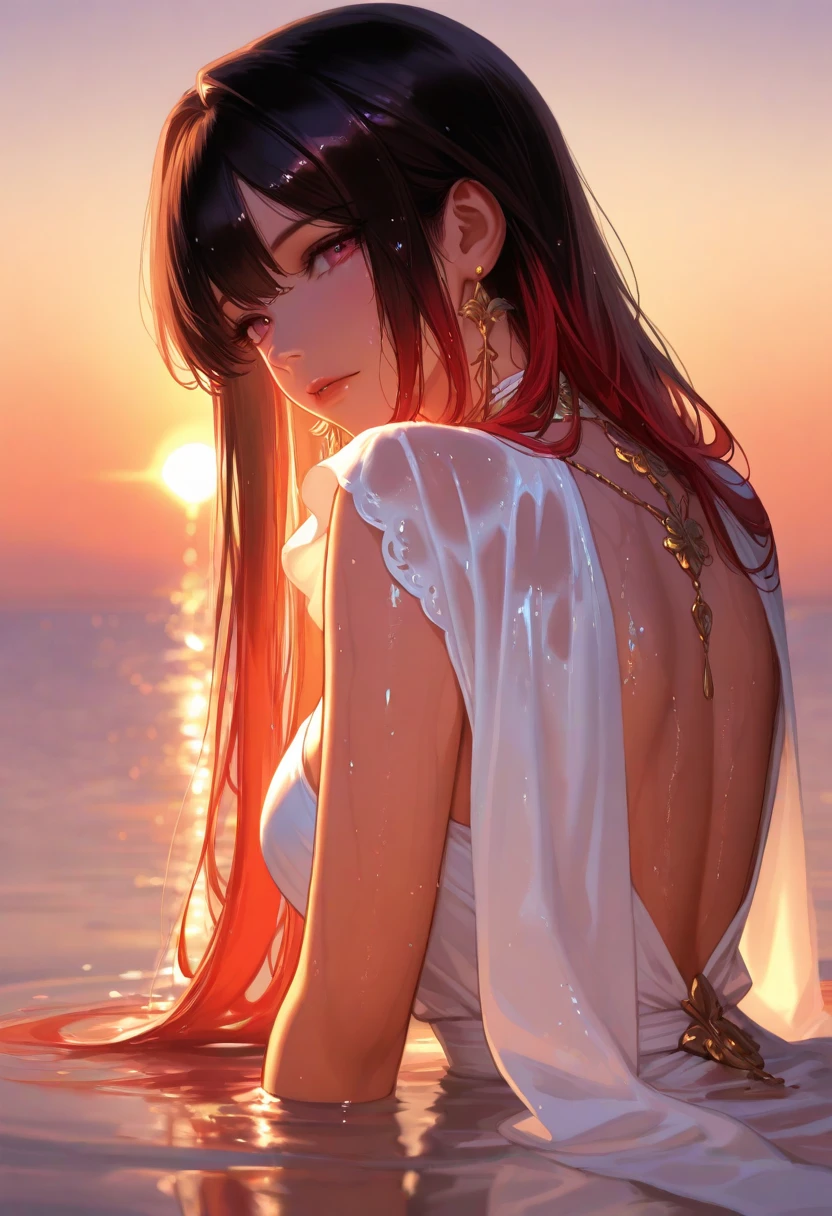
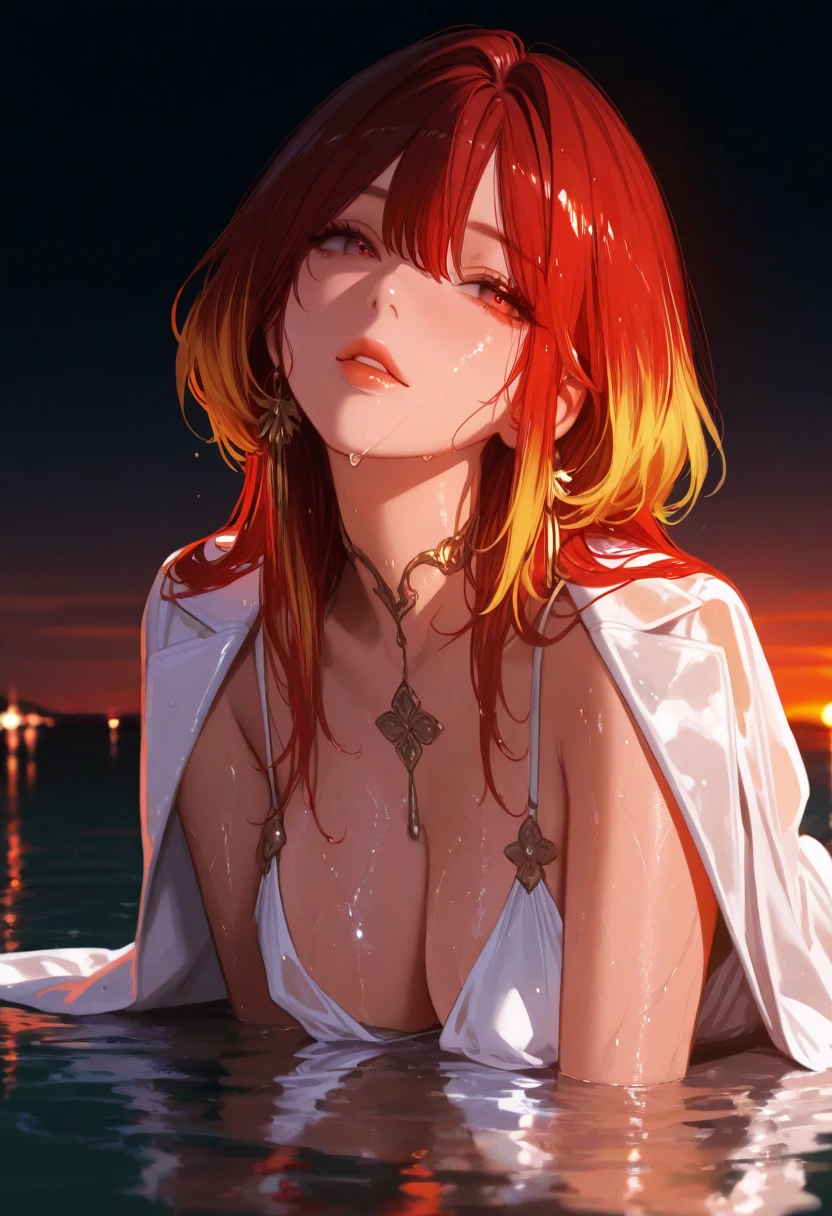
📝 Note: Use “wet skin”, “shine spots”, or “glossy highlights”. Adds dimension and polish.
D. Cinematic Light Focus & Mood Builders
• Crack of Light
Definition: A narrow beam in a mostly dark environment, often from a door or curtain. Adds isolation, focus, or suspense.
Visual Use: Horror, intimate drama, mystery scenes.
Prompt:
1girl alone in a dark room, narrow crack of light falling across her eye and cheek, tension in posture, deep shadows behind
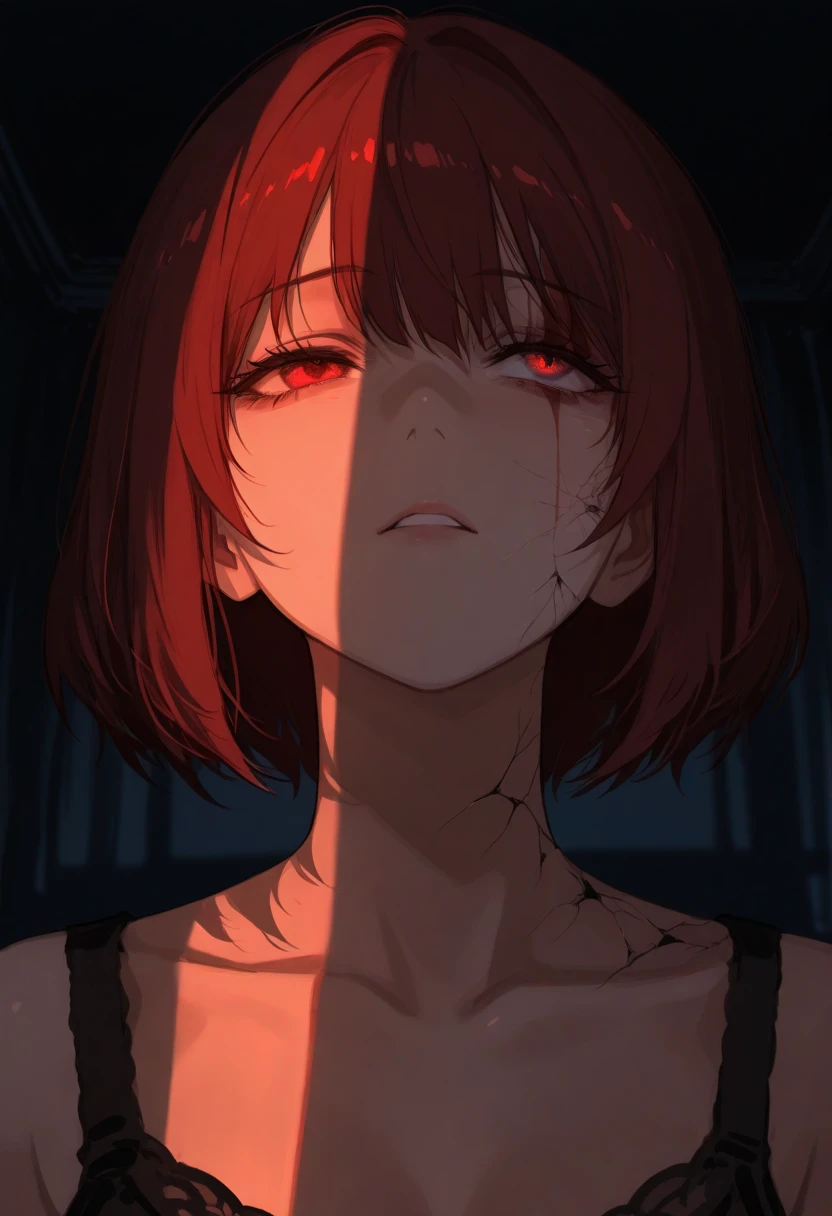
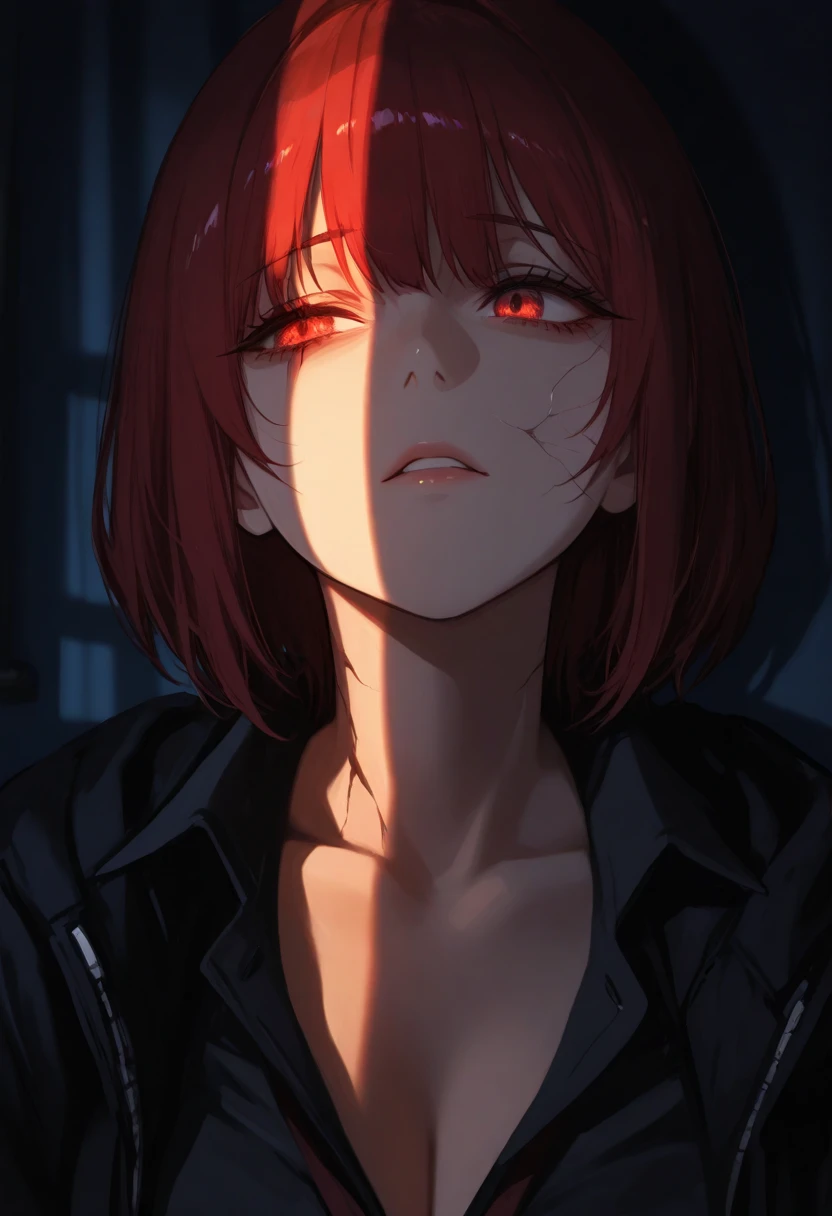
📝 Note: Add “door ajar”, “light through crack”, or “narrow beam spotlight”. Works best in high-contrast scenes.
• Lens Flare (Optional)
Definition: A streak or halo of light across the image caused by a bright source entering the lens.
Visual Use: Stylized cinematic scenes, backlit drama, sci-fi.
Prompt:
1girl with strong backlighting from sun, golden lens flare across the camera view, atmospheric haze, silhouette pose, dramatic lighting
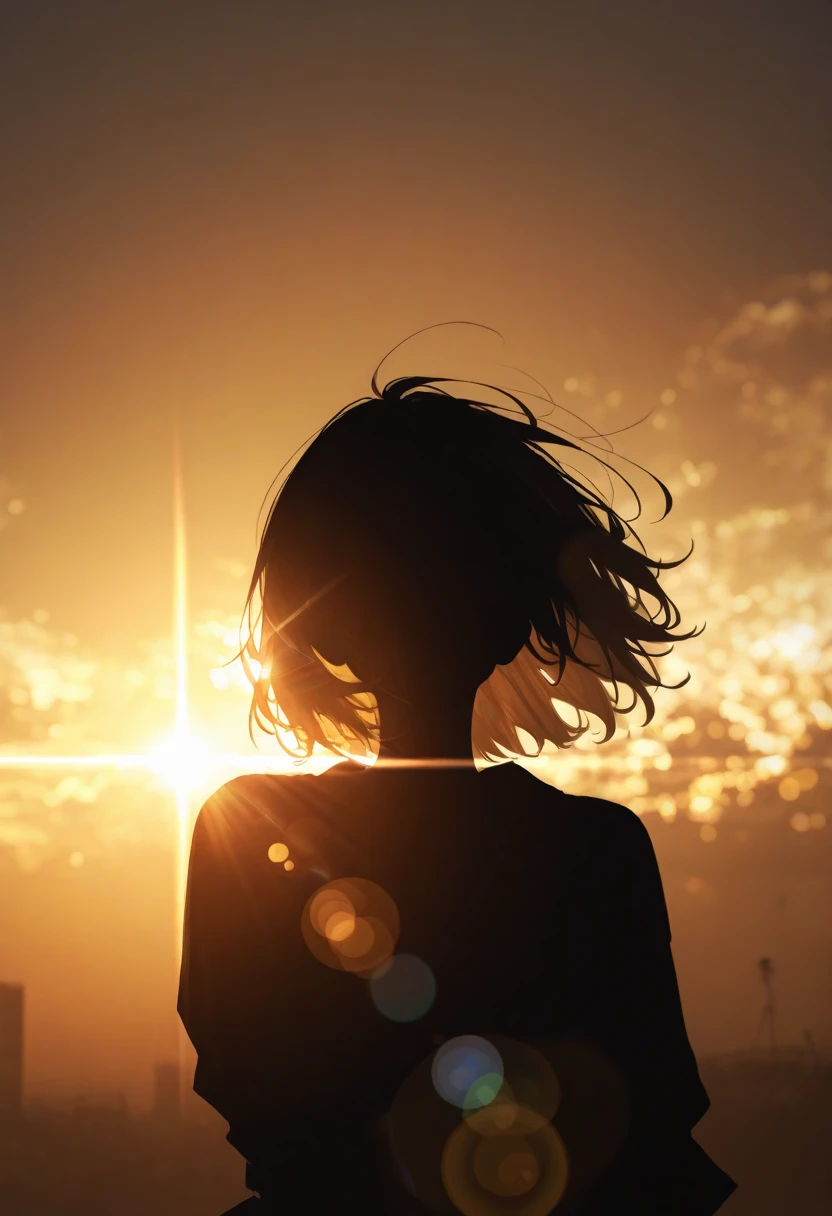
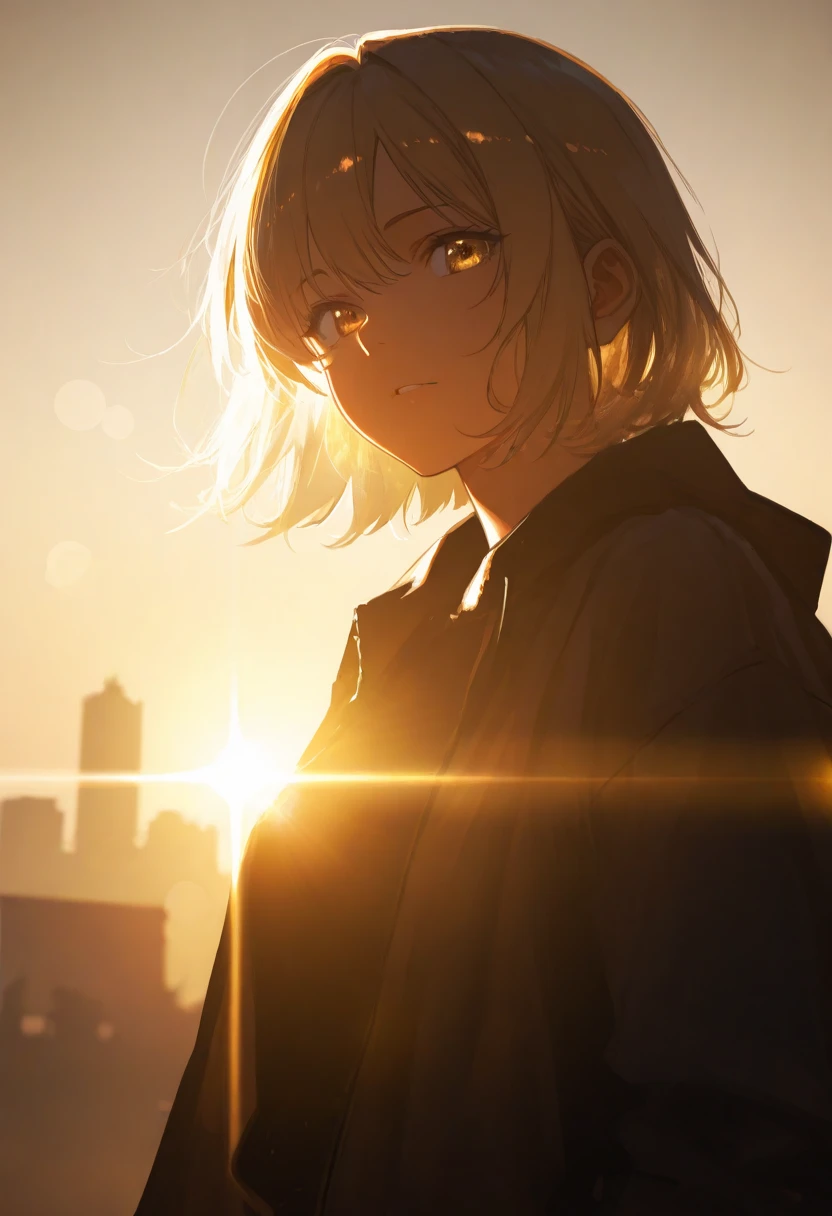
📝 Note: Use “lens flare”, “flare across scene”, or “sunlight flare”. Combine with wide angles or backlighting.
6. Shadows and the Absence of Light
Definition: Shadows aren’t just the lack of light they are visual tools that shape depth, drama, emotion, and storytelling tension. Darkness can isolate a subject, imply danger or intimacy, and shift the viewer’s attention.
• Tree Shade / Natural Shade
Definition: Soft, patterned shadows from leaves, branches, or other partial covers in natural light.
Visual Use: Gentle, relaxing settings; childhood nostalgia, peaceful moments.
Prompt:
1girl, sitting under tree, dappled sunlight, leaf shade on face, soft morning light, calm expression, forest background, natural lighting, gentle shadows, peaceful mood
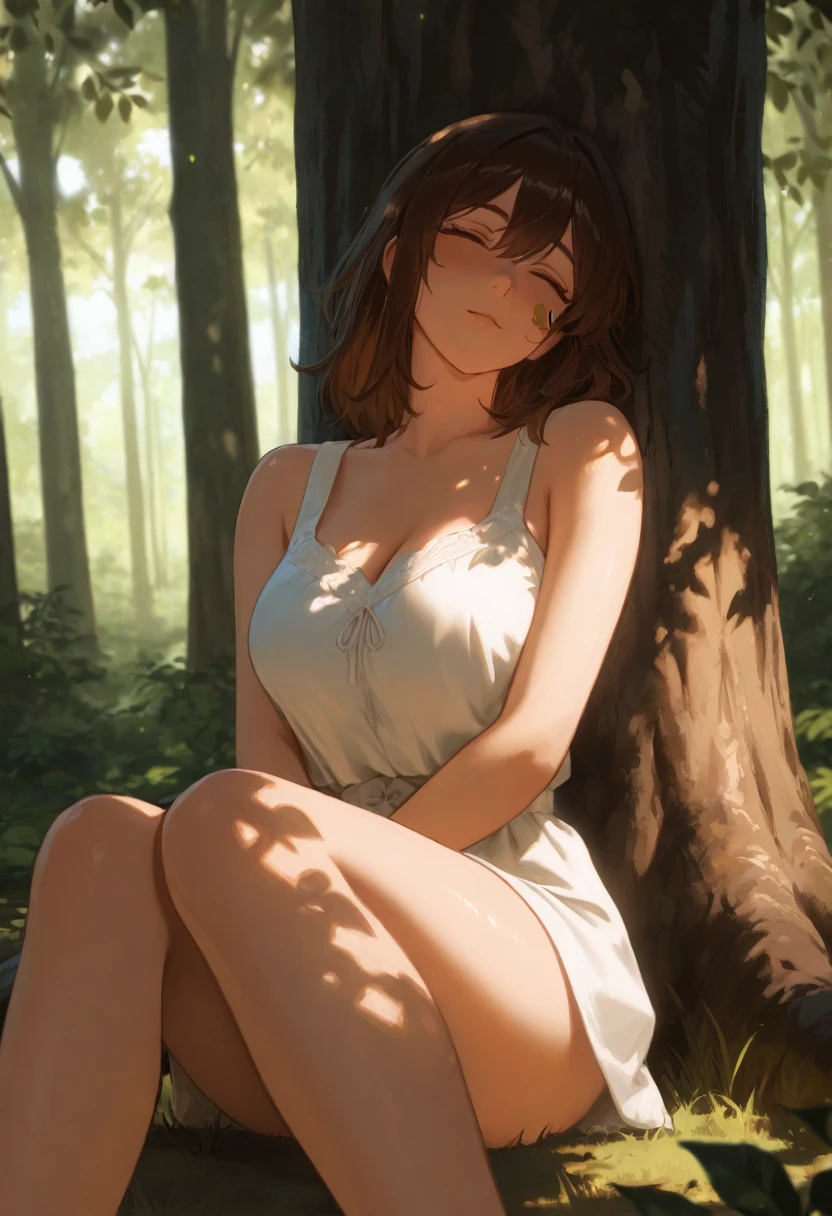
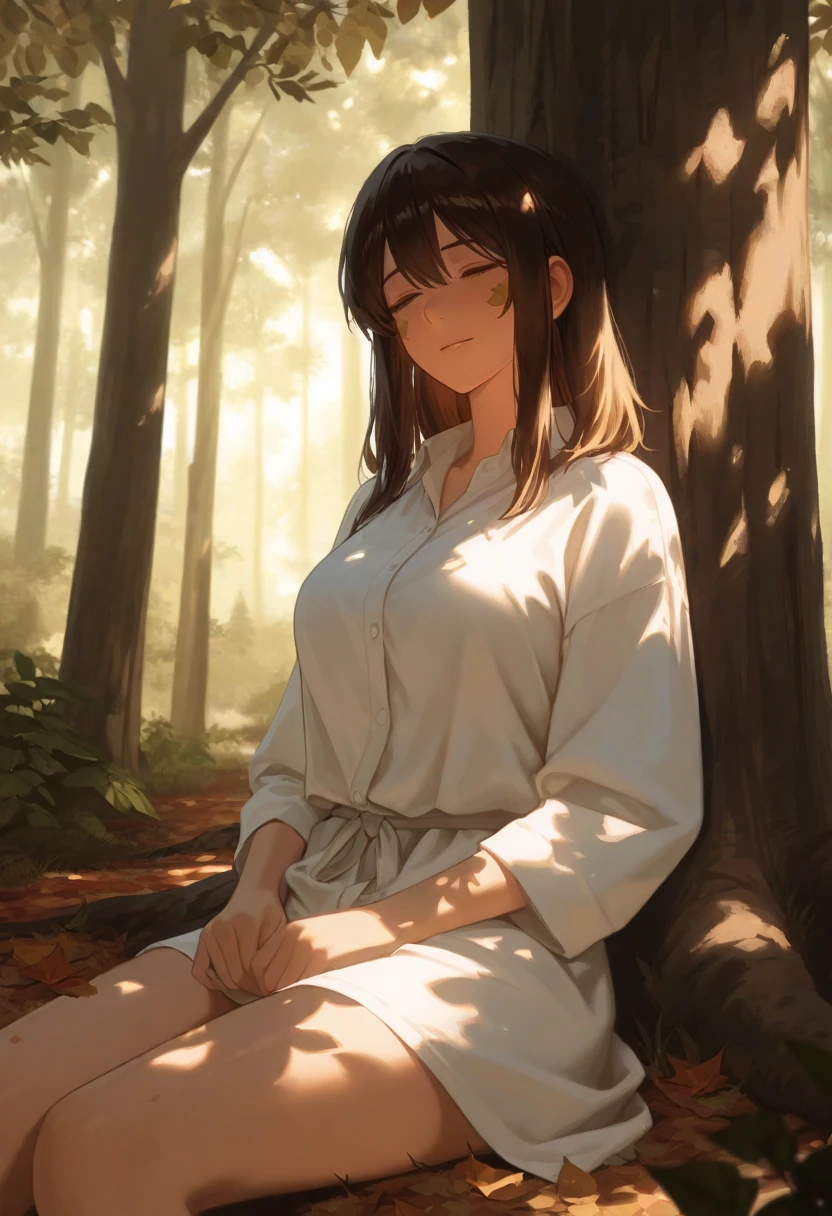
📝 Note: Use "under tree shade", "leaf-filtered light", or "sunlight through branches". Works best with ambient outdoor lighting.
• Window Shadow / Venetian Blinds
Definition: Light casting linear shadows through blinds or window panes; iconic in noir, drama, and mystery.
Visual Use: Noir thrillers, dramatic interiors, moody introspection.
Prompt:
1girl standing in room with blinds casting sharp light lines across her face and wall, strong directional light, black and white noir tone, cinematic tension
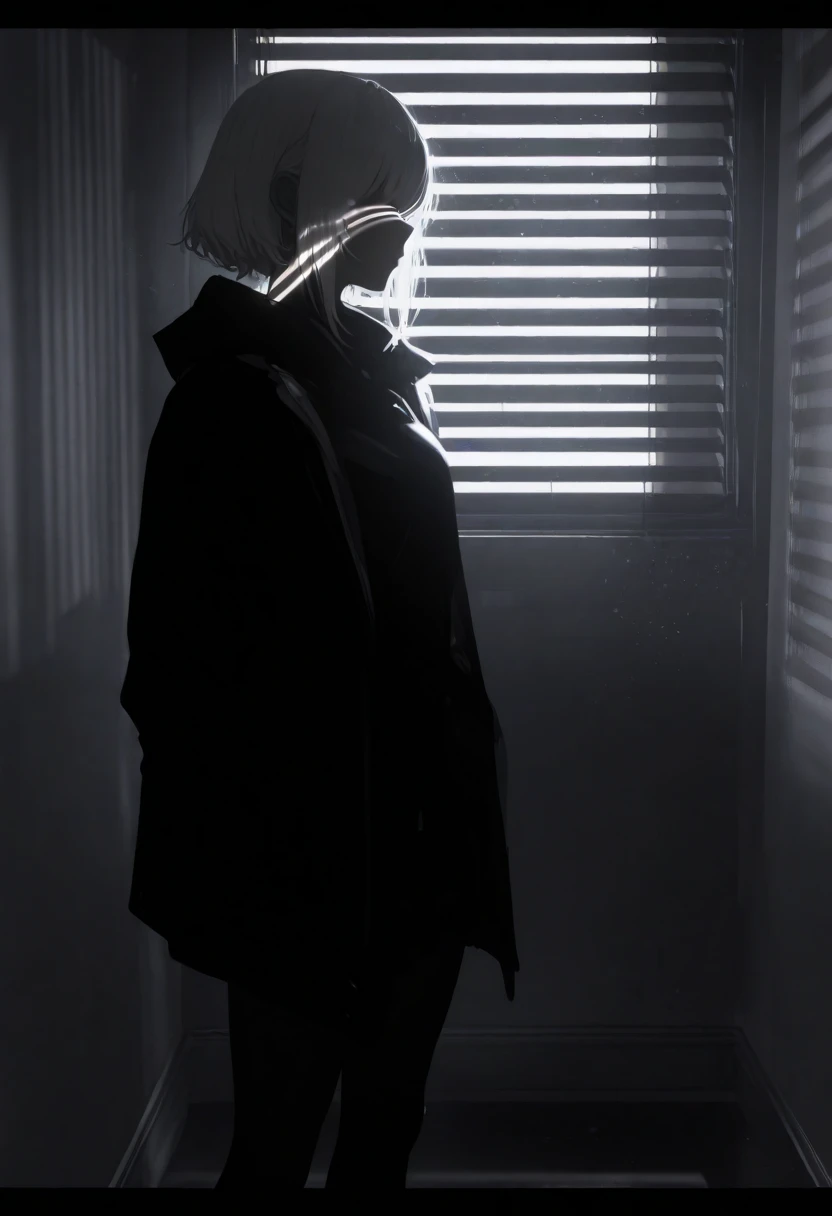
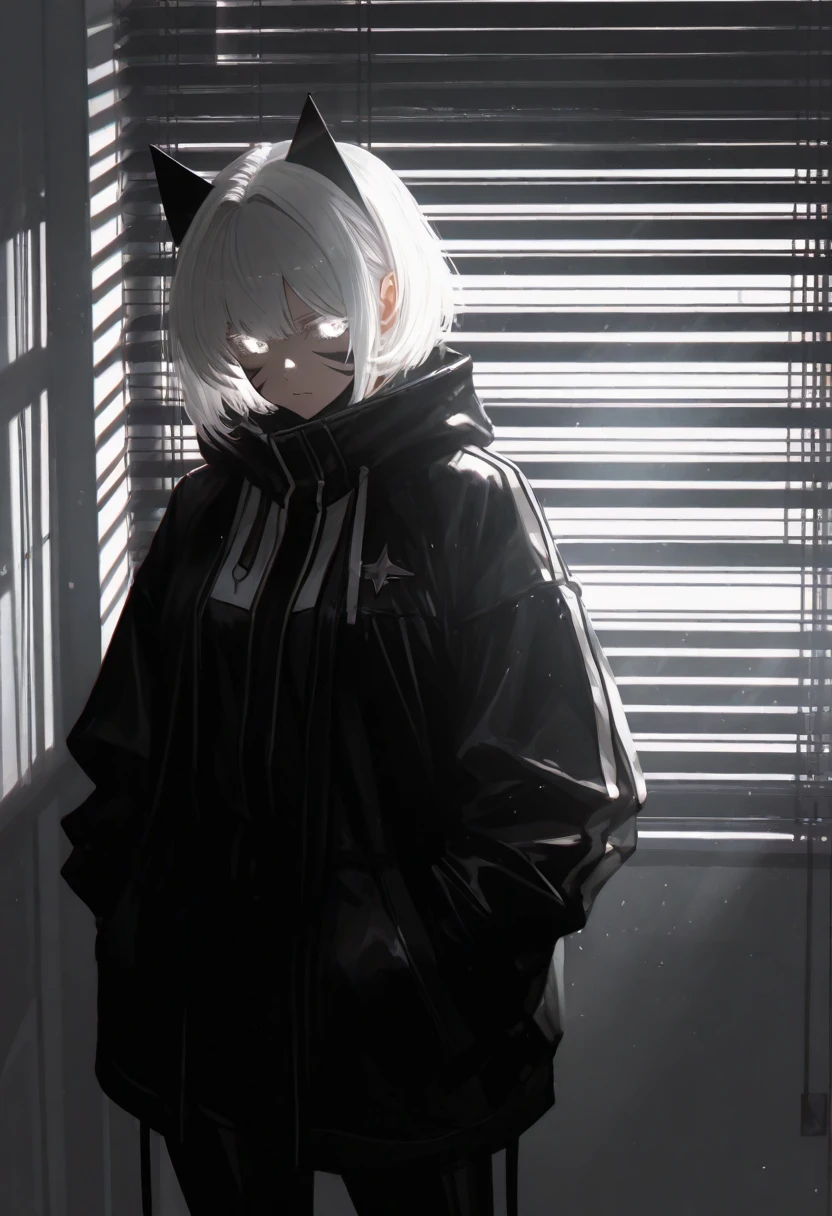
📝 Note: Use "light through blinds", "striped shadows", or "venetian blind light" to trigger the stylized effect.
• Colored Shadows
Definition: Shadows tinted by surrounding colored lights, often from neon or stylized sources.
Visual Use: Cyberpunk, fantasy, abstract storytelling.
Prompt:
1girl in a neon-lit alley, pink and blue shadows falling across her coat and pavement, vibrant lighting, futuristic urban background, expressive palette
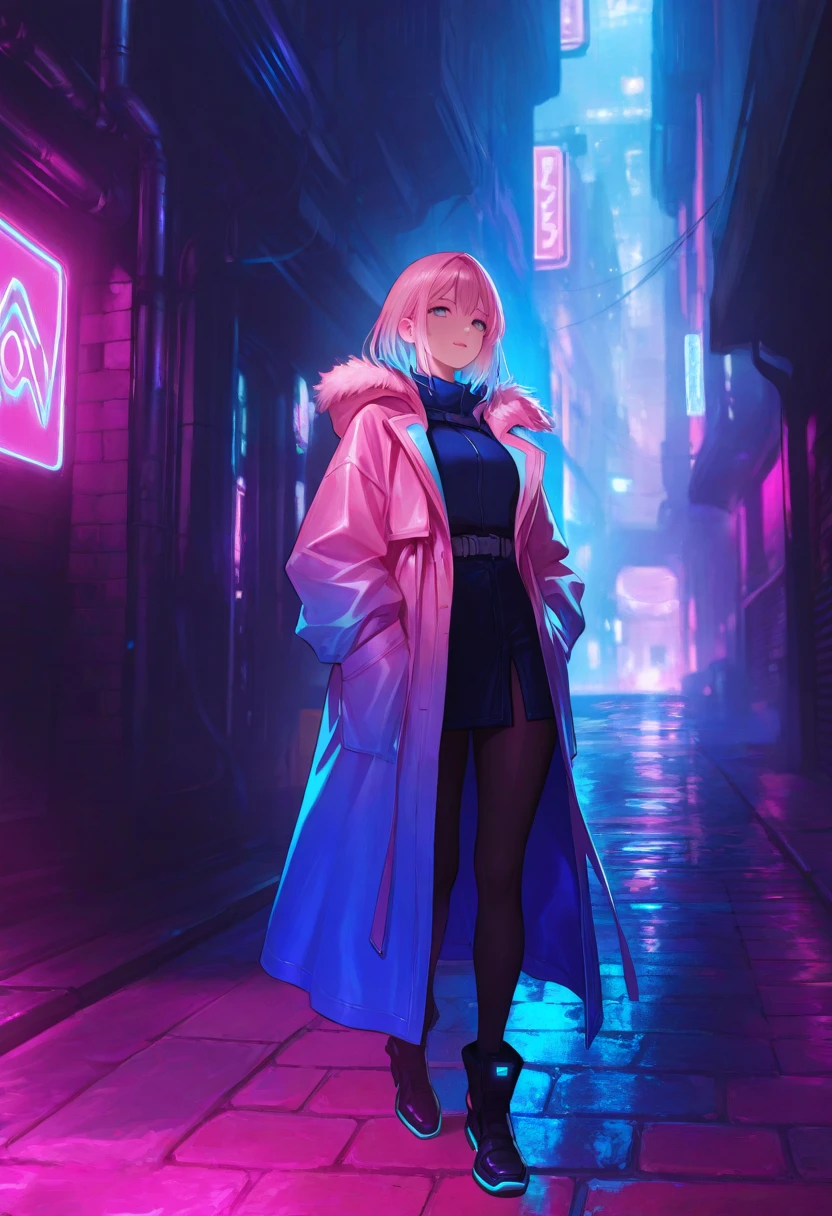
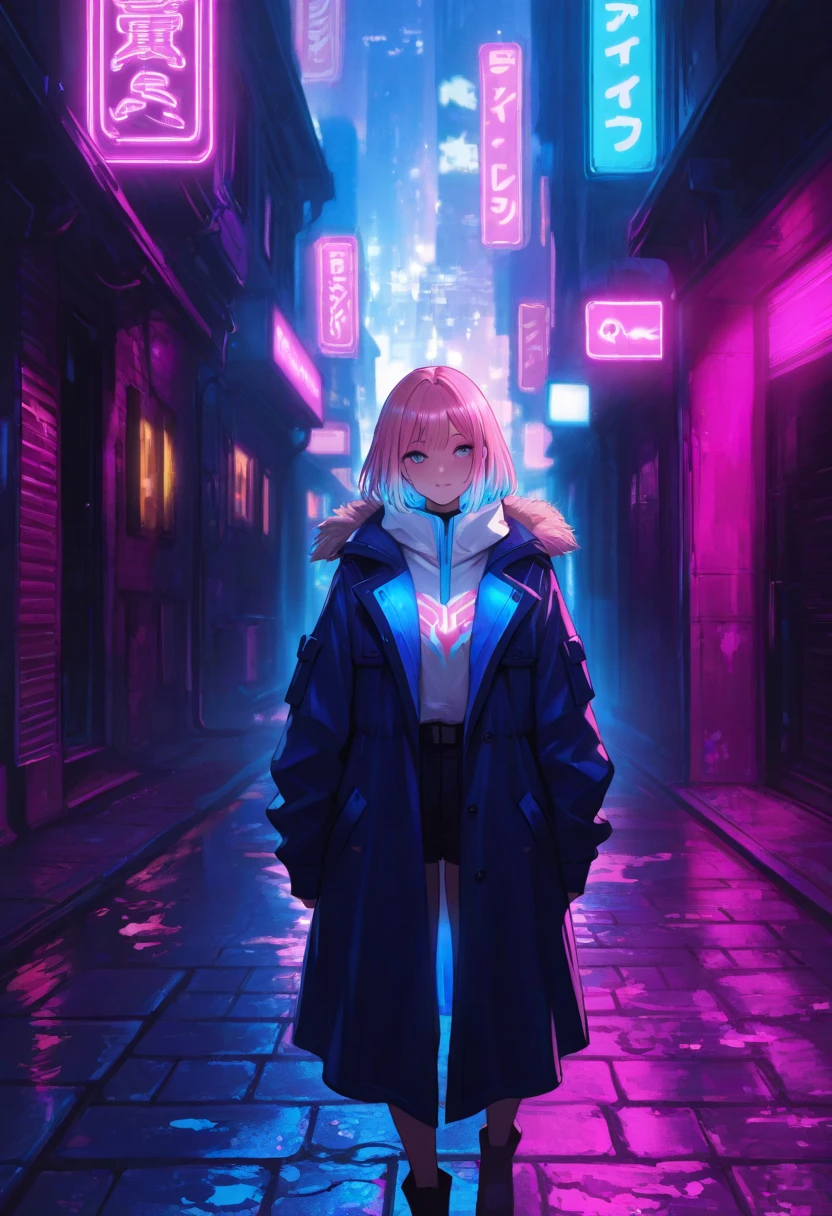
📝 Note: Works well with "neon lighting", "urban shadows", or "dual-colored light sources". Try contrasting light hues like cyan/magenta.
• Silhouette
Definition: The subject is completely dark or blacked out against a bright background; emphasizes shape and emotion through pose.
Visual Use: Iconic storytelling, mystery, emotional isolation.
Prompt:
1girl silhouetted against sunset sky, backlighting creating glowing hair edge, face fully dark, dramatic pose, emotional intensity, golden-orange clouds behind
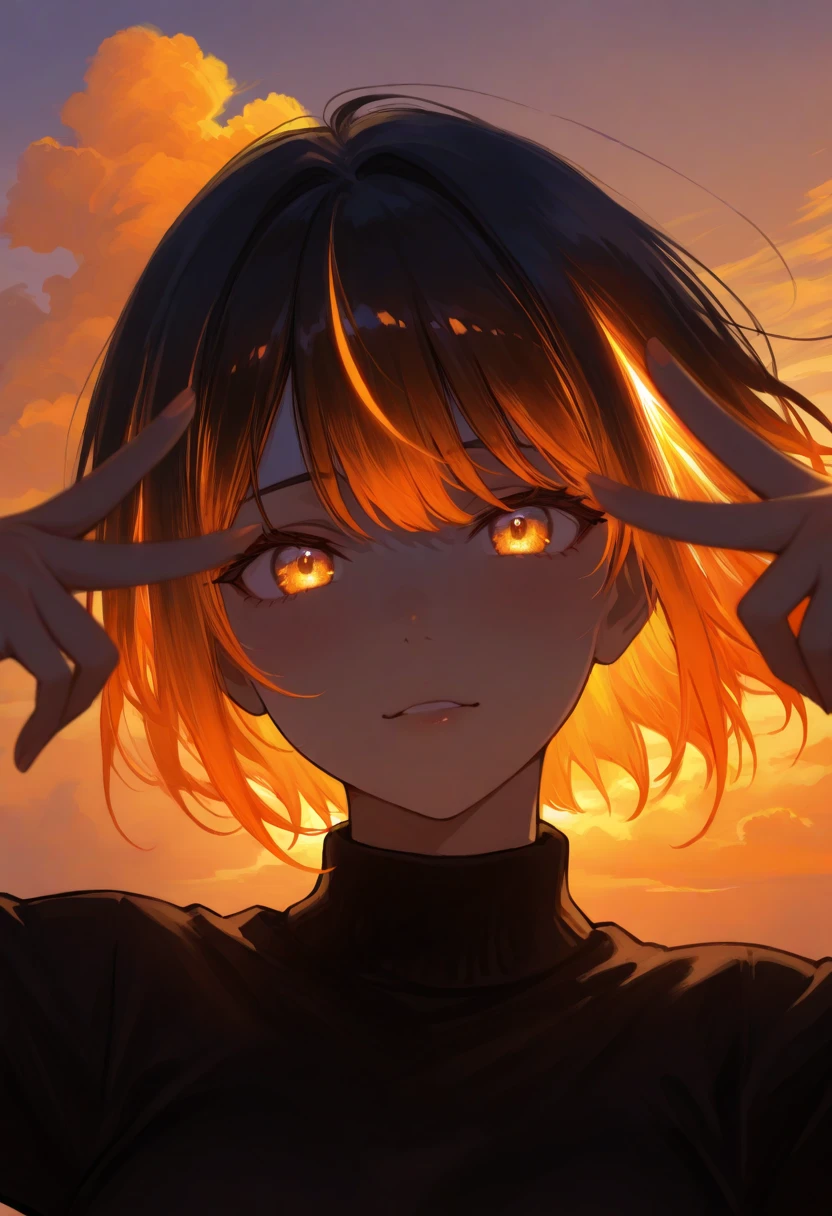
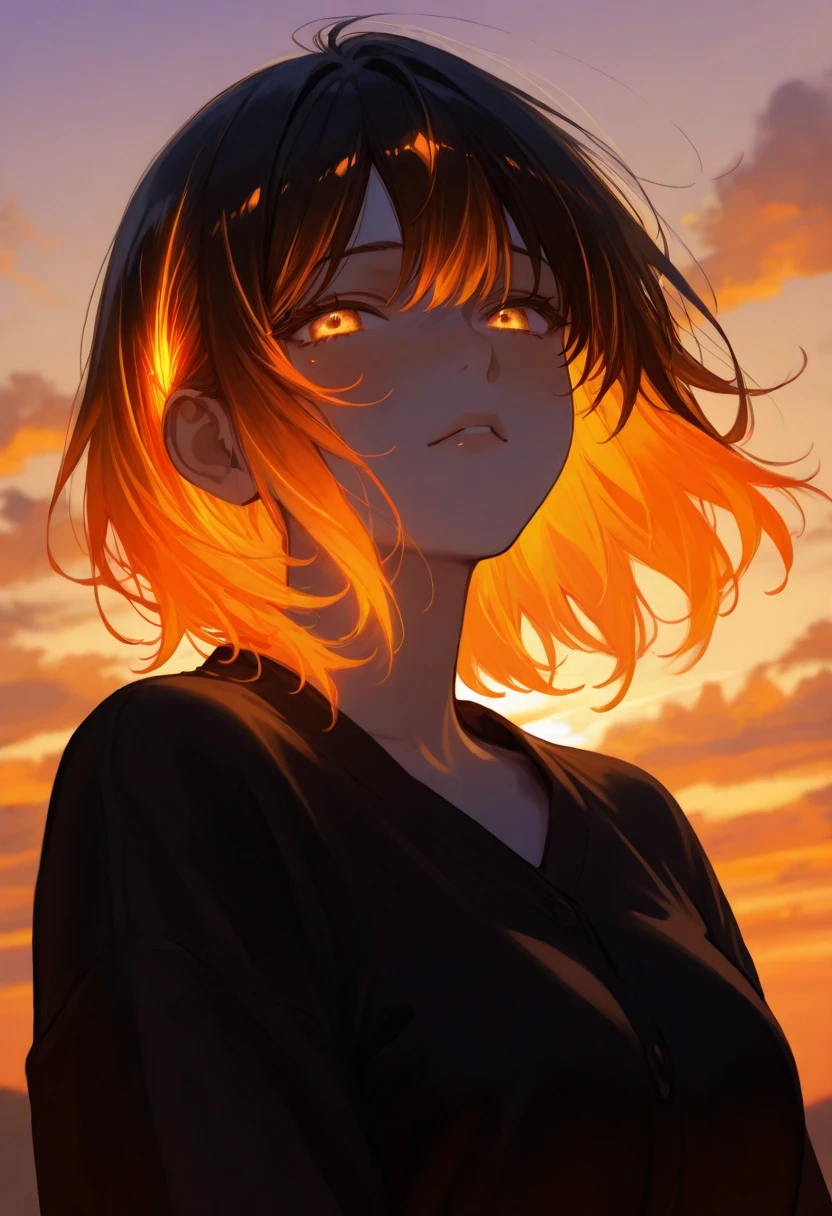
📝 Note: Use "silhouette", "backlit figure", or "black outline". Pair with strong light sources behind the subject.
• Full Darkness / Midnight Dark
Definition: A scene immersed in near-complete darkness, with little to no ambient light—only minimal glow or isolated highlights.
Visual Use: Horror, intimacy, solitude, or deep space aesthetics.
Prompt:
1girl standing in total darkness, only eyes faintly glowing, soft lantern light in background, barely visible outlines, high suspense atmosphere
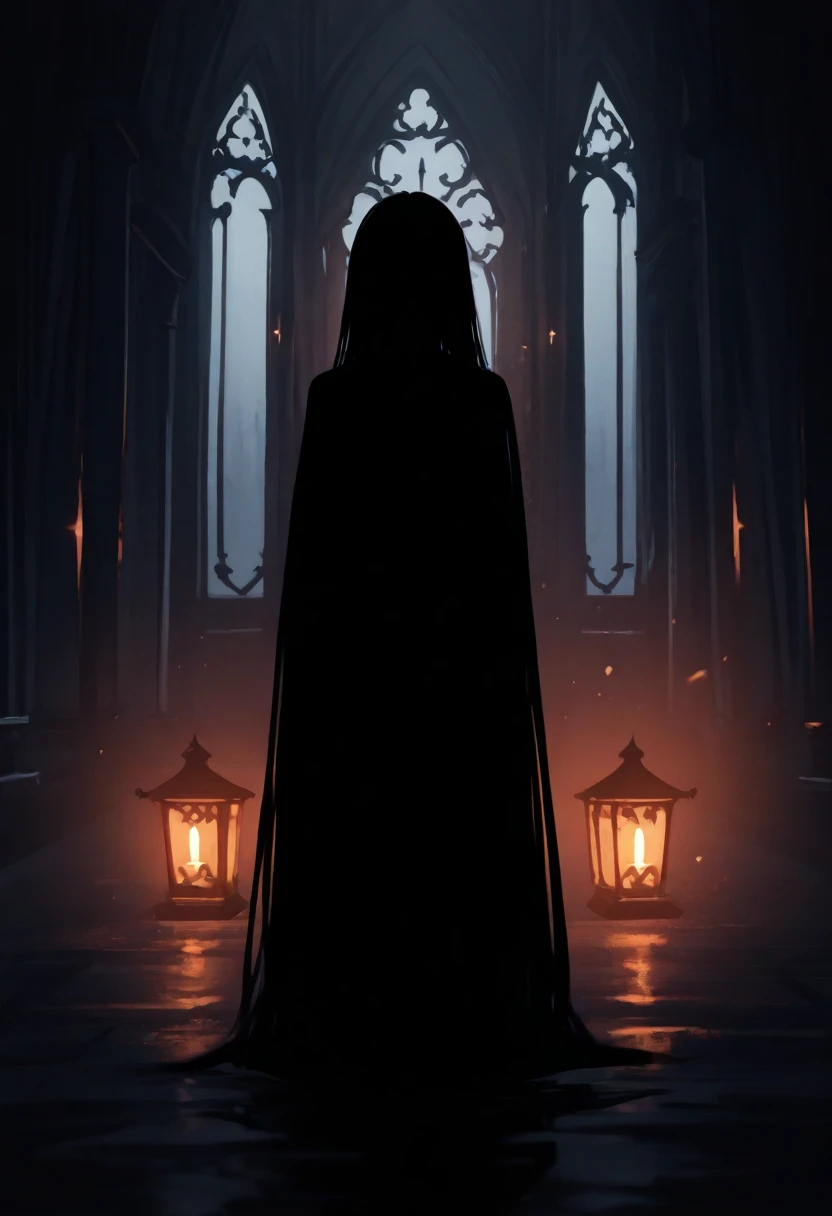
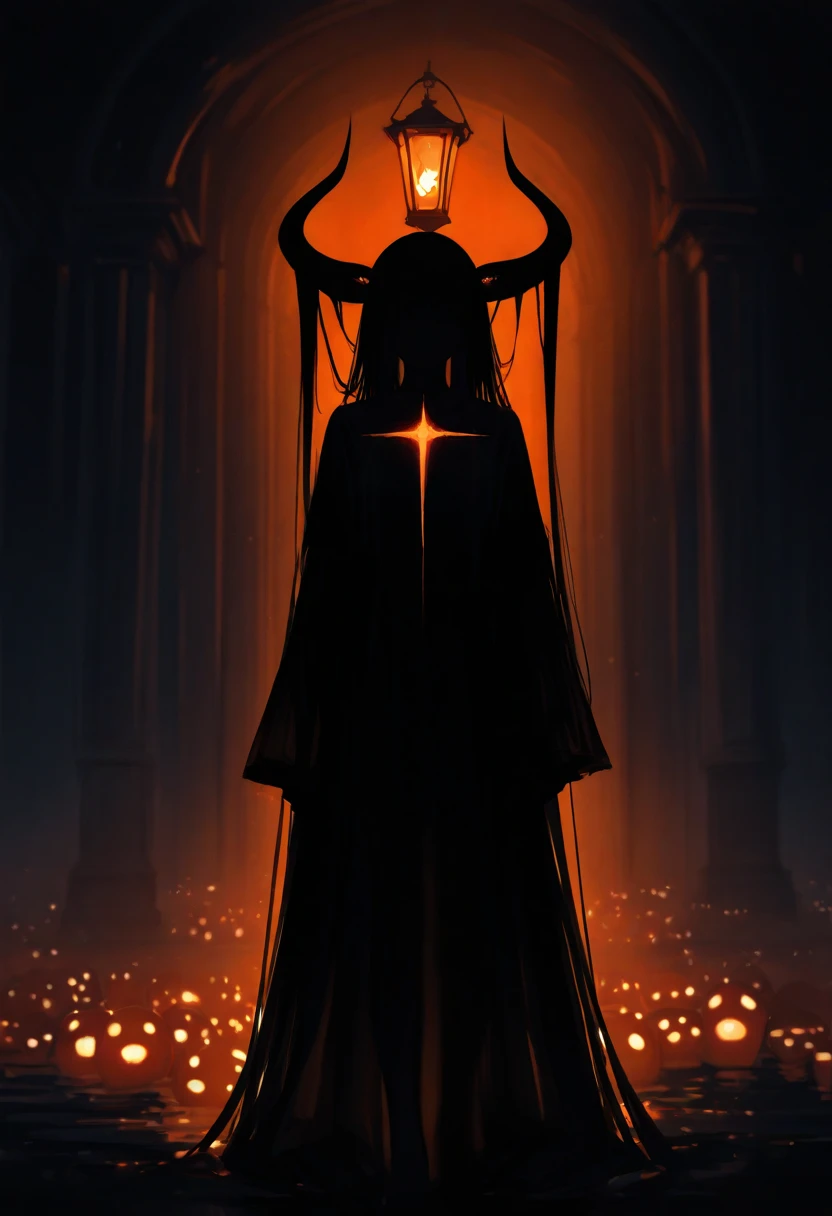
📝 Note: Keywords like "total darkness", "only light source: lantern", or "surrounded by shadows" help create visual tension.
• Light and Shadow Contrast (Chiaroscuro)
Definition: From Renaissance painting intense use of light and shadow for dramatic visual impact.
Visual Use: Baroque, gothic, emotional extremes.
Prompt:
1girl in chiaroscuro lighting, strong light hitting one side of her face, deep shadows on the other, rich dark background, baroque tone, dramatic expression
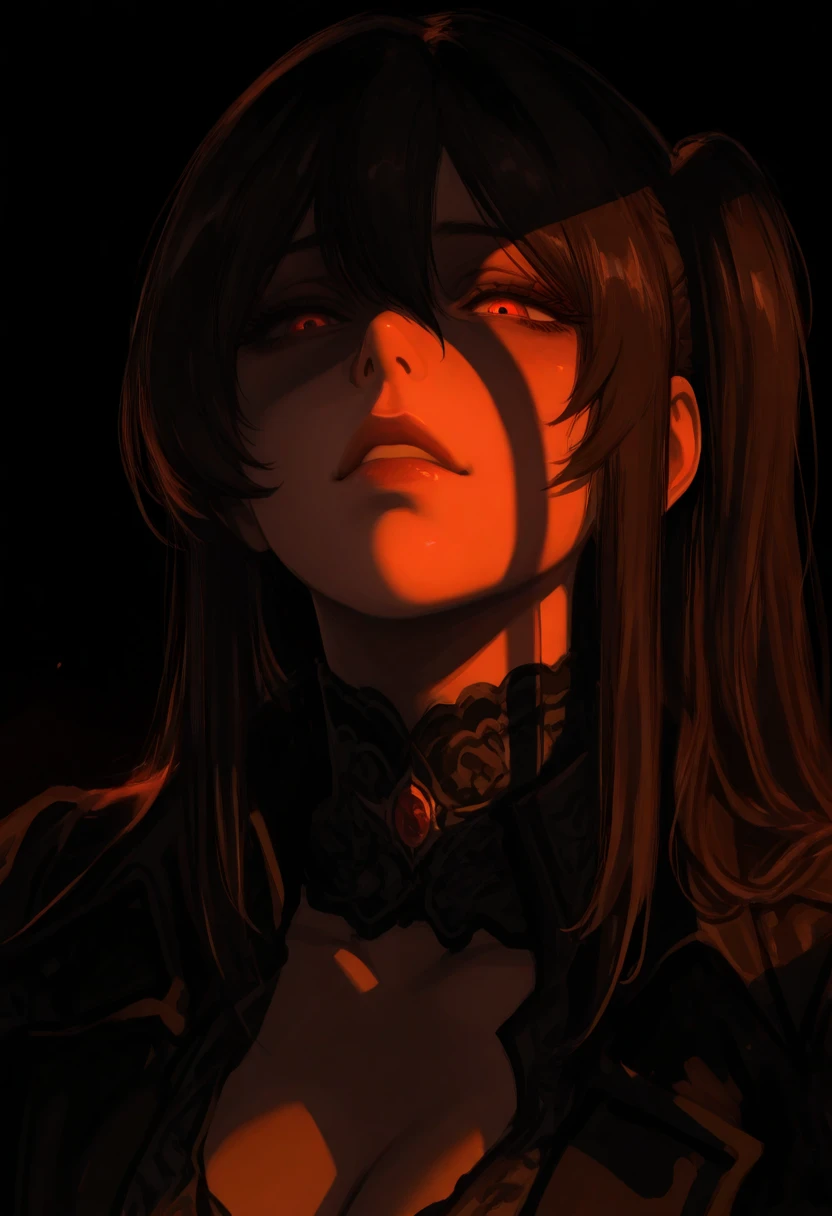
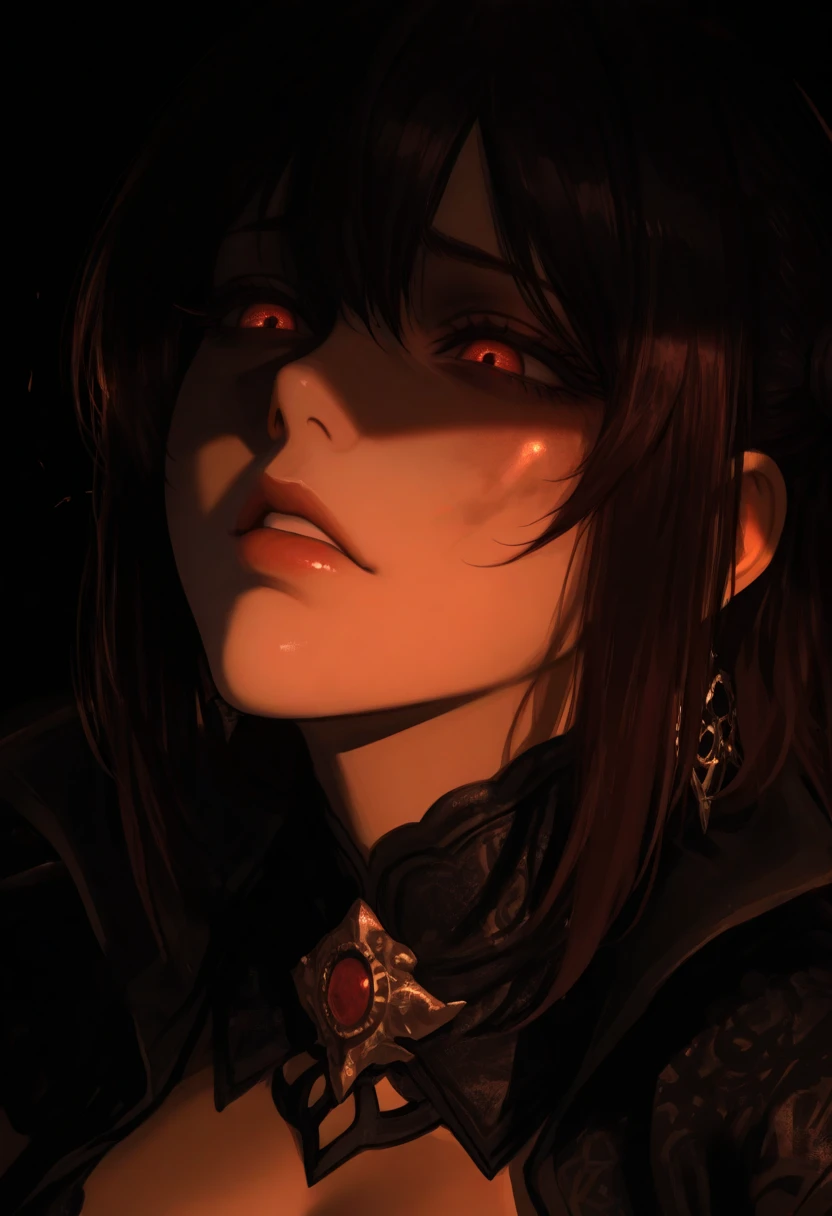
📝 Note: Use terms like “chiaroscuro”, “Rembrandt lighting”, or “intense shadow contrast” for old-master painting effects.
• Shadow Falloff (Gradual Shadow Transition)
Definition: Softening of light into darkness; often used to lead the eye or isolate the subject subtly.
Visual Use: Portraits, emotional scenes, realistic lighting transitions.
Prompt:
1girl in soft lighting, shadows gradually falling off on side of face and clothes, subtle gradient from light to dark, intimate indoor setting
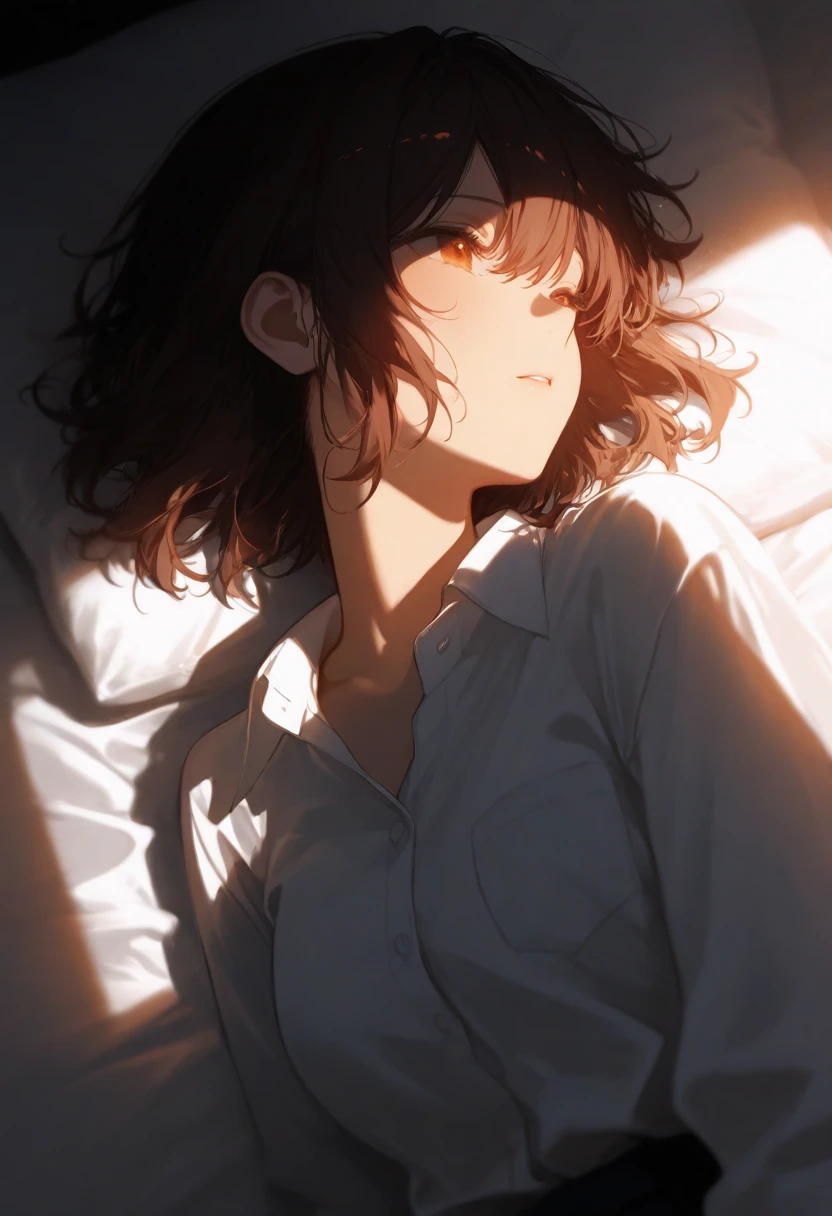
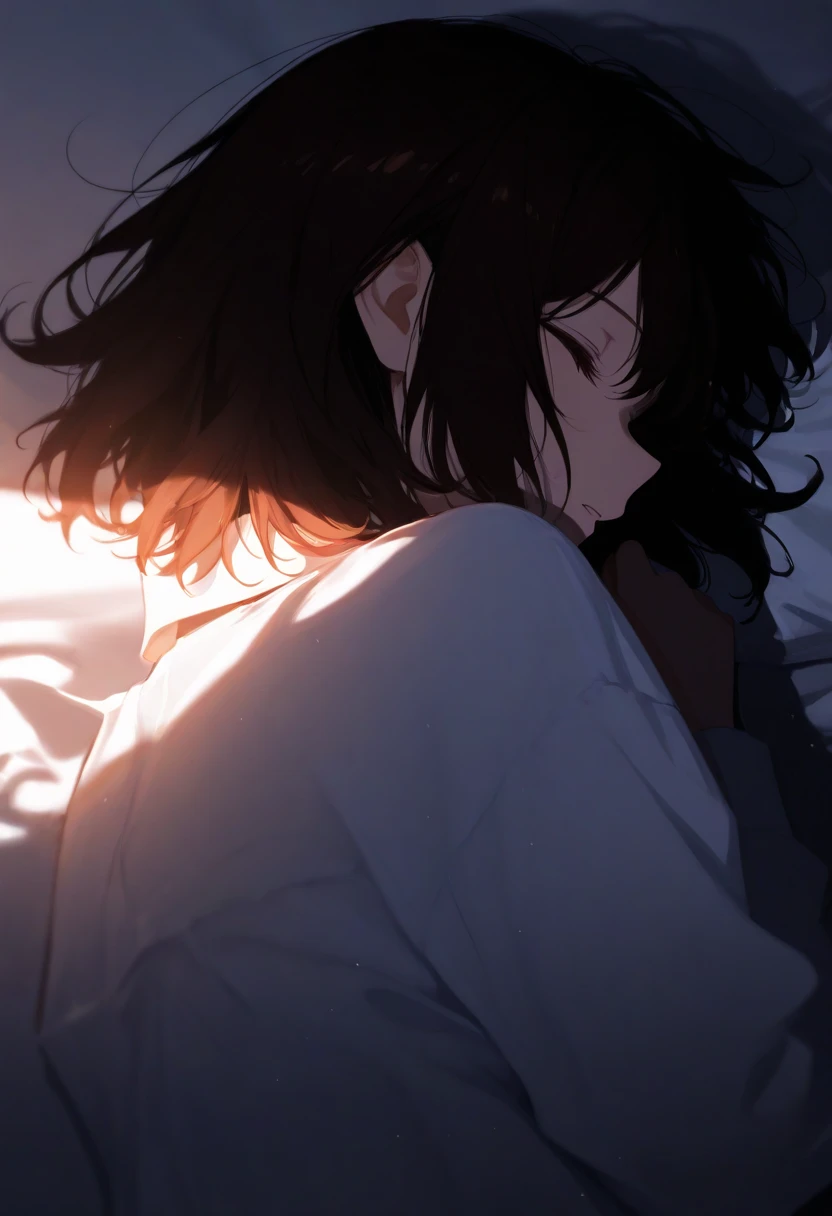
📝 Note: Combine with "soft shadows", "falloff lighting", or "gradual light fade" for a more photographic realism.
7. Cinematic Lighting Concepts for AI Art
Definition: These are lighting styles and categories derived from cinematography and studio photography. They explain not just where light comes from, but why it's there, how it interacts with characters and the environment, and how it supports mood and storytelling.
A. Light Purpose & Source Justification
• Natural Light
Definition: Lighting from organic sources like the sun, moon, or fire often ambient and realistic.
Visual Use: Nature scenes, realism, travel, slice-of-life.
Prompt:
1girl, walking through forest at golden hour, warm natural sunlight casting soft glow on face, glowing foliage, realistic nature tones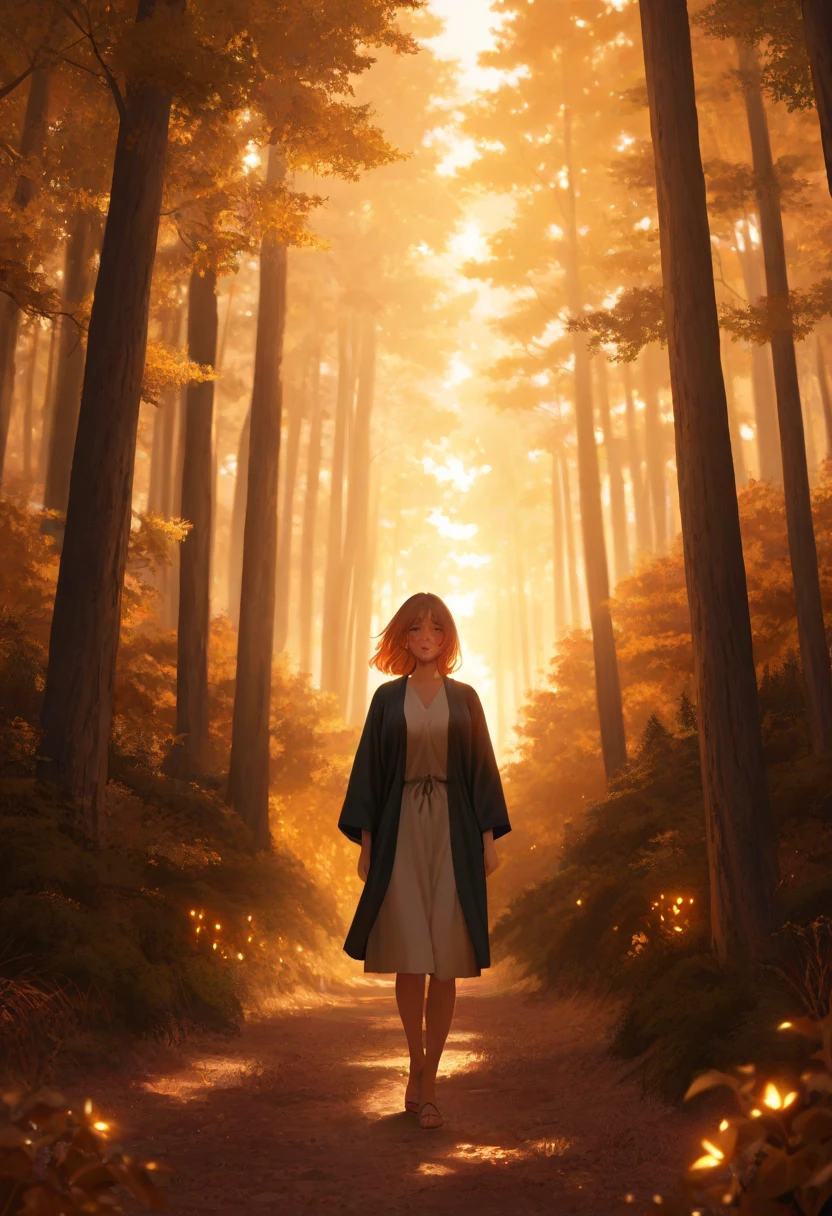
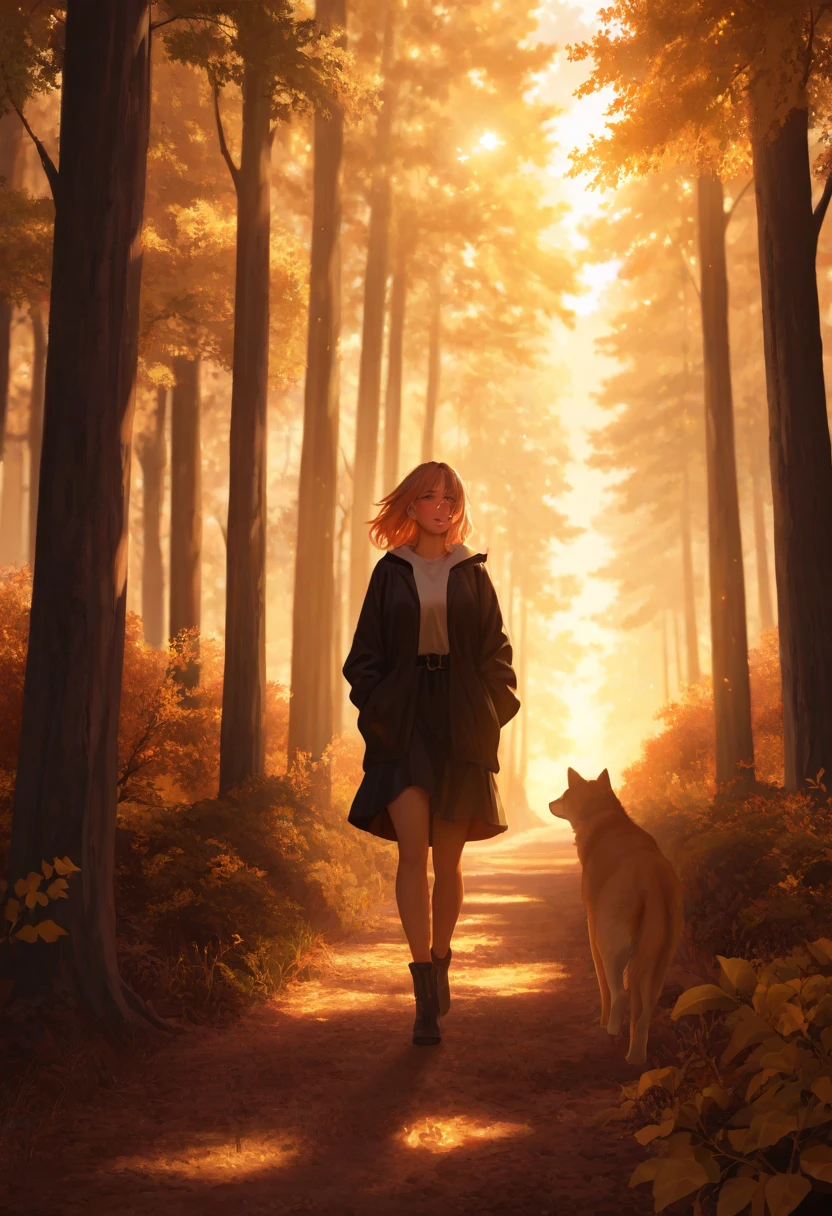
📝 Note: Use “natural sunlight”, “moonlit scene”, or “sun filtering through trees” to emphasize realism.
• Ambient Light
Definition: Indirect, general light that evenly fills the environment without a clear source.
Visual Use: Dream sequences, foggy streets, nighttime interiors.
Prompt:
1girl, standing in fog, foggy street, ambient lighting, soft light, no shadows, gray-blue color palette, moody atmosphere, low contrast, quiet scene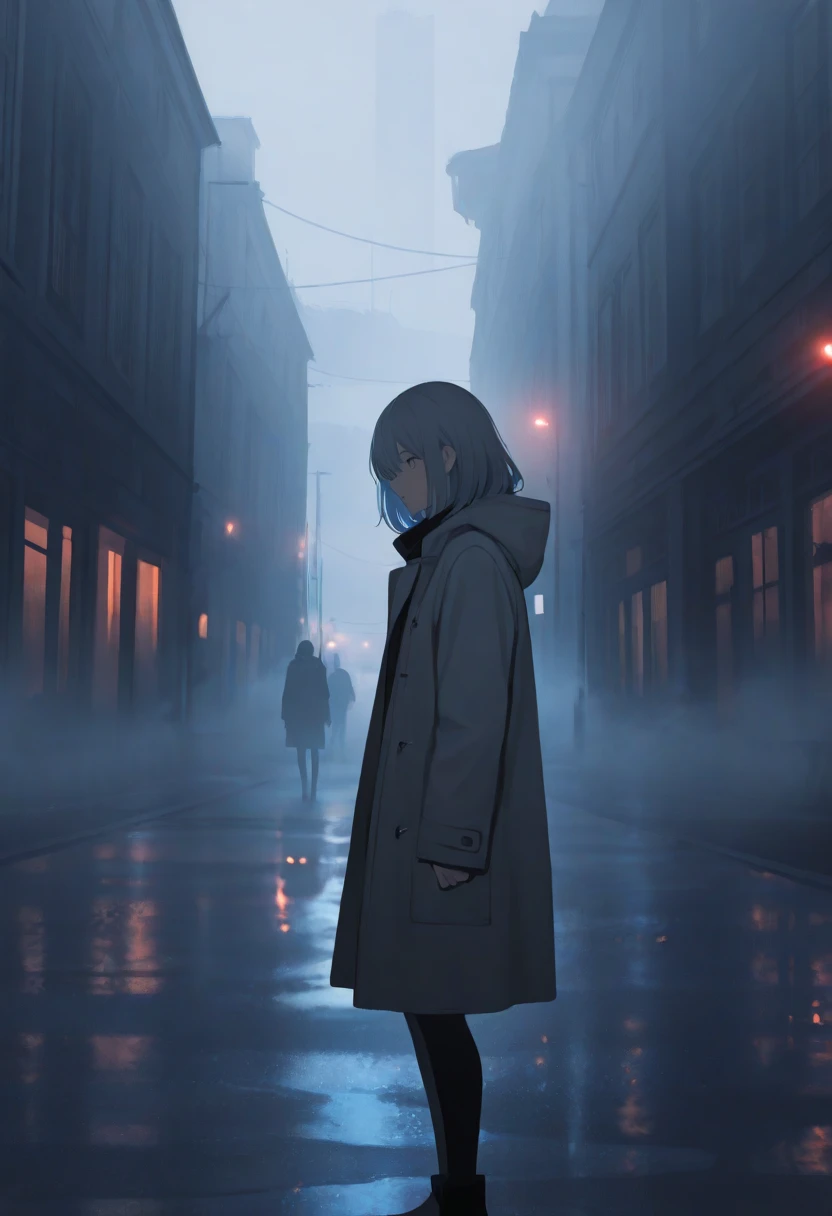
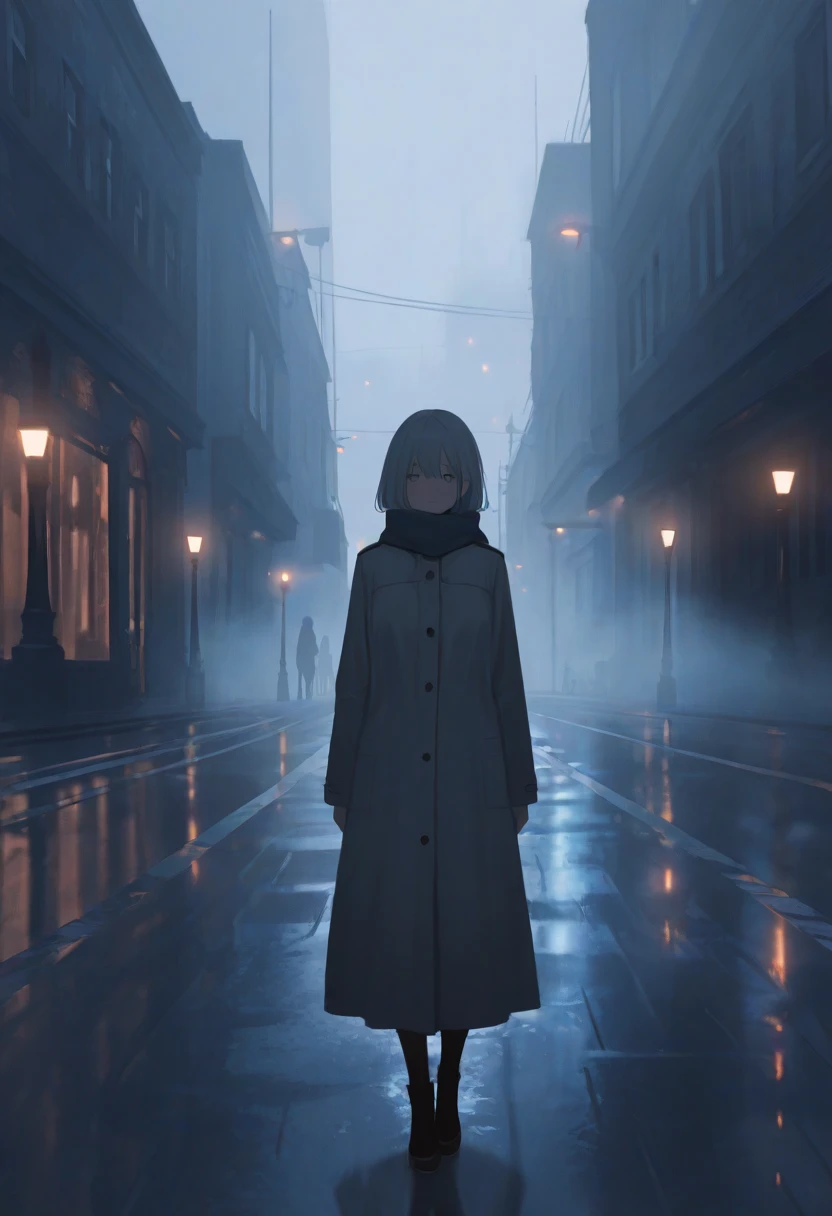
📝 Note: Combine with “fog”, “diffused light”, or “low contrast lighting” for soft tone control.
• Practical Light
Definition: Light from visible objects inside the scene (lamps, candles, TV screens).
Visual Use: Intimate interiors, cozy scenes, vintage realism.
Prompt:
1girl,reading,oil lamp, practical lighting from table lantern, shadows cast on wall, vintage , golden warm tone
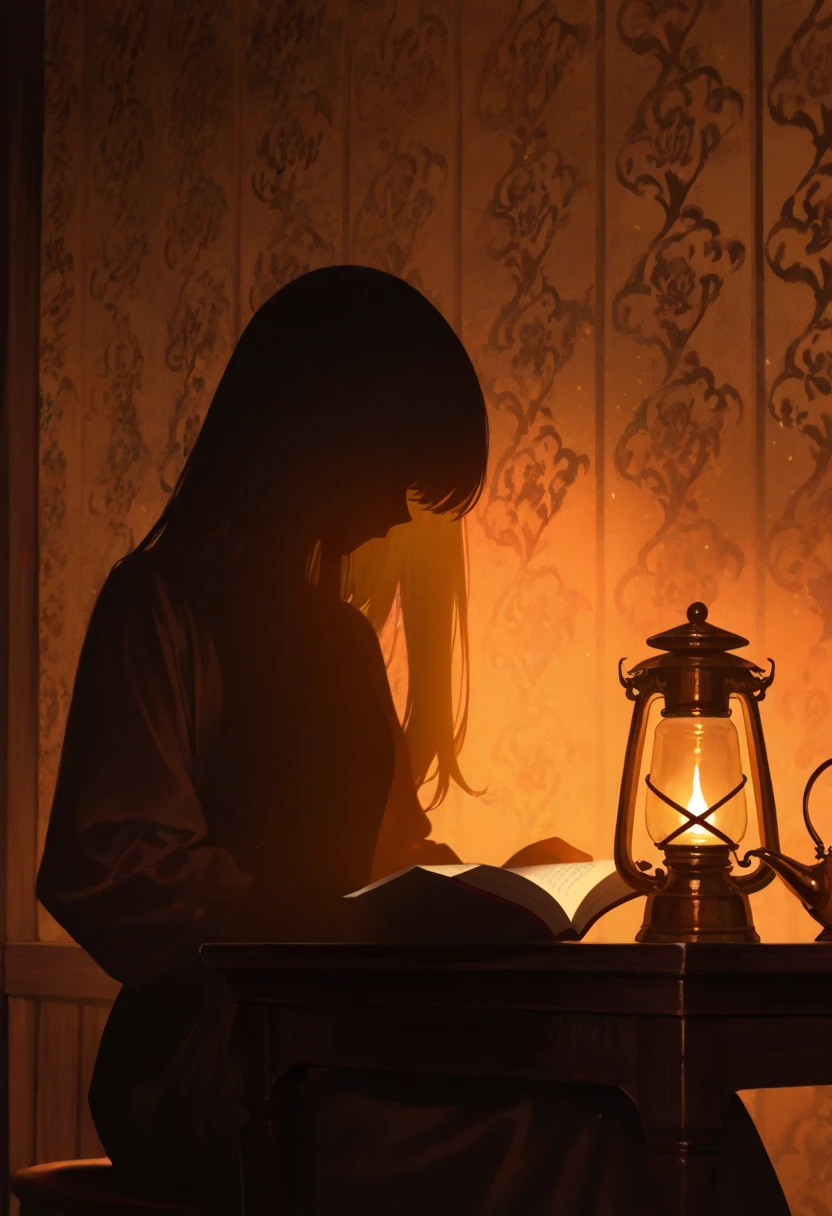
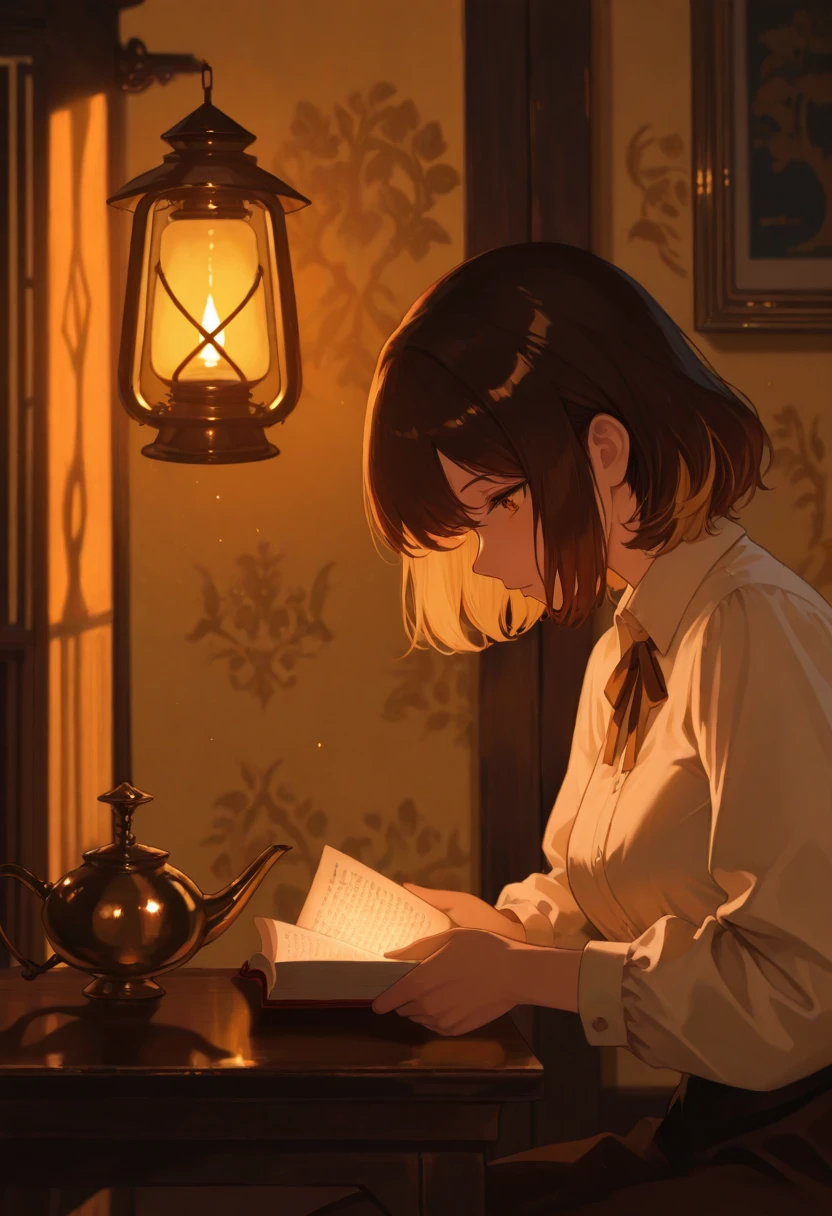
📝 Note: Add “visible light source” like “lantern beside her” or “candle on table” to reinforce motivation.
• Motivated Light
Definition: Any light that makes sense in the scene's logic even if it’s off-screen. Often used to explain dramatic lighting in realism.
Visual Use: Cinematic realism, storytelling logic, narrative grounding.
Prompt:
1girl, sitting at desk, monitor glow on face, dark room, motivated lighting, soft blue ambient light, realistic shadows, screen reflection in eyes, cinematic atmosphere
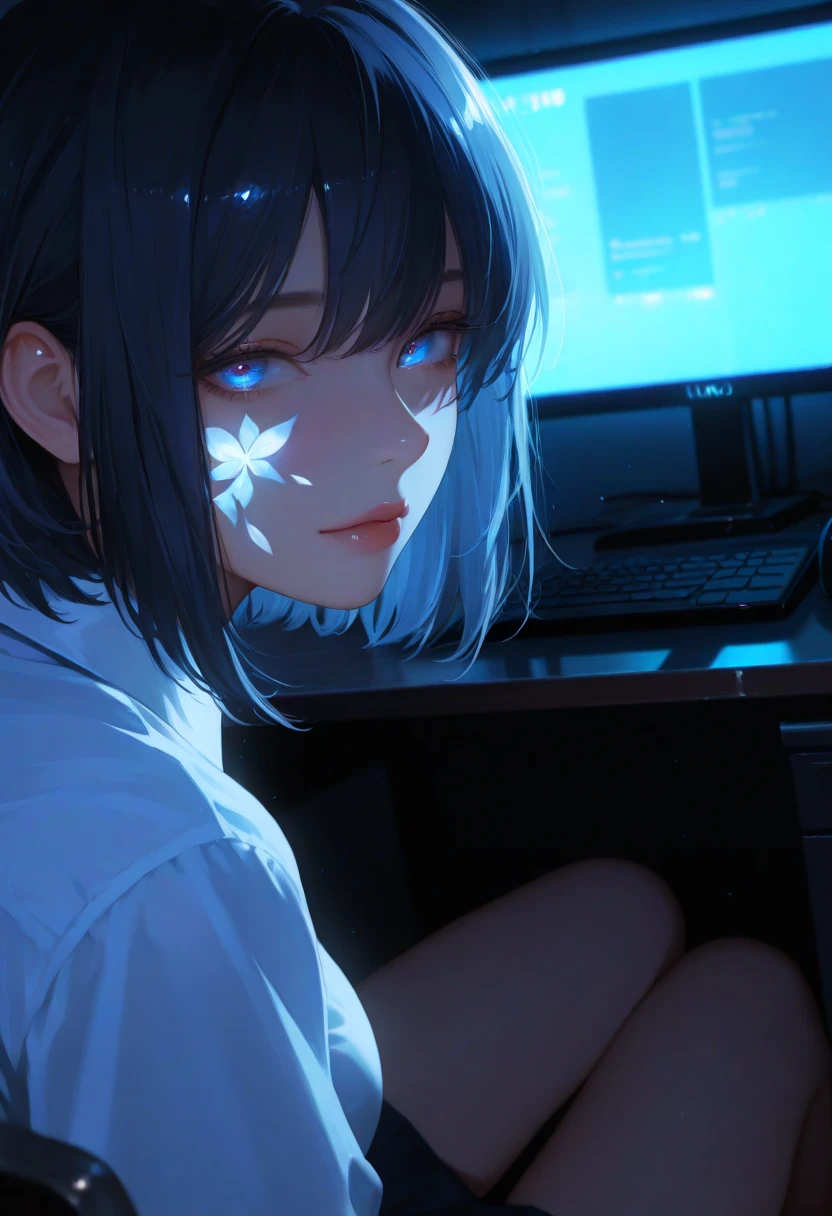
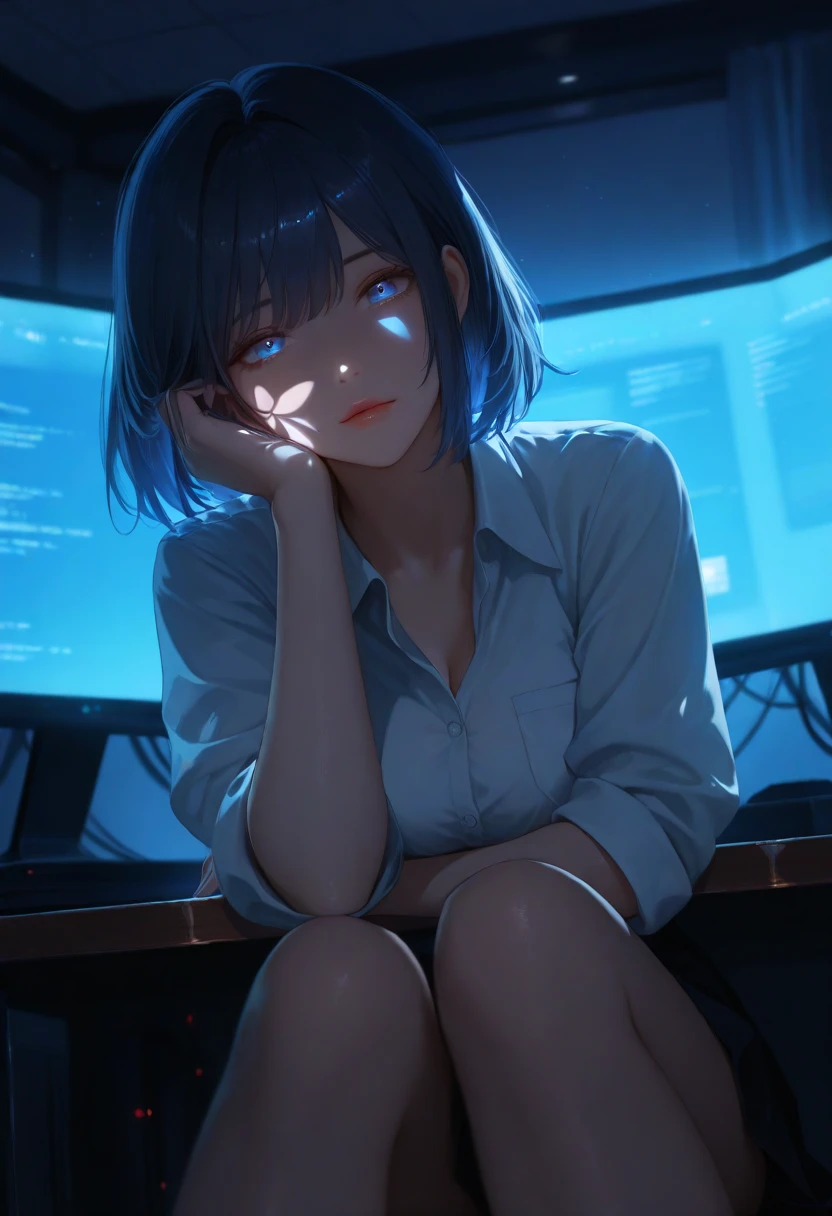
📝 Note: Use "motivated lighting from [source]", e.g., “window light from moon”, “streetlamp off-camera”.
• Incidental Light
Definition: Light that just happens to fall on the subject naturally often unpredictable or unplanned in narrative logic.
Visual Use: Naturalistic, documentary, slice-of-life, mood serendipity.
Prompt:
1girl sitting on stairs, incidental late afternoon light casting gentle glow on face, unaware expression, quiet suburban street
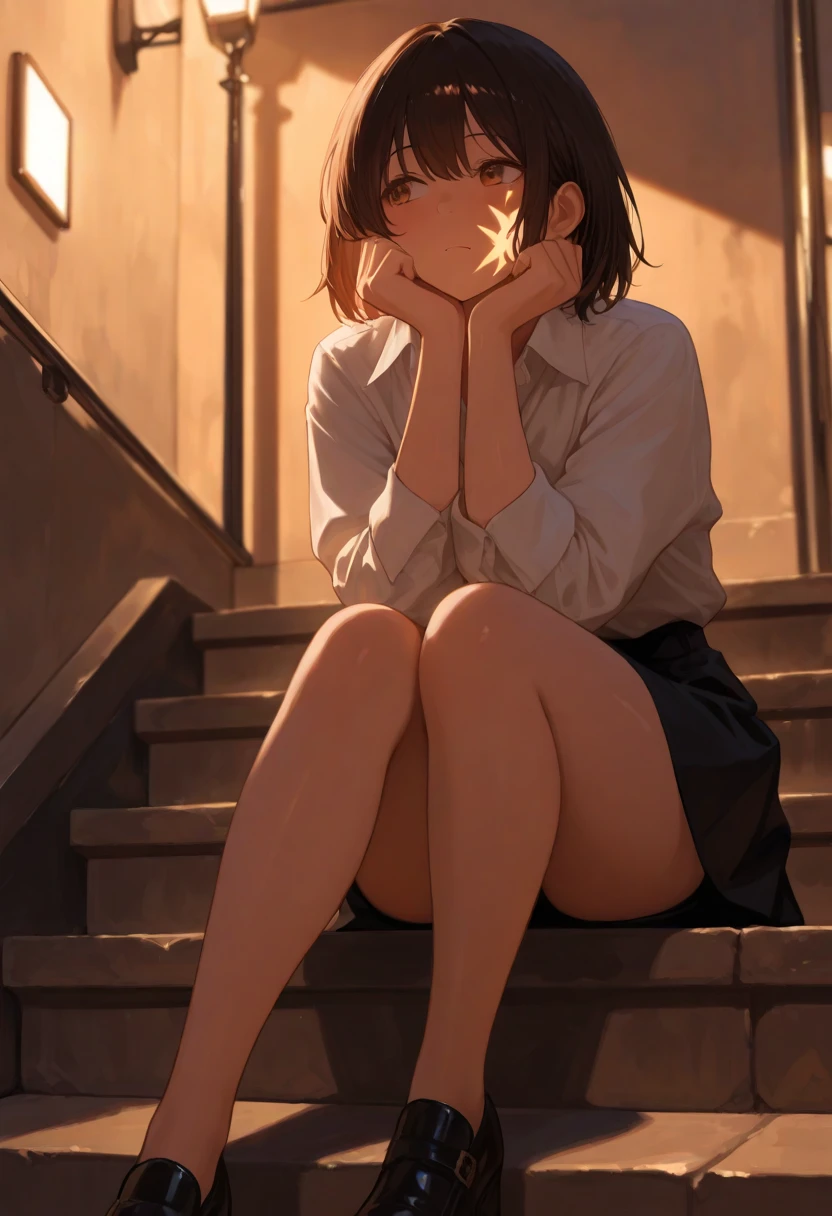
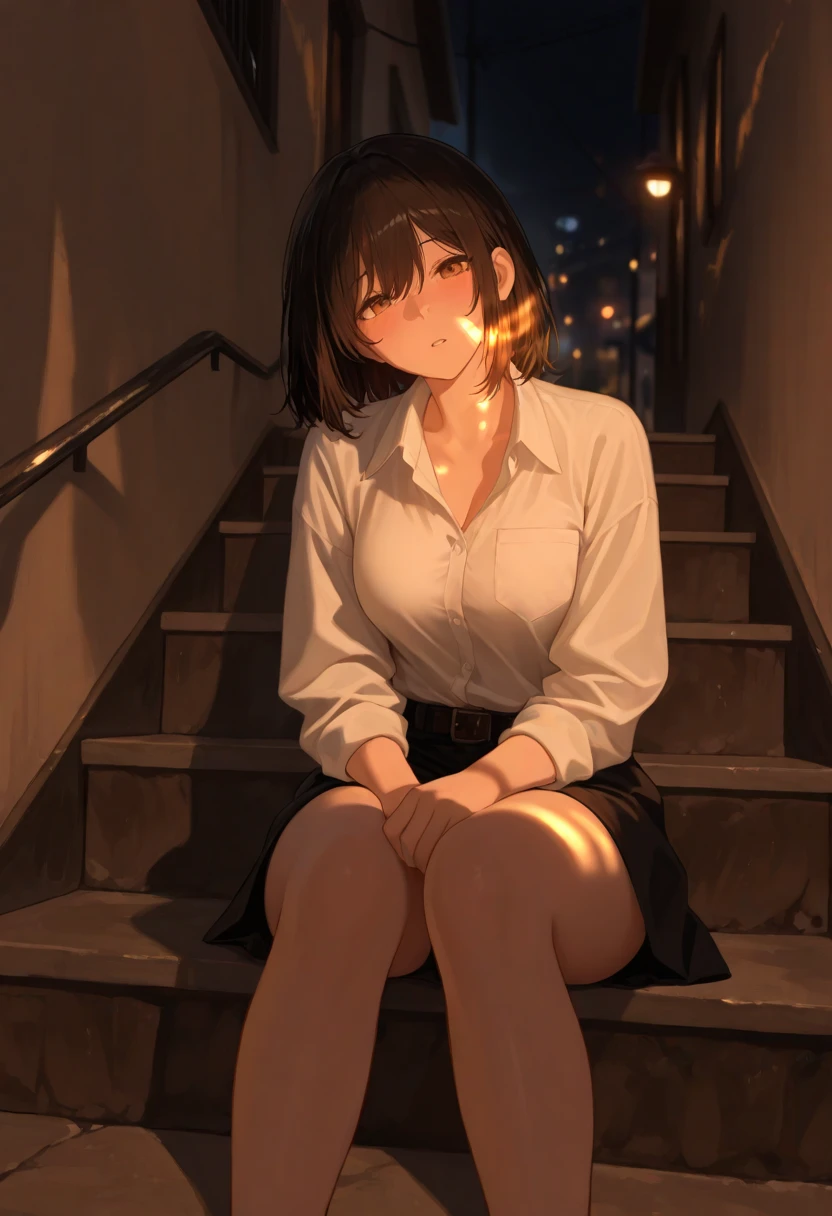
📝 Note: Use “natural incidental lighting”, “accidental sunlight”, or “soft light falling unexpectedly” for realism.
• Reflective / Bounce Light
Definition: Light that bounces off nearby surfaces (walls, floors, sand), often used to fill shadows or shape contrast.
Visual Use: Beach scenes, indoor warm tones, studio realism.
Prompt:
1girl on beach during sunset, warm light reflecting off sand onto her face, soft secondary glow under chin, cinematic portrait style
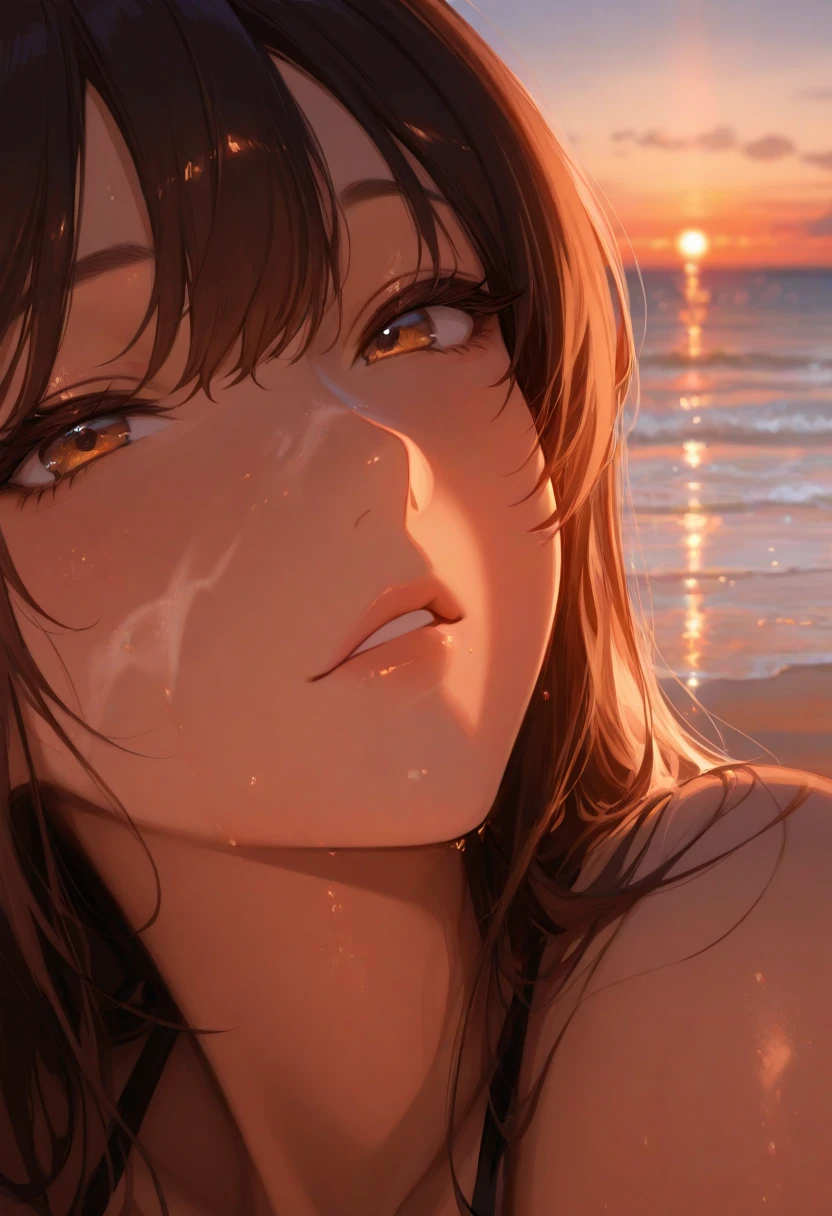
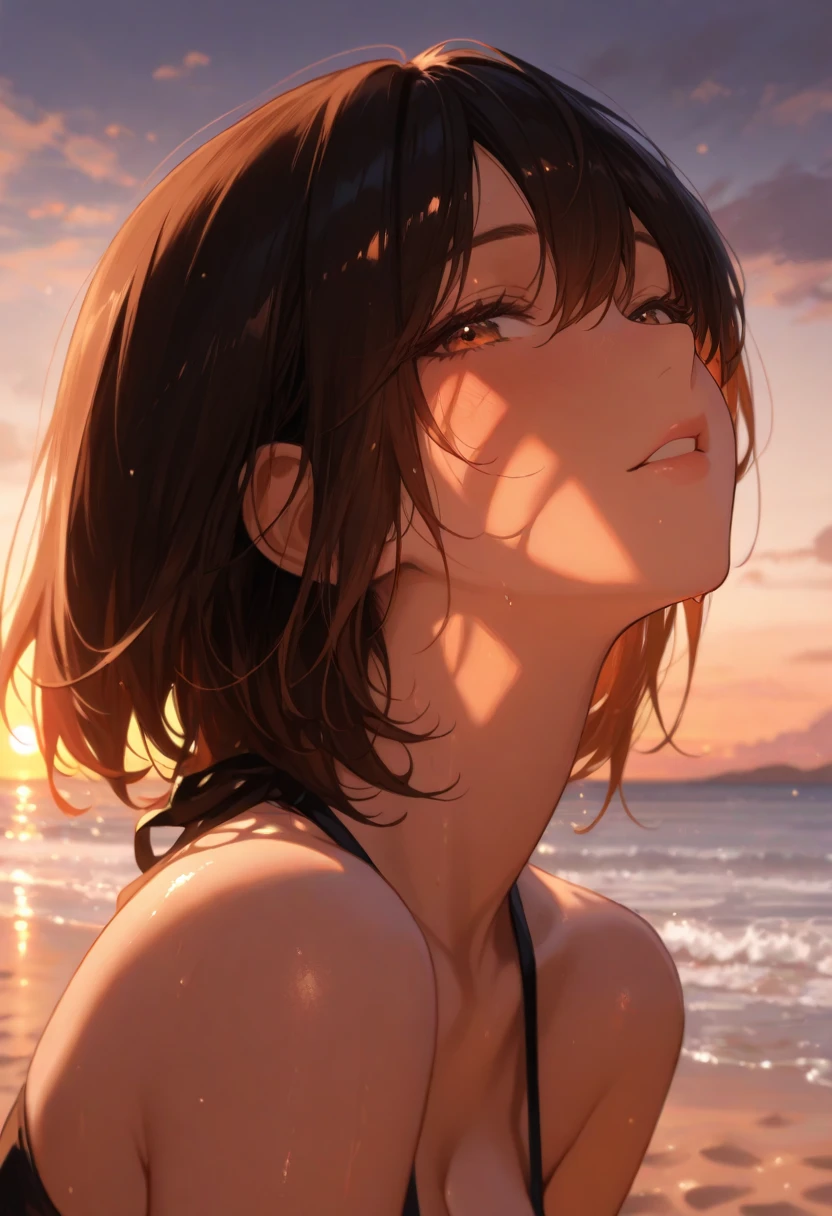
📝 Note: Try “warm bounce light from ground” or “soft reflection from walls” to simulate natural studio-style fills.
B. Color Temperature & Tone
Definition: Color temperature affects the emotional quality of light warmer tones (lower Kelvin) feel intimate or nostalgic, while cooler tones (higher Kelvin) evoke calm, tech, or loneliness.
• Daylight (~5900K)
Prompt:
1girl in bright daylight, crisp shadows, neutral white lighting, clear sky background, realistic tone
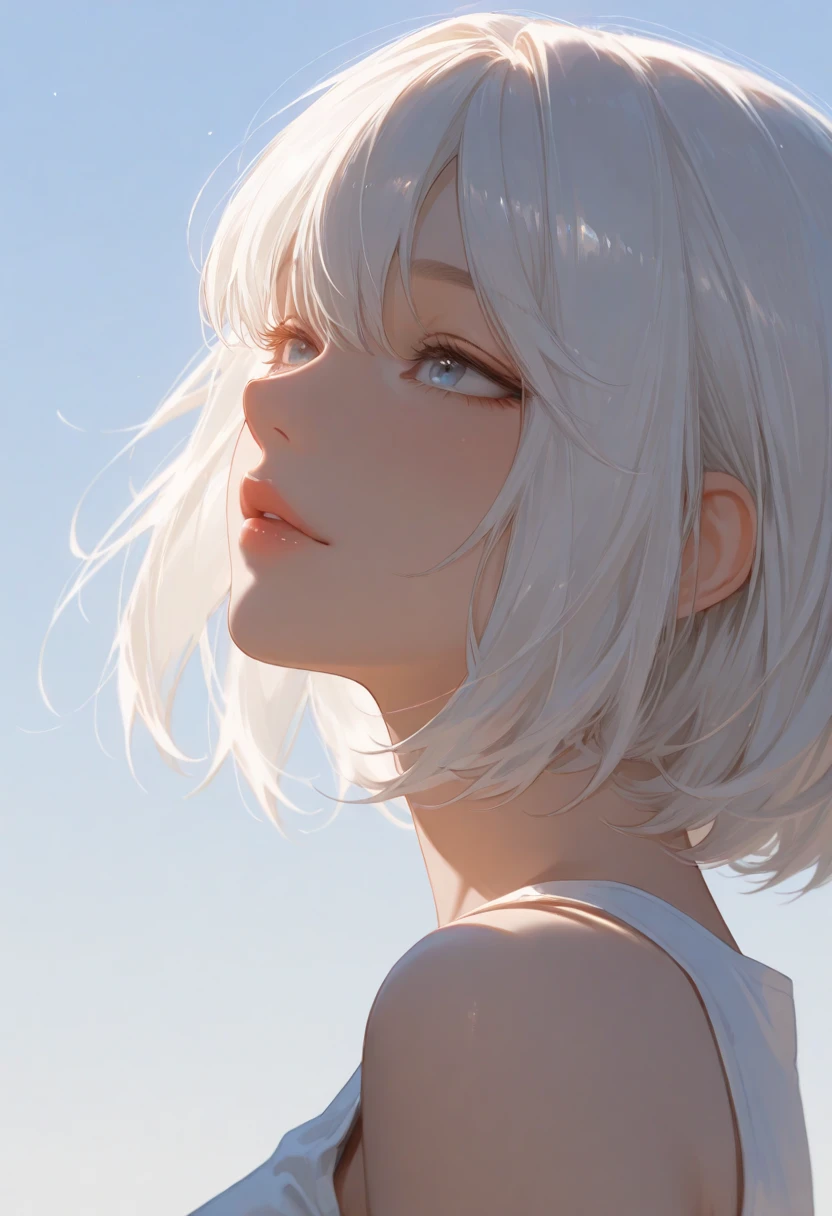
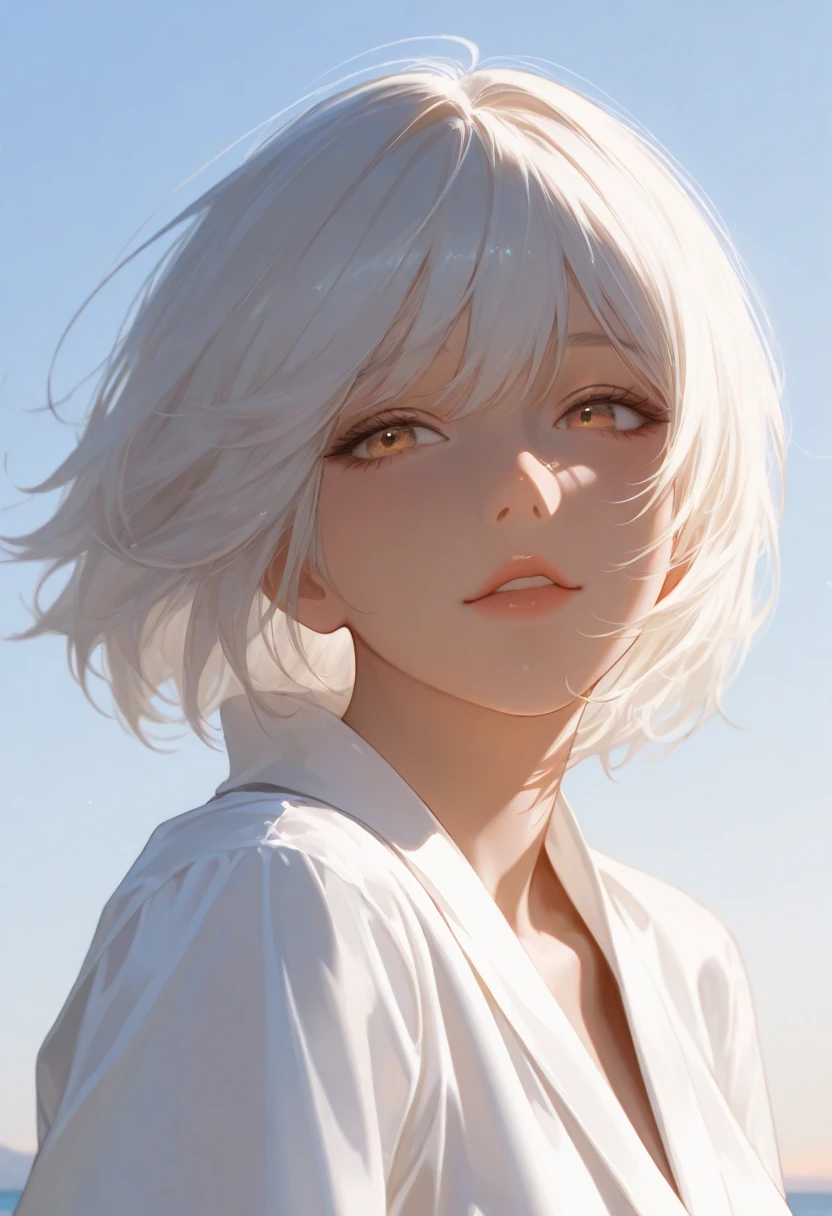
📝 Note: Use “daylight white”, “neutral lighting”, or “bright morning sun”.
• Tungsten (~3200K)
Prompt:
1girl, indoors with tungsten lamp light, cozy golden glow, orange shadows on wallpaper, warm atmosphere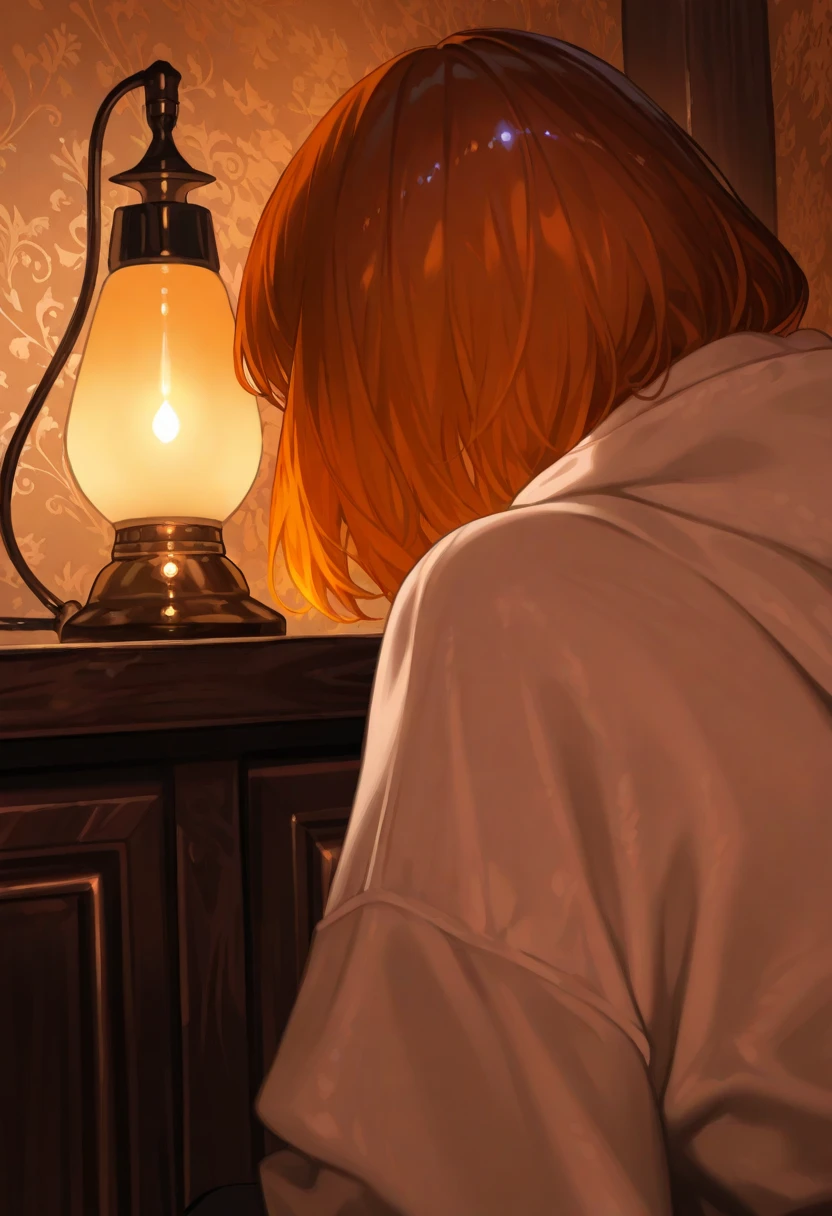
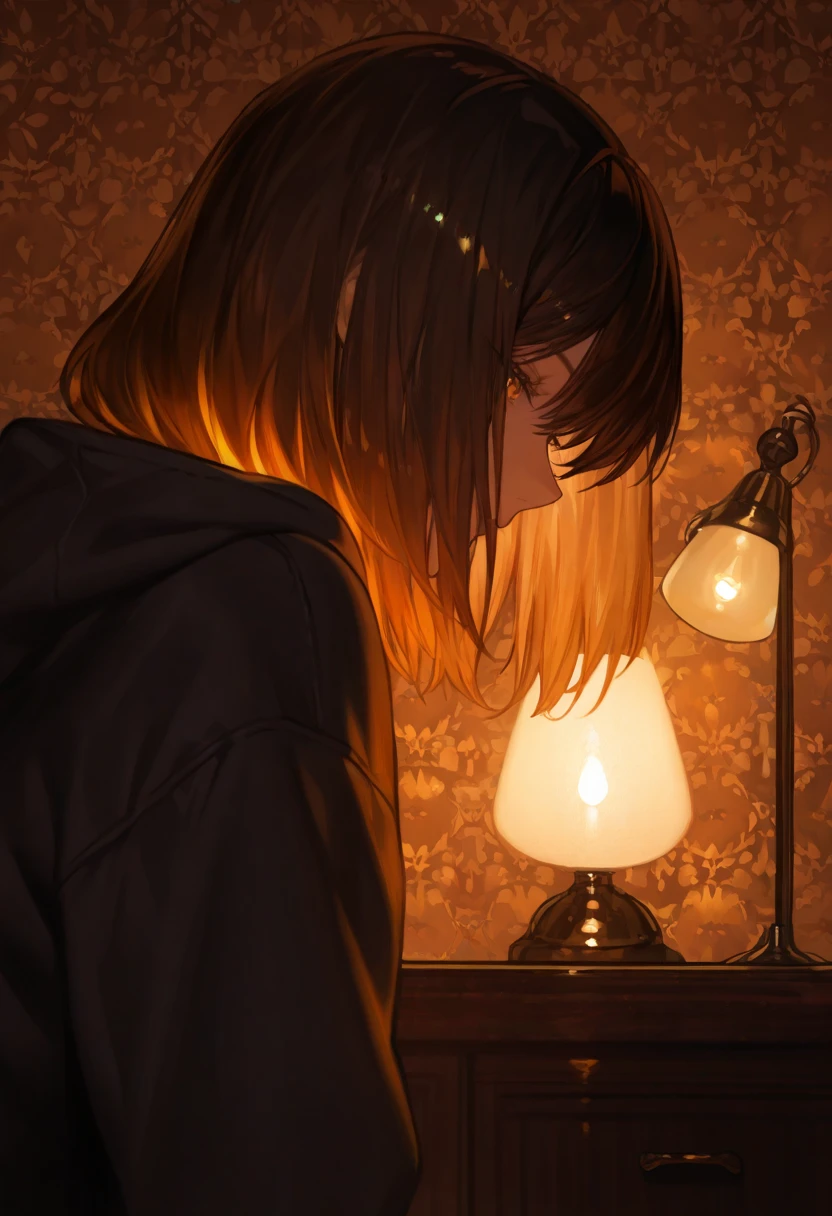
📝 Note: Best for night interiors, combine with “indoor lamp” or “golden light source”.
• Cool Light (6000K+)
Prompt:
1girl under cool blue light, tech-inspired environment, glowing monitor reflection, cold palette
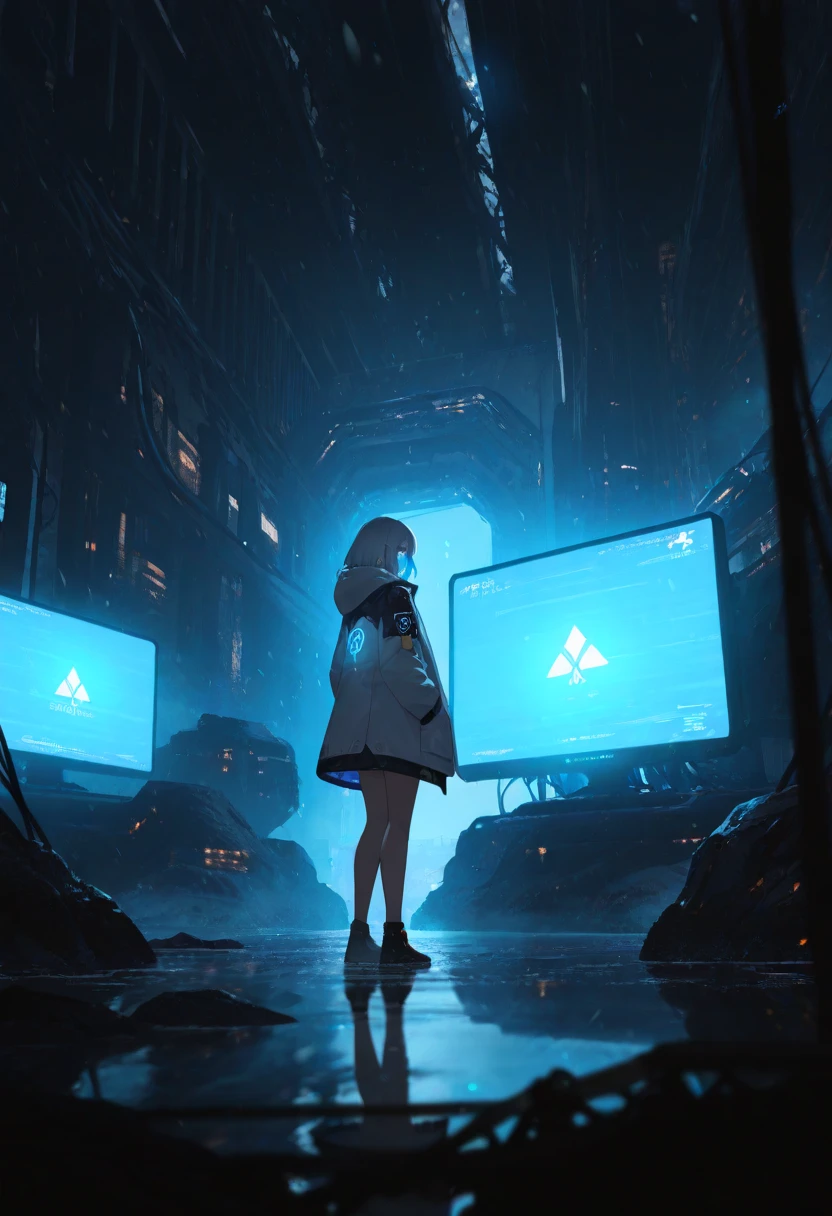
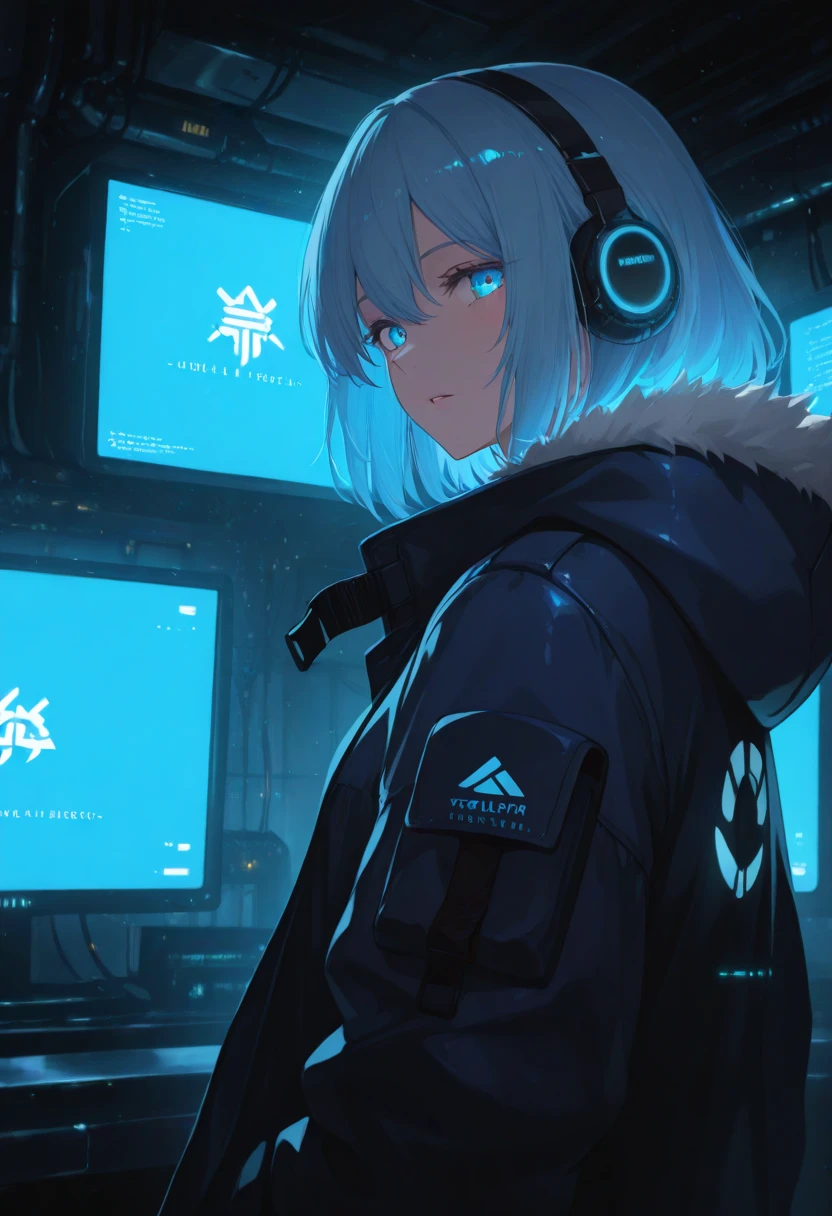
📝 Note: Ideal for cyberpunk, night city scenes, and sci-fi.
C. Light Behavior & Exposure Techniques
• Hard Light
Definition: Unfiltered light source creates strong, defined shadows and high contrast.
Prompt:
1girl with hard key light from side, sharp-edged shadows on face and background, intense dramatic focus, low fill light
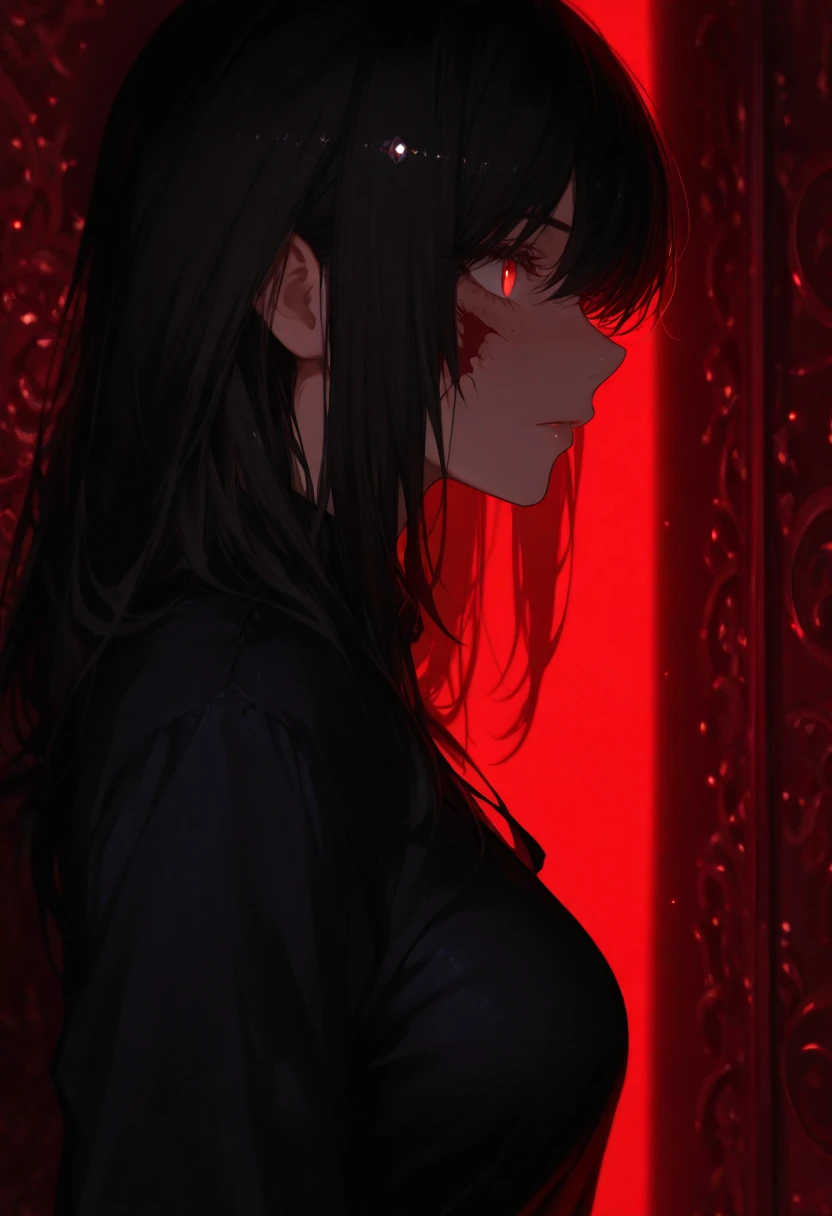
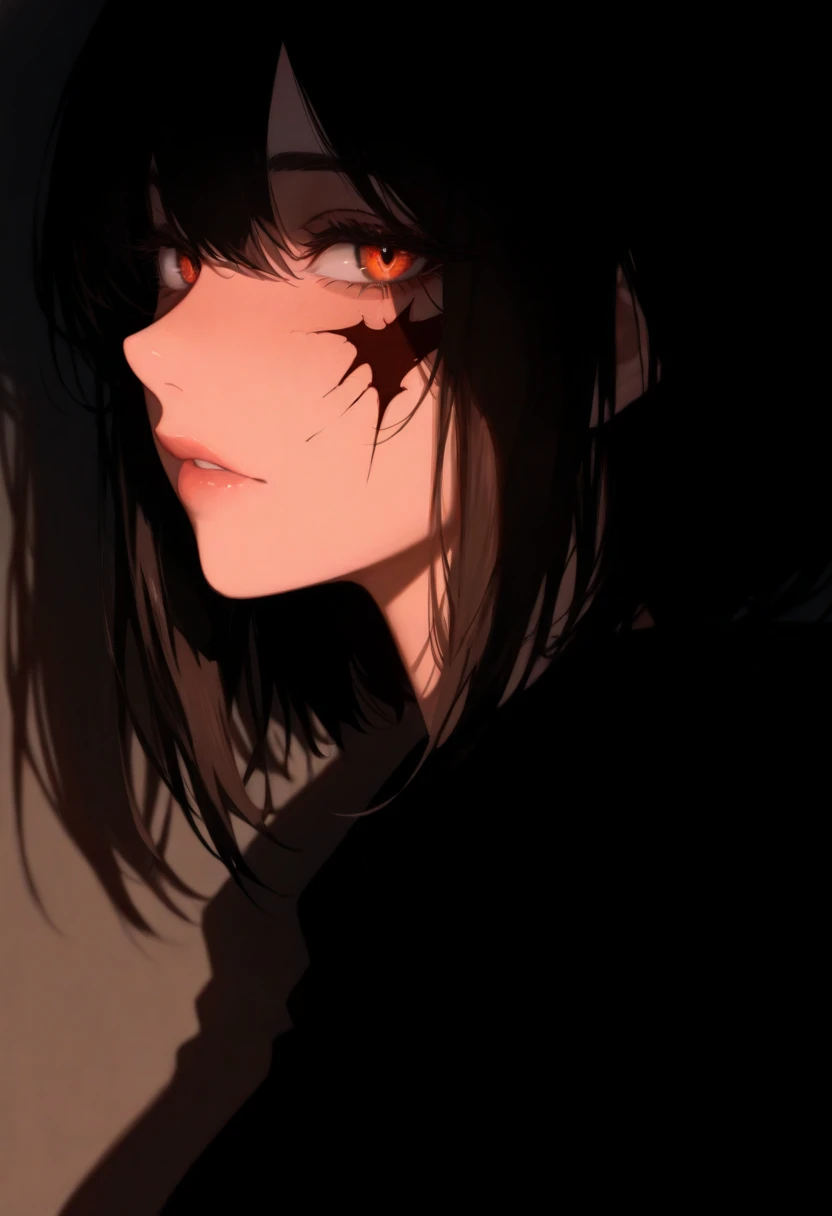
📝 Note: Use “hard lighting”, “strong directional key light”, or “film noir lighting”.
• Soft Light
Definition: Light that’s diffused or spread out flattering, low shadow contrast.
Prompt:
1girl in softbox lighting, glowing edges, smooth shadows under chin, cinematic portrait tone, creamy highlight transition
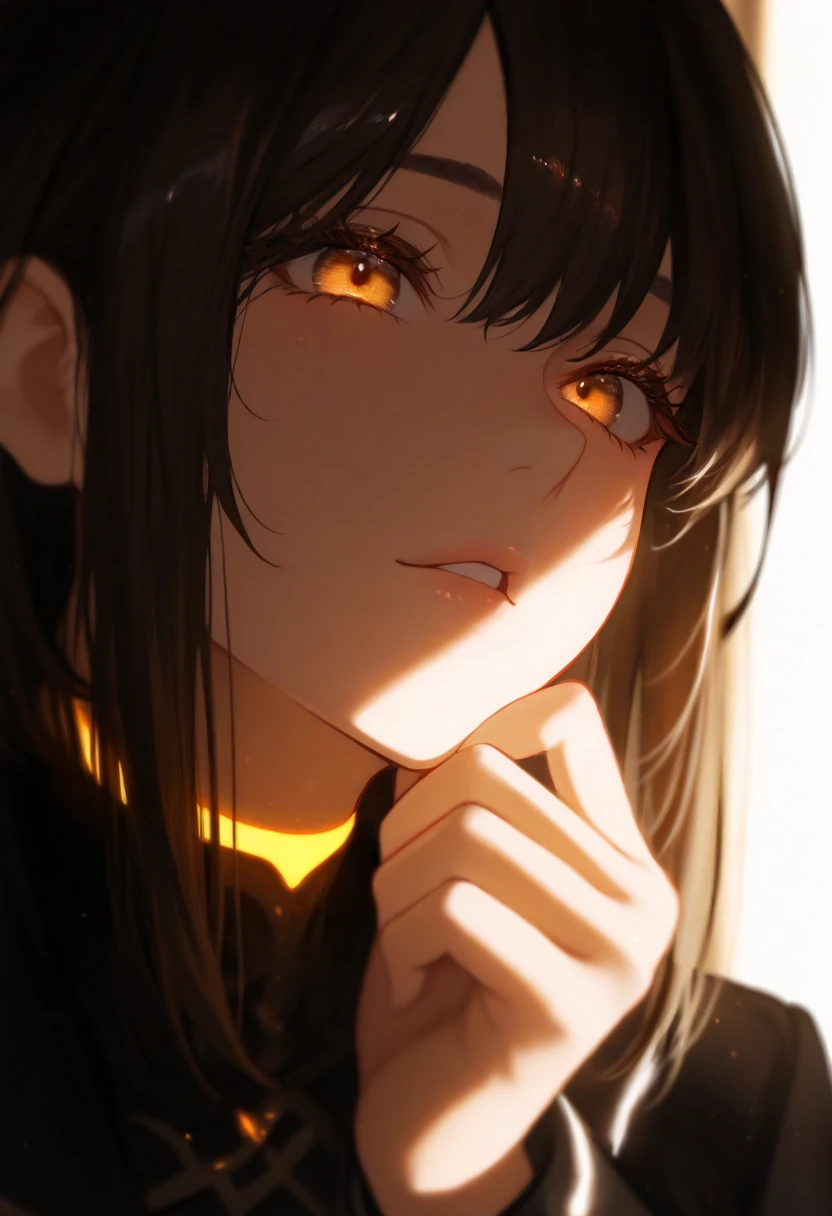
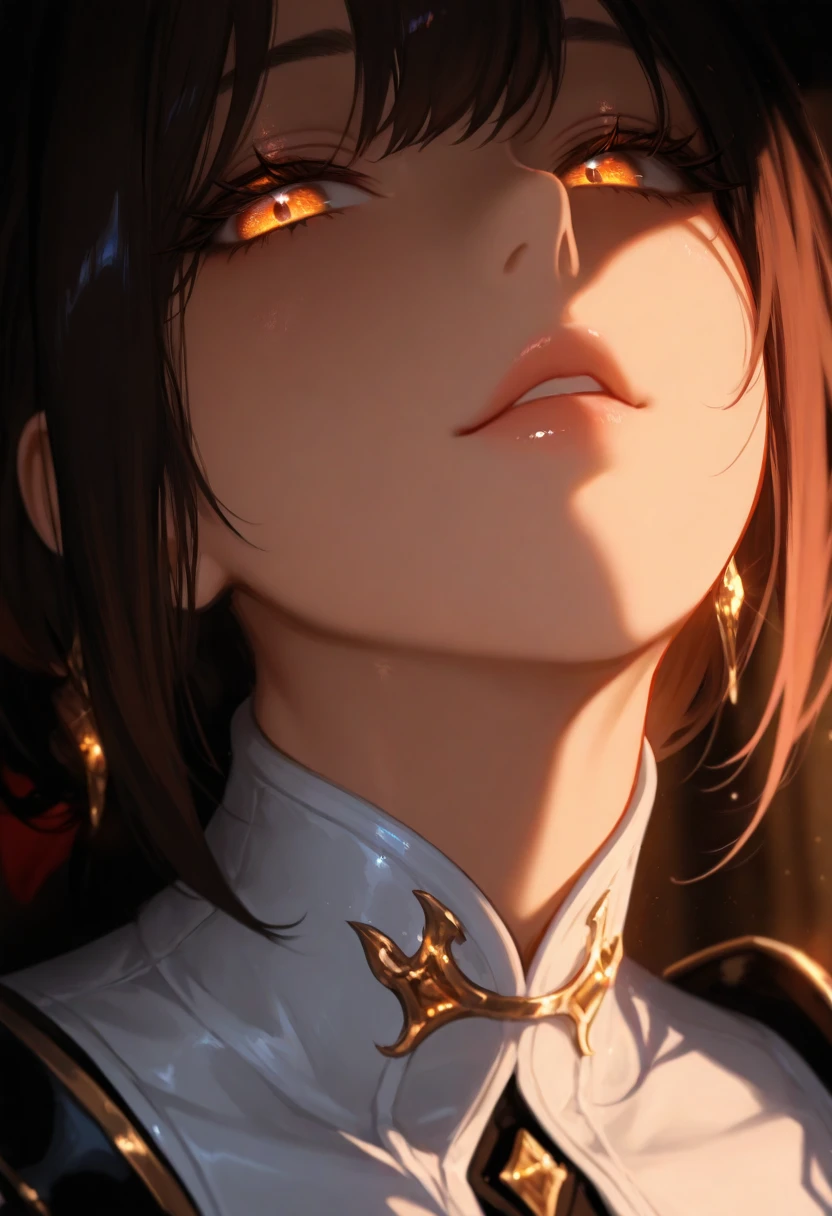
📝 Note: Use “soft light from window”, “diffused overhead lighting”, or “low contrast tone”.
• Light Falloff
Definition: The way light intensity drops with distance; creates a fade or gradient in shadows.
Prompt:
1girl lit from one side, fast light falloff creating dramatic side fade, focus on face, shadows merging into background
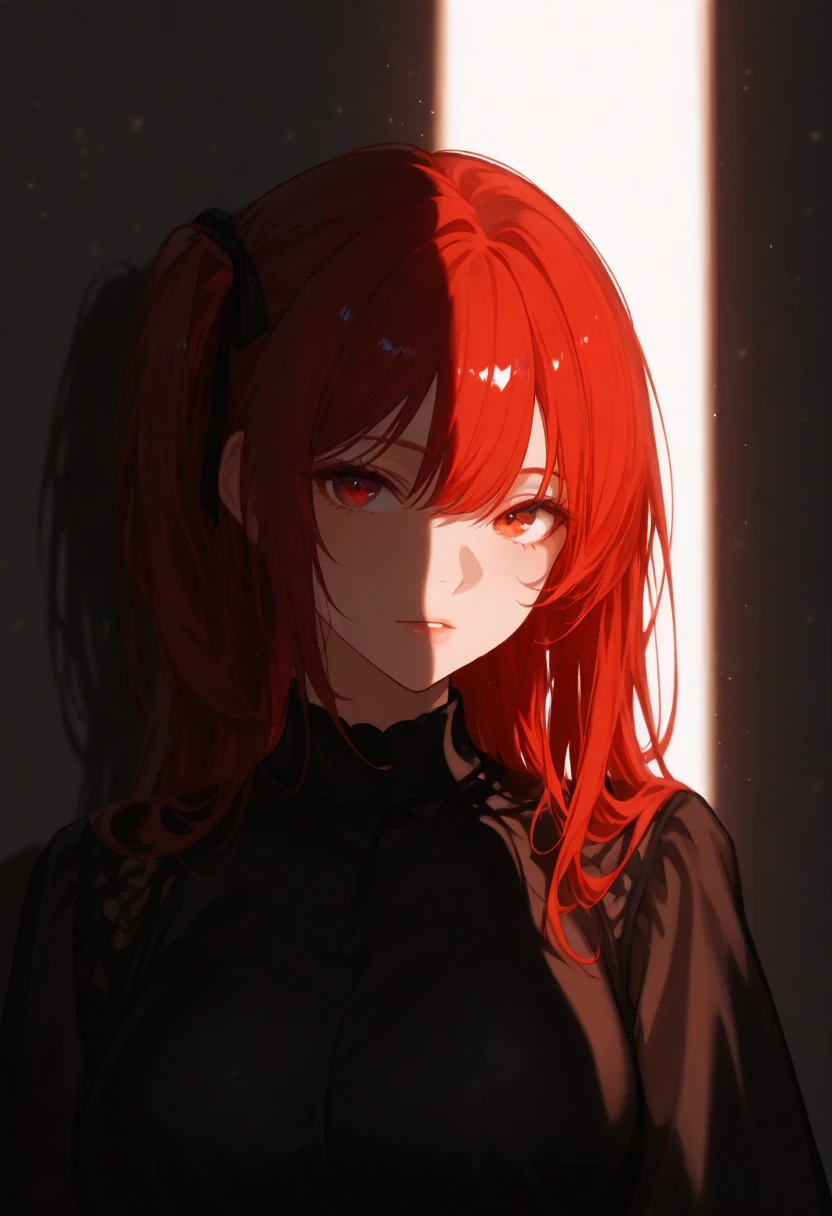
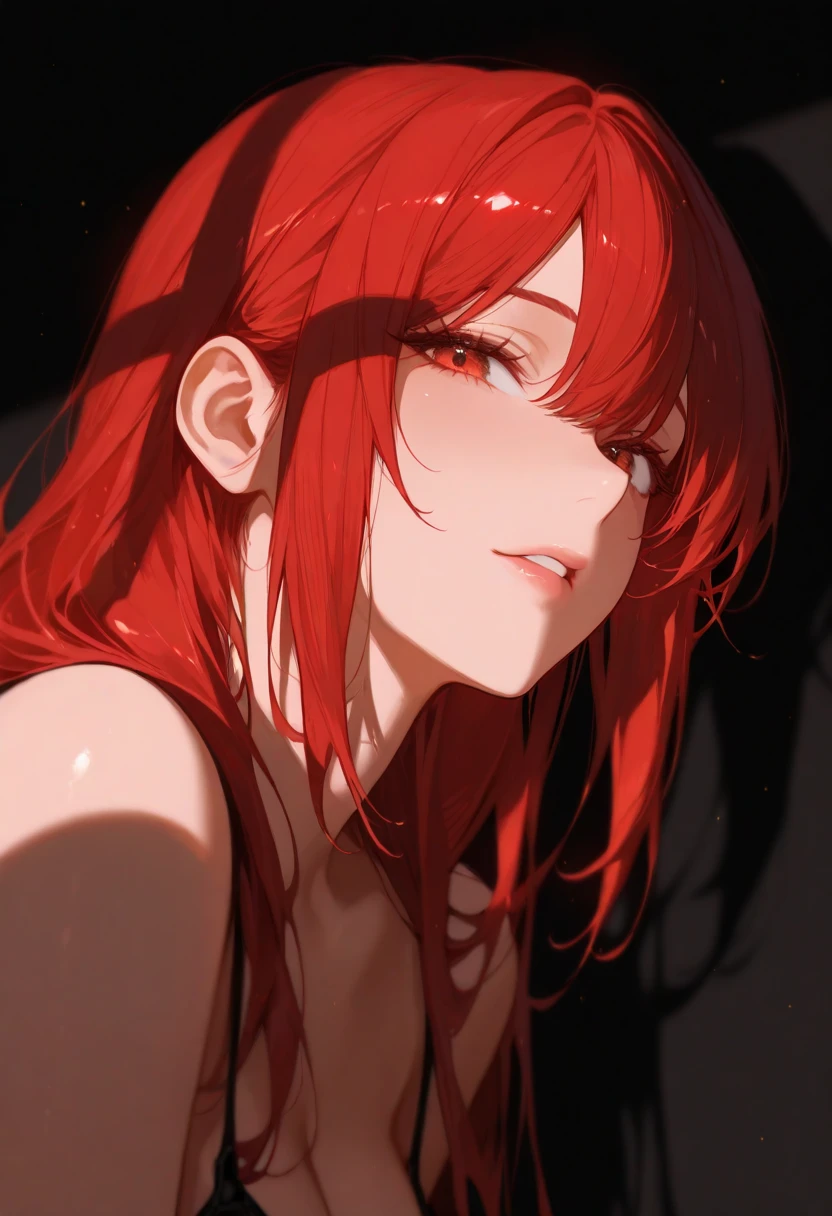
📝 Note: Use “fast falloff” or “light fading across surface” for subtle realism.
• Inverse Square Law
Definition: The closer the light, the stronger it is used to control subject emphasis.
Prompt:
1girl with close lighting on face, background falling rapidly into shadow, dramatic lighting isolation, low ambient fill
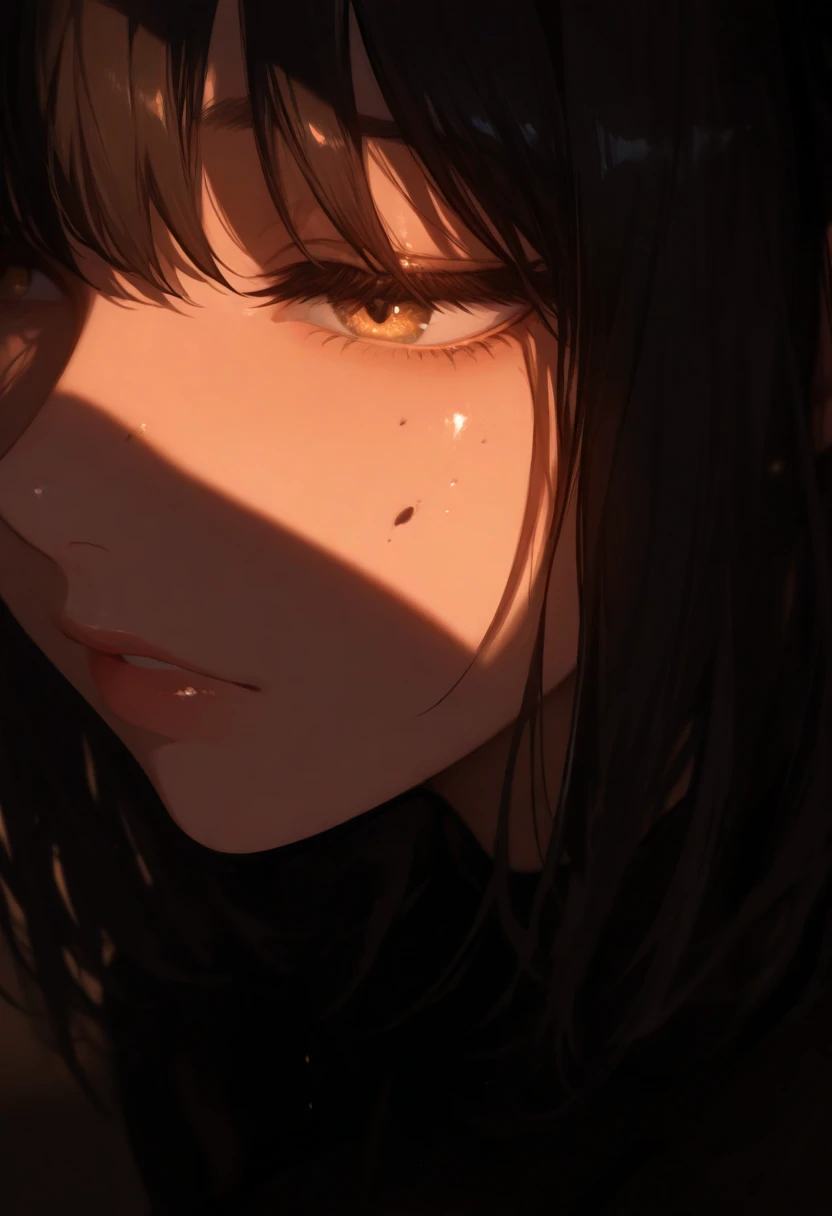
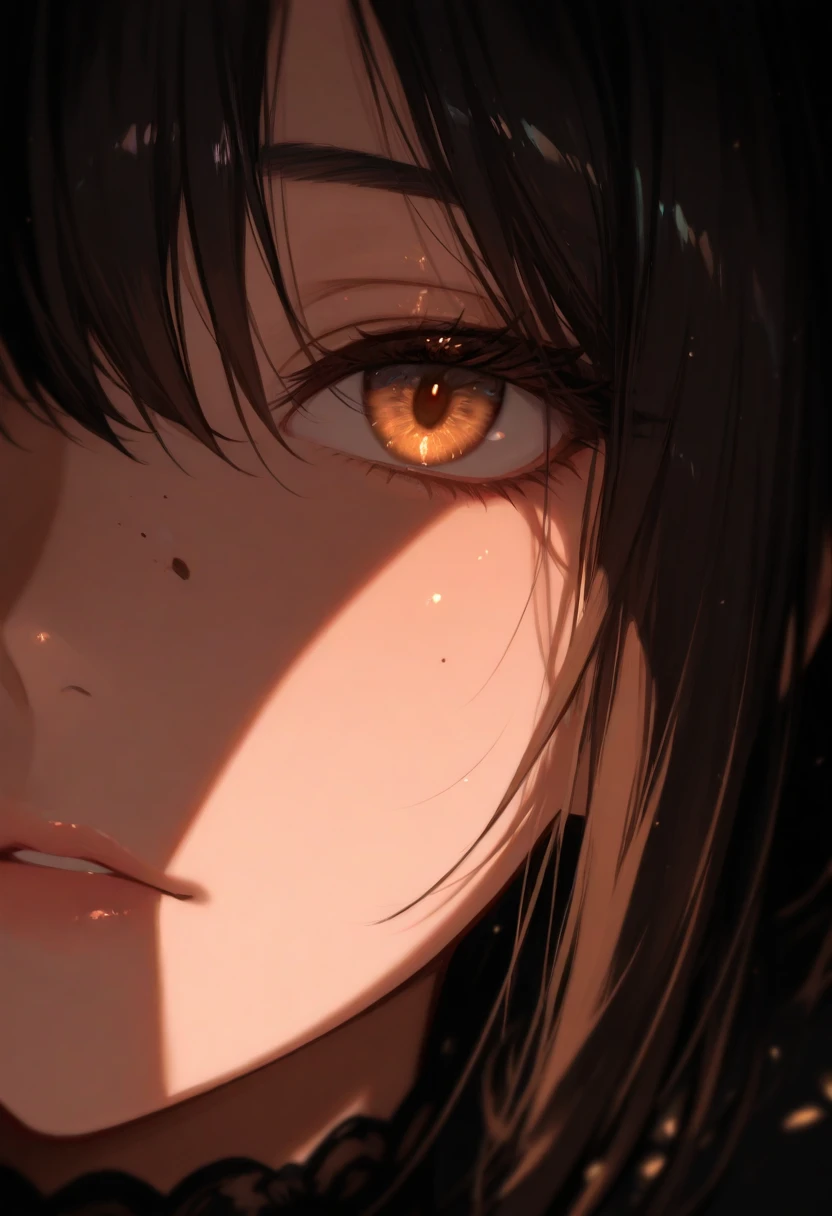
📝 Note: Helps simulate studio portraiture or spotlight effects. Focus light close to subject.
• High Key Lighting
Definition: Bright, flat lighting with minimal shadow used in cheerful or commercial settings.
Prompt:
1girl, high key lighting, white background, soft light, minimal shadows, evenly lit skin, bright exposure, cheerful expression, studio setup, clean aesthetic
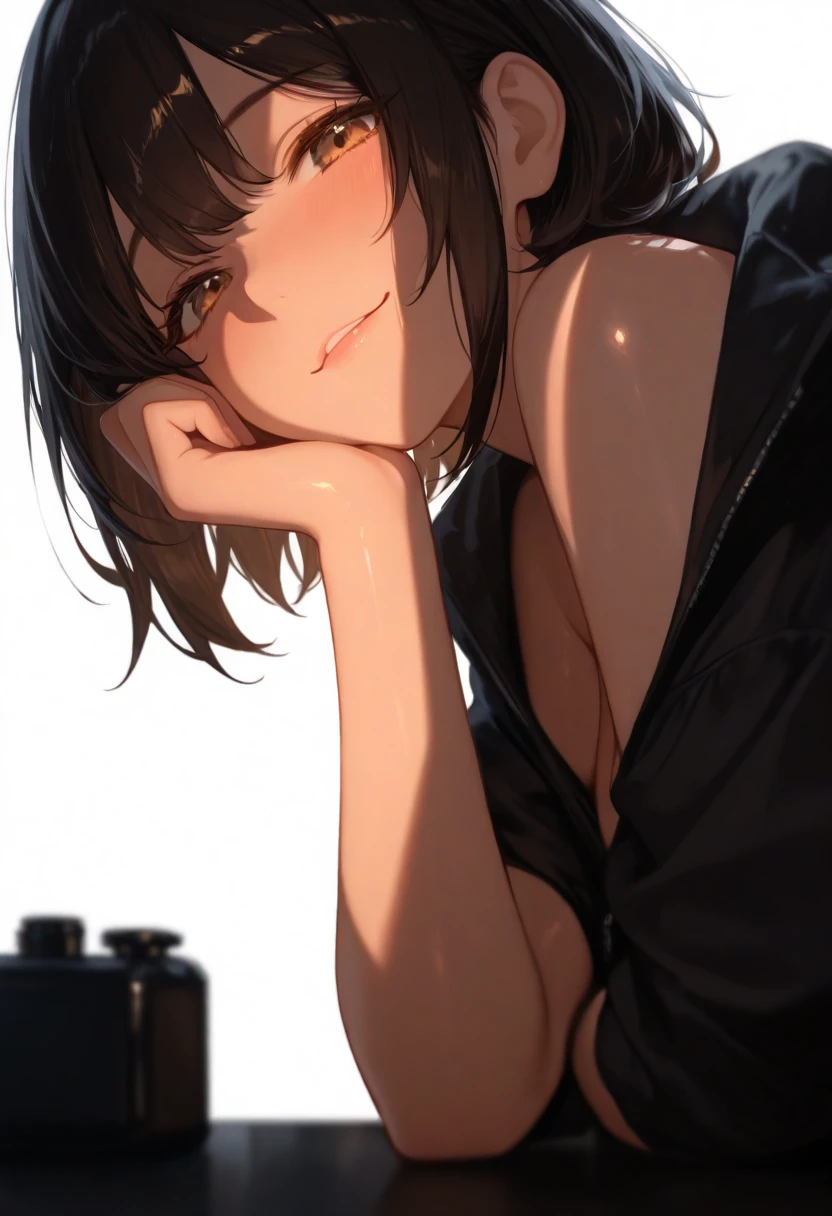
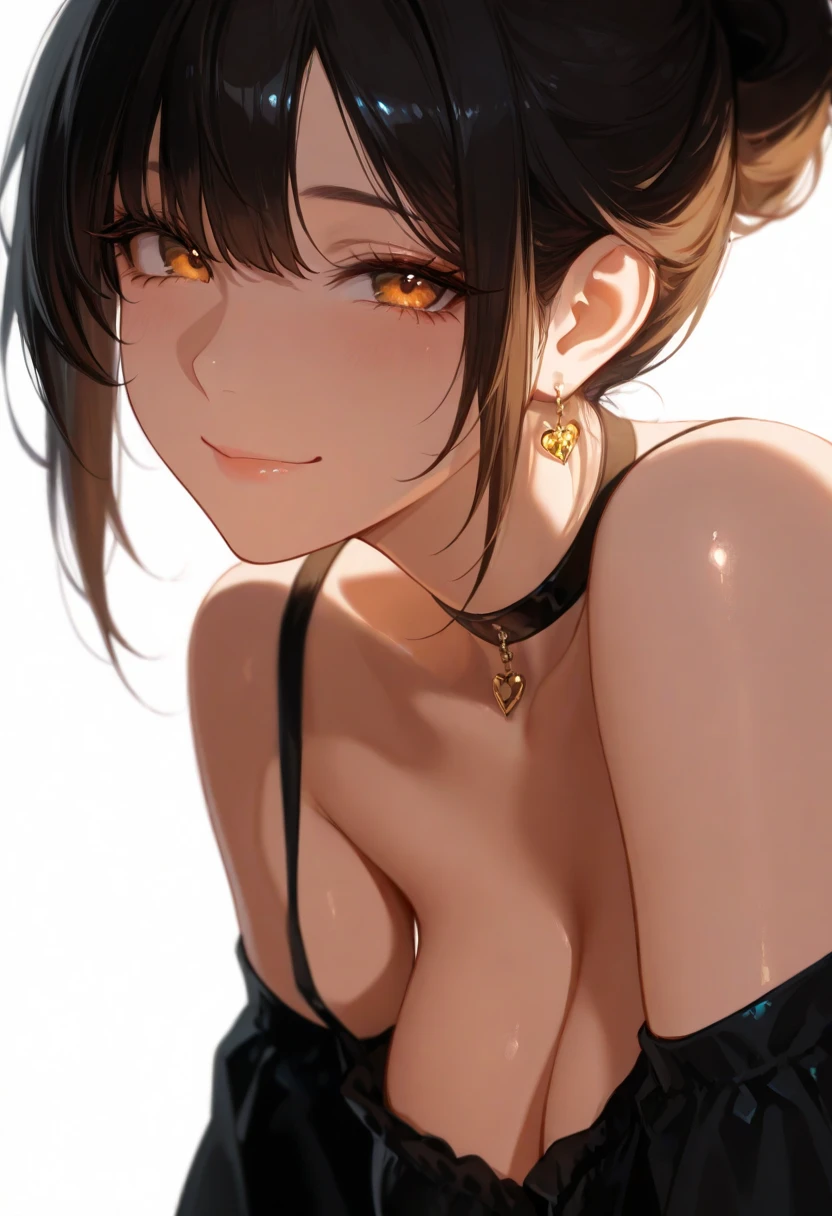
📝 Note: Best for product photos, portraits, or bright emotion. Add “white backdrop” and “studio look”.
• Low Key Lighting
Definition: Dark scene with minimal lighting and deep shadows—emphasizes drama or tension.
Prompt:
1girl in low key lighting, mostly in shadow, one light creating rim highlight on cheek, noir cinematic tone
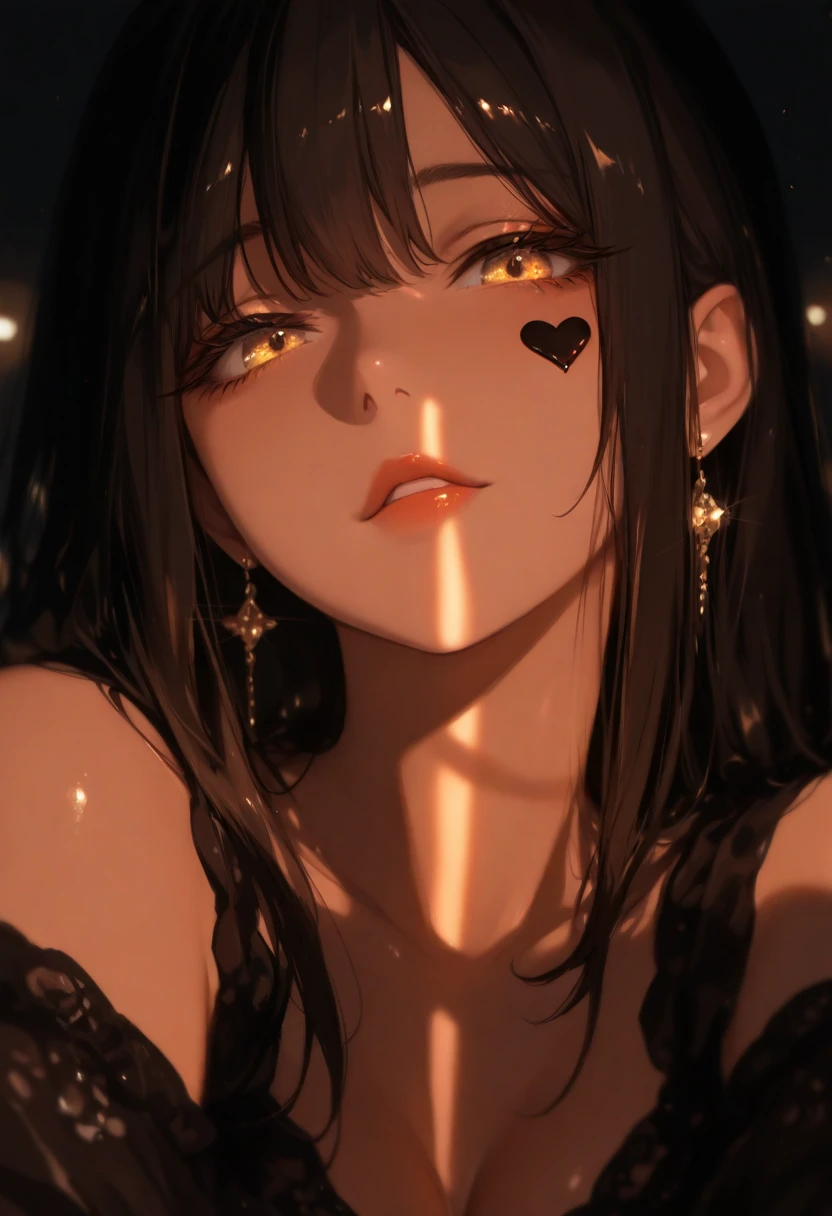
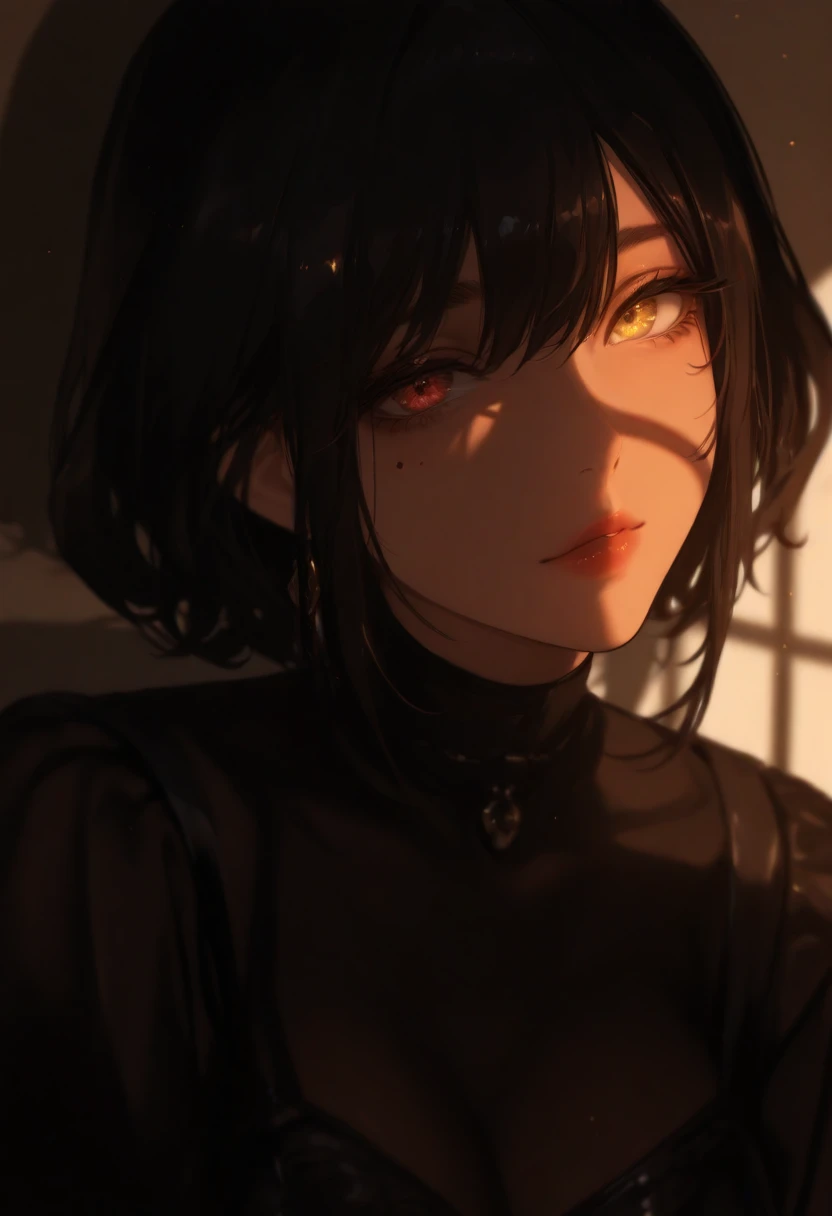
📝 Note: Use “dark scene”, “low fill light”, or “moody portrait”. Perfect for suspense or intimacy.
• Chiaroscuro
Definition: Artistic use of intense contrast between light and shadow for drama and visual tension.
Prompt:
1girl in chiaroscuro style lighting, strong contrast on face, half in deep shadow, baroque-inspired pose, rich background darkness
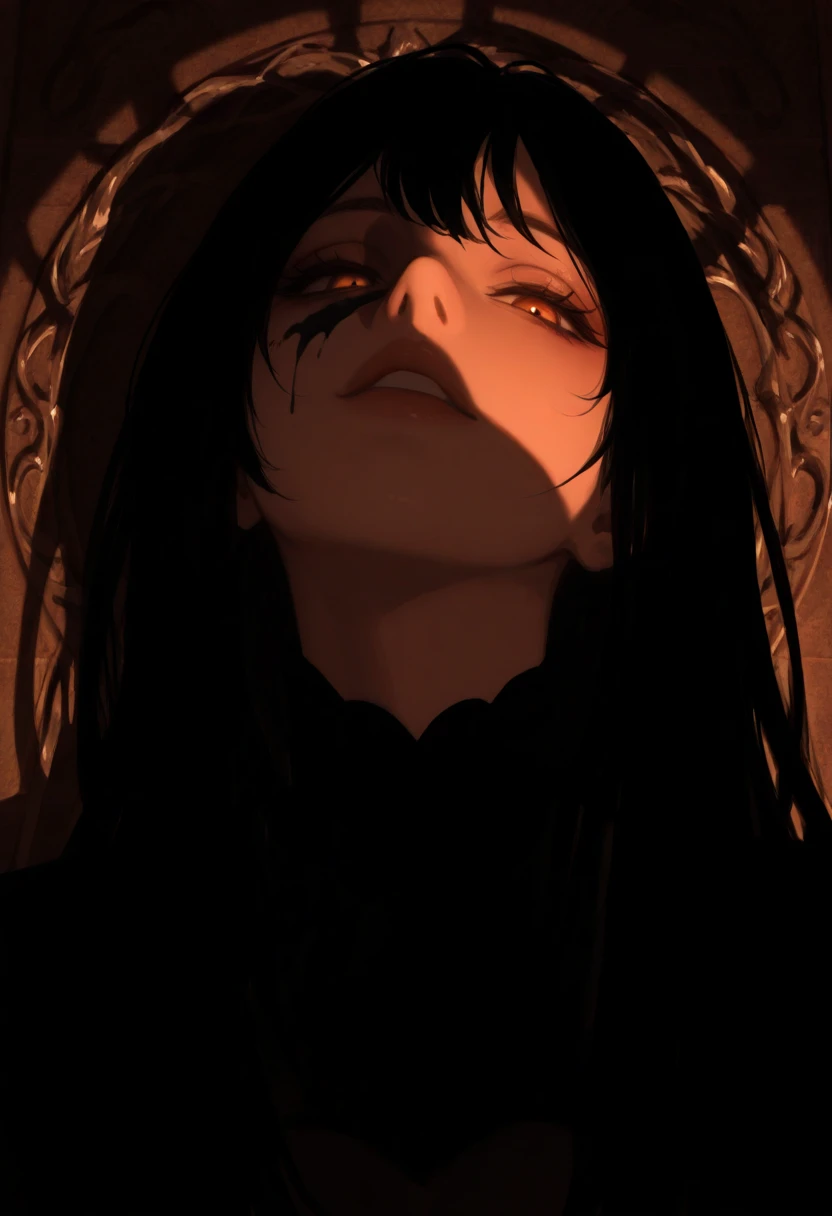
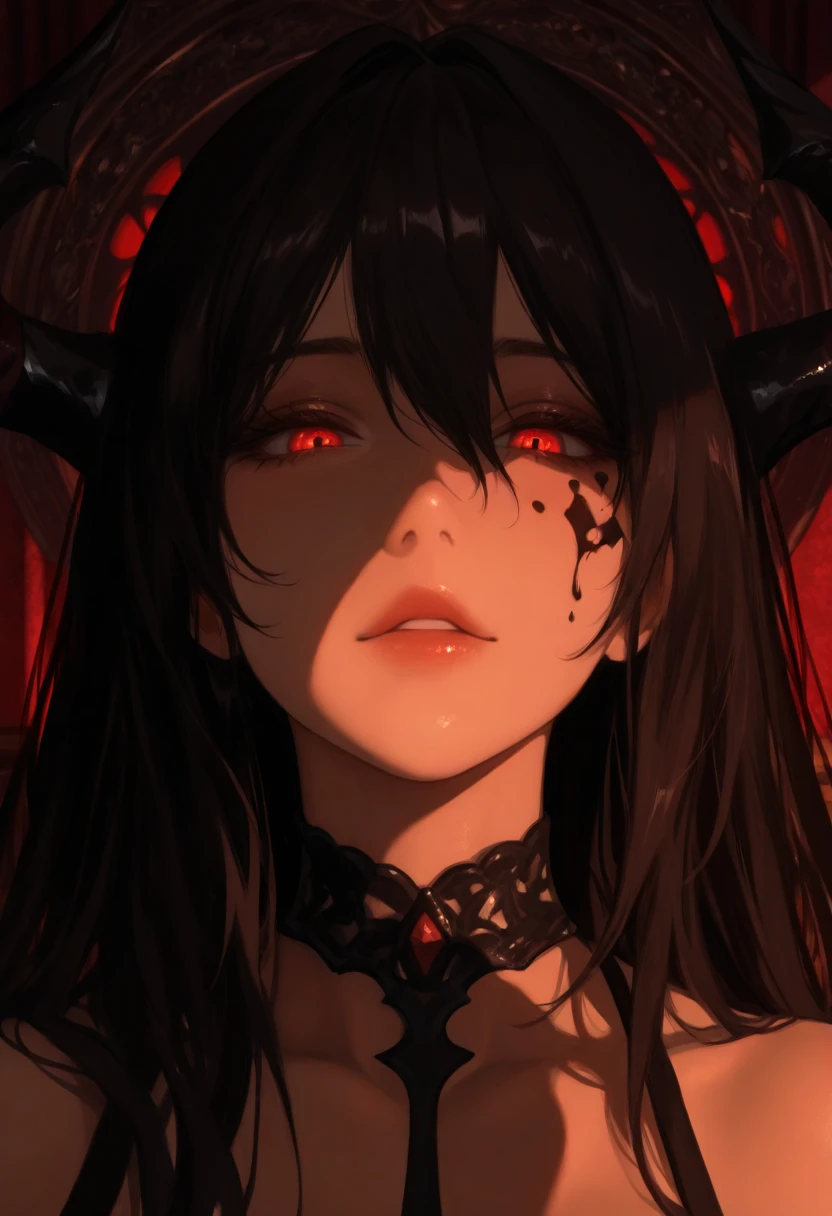
📝 Note: Use “chiaroscuro lighting”, “caravaggio-style”, or “dramatic single-source light”.
8. Camera Exposure Terms & Lighting Tools for AI Prompting
These concepts come from real-world photography and cinematography. When applied correctly in your prompts, they simulate camera behavior, lighting gear, and visual storytelling techniques giving your AI art a professional, cinematic polish.
Each entry includes:
A. Camera Exposure & Lens Simulation
• Exposure
Definition: The amount of light hitting the camera “sensor.” Lower exposure = darker image. Higher = brighter.
Visual Use: Control mood (bright and airy vs. dark and intimate).
Prompt:
1girl in dark alley, low exposure image, moody lighting, soft dark shadows, dramatic tone, visible rim light
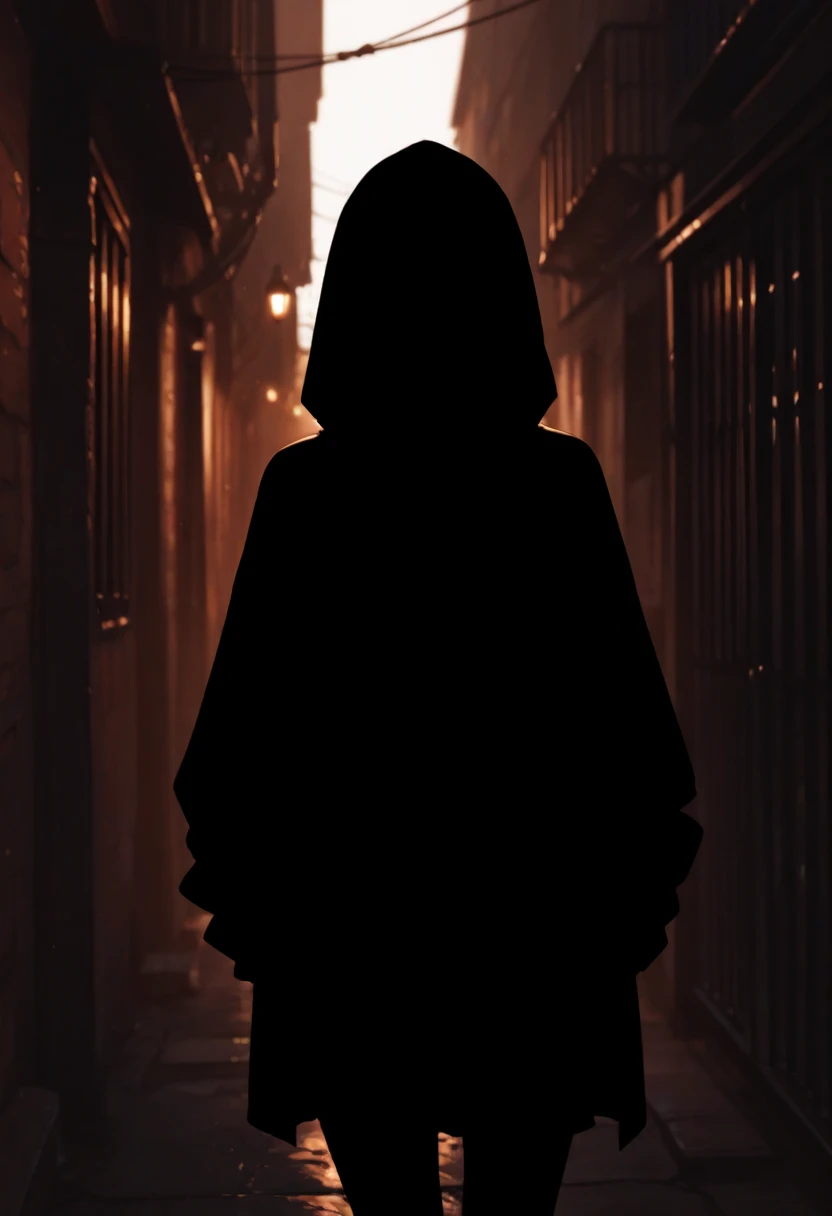
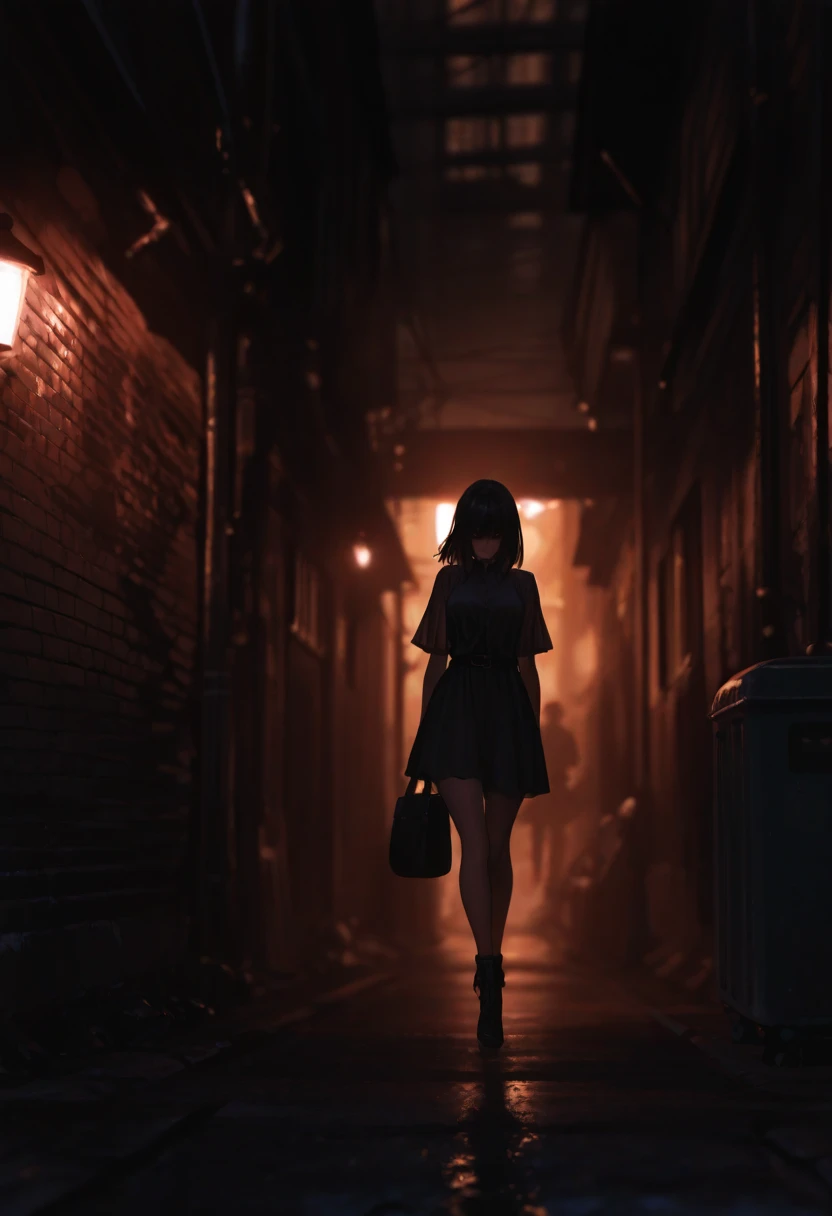
📝 Tip: Use “underexposed” for dim moods or “high exposure” for glowing overbright scenes.
• ISO
Definition: Measures light sensitivity. High ISO = brighter image but introduces grain/noise.
Visual Use: Vintage feel, gritty atmosphere, handheld realism.
Prompt:
1girl, high ISO simulation, visible film grain, dim city light, 1980s photography feel, blue-green tint
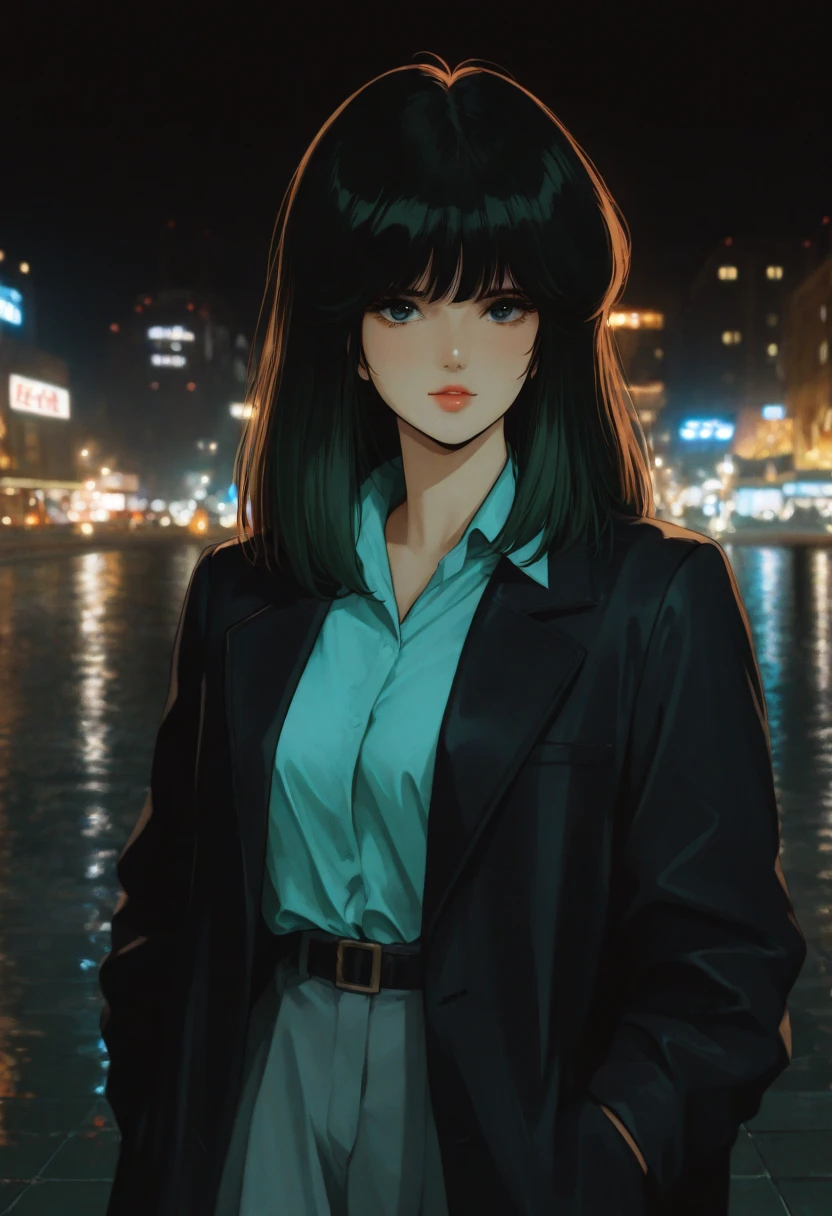
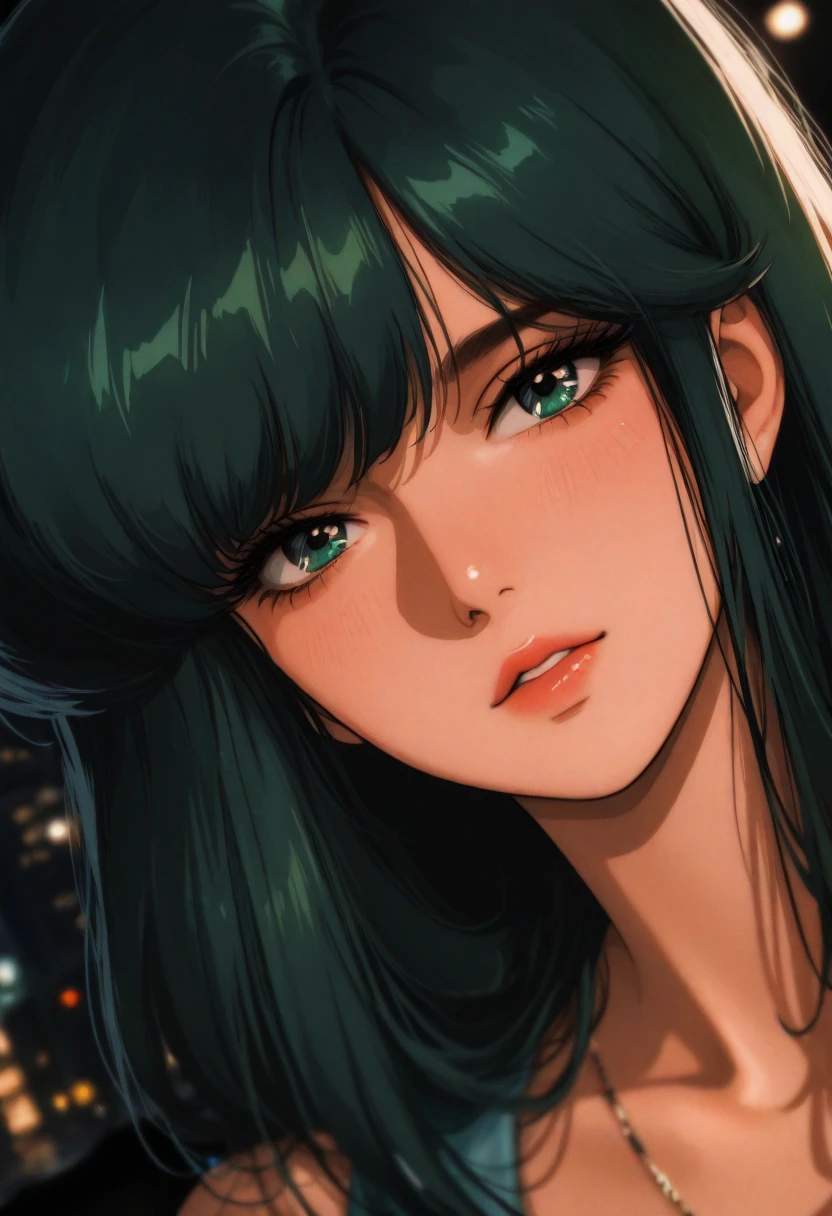
📝 Tip: Use with “film grain”, “vintage lighting”, or “gritty texture”. Cyberpunk & noir scenes love this.
• Aperture / F-stop
Definition: Controls depth of field and light intake. Wide aperture = more blur in background.
Visual Use: Portraits, dreamy or emotional isolation.
Prompt:
1girl with wide aperture effect, blurred bokeh background, sharp facial detail, glowing foreground light, shallow depth of field
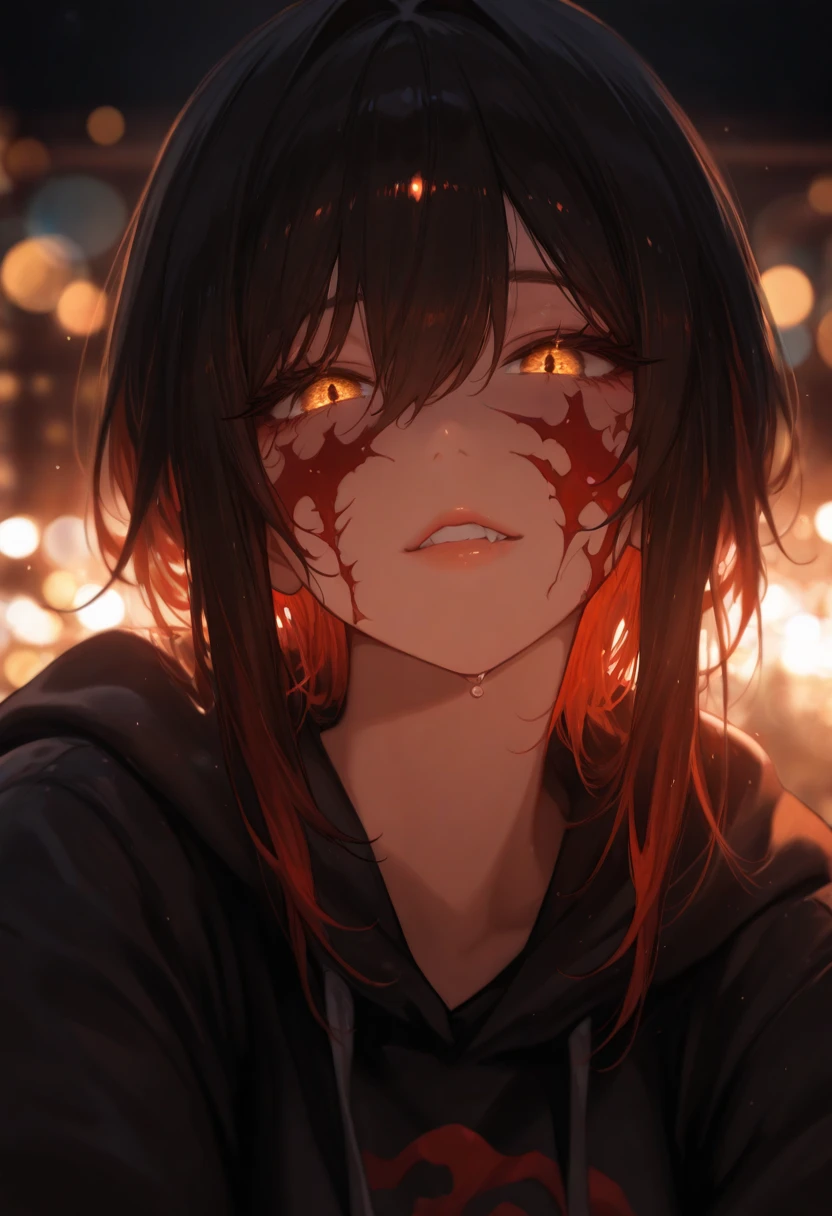
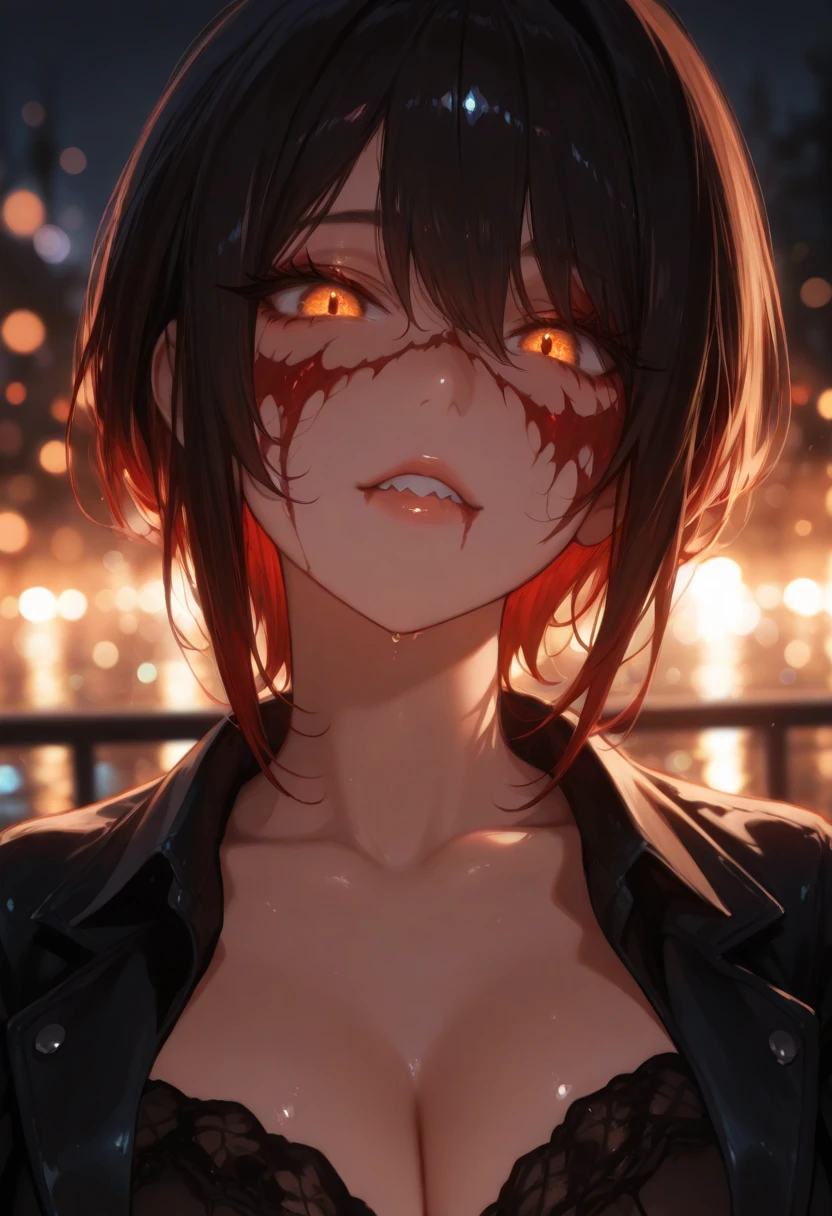
📝 Tip: Add “shallow depth”, “f1.4 bokeh”, or “soft background blur” for maximum separation.
• Shutter Speed
Definition: Controls motion blur. Fast shutter = sharp freeze. Long = motion trails or light streaks.
Visual Use: Movement, energy, night photography.
Prompt:
1girl walking in neon city, long exposure light trails, motion blur on hair and background, glowing signage
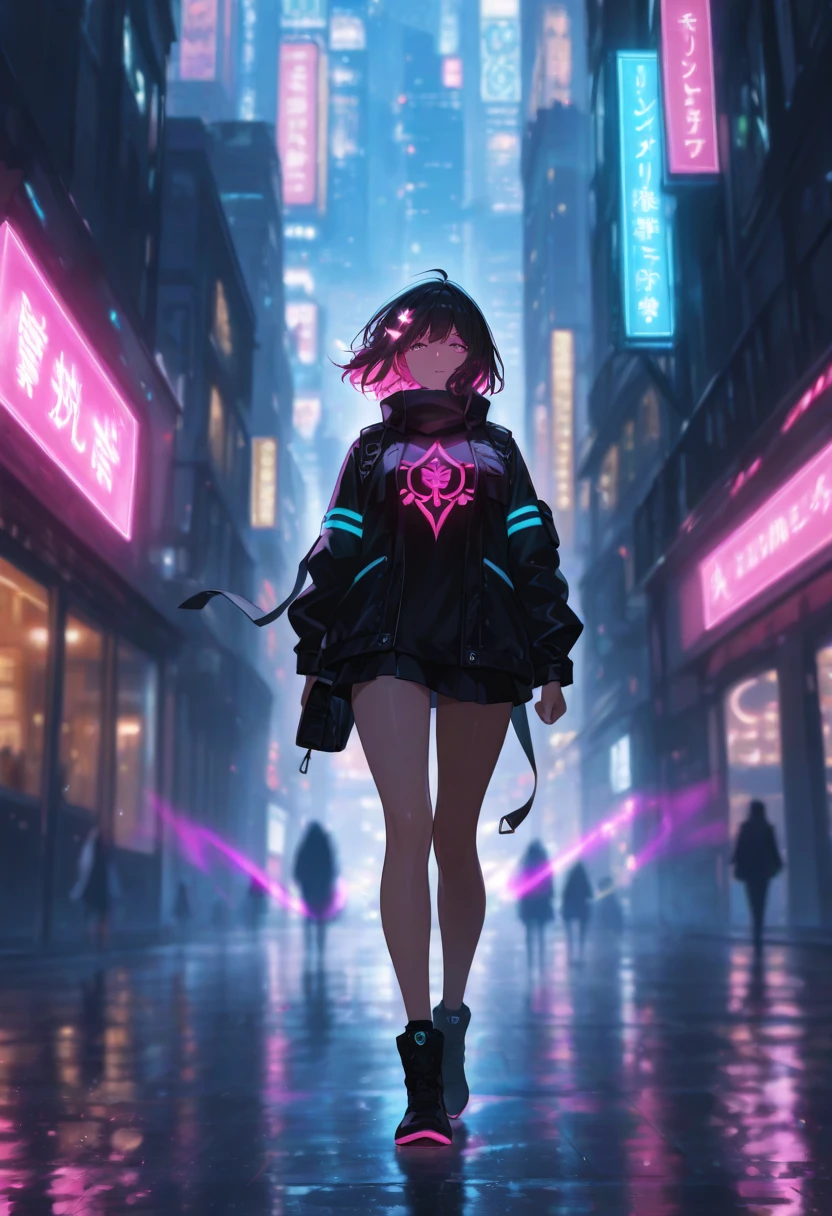
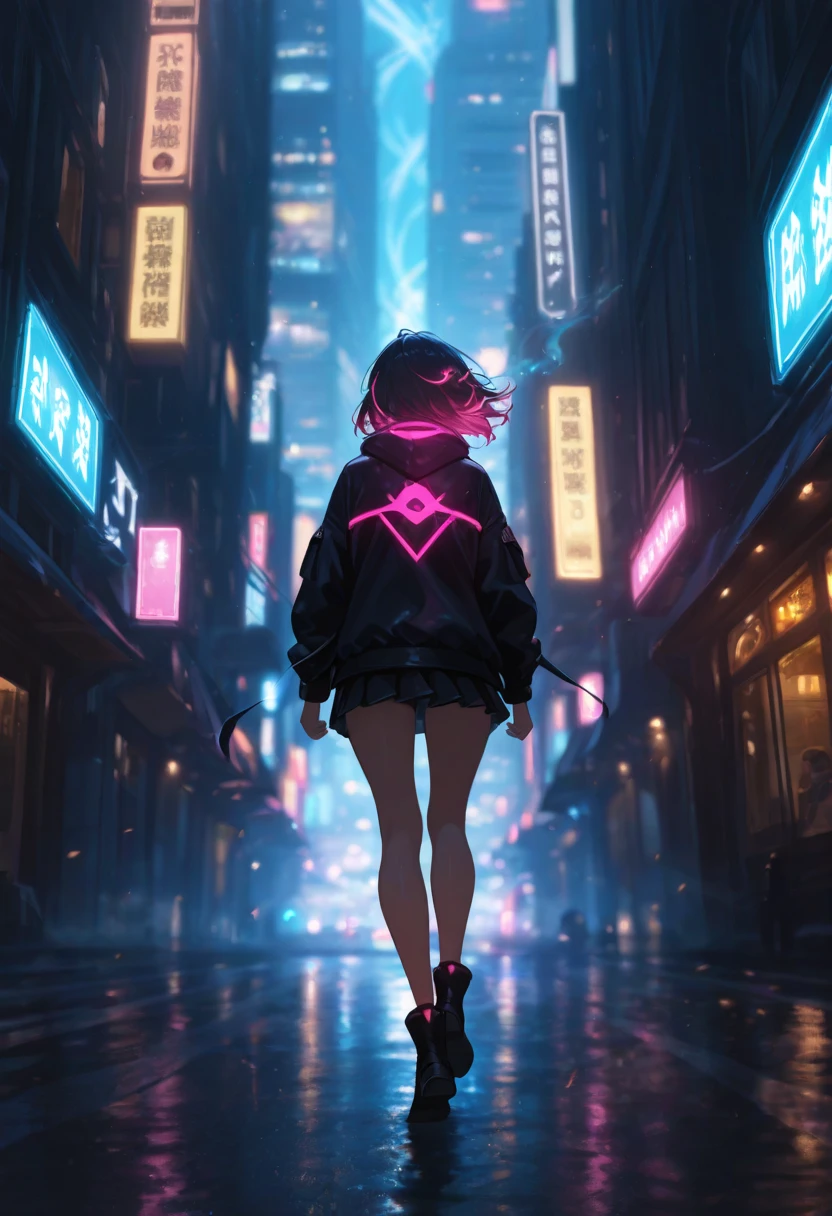
📝 Tip: Use “long exposure” for city lights, or “slow shutter” for ethereal motion. Great for action scenes.
• Dynamic Range
Definition: Measures how well the image shows both dark and bright areas without losing detail.
Visual Use: Balanced realism; helps scenes feel rich and deep.
Prompt:
1girl in sunset lighting, high dynamic range, glowing hair edges, visible face shadow detail, soft background sun
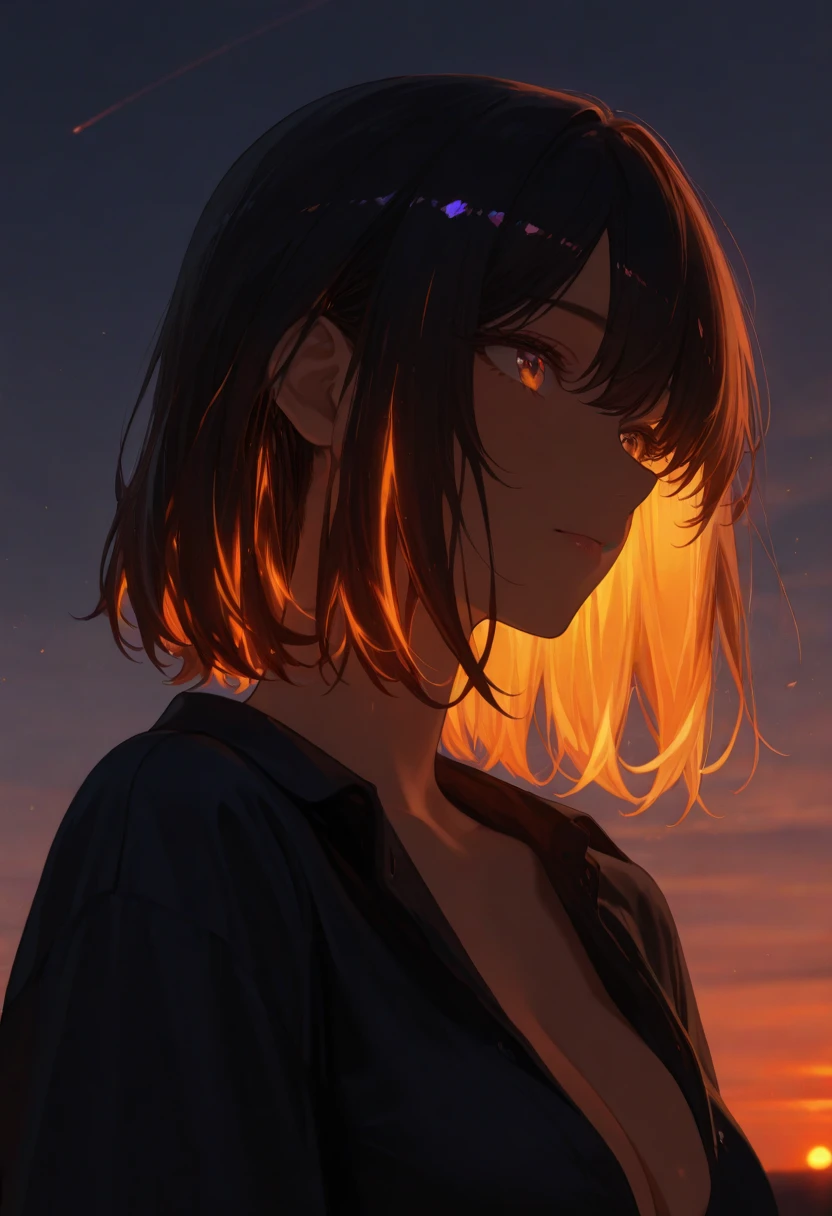
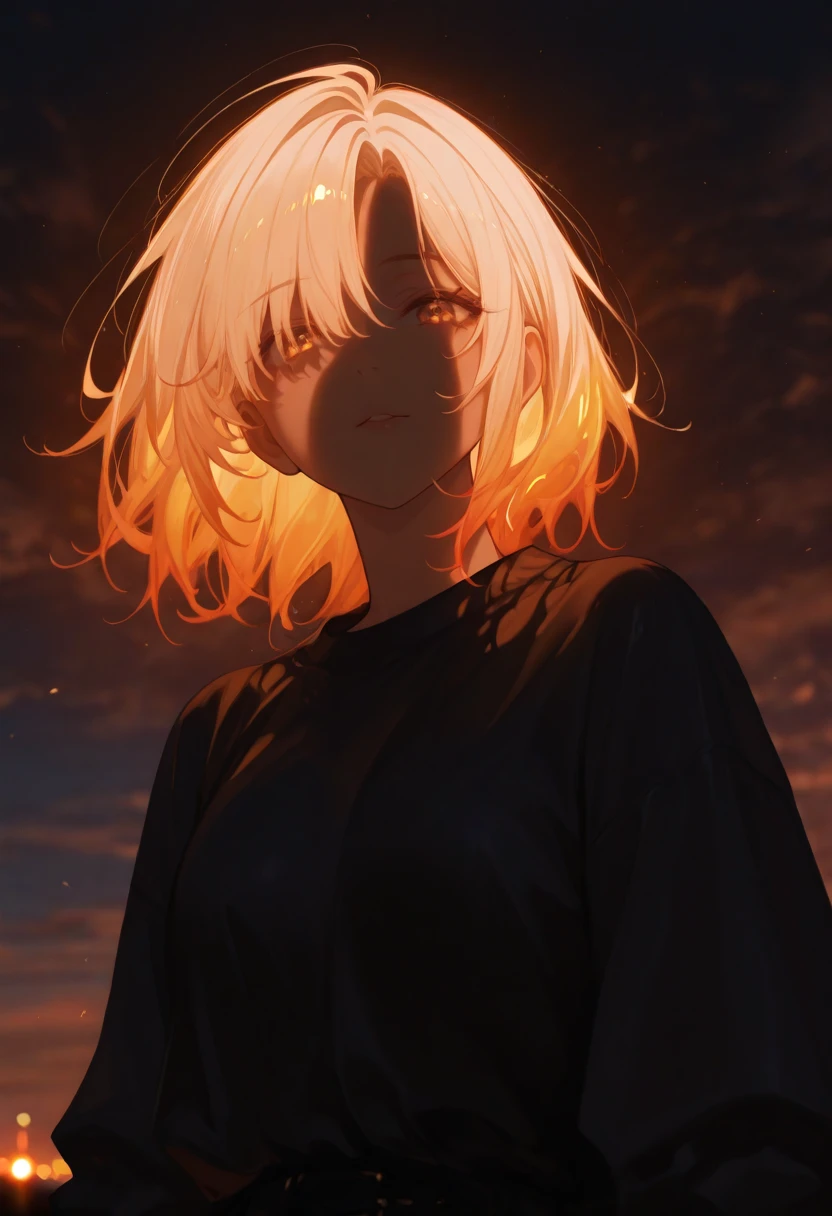
📝 Tip: Use “HDR lighting”, “shadow highlight balance”, or “glowing details with depth” to simulate modern camera sensors.
B. Lighting Tools for Prompt Construction
These simulate how a lighting designer or cinematographer shapes the mood of a shot. Add these as supporting cues to build realistic lighting in AI art.
• Diffusion (Silk / Paper / Soft Box)
Definition: Material placed over lights to soften shadows and reduce harshness.
Visual Use: Dreamy portraits, cinematic softness.
Prompt:
1girl lit through silk curtain, diffused sunlight on skin, soft light wrap, warm highlight glow, serene indoor setting
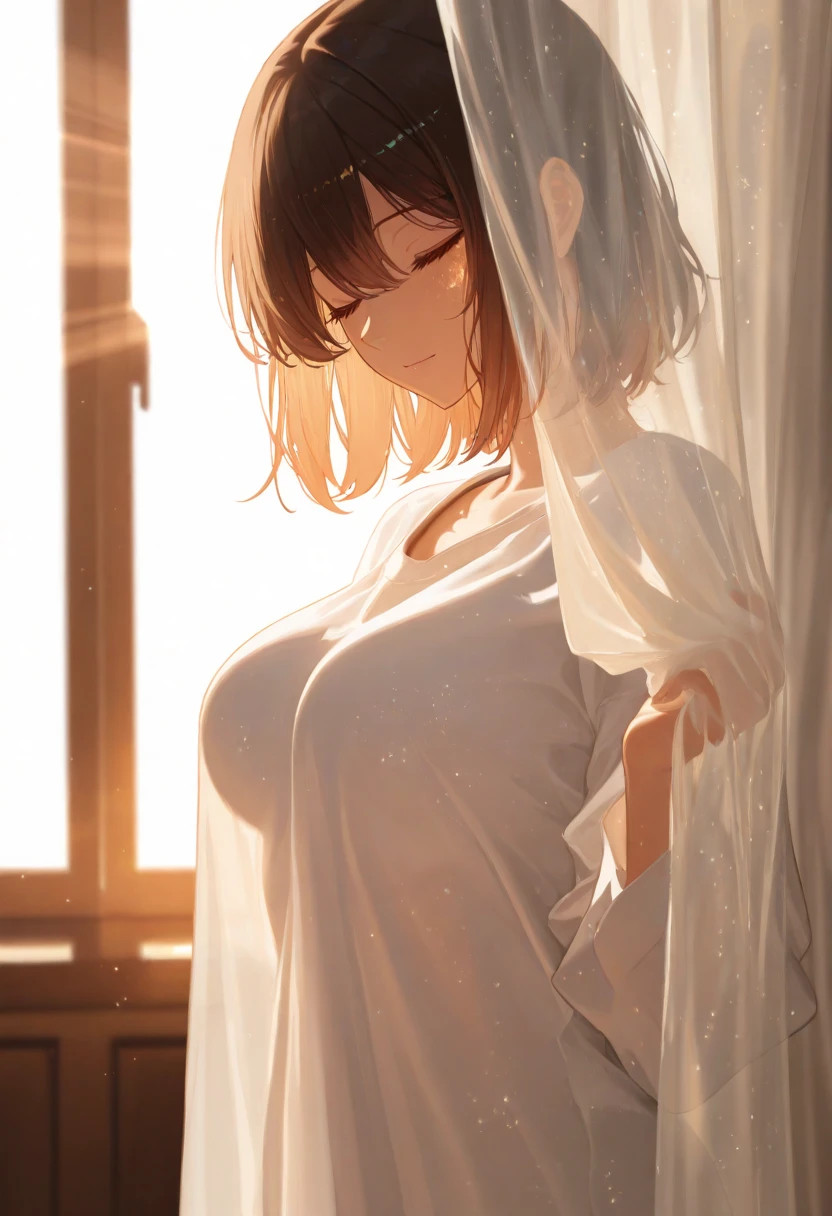
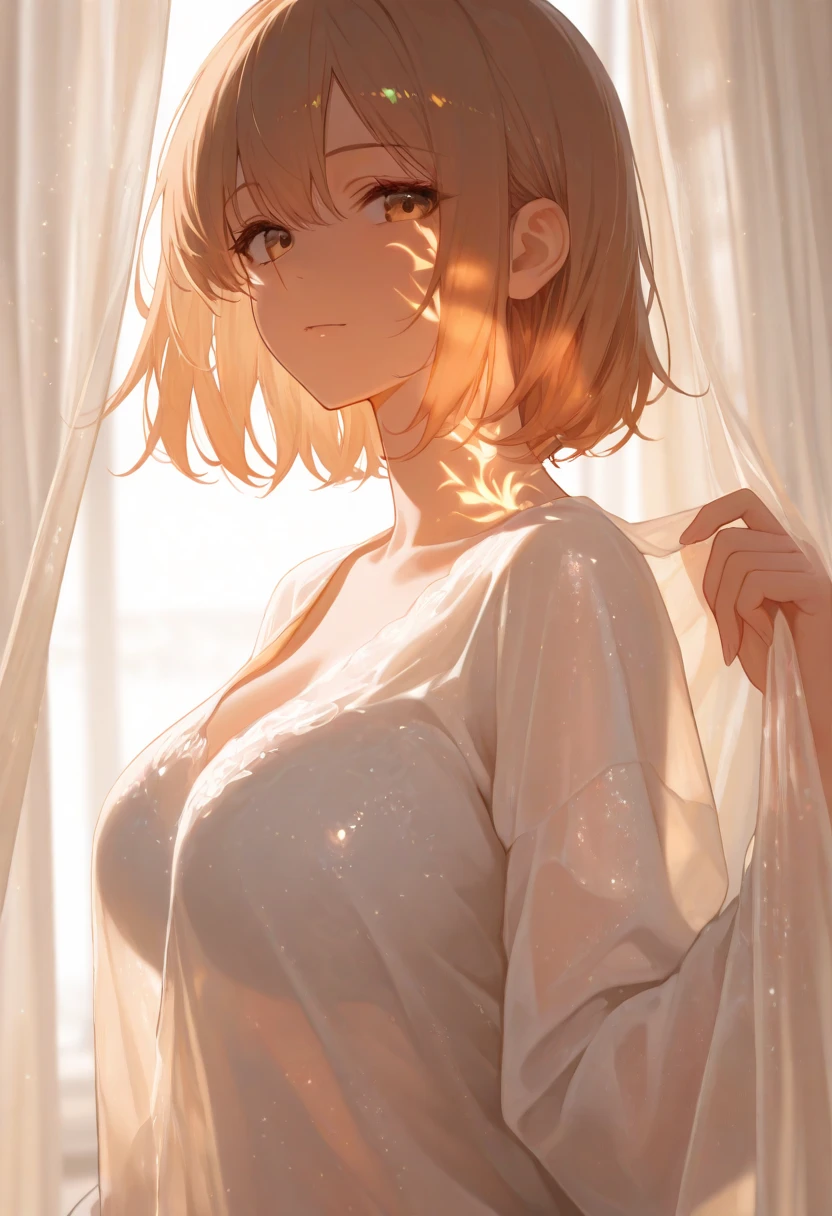
📝 Tip: Include “softbox style”, “silk curtain lighting”, or “dreamy diffusion”.
• Bounce Light (Foamcore / Beadboard)
Definition: Light bouncing off a nearby surface to fill in shadows gently.
Visual Use: Balanced skin tones, warm natural scenes.
Prompt:
1girl in sunset room, bounce light from wood floor creating warm fill on cheek, natural highlights, calm smile
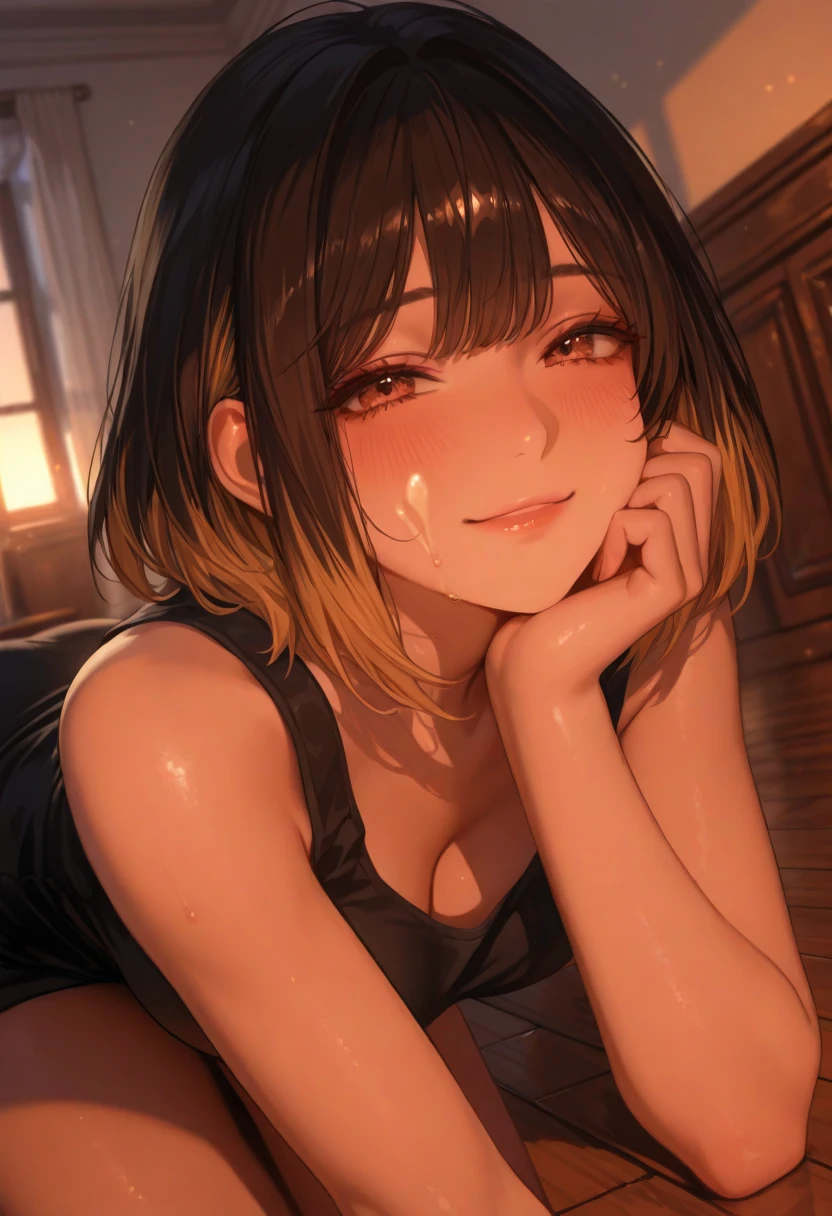
📝 Tip: Use “warm bounce light”, “sunlight reflected from surface”, or “fill light from ground”.
• Flags / Barn Doors
Definition: Tools to block parts of the light, shaping where it hits or casting controlled shadows.
Visual Use: Dramatic contrast, split lighting, storytelling control.
Prompt:
1girl lit by narrow beam, flag-controlled shadows creating face split lighting, half in dark, cinematic suspense
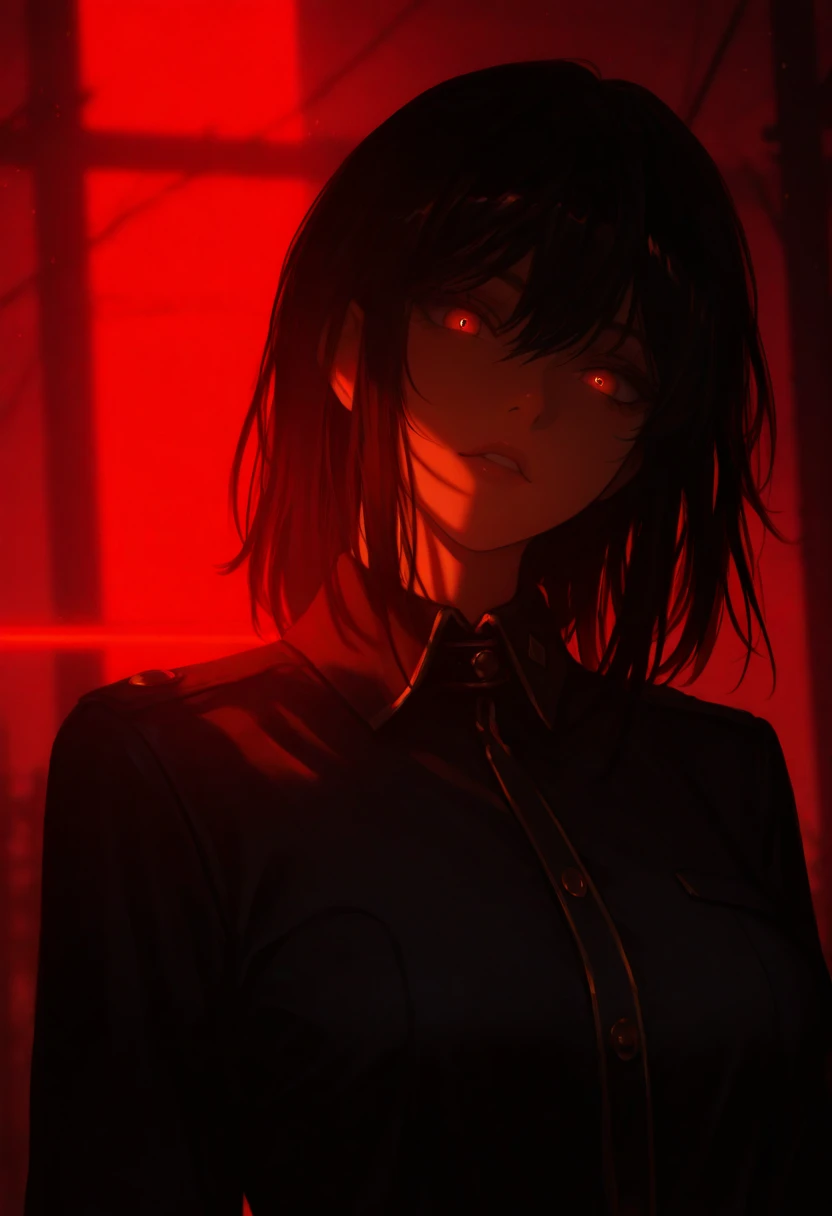
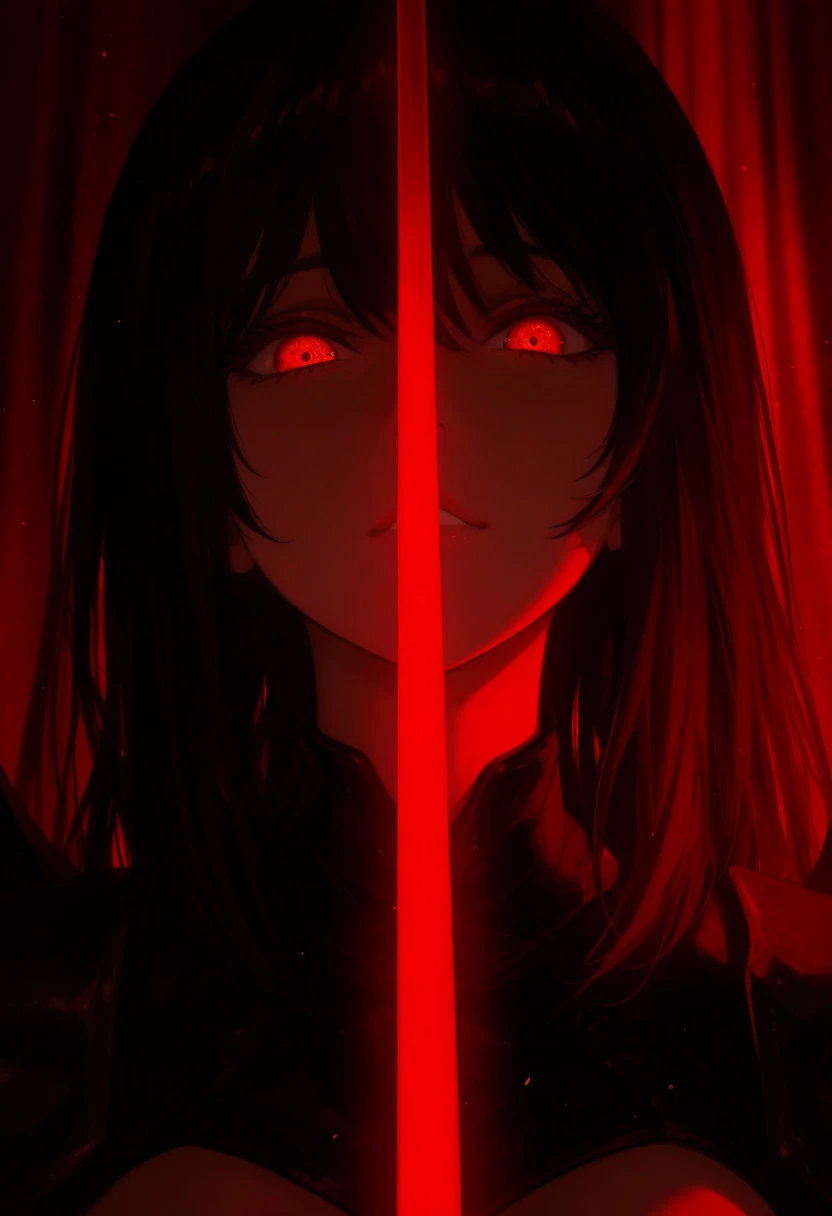
📝 Tip: Add “controlled light beam”, “flagged side lighting”, or “intentional shadow placement”.
• Gels (Color / ND Filters)
Definition: Transparent filters over lights to change their color (or reduce brightness).
Visual Use: Mood creation, stylized color, fantasy tones.
Prompt:
1girl lit with red gel lighting, warm surreal tone, filtered shadows, strong mood lighting, stage look
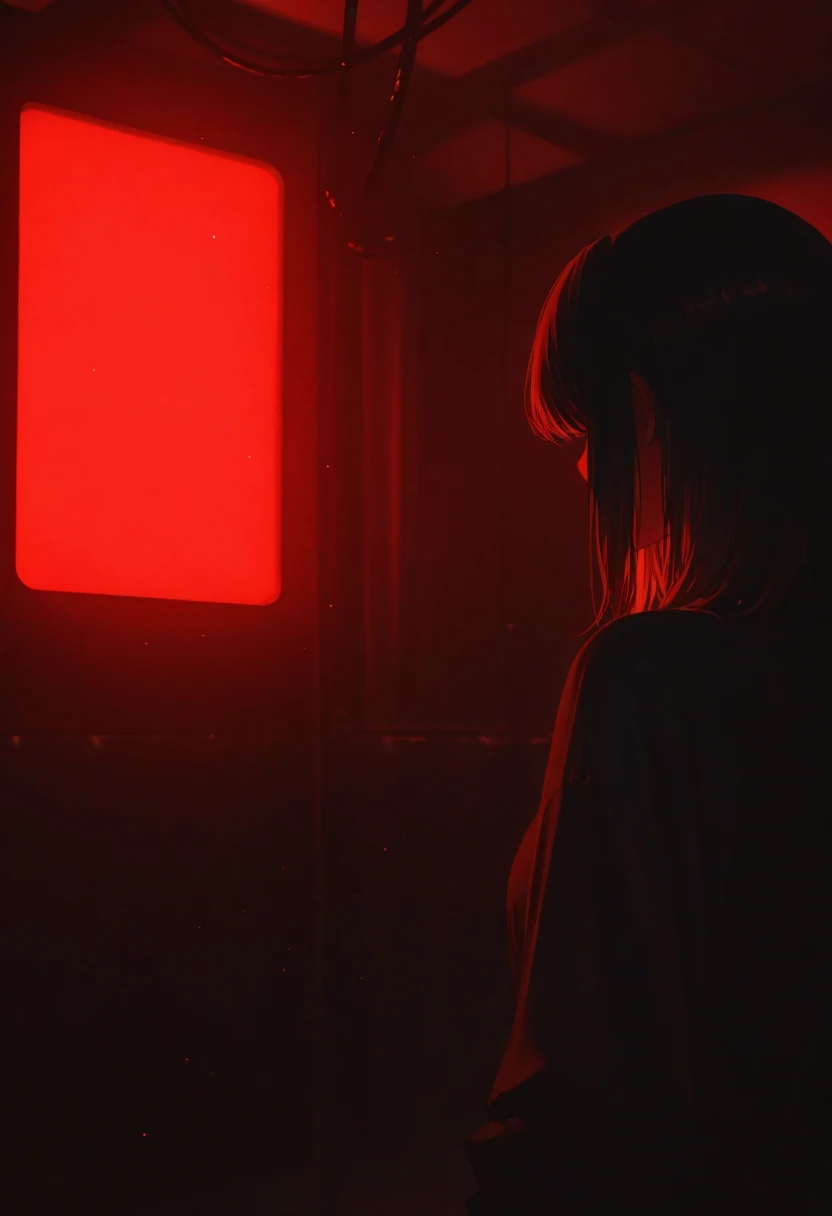
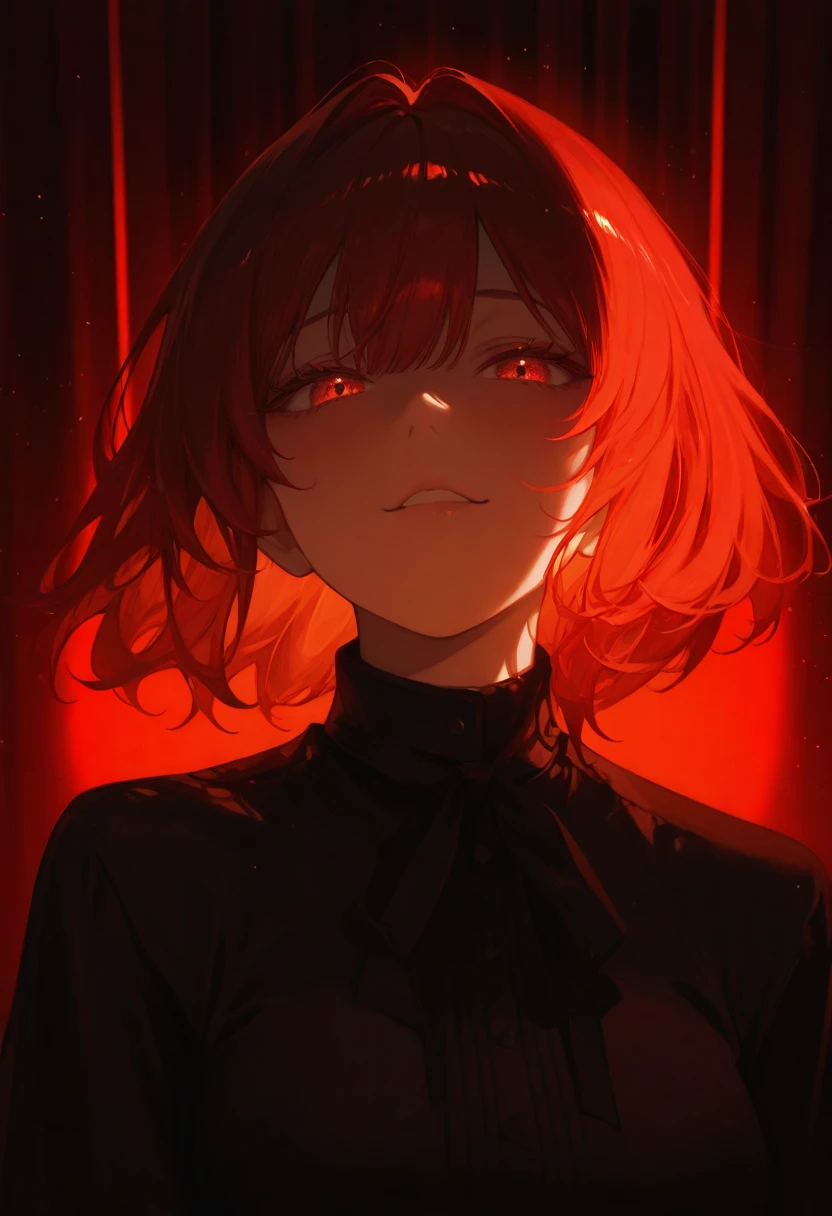
📝 Tip: Use “red/blue gel”, “color-filtered lighting”, or “cinematic colored light wash”.
• Cookies / Cucoloris
Definition: Cutout patterns placed in front of lights to project shapes like leaves, blinds, or lattice.
Visual Use: Noir, nature, stylish interiors.
Prompt:
1girl with shadow pattern from blinds, cookie lighting, graphic light shape across wall and skin, noir atmosphere
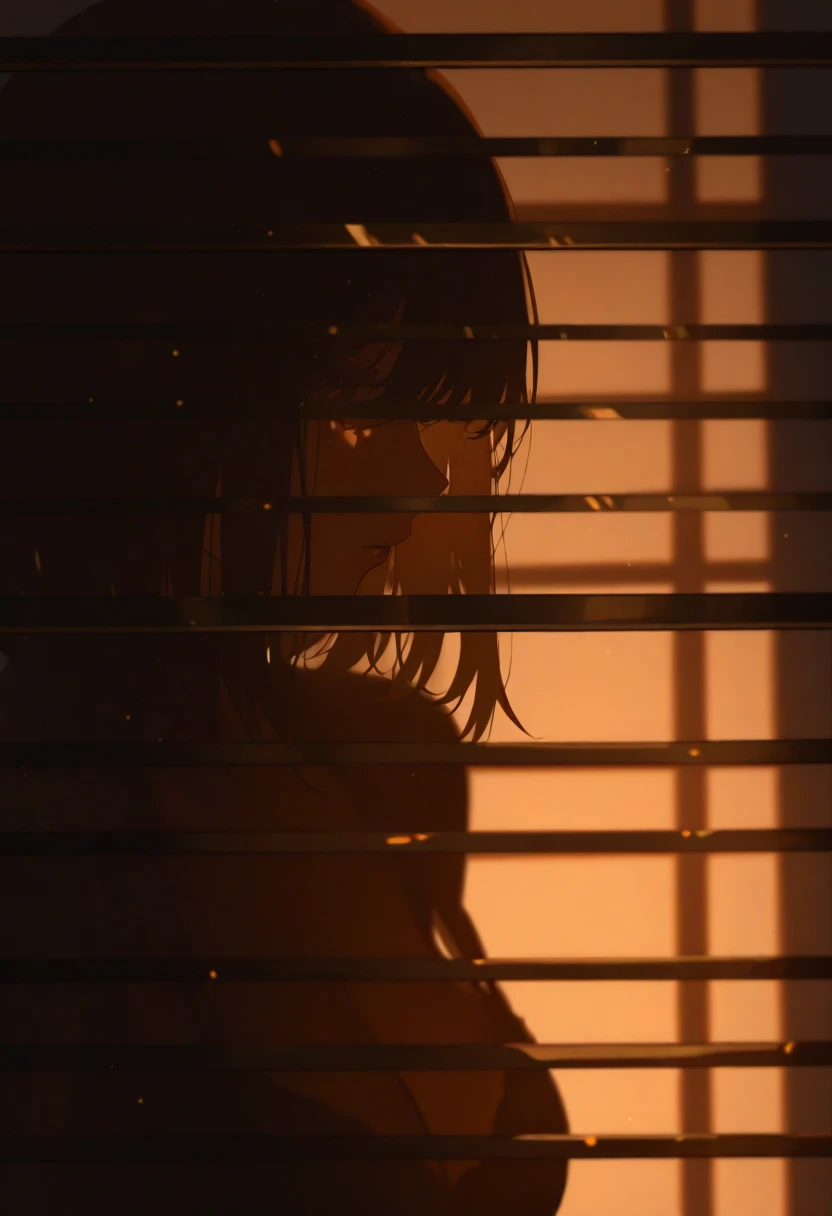
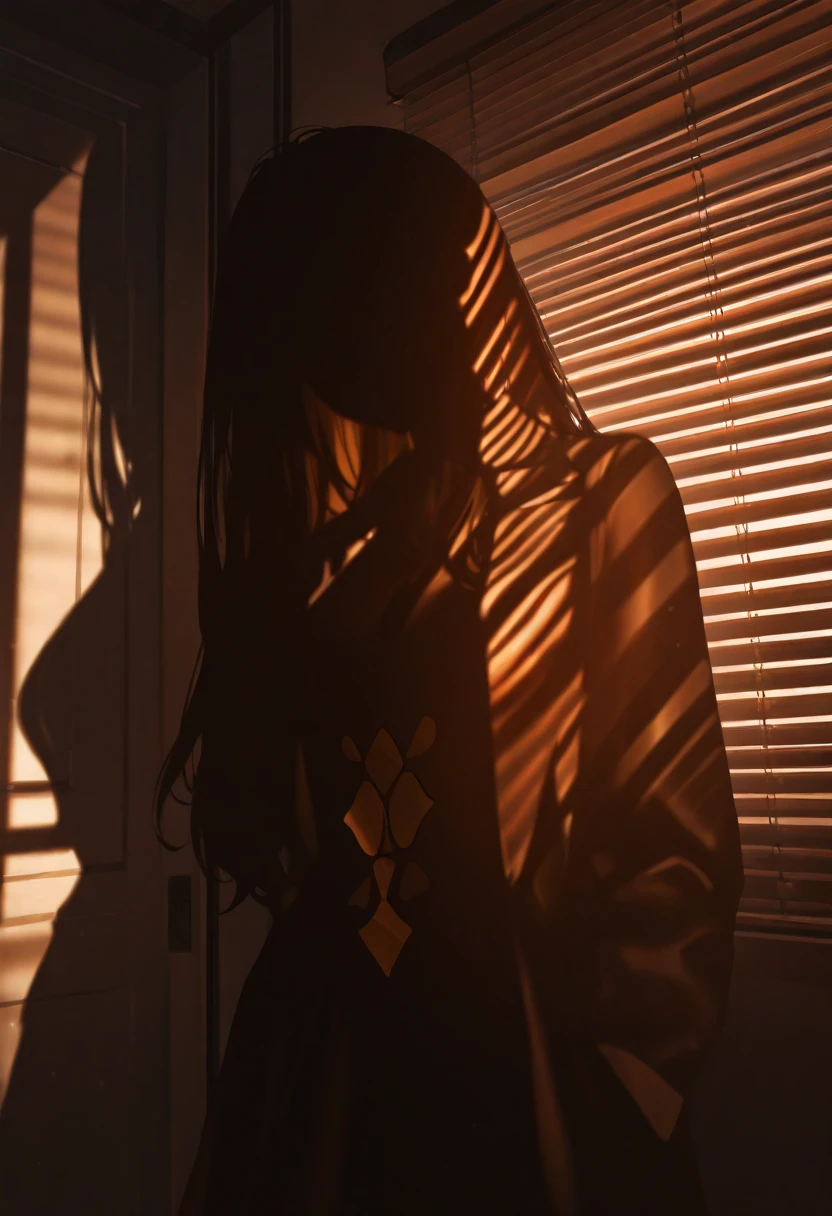
📝 Tip: Use “cookie lighting”, “patterned shadow cast”, or “leaves light shadow”.
• Spill Control / Scrims
Definition: Prevents unwanted light from hitting background or parts of the subject.
Visual Use: Isolated focus, dark backgrounds, contrast control.
Prompt:
1girl in spotlight with no light spill, dark background, scrim-controlled light edge, theatrical mood
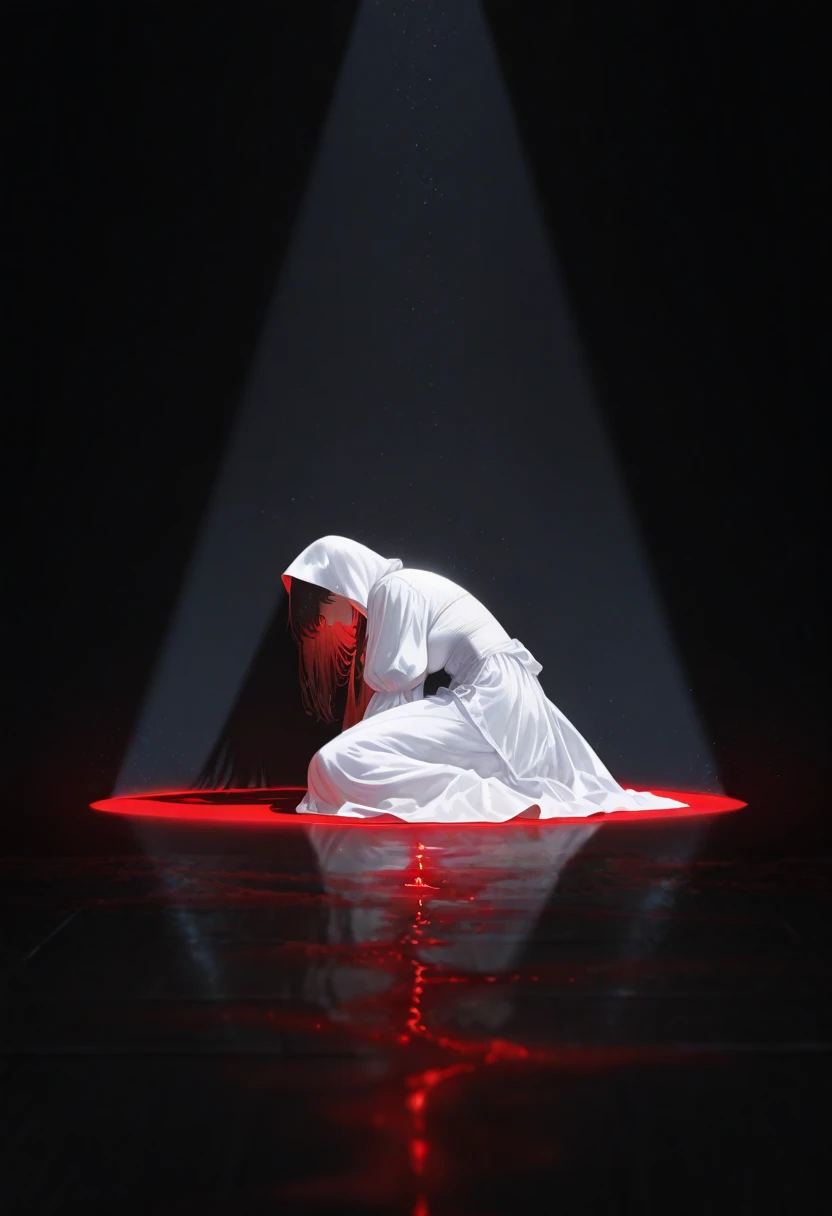
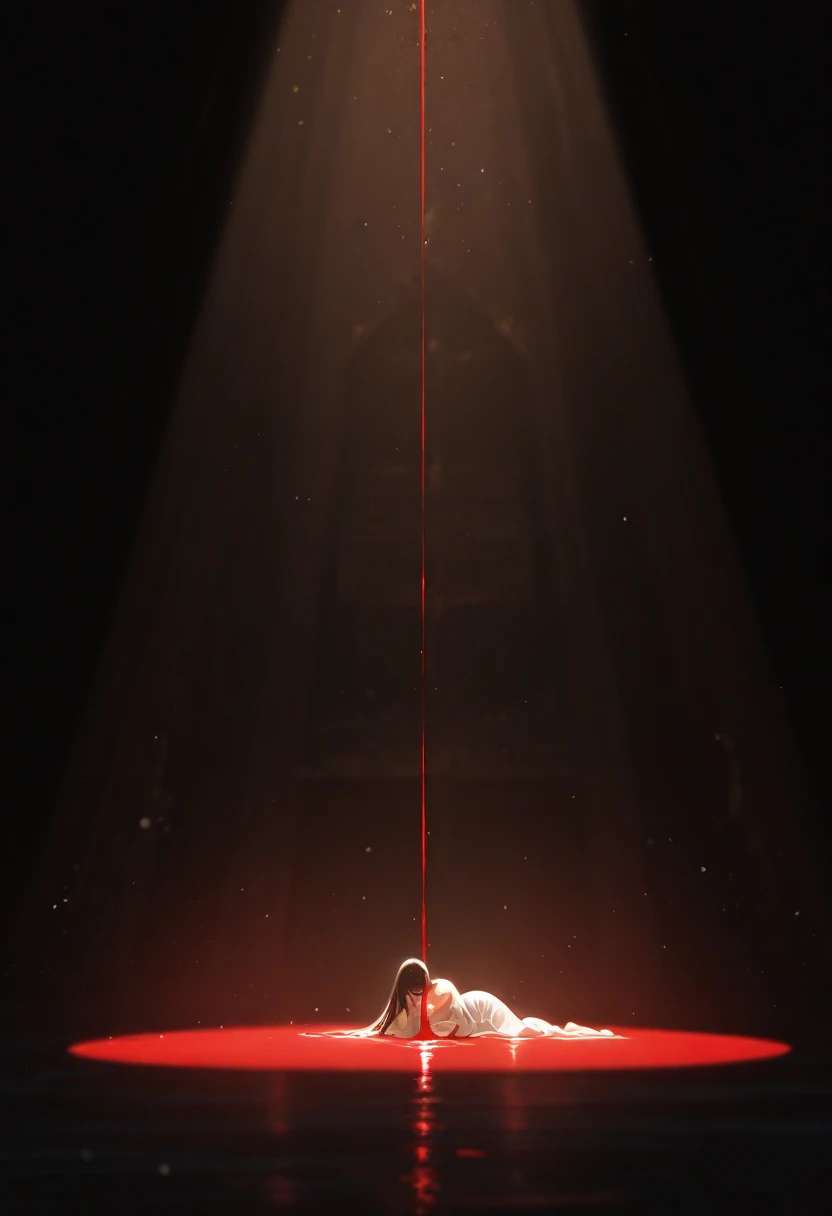
📝 Tip: Use “no spill lighting”, “scrim edge light”, or “controlled lighting zone”.
• Book Lighting
Definition: A double-bounce setup used for ultra-soft, cinematic portrait light.
Visual Use: Editorial photography, movie closeups.
Prompt:
1girl in book lighting setup, ultra-soft warm light, smooth facial glow, blurred edges, subtle shadows, cinematic portrait style
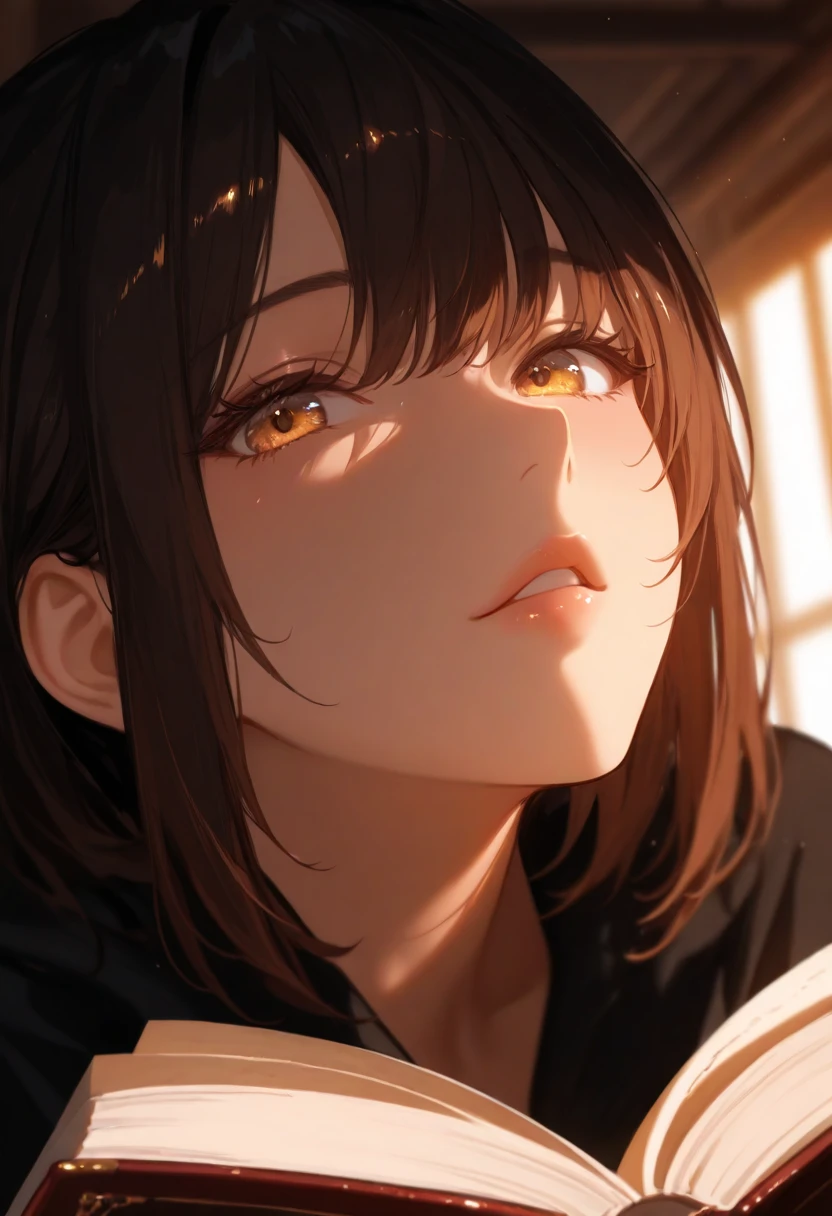
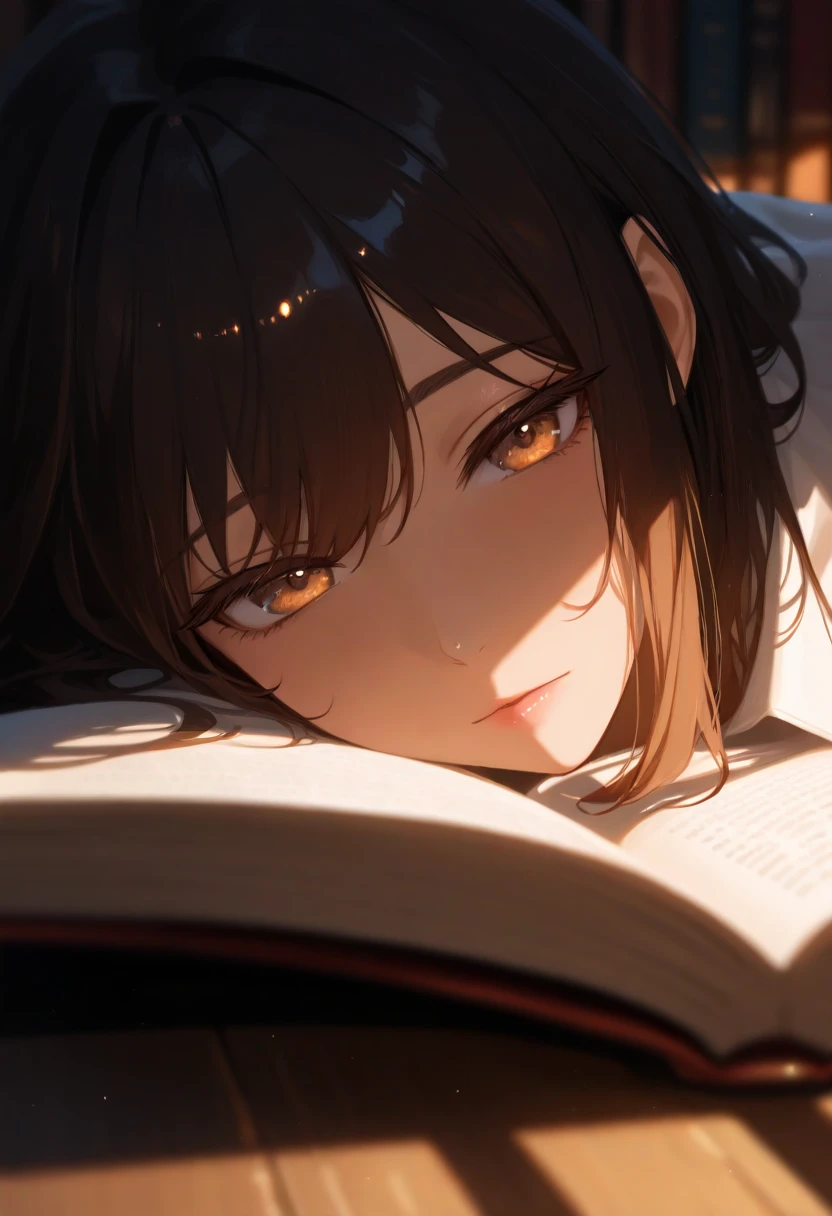
📝 Tip: Use “double-bounced light”, “portrait softness”, or “book lighting technique”.
• Lens Flare
Definition: Bright light entering the lens directly, creating streaks or halos. Often stylized.
Visual Use: Backlighting, hero shots, emotional reveals.
Prompt:
1girl at golden hour, lens flare streak across scene, glowing edge lighting, romantic pose, cinematic warmth
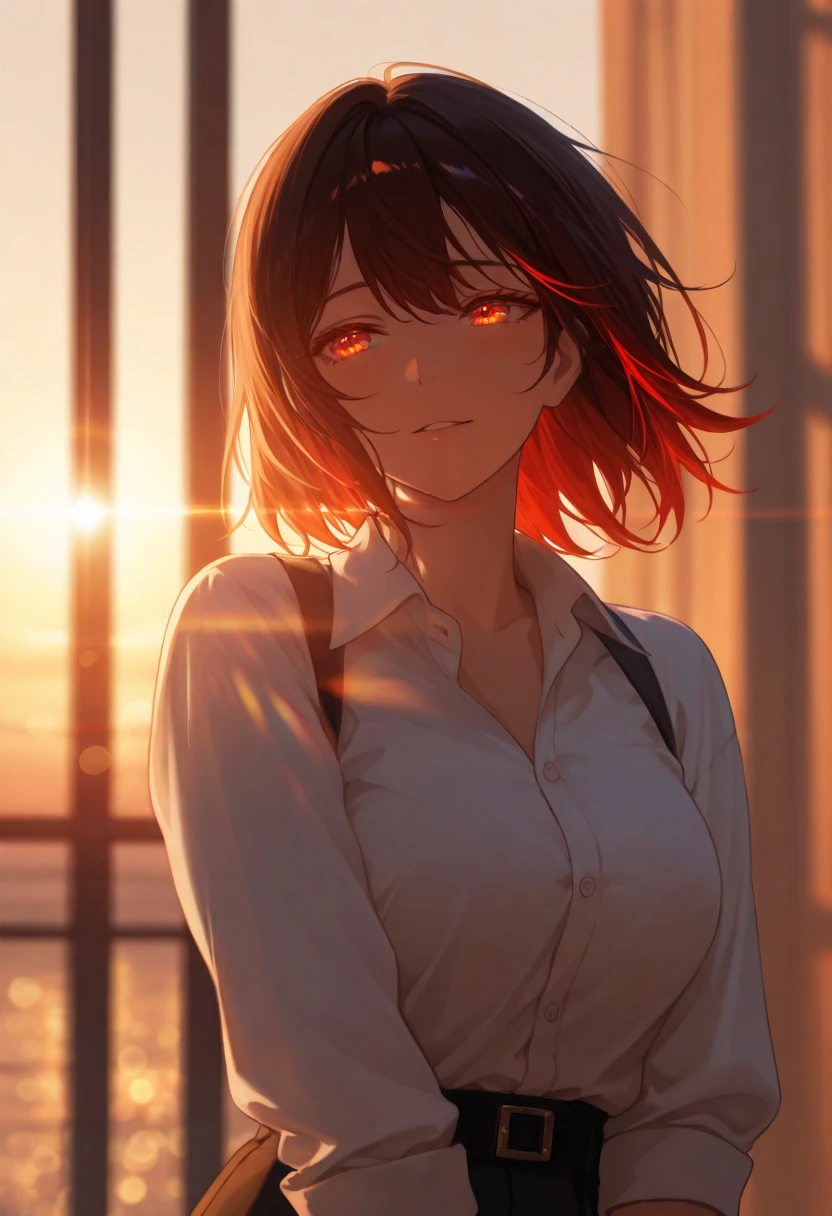
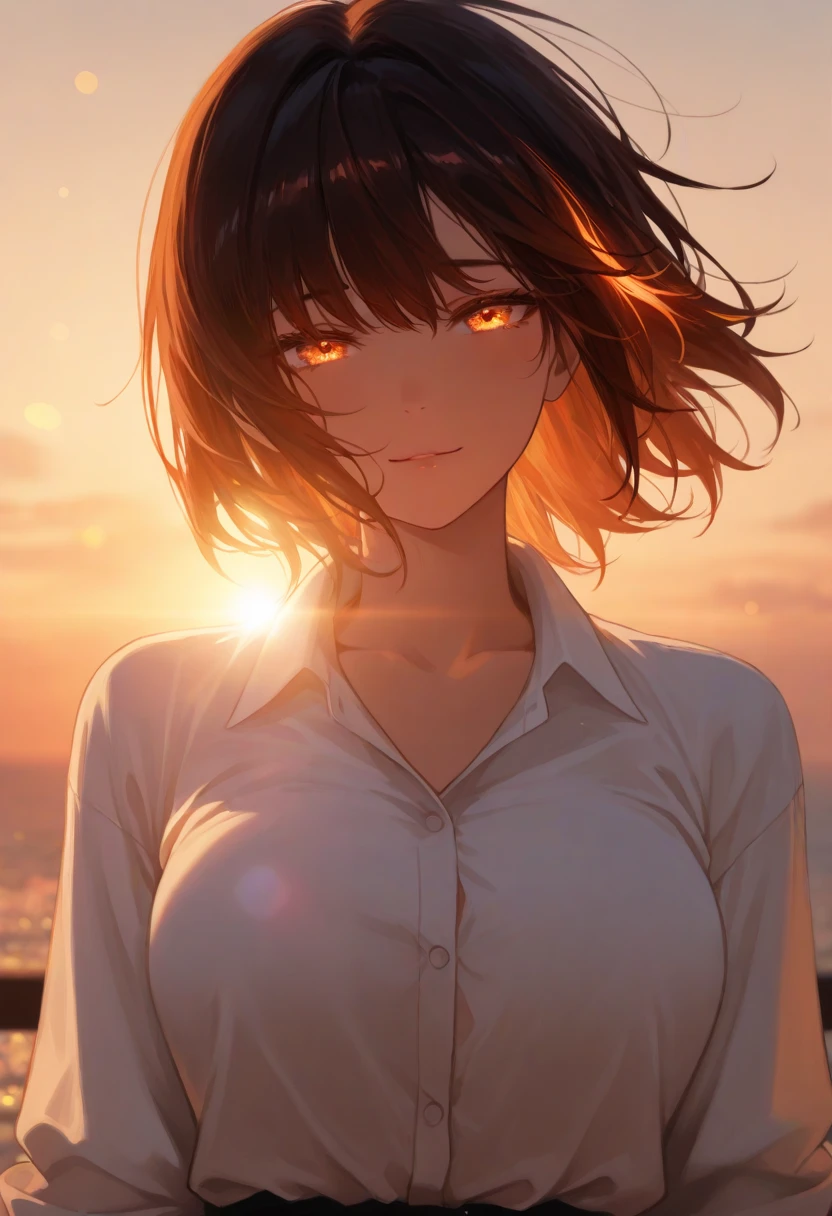
📝 Tip: Use “lens flare”, “sun glare”, or “flare across scene”. Combine with strong backlight.
• Bokeh
Definition: Out-of-focus light spots in the background caused by shallow depth of field.
Visual Use: Night city scenes, intimate portraits, dreamy tones.
Prompt:
1girl with bokeh background, blurred city lights, soft glowing circles, shallow focus on face, romantic night tone
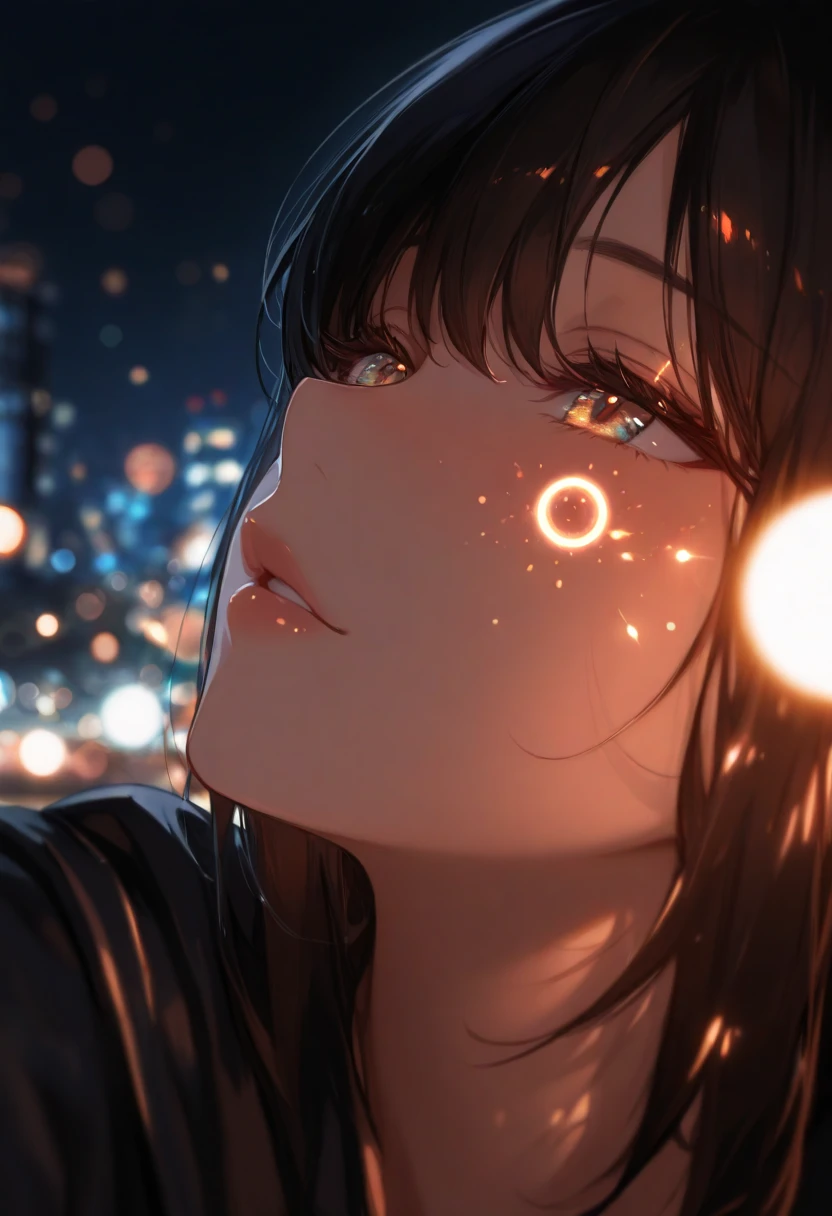
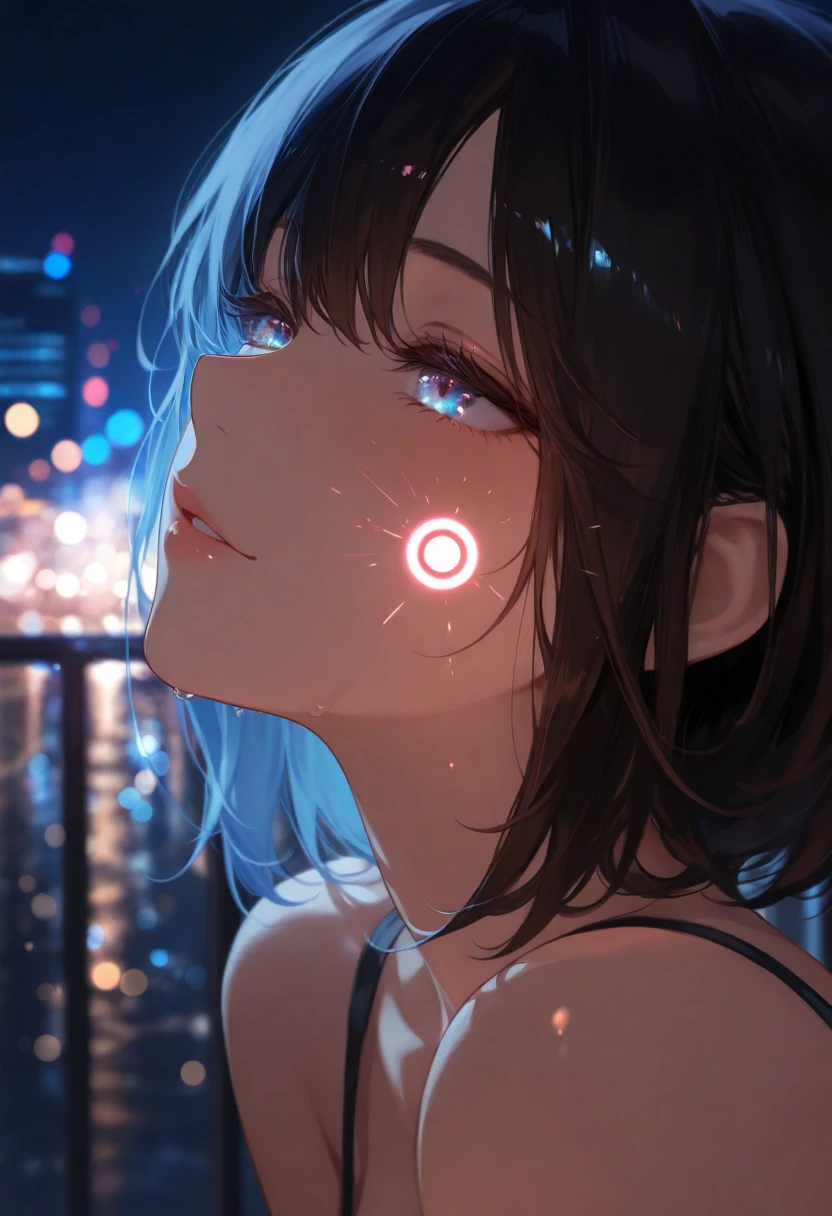
📝 Tip: Use “bokeh lights”, “shallow DOF”, or “glowing soft background”.
Wrap-up Tip:
These exposure and lighting gear concepts aren’t just for realism they help guide the AI engine to simulate the tools and physics of visual storytelling. Mixing Booru-style tags (like 1girl, bokeh, soft lighting) with cinematography terms unlocks film-quality images with narrative emotion.
Lighting Prompt Summary: Key Questions for Better AI Art
Before generating your image, think like a cinematographer. Use these guiding questions to shape light not just as illumination, but as emotion, realism, and storytelling:
1. What is the Light Source?
Is the light coming from a natural (sun, moon), artificial (lamp, neon, screen), or fantasy (glowstick, magic circle) source?
→ This choice affects realism, tone, and atmosphere.
2. What is the Direction of Light?
Is it backlighting for silhouette, sidelighting for depth, top light for drama, or underlight for mystery?
→ Direction defines how light sculpts the subject and creates contrast.
3. What Time of Day Is It?
Is it morning, sunrise, midday, sunset, dusk, twilight, night, or midnight?
→ Time sets the color temperature (warm vs. cool), shadow softness, and emotional feel.
4. How Is the Light Behaving?
Is it:
• Blooming with soft halos?
• Casting sunbeams or volumetric rays?
• Filtered into dappled patterns?
• Flickering from a fire?
• Refracting through mist, water, or glass?
→ Light behavior adds motion, realism, and magic to the scene.
5. What Is Hidden in Shadow or Darkness?
Are you using:
• Tree shade for softness?
• Window shadows for structure?
• Silhouettes or full darkness for mystery?
→ Shadows define space, mood, and what the viewer should (or shouldn’t) see.
6. What Is the Overall Mood or Emotion?
Is your scene romantic, dramatic, mysterious, eerie, peaceful, or surreal?
→ Choose your lighting tools color temperature, intensity, contrast, and effects to match.
Use these six questions to build intentional, expressive, and cinematic lighting into your AI prompts. This transforms your art from technically generated to visually directed.
Thanks for Reading
Thank you so much for taking the time to read my article on Mastering Lighting in AI Art. I hope this guide helped you better understand how to shape your images not just with prompts, but with purposeful light, shadow, and emotional storytelling.
Lighting is more than a technical detail it’s a visual language. Whether you're using Booru-style tags or applying cinematic lighting theory, how you choose and describe your lighting can elevate your AI creations from simple character renders into rich, atmospheric scenes full of depth, mood, and intent.
As you continue to explore, always ask yourself:
• What is my light trying to say?
• Where does it come from?
• How should it make the viewer feel?
Note: All example prompts in this guide were created using the Lily-Illustrious model. Please keep in mind that results may vary depending on the model you're using each one interprets prompts differently due to its unique tag behavior, sampling method, and architecture. For the best results, always adjust your prompts, tags, and parameters to fit the strengths of your chosen model.
Also: A big thank-you to @ARROW for helping me create some of the sample images featured in this guide!
Apologies if a few of them aren’t perfect I’m working with limited resources and model capabilities, but I hope the visual ideas come through and inspire your own experimentation.
If you have questions, want to share your results, or just want to chat with fellow creators, feel free to reach out!
Discord: @LucyMocchi
Happy prompting and keep painting with light.