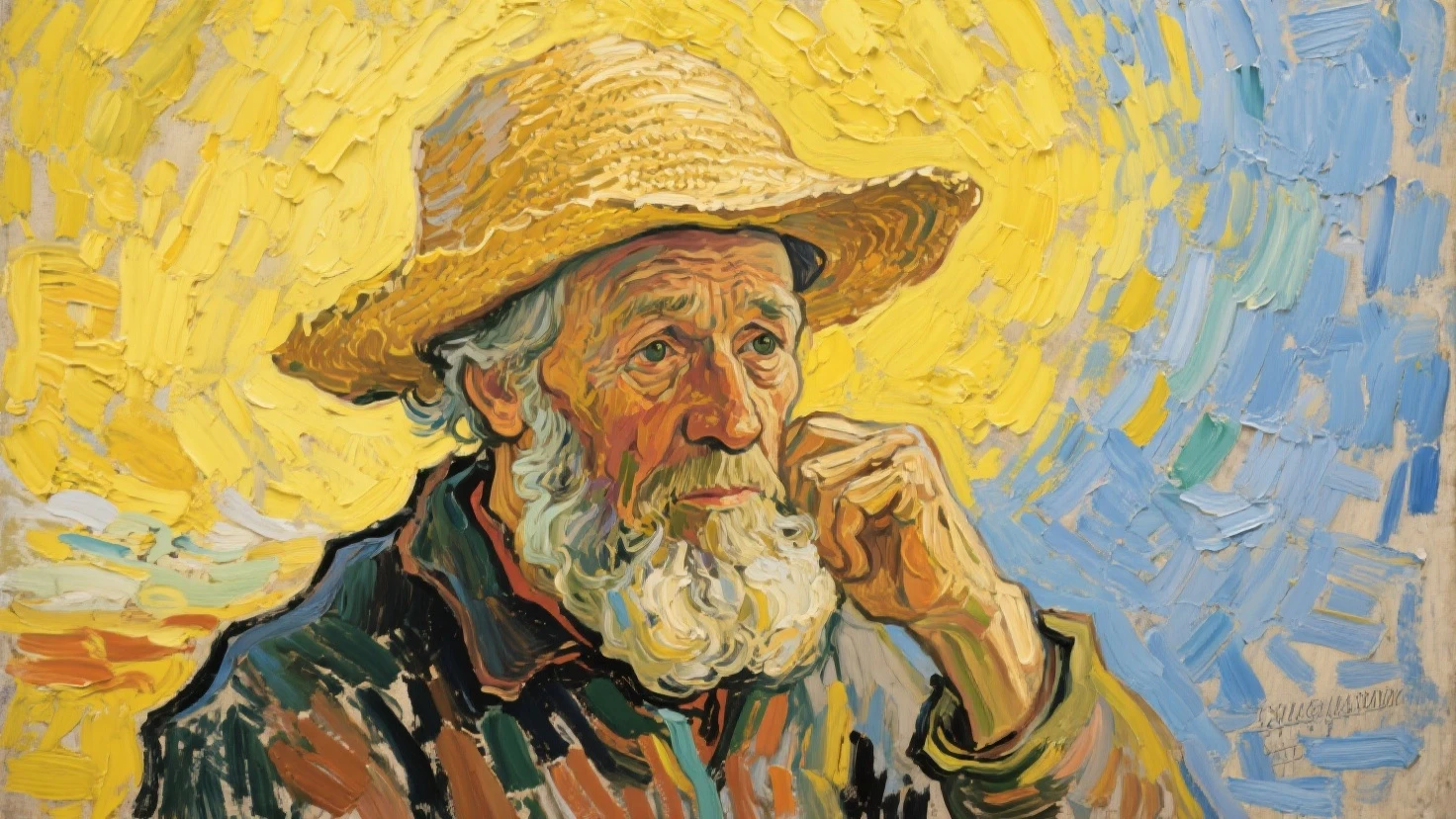
Hi, friends, BlackSkull90 here! I hope you enjoy and pratice this image generation guide!
1. introduction
SeaArt Film (not SeaArt Film Video) is a Checkpoint image base model on SeaArt.ai, known for its capacity to generate images with a highly saturated cinematic style and a strong understanding of language. Although categorized as a "Video Model," it also excels at creating static images, offering "highly saturated cinema-style images" and "advanced color grading and lighting effects" , which is ideal for capturing Van Gogh's intensity and vibrant palette.
It is important to note that, similar to some other advanced models, SeaArt Film does not support traditional negative prompts or keyword weighting (i.e., parentheses or numerical values like (term:1.3) will not have an effect). Instead, it relies on a strong understanding of natural language prompts. This means it interprets complex and detailed descriptions more effectively, allowing you to guide the AI by clearly articulating what you want to see, thereby implicitly excluding unwanted elements. Its high ratings in aspects like "Structure," "Alignment," and "Aesthetic" ensure high-quality results and fidelity to the desired style.
2. The Versatility of SeaArt Film for Master Artists
SeaArt Film is not limited to Van Gogh's style alone; its advanced architecture and strong language comprehension make it a powerful tool for exploring the aesthetics of other renowned artists. Its ability to generate images with "highly saturated colors" and "advanced color grading and lighting effects" makes it ideal for emulating the dramatic flair of Rembrandt, the surrealism of Salvador Dalí, and the atmospheric quality of Claude Monet. It can create "almost any subject" with "correct details and placements," even with complex prompts, and excels at generating cinematic visuals. However, for this guide, we will focus exclusively on Vincent van Gogh's style. His distinctive aesthetic, with visible brushstrokes and vibrant colors, offers fertile ground for demonstrating the nuances of prompt engineering on SeaArt Film, allowing for a deeper and more focused learning experience in applying the presented tutorials
3. Prompt Structure and Keywords in Creation
The quality of the generated image and its fidelity to Van Gogh's style critically depend on the clarity and specificity of your prompt. For SeaArt Film, natural language and detailed descriptions are key.
3.1 Writing Structure (Natural Language and Tags)
For Van Gogh's style, which is highly visual and textural, a combination of natural language and tags is ideal:
Natural Language: Use complete, descriptive sentences for the subject, environment, overall atmosphere, lighting, and style. The model has an excellent ability to understand complex and detailed prompts.
Tags: While natural language is preferred, you can still reinforce your description with specific tags, especially for terms of style or quality. The model works well with both.
3.2 Keywords and Weighting
Important: SeaArt Film does not support keyword weighting (round or square parentheses, and numerical values will not work). Emphasis is achieved through the clarity and (if necessary) repetition of terms within natural language.
3.3 Negative Prompts
Important: SeaArt Film does not support negative prompts. To avoid unwanted elements, you should try to describe what you do want to see in a way that implicitly excludes what you don't want. For example, instead of "no cars," you can describe "an empty road." However, this is not a 100% effective solution for all cases.
4. Possibility of Style Combinations
SeaArt Film is versatile and allows for the combination of styles, materials, techniques, and image enhancements, as long as there is no conflict (e.g., combining 2D with 3D, or dark styles with colorful ones, which might confuse the model). You can easily request a fusion of Van Gogh's style with other elements or themes, such as "a sunflower field in Van Gogh's style with sci-fi elements."
5. Small List of Words and Expressions Reminiscent of Known Van Gogh Works
These keywords should be integrated into your descriptive sentences:
Brushstrokes and Texture: impasto, thick brushstrokes, visible brushstrokes, palette knife, circular strokes, coarse brushstrokes and wet paint, textured canvas, oil on canvas.
Colors and Atmosphere: vibrant colors, expressive, swirling skies, Starry Night style, sunflowers, cypress trees, wheat fields, night cafe, irises, yellows and blues, deep blues, golden light.
Quality and Details: masterpiece, best quality, ultra-detailed, 8k, highly detailed, professional art.
Important:
Impasto is a painting technique where paint is applied so thickly that brushstrokes, palette knife marks, or even finger impressions are visible, creating a textured, three-dimensional surface. This adds volume, depth, and expressiveness, with light interacting uniquely with the raised areas.
6. Prompt Examples (SeaArt Film)
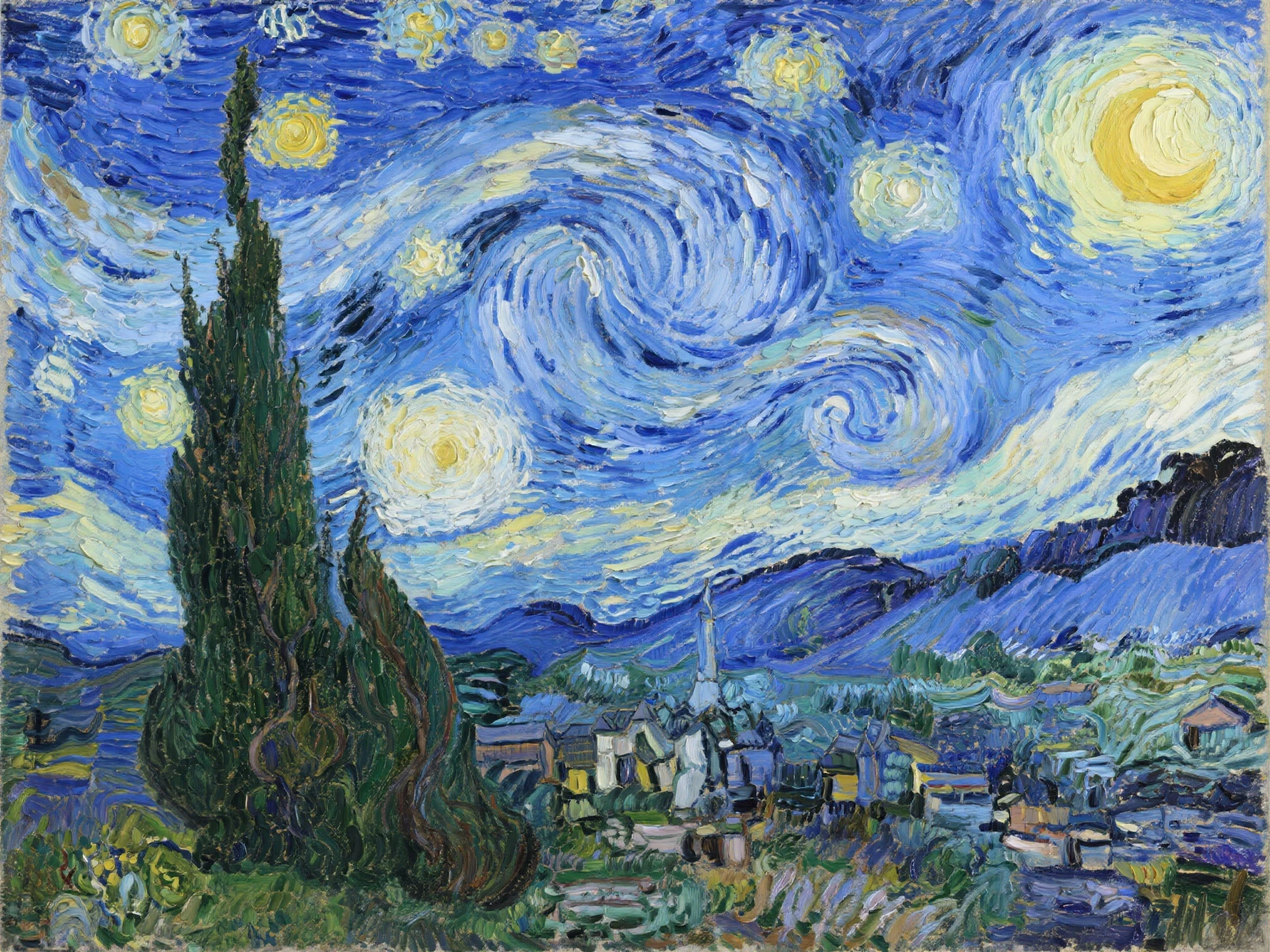
Example 1: Expressive Night Landscape
"An expressive oil painting by Van Gogh, featuring a small village under a dynamic, swirling starry night sky. A lone cypress tree dramatically reaches towards the bright moon. The rural landscape is rendered with thick, visible impasto brushstrokes and vibrant colors, creating a highly detailed and emotionally intense scene."
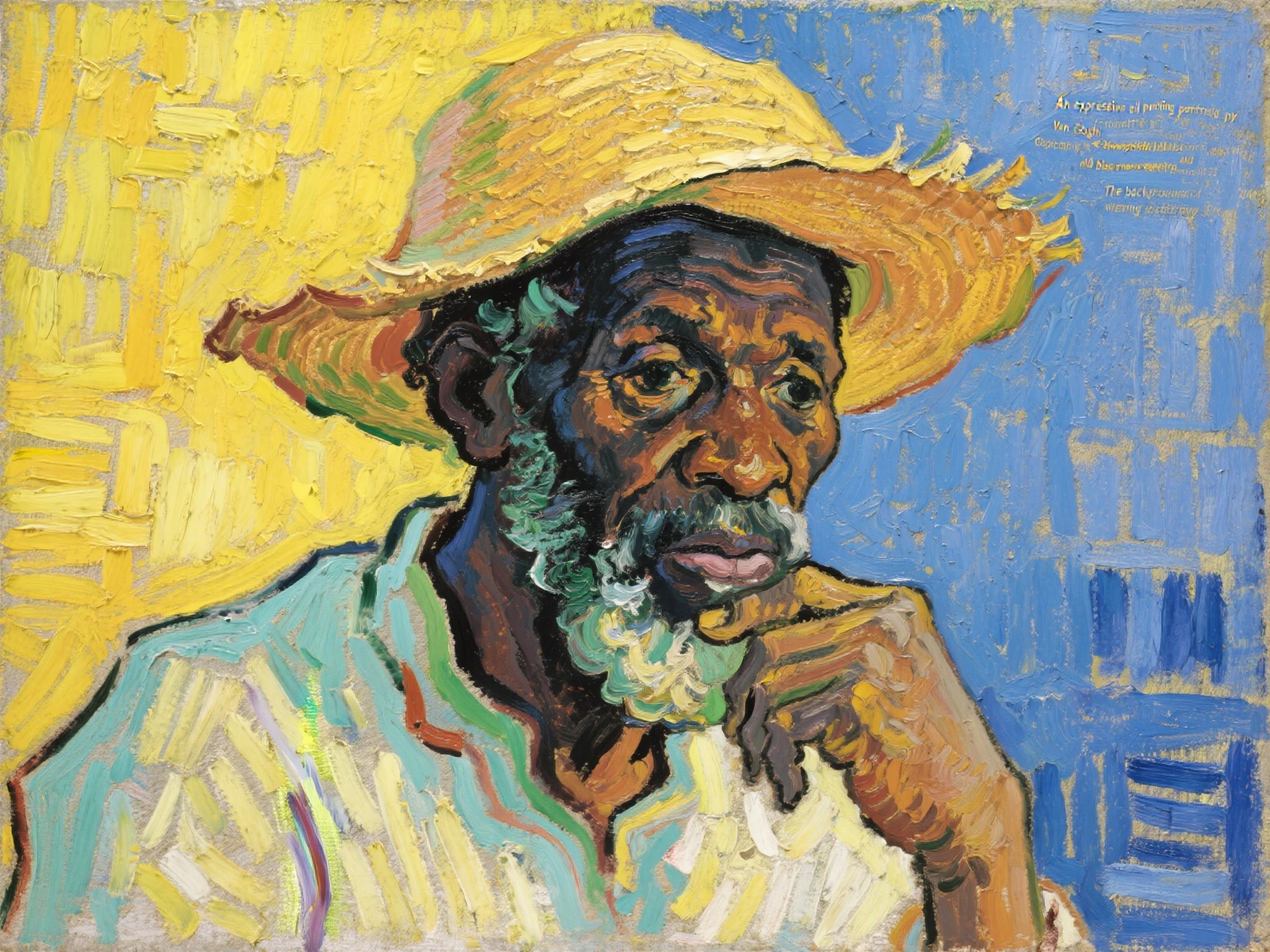
Example 2: Portrait with Vibrant Brushstrokes
"An expressive oil painting portrait by Van Gogh, depicting a thoughtful old black man wearing a straw hat. The background is a vibrant mix of yellows and blues, rendered with thick, visible impasto brushstrokes. The warm lighting illuminates his detailed face, conveying emotional intensity."
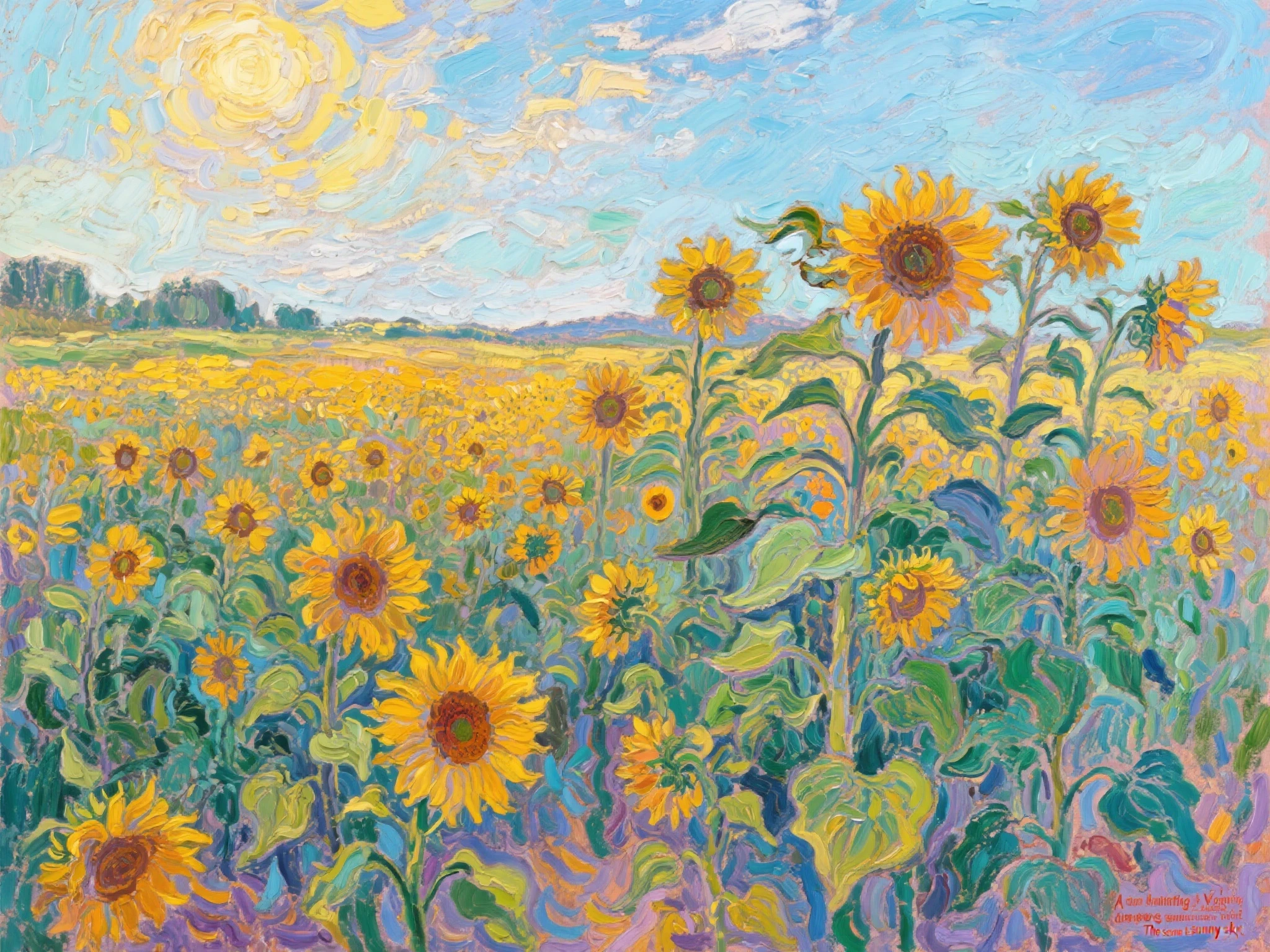
Example 3: Dynamic Sunflower Field
"A dynamic oil painting by Van Gogh, depicting a field of blooming sunflowers under a bright, sunny sky. The scene is filled with vibrant colors and thick, expressive impasto brushstrokes, creating a rich texture and a golden light over the summer landscape. Highly detailed."
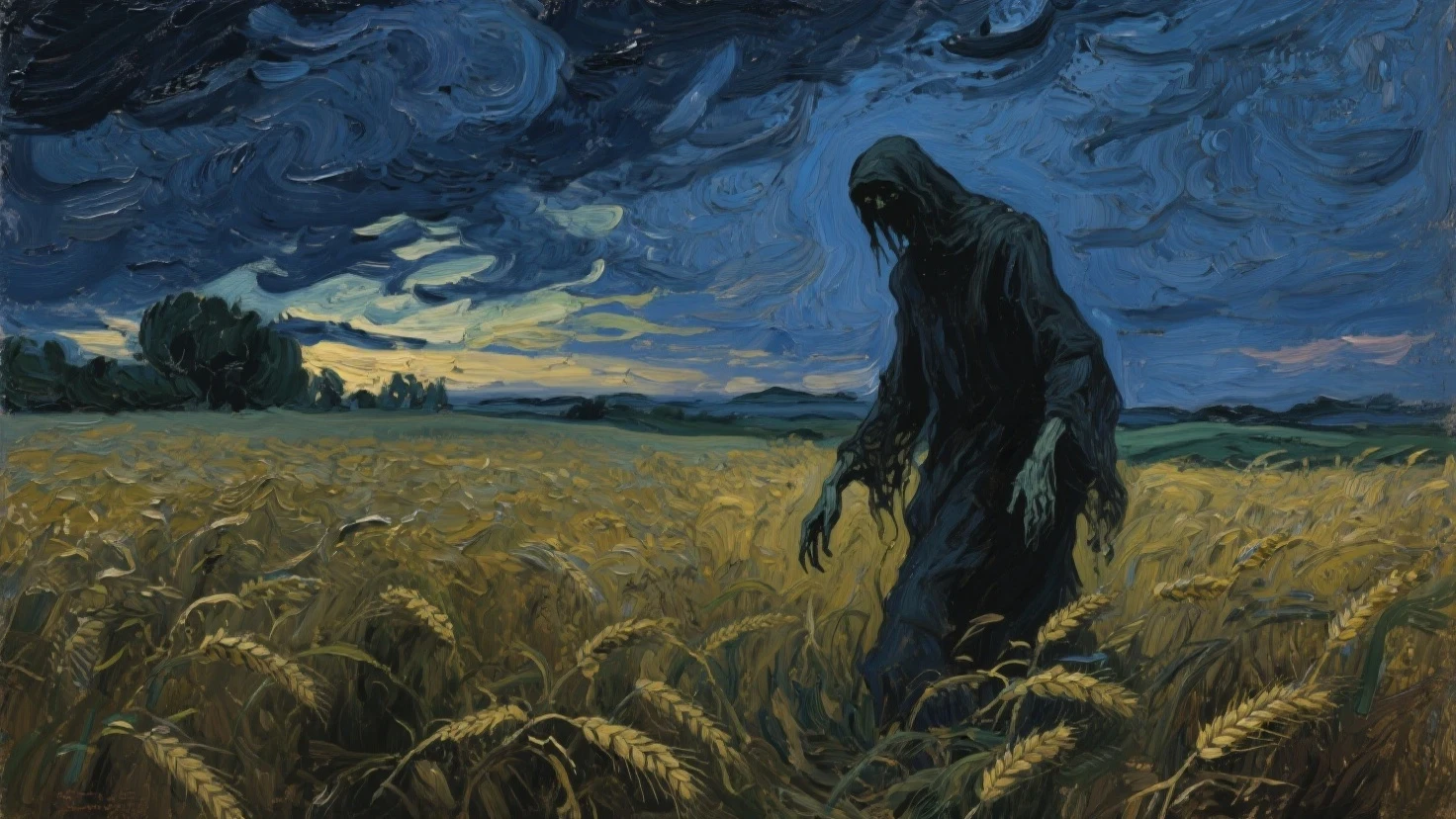
Example 4: Style Combination (Van Gogh with Goya elements)
"An expressive oil painting by Van Gogh, infused with the dark, dramatic atmosphere of Goya. A haunting figure walks through a wheat field at twilight. The scene features swirling skies, thick impasto brushstrokes, deep blues, and muted yellows, creating an ominous and emotionally intense landscape."
5. The Art of Individuality in the AI Era
The ability of SeaArt.ai, especially with versatile models like SeaArt Film, to emulate the styles of great masters like Van Gogh is, without a doubt, a remarkable technological achievement. However, it is crucial to recognize that the recreation of an artist by artificial intelligence, no matter how sophisticated, may not capture the complete identity, soul, or original intent that a human genius infused into every brushstroke. Art is, in its essence, an expression of the human experience, and AI acts as a powerful tool to amplify that expression, not to replace it.
Herein lies the true opportunity for the creator in the AI era: the chance to move beyond mere emulation. Instead of seeking a perfect replica, we encourage experimentation and the fusion of ideas. How about a Renaissance portrait with a surrealist twist, or an Impressionist landscape with sci-fi elements? The combination of styles, the introduction of contemporary or personal themes, and the exploration of unexpected narratives are what can infuse individuality, essence, and uniqueness into an AI-generated artwork. True mastery lies in how you, the artist, utilize these tools to translate your own vision and creativity, transforming emulation into innovation and technology into an extension of your own artistic voice. SeaArt.ai offers the canvas; the masterpiece is yours.
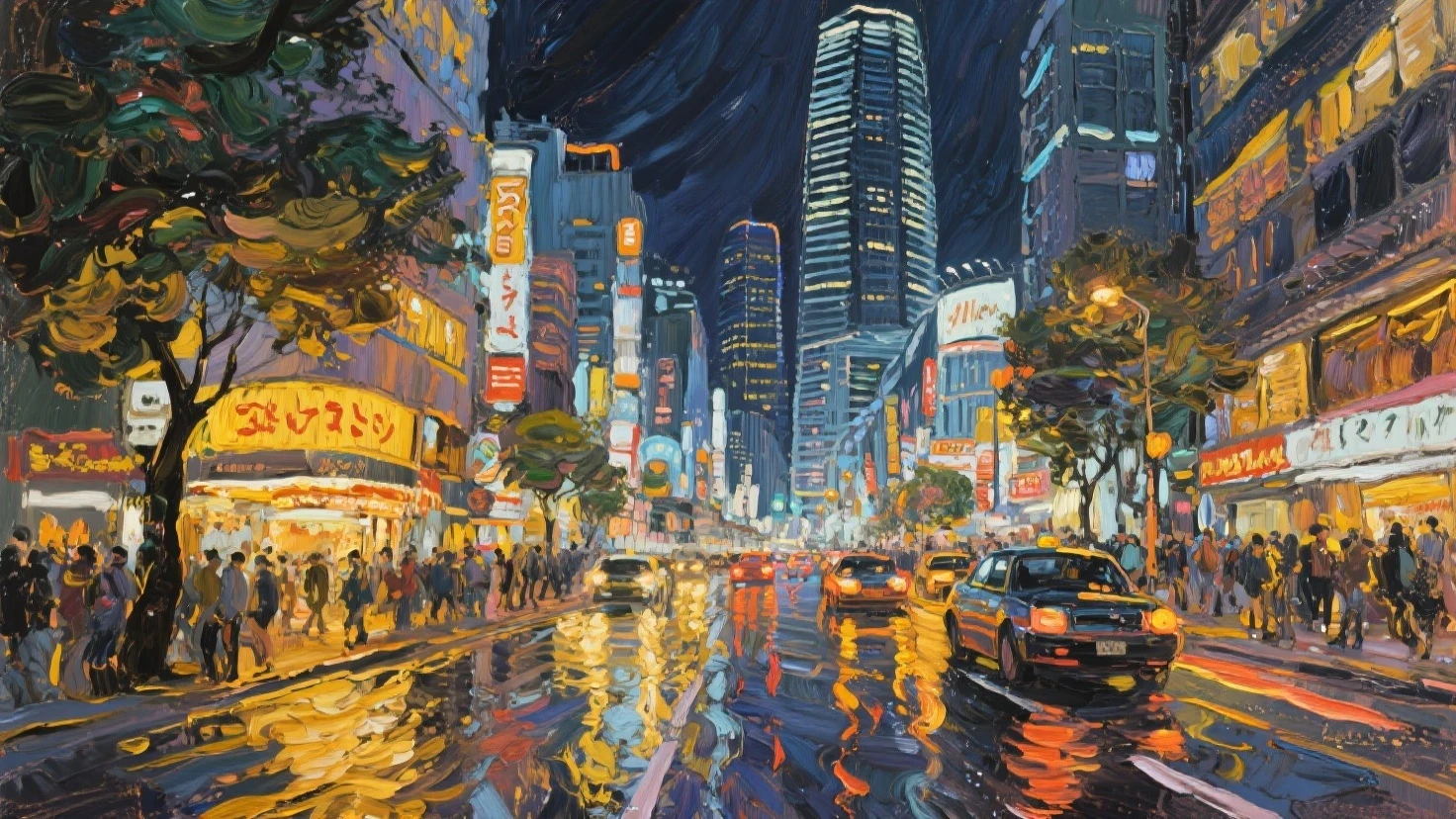
"An expressive oil painting by Van Gogh, depicting a bustling Tokyo street at night. The scene is rendered with thick, visible impasto brushstrokes and vibrant, swirling colors, capturing the dynamic energy of the city. Neon signs reflect on the wet asphalt, creating streaks of car lights and a golden glow. Tall, futuristic skyscrapers loom in the background, all rendered with a rich, textured canvas feel, conveying an emotionally intense urban landscape."
PS: special thanks to Fafnir who contributes to this Articles with some images and tips.